

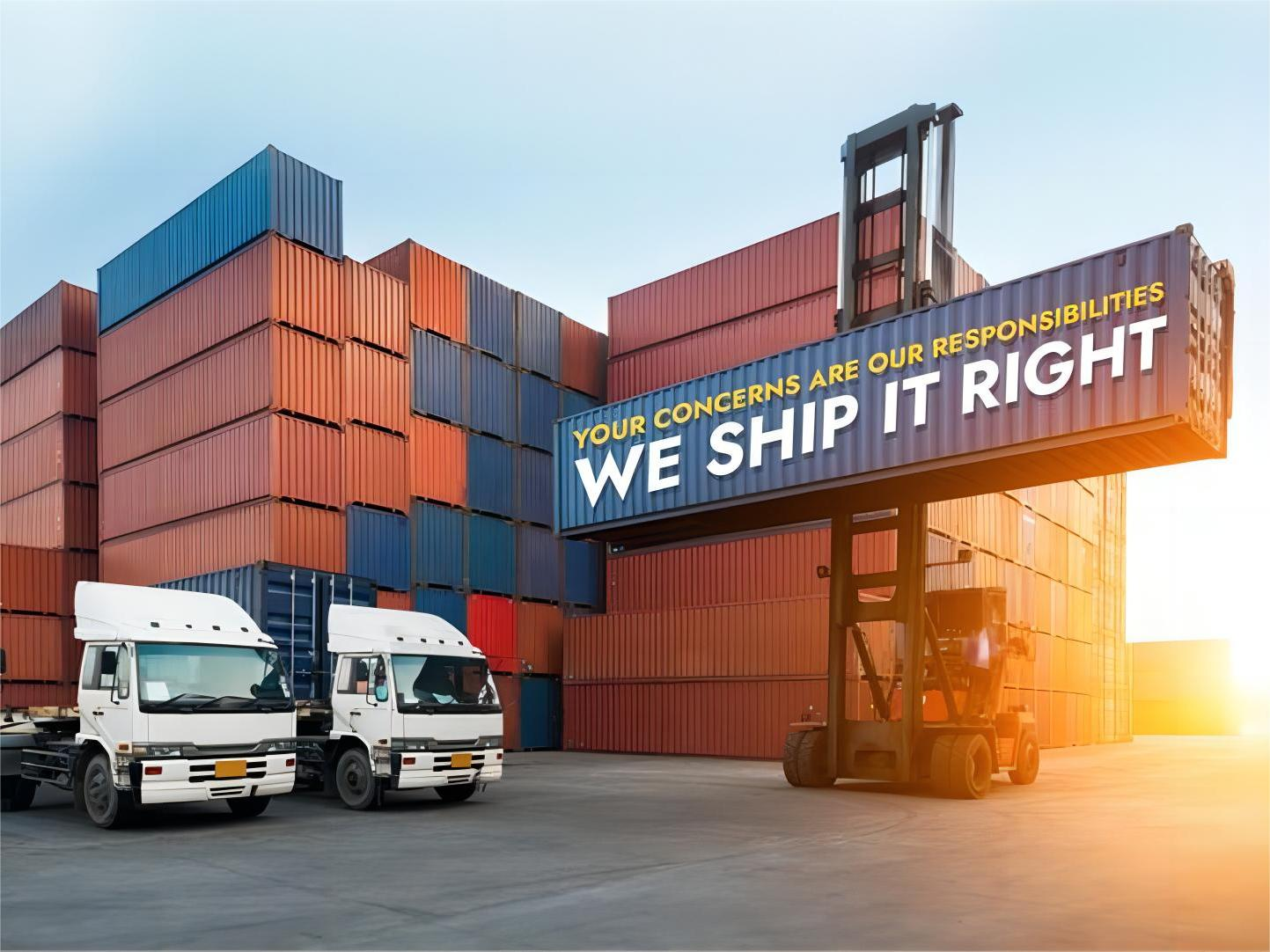
Comprehensive China Logistics Rail Sea Air Freight Solution 2026
Developing a robust china logistics rail sea air freight solution is the cornerstone of successful international trade in 2026. Businesses today face complex supply chain challenges that require flexible and reliable transportation methods to remain competitive. By partnering with DSV-Freight, importers can access streamlined shipping routes that minimize delays and reduce overhead costs effectively. This guide explores how to integrate diverse transport modes to optimize your delivery schedule and ensure cargo safety across the globe.
✦
Why a China Logistics Rail Sea Air Freight Solution is Critical in 2026
Global trade dynamics have shifted significantly as we enter 2026, making a multi-modal approach more valuable than ever. Consequently, relying on a single transport method often leads to bottlenecks when port congestion or fuel price spikes occur unexpectedly. A diversified china logistics rail sea air freight solution allows companies to pivot between modes based on real-time market data and inventory needs.

Furthermore, the integration of digital tracking and AI-driven logistics management has transformed how freight is handled across different borders. Modern supply chains require high visibility and rapid response times to meet the demands of e-commerce and just-in-time manufacturing. Therefore, understanding the nuances of each shipping method is essential for maintaining a healthy bottom line in this fast-paced environment.
Additionally, environmental regulations in 2026 have pushed many carriers to adopt greener technologies, affecting both transit times and shipping rates. Businesses must now weigh the carbon footprint of their logistics choices alongside traditional factors like speed and cost. Choosing the right partner helps navigate these complexities while ensuring that your goods arrive on time and within budget.
How Does Sea Freight Compare to Other Shipping Options?
While air and rail offer speed, sea freight remains the most economical choice for high-volume shipments and bulky goods. For instance, transporting a 40HQ container from Shanghai to Rotterdam costs significantly less per unit than any other method available today. Meanwhile, the capacity of modern mega-vessels ensures that even the largest industrial orders can be moved in a single voyage.
However, the primary trade-off for these lower costs is the longer transit time, which typically ranges from 30 to 45 days depending on the destination. As a result, sea freight is best suited for non-urgent goods where cost savings are a higher priority than immediate delivery. Moreover, the stability of ocean shipping makes it ideal for hazardous materials or sensitive cargo that requires specialized container handling.
Market data suggests that ocean freight rates have stabilized in early 2026 after the fluctuations seen in previous years. Nevertheless, shippers should still account for seasonal peaks, such as the period leading up to the Lunar New Year, when demand often outstrips supply. Planning at least six weeks in advance is recommended to secure the best possible rates and equipment availability.
| Sea Freight (FCL) | $1,800 – $4,500 | 25-45 Days | Bulk & Large Volume |
| Air Freight | $5.50 – $12.00/kg | 3-7 Days | High-Value & Urgent |
| Rail Freight | $2,500 – $6,000 | 15-22 Days | Mid-range Speed/Cost |
| Express Service | $8.00 – $15.00/kg | 2-5 Days | Small Samples/Docs |
Maximizing Efficiency with Air Freight Strategies
When time is the most critical factor, air freight provides an unparalleled advantage for global distribution. Indeed, electronics, fashion, and perishable goods often require the rapid transit times that only aviation can provide. Additionally, the reduced handling and shorter exposure to the elements during air transport often lead to lower insurance premiums for high-value cargo.
On the other hand, the higher cost of air transport means that businesses must optimize their packaging to minimize dimensional weight charges. For example, using lightweight materials and reducing dead space within cartons can save hundreds of dollars on a single shipment. Consequently, air freight is most effective when used strategically for product launches or to replenish urgent stock shortages.
Industry benchmarks for 2026 indicate that air cargo capacity has increased as more passenger airlines return to full international schedules. This increased supply has helped moderate rates, though fuel surcharges remain a variable factor that shippers must monitor closely. To summarize, air freight is a vital component of any comprehensive china logistics rail sea air freight solution when speed outweighs budgetary constraints.
The Strategic Advantage of Rail Freight in 2026
For shipments moving from China to Europe, rail freight has emerged as a powerful middle-ground solution. It offers a transit time that is roughly half that of sea freight while costing significantly less than air transport. For instance, the Silk Road rail routes connect major Chinese hubs like Chengdu and Xi’an directly to European terminals in less than three weeks.
Moreover, rail transport is less susceptible to the weather-related delays that often plague ocean vessels or the flight cancellations that affect air cargo. This reliability makes it an excellent choice for automotive parts and industrial machinery that require a consistent delivery schedule. Additionally, the environmental impact of rail is considerably lower than air, appealing to brands with strict sustainability goals.
Without a doubt, the expansion of rail infrastructure in Central Asia has improved the efficiency of these overland routes throughout 2025 and into 2026. Shippers can now choose between Full Container Load (FCL) and Less than Container Load (LCL) rail options, providing flexibility for different shipment sizes. In contrast to sea freight, rail provides a more predictable timeline for landlocked destinations in Eastern Europe.
Which Option Should You Choose? A Decision Framework
Selecting the right shipping method requires a careful analysis of your budget, timeline, and cargo specifications. If your primary goal is cost reduction and you have a lead time of over 40 days, sea freight is almost always the superior choice. Conversely, if you are shipping high-value electronics that lose value quickly, the speed of air freight justifies the higher expenditure.
Hybrid solutions are also becoming increasingly popular in 2026 as a way to balance cost and speed effectively. For example, some logistics providers offer sea-air combinations where goods are shipped by sea to a hub like Dubai and then flown to their final destination. This approach can save up to 40% in costs compared to pure air freight while still arriving much faster than a standard ocean voyage.
Cargo type considerations also play a major role in the decision-making process for international logistics. Perishable items or temperature-sensitive pharmaceuticals require specialized reefers or air transport to maintain integrity. Meanwhile, heavy machinery and construction materials are best suited for the high-capacity decks of ocean liners or specialized rail cars.
Customs Clearance and Essential Documentation
Navigating the complexities of international trade requires a deep understanding of customs brokerage and local regulations. Every country has specific requirements for imports, and missing documentation can lead to costly delays or even cargo seizure. Therefore, ensuring that all paperwork is accurate and submitted on time is a critical step in the china logistics rail sea air freight solution.
Common documents include the Commercial Invoice, Packing List, and Bill of Lading, which serve as the legal contract between the shipper and carrier. Additionally, certain goods may require a Certificate of Origin or specialized permits depending on the trade agreements between China and the destination country. For instance, shipping to the European Union requires compliance with specific VAT and safety standards.
Working with an experienced broker can simplify this process by managing the communication with customs authorities on your behalf. They can also help identify potential duty savings through free trade agreements or specific tariff classifications. To summarize, professional customs management is the best way to avoid unexpected fees and ensure a smooth transition from the port to your warehouse.
| Commercial Invoice | Value Declaration | All Shipments | Exporter |
| Bill of Lading | Title of Goods | Sea/Rail Freight | Carrier |
| Packing List | Cargo Details | Customs Inspection | Exporter |
| Air Waybill | Contract of Carriage | Air Freight | Airline |
Case Study 1: Optimizing Electronics Delivery via Rail
Route: Shenzhen, China to Warsaw, Poland. Cargo: High-end consumer electronics, 12 CBM, 4,500 kg. Container: LCL (Less than Container Load). Carrier: China-Europe Railway Express. Port of Loading: Xi’an Inland Port. Port of Discharge: Warsaw Terminal. Route Type: Direct overland.
Cost Breakdown: Rail Freight: $3,200. Origin Charges: $450. Destination Charges: $550. Customs and Duties: $1,200. Total Landed Cost: $5,400. Timeline: Booking to Loading: 3 days. Rail Transit: 16 days. Customs Clearance: 2 days. Total Door-to-Door: 21 days.
Key Insight: By choosing rail over air freight, the client saved approximately $6,000 in shipping costs while still meeting their three-week inventory deadline. Based on Q1 2026 market rates, this approach provided the perfect balance of speed and economy for seasonal product replenishment.
Case Study 2: Large-Scale Furniture Export via Sea
Route: Ningbo, China to Los Angeles, USA. Cargo: Modular office furniture, 65 CBM, 12,000 kg. Container: 40HQ (High Cube). Carrier: COSCO Shipping. Port of Loading: Ningbo-Zhoushan. Port of Discharge: Port of Los Angeles. Route Type: Direct trans-Pacific.
Cost Breakdown: Ocean Freight: $3,500. Origin Charges: $600. Destination Charges: $850. Customs and Duties: $2,100. Total Landed Cost: $7,050. Timeline: Booking to Loading: 5 days. Sea Transit: 18 days. Customs Clearance: 4 days. Total Door-to-Door: 27 days.
Key Insight: Using a 40HQ container allowed the shipper to maximize volume efficiency, resulting in a very low cost per unit. Typical rates as of early 2026 show that direct routes to the West Coast remain the most cost-effective way to enter the North American market for bulky goods.
Specialized Solutions for E-commerce and Amazon FBA
Many businesses today utilize Amazon FBA to reach global customers with minimal local infrastructure. This requires a specific logistics approach that includes labeling, palletizing, and direct delivery to Amazon fulfillment centers. Consequently, a specialized china logistics rail sea air freight solution must account for Amazon’s strict receiving guidelines to avoid rejected shipments.
Moreover, e-commerce sellers often benefit from express shipping for small, high-turnover items that need to be restocked quickly. These services often include door-to-door delivery and automated tracking, allowing sellers to focus on marketing rather than logistics. In addition, consolidated shipping options can help smaller sellers reduce costs by sharing container space with other merchants.
As we move through 2026, the integration of logistics software with e-commerce platforms has made managing these shipments much simpler. Real-time data allows sellers to predict when they will run out of stock and choose the appropriate shipping mode to prevent downtime. Therefore, a flexible logistics strategy is the best way to maintain high seller ratings and customer satisfaction.
Final Thoughts on Global Logistics Strategy
In conclusion, finding the right china logistics rail sea air freight solution is a dynamic process that requires constant evaluation of market conditions and business goals. By understanding the unique advantages of sea, air, and rail transport, you can build a resilient supply chain that withstands global disruptions. Whether you prioritize the speed of air or the cost-effectiveness of ocean freight, the key is to remain flexible and informed.
Note: Freight rates are subject to change based on fuel costs, carrier capacity, and seasonal demand. Contact us for a current quote tailored to your specific shipment. Working with a professional logistics partner ensures that you have access to the latest market intelligence and the most reliable shipping routes available in 2026.