


Container Shipping China Delay Customs Inspection Fix: 2026 Guide
Navigating the complexities of global trade requires a reliable partner like AliChinaFreight to ensure smooth operations. If you are currently facing a container shipping china delay customs inspection fix, understanding the underlying causes is the first step toward a resolution. This comprehensive guide provides actionable strategies to mitigate delays and optimize your international supply chain for the 2026 market.
What Causes a Container Shipping China Delay Customs Inspection?
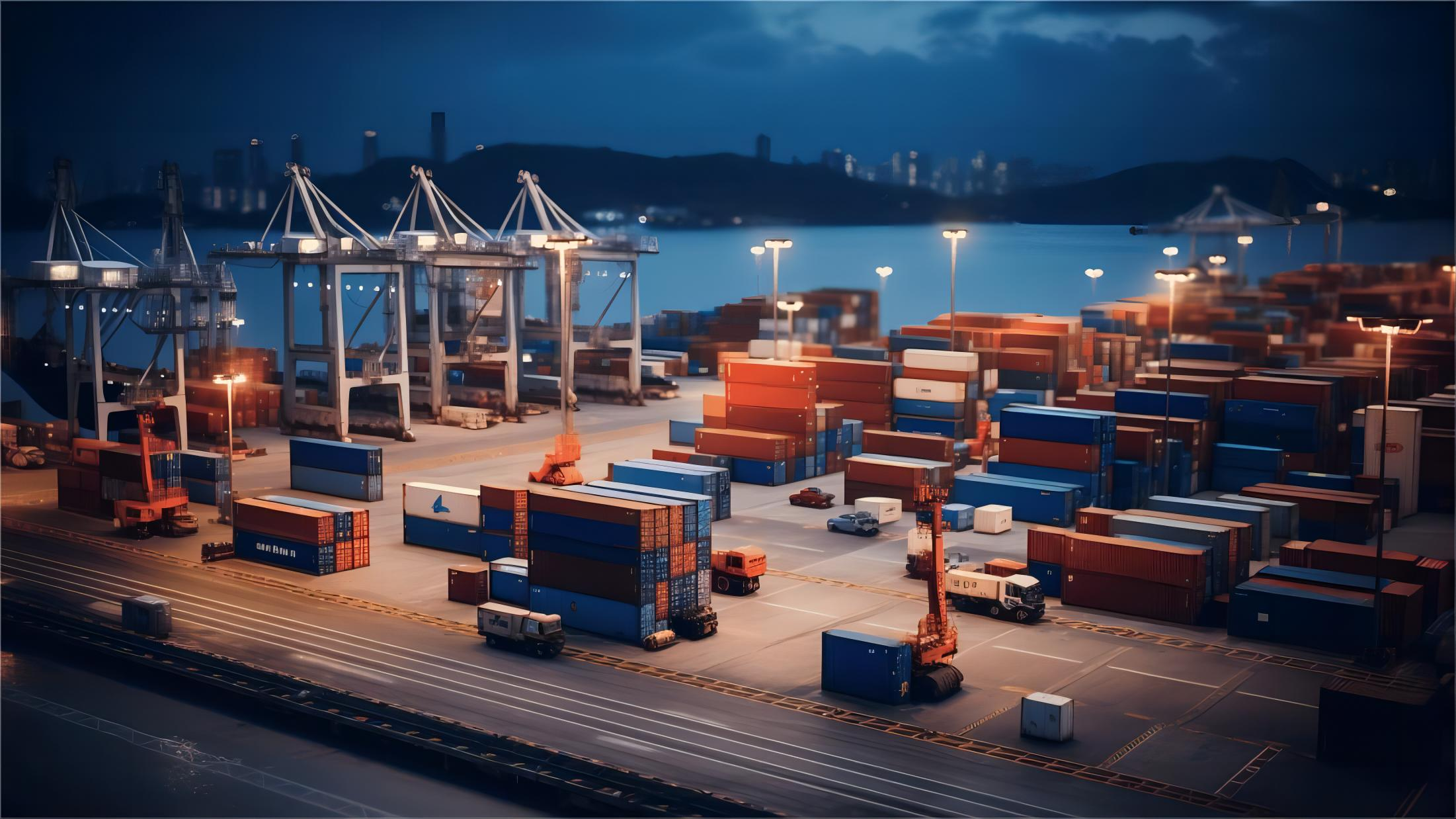
International logistics involves various moving parts that can often lead to unexpected bottlenecks at the border. Specifically, customs authorities frequently flag shipments for inspection based on risk assessment algorithms or random selection protocols.
Moreover, the maritime freight market 2026 has seen increased scrutiny on safety and compliance following recent global trade policy updates. Consequently, importers must remain vigilant about their shipping documentation requirements to avoid lengthy holds.
Additionally, port congestion trends 2026 in major hubs like Shanghai or Ningbo can exacerbate the time it takes for a flagged container to reach the inspection area. Therefore, early preparation is the best defense against these logistical challenges.
Identifying the Most Common Customs Inspection Triggers
Understanding why your cargo was stopped is essential for implementing a container shipping china delay customs inspection fix. For instance, HS code classification errors are one of the most frequent reasons for a secondary examination.
Furthermore, utilizing a professional customs brokerage service can help ensure that all declarations are accurate and compliant with current regulations. Inaccurate descriptions of goods or undervalued commercial invoices often trigger red flags for customs officials.
Meanwhile, some inspections are simply the result of random compliance checks designed to maintain containerized cargo security across the supply chain. Nevertheless, maintaining a clean shipping history with authorities can reduce the frequency of these occurrences over time.
Container Shipping China Delay Customs Inspection Fix: Immediate Steps
Action must be taken quickly once you receive notification that your container is under inspection. First, verify that all digital copies of your commercial invoice and packing list match the physical cargo exactly.
Secondly, communicate with your freight forwarder to determine the specific type of exam, such as an X-ray scan or a full tail-gate inspection. As a result of this information, you can better estimate the potential impact on your delivery schedule.
Indeed, providing additional documentation like product specification sheets or certificates of origin can often speed up the release process. Accordingly, keeping these files organized and ready for submission is a vital part of any container shipping china delay customs inspection fix strategy.
How Does Sea Freight Compare to Other Shipping Options?
Choosing the right transport mode is a critical decision for balancing cost and speed in your logistics supply chain management. While sea freight remains the most economical choice for large volumes, it is also the most susceptible to port-related delays.
In contrast, other methods offer higher reliability for time-sensitive cargo that cannot afford a lengthy customs hold. For example, high-value electronics often benefit from more direct routing options to minimize handling.
Without a doubt, comparing the trade-offs between ocean, air, and rail transit is necessary for developing a resilient shipping strategy. The following table highlights the key differences as of early 2026.
| Sea Freight (FCL) | $1,800 – $4,500 | 25 – 40 Days | Bulk Goods |
| Air Freight | $5.50 – $9.00/kg | 3 – 7 Days | Urgent Cargo |
| Rail Freight | $1,200 – $2,800 | 15 – 22 Days | Mid-range Budget |
| Express Service | $8.50 – $15.00/kg | 2 – 4 Days | Samples/Small |
Strategic Alternatives for High-Priority Cargo
Switching to air freight is often the most effective way to bypass sea port congestion when a container shipping china delay customs inspection fix is not enough. Although the costs are higher, the reduction in transit time can save critical retail deadlines.
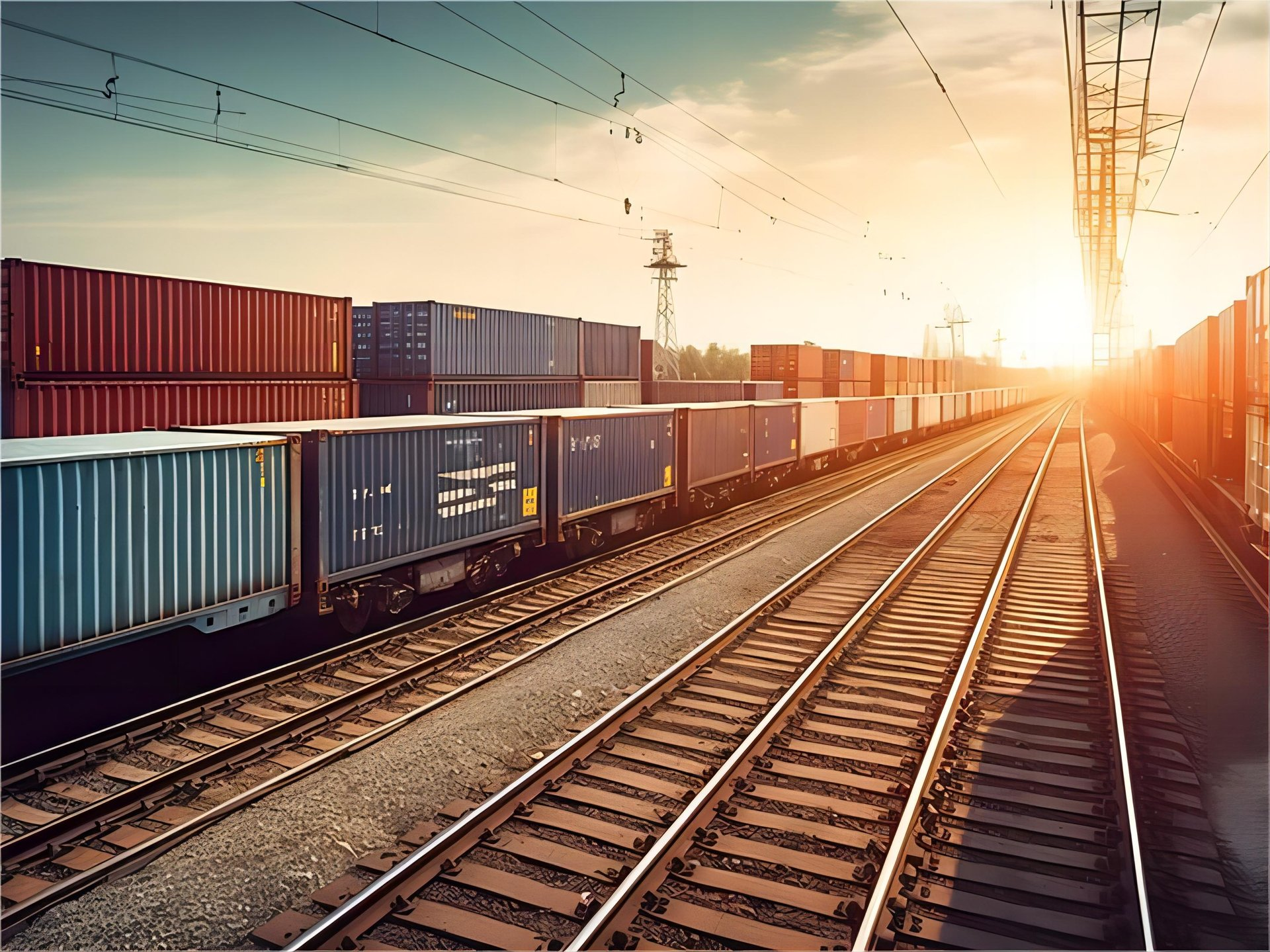
Furthermore, many businesses are now exploring Europe rail routes as a reliable middle ground between sea and air. This hybrid approach offers a faster customs clearance process 2026 compared to traditional maritime routes.
Additionally, implementing a door to door service model can simplify the entire process by consolidating all logistics steps under a single provider. This strategy often includes pre-clearing cargo before it even arrives at the destination port.
Case Study 1: Resolving a 40HQ Delay in Los Angeles
Route: Shenzhen, China to Los Angeles, USA. Cargo: Consumer Electronics, 65 CBM. Container: 40HQ. Carrier: Major Carrier. Port of Loading: Shenzhen. Port of Discharge: Los Angeles. Route Type: Direct.
Cost Breakdown: Ocean Freight $3,400. Origin Charges $450. Destination Charges $800. Customs & Duties $1,200. Total Landed Cost $5,850. Timeline: Booking to Loading 5 days. Sea Transit 16 days. Customs Clearance 7 days (due to inspection). Total Door-to-Door 28 days.
Key Insight: The delay was caused by a mismatch in the HS code for lithium batteries. By providing the technical data sheet within 24 hours, the importer successfully implemented a container shipping china delay customs inspection fix and avoided excessive demurrage fees. Based on Q1 2026 market rates.
Case Study 2: Managing LCL Customs Holds in Rotterdam
Route: Ningbo, China to Rotterdam, Netherlands. Cargo: Industrial Parts, 12 CBM, 4,500 kg. Container: LCL. Carrier: Major Carrier. Port of Loading: Ningbo. Port of Discharge: Rotterdam. Route Type: Direct.
Cost Breakdown: Ocean Freight $1,100. Origin Charges $300. Destination Charges $650. Customs & Duties $900. Total Landed Cost $2,950. Timeline: Booking to Loading 4 days. Sea Transit 32 days. Customs Clearance 5 days. Total Door-to-Door 41 days.
Key Insight: This shipment was flagged for a random compliance check. Because the importer used a bonded warehouse for storage during the hold, they minimized additional handling costs. Typical rates as of early 2026. Note: Freight rates are subject to change based on fuel costs and carrier capacity.
Documentation Checklist to Prevent Future Inspection Delays
Preparation is the most effective container shipping china delay customs inspection fix for future shipments. Specifically, ensuring that your paperwork is 100% accurate before the vessel departs China can prevent most administrative holds.
Importers should double-check all tariff classification guides to ensure the correct duties are being applied to their goods. Consequently, this reduces the likelihood of customs officials suspecting tax evasion or misdeclaration.
Therefore, we recommend using the following checklist for every international shipment to maintain a smooth flow of goods.
| Commercial Invoice | Value, HS Codes | Duty Assessment | Critical |
| Packing List | Weight, Dimensions | Cargo Verification | High |
| Bill of Lading | Consignee Details | Title of Goods | Critical |
| Cert. of Origin | Manufacturing Site | Trade Agreements | Medium |
Which Shipping Option Should You Choose?
Choosing between different logistics strategies requires a clear understanding of your business priorities. If budget is your main concern, sea freight remains the standard, provided you account for potential delays in your lead times.
However, if speed is the priority, air freight is the only viable solution despite the higher shipping costs for FCL equivalent volumes. Meanwhile, rail freight offers a balanced alternative for those shipping to inland European destinations.
Specifically, for shipments under 15 CBM, LCL may be more economical than a full container, though it often involves more complex cargo handling procedures. Ultimately, your decision should be based on the specific requirements of your product and customer expectations.
Final Thoughts on Resolving Customs Delays
To summarize, managing a container shipping china delay customs inspection fix requires a combination of proactive documentation and strategic planning. By understanding the common triggers for inspections and maintaining accurate records, you can significantly reduce the risk of long-term holds.
Furthermore, partnering with an experienced freight forwarder ensures that you have the support needed to resolve issues quickly when they arise. As the global trade landscape continues to evolve in 2026, staying informed about market trends and regulatory changes will remain your greatest advantage in maintaining a successful supply chain.
Need a tailored shipping solution?
Are you struggling with a container shipping china delay customs inspection fix and need professional assistance? Our team at AliChinaFreight is ready to help you navigate the complexities of 2026 logistics and clear your cargo efficiently. Contact us today for a personalized quote and expert guidance on your next shipment. Visit our website to Send Inquiry and get started.