


Container Shipping China USA Europe Rates: 2026 Logistics Guide
Navigating the complexities of global logistics requires up-to-date data on container shipping china usa europe rates to maintain a competitive edge. Businesses must adapt to fluctuating market conditions and seasonal demand spikes to ensure timely delivery. Visit alichinafreight.com to find comprehensive logistics solutions that streamline your international trade operations. Understanding these rates is essential for accurate budgeting and efficient inventory management in the current economic climate.
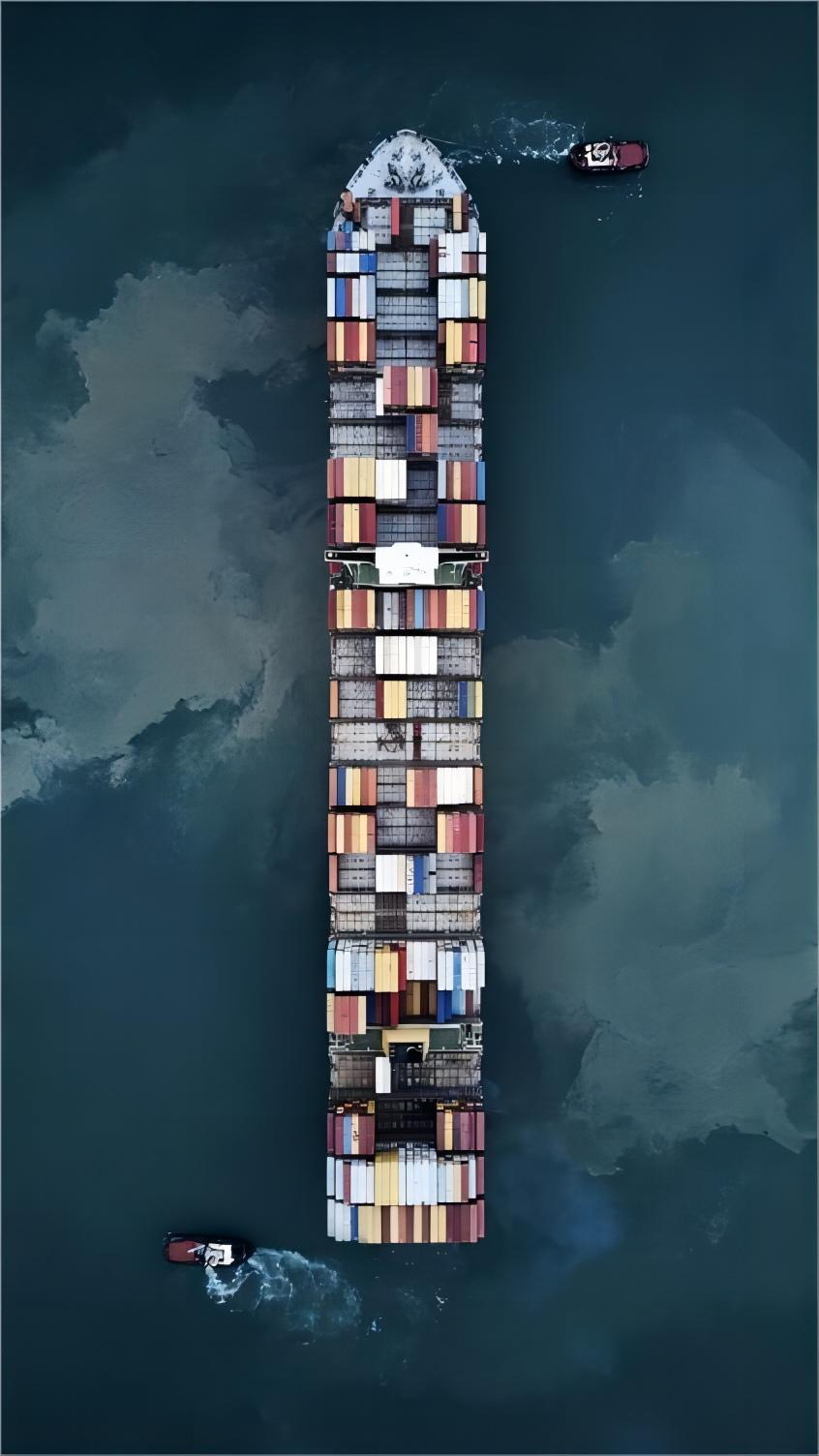
Why Are Container Shipping China USA Europe Rates Volatile in 2026?
Global trade dynamics have shifted significantly as we enter Q1 2026. Consequently, freight rates from China to major Western hubs have experienced periodic fluctuations due to fuel cost adjustments and port infrastructure upgrades. Moreover, the stabilization of supply chains after recent global disruptions has led to a more predictable but still competitive pricing environment.
Market intelligence suggests that demand for consumer electronics and sustainable goods continues to drive volume on these routes. Therefore, shippers must monitor weekly rate indexes to capitalize on temporary price drops. Additionally, carrier alliances are frequently adjusting capacity to match demand, which directly impacts the available space and final costs for importers.
Furthermore, environmental regulations regarding carbon emissions in 2026 have introduced new surcharges for traditional vessels. Indeed, this transition toward greener shipping has made it necessary for businesses to evaluate their logistics partners based on both cost and sustainability metrics. In contrast, those who lock in long-term contracts may find more stability than those relying solely on the spot market.
How Does Sea Freight Compare to Other Shipping Options?
When evaluating sea freight against other methods, businesses often prioritize cost over speed. For instance, ocean transport remains the most economical choice for bulky or heavy shipments that do not require immediate delivery. However, for high-value goods, air freight offers a significant advantage in transit time despite the higher price point.
While sea freight costs for a 40HQ container might range from $3,000 to $6,000 depending on the destination, air freight for the same volume could exceed $20,000. Nevertheless, the reduction in inventory carrying costs can sometimes justify the air transport expense. Meanwhile, hybrid solutions like sea-air combinations are gaining popularity for balancing budget and urgency.
The following table provides an objective analysis of all viable alternatives for the China-USA-Europe routes based on early 2026 market data.
| Shipping Method | Cost Range | Transit Time | Best For |
|---|---|---|---|
| Sea Freight (FCL) | $1,500 – $6,000 | 14 – 40 Days | Large volumes, heavy cargo |
| Air Freight | $5 – $12 per kg | 3 – 7 Days | High-value, urgent goods |
| Rail Freight | $2,500 – $4,500 | 18 – 25 Days | China to Europe land routes |
| Express Service | $8 – $15 per kg | 2 – 5 Days | Small parcels, samples |
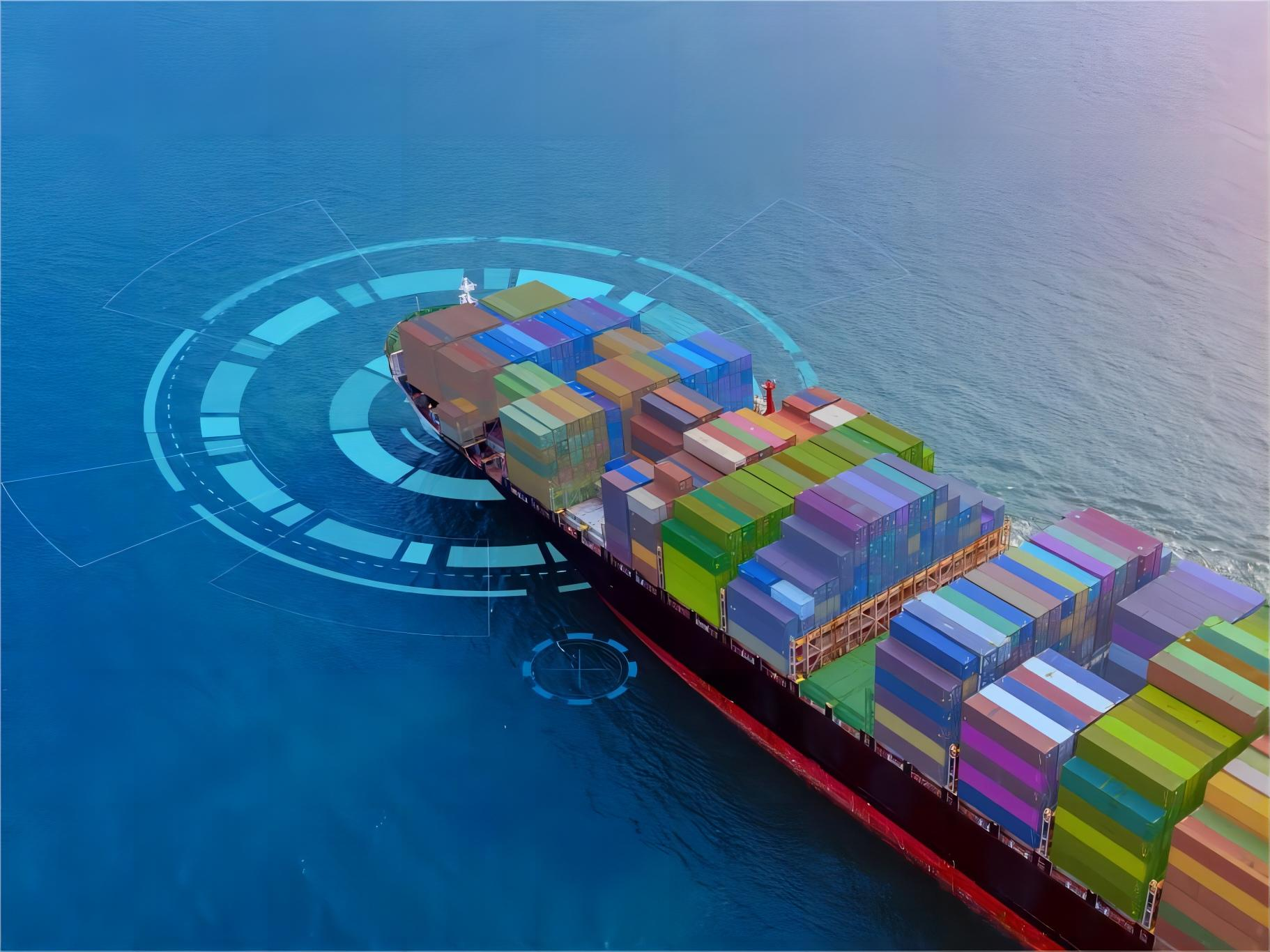
Regional Pricing Reference for China to USA and Europe
Regional variations play a massive role in determining the final invoice for international shipments. For example, shipping to the USA West Coast is generally cheaper and faster than shipping to the East Coast due to the shorter trans-Pacific distance. Consequently, many businesses utilize transload services in California to move goods inland via rail or truck.
In Europe, major ports like Rotterdam and Hamburg serve as the primary gateways for the continent. Using rail freight as an alternative to sea transport has become a staple for shipments moving from inland China to Central Europe. This method offers a middle ground in terms of both cost and speed, often saving up to 15 days compared to the sea route.
Typical rates as of early 2026 for standard container sizes are listed below. Please note that these are industry averages and subject to change based on carrier capacity and seasonal demand.
| Route | 20GP Container | 40GP Container | 40HQ Container |
|---|---|---|---|
| China to USA West | $1,600 – $2,300 | $2,600 – $3,600 | $2,900 – $3,900 |
| China to USA East | $2,600 – $3,600 | $4,100 – $5,600 | $4,600 – $6,100 |
| China to Europe | $1,900 – $2,600 | $2,900 – $3,900 | $3,100 – $4,300 |
| China to UK | $2,100 – $2,900 | $3,300 – $4,300 | $3,600 – $4,600 |
The Role of Customs and Documentation in Shipping Rates
Hidden costs often emerge during the customs clearance process if documentation is not handled correctly. Therefore, hiring a professional customs brokerage service is vital for avoiding demurrage and detention fees. These charges can quickly escalate, significantly increasing the effective container shipping china usa europe rates paid by the importer.
Accurate classification of goods using HS codes ensures that you pay the correct duties and taxes. Additionally, staying informed about trade agreements and tariff changes between China and the West is essential. For instance, certain product categories may be eligible for duty drawbacks or exemptions that can lower the total landed cost of your cargo.
Moreover, proper cargo handling and labeling prevent physical inspections that delay delivery schedules. Indeed, a seamless customs process is the backbone of a reliable supply chain. Shippers should prepare all commercial invoices, packing lists, and bills of lading well in advance of the vessel arrival to ensure immediate processing.
Case Study Analysis: Real World Logistics Success
Case Study 1: Solar Panel Distribution to Europe. Route: Ningbo, China to Rotterdam, Netherlands. Cargo: 540 Solar Panels, 28 CBM. Container: 1x40HQ. Shipping Details: Major carrier, Direct route. Ocean Freight: $3,450. Origin Charges: $420. Destination Charges: $550. Customs and Duties: $1,200. Total Landed Cost: $5,620. Timeline: 32 days door-to-door. Key Insight: Booking 4 weeks in advance secured a rate 15 percent below the spot market average.
Case Study 2: Consumer Electronics to USA West Coast. Route: Shenzhen, China to Long Beach, USA. Cargo: High-end tablets, 12 CBM. Container: LCL (Less than Container Load). Shipping Details: Transshipment via Busan. Ocean Freight: $1,100. Origin Charges: $300. Destination Charges: $450. Customs and Duties: $2,800. Total Landed Cost: $4,650. Timeline: 22 days door-to-door. Key Insight: Using LCL allowed the client to maintain lean inventory levels without paying for an entire 20GP container.
Case Study 3: Automotive Parts to USA East Coast. Route: Shanghai, China to Savannah, USA. Cargo: Engine components, 18,000 kg. Container: 1x20GP. Shipping Details: Direct via Panama Canal. Ocean Freight: $2,900. Origin Charges: $380. Destination Charges: $600. Customs and Duties: $1,500. Total Landed Cost: $5,380. Timeline: 36 days. Key Insight: Choosing the East Coast direct route avoided high trucking costs from the West Coast, saving the client $800 in total logistics spend.
Which Shipping Option Should You Choose?
Selecting the right method depends on your specific business priorities and cargo characteristics. If your primary goal is budget priority, we recommend sea freight for all shipments exceeding 2 CBM. On the other hand, if speed priority is paramount for seasonal launches, air freight is the only viable solution to meet tight deadlines.
For cargo type considerations, hazardous materials or extremely heavy machinery often require specialized ocean containers like flat racks or open tops. Furthermore, for shipments under 15 CBM, LCL at $60-90 per CBM may be more economical than a full 20GP container. Always consider door to door services to simplify the logistics chain and reduce the number of touchpoints.
Volume thresholds also dictate the most efficient strategy. Once your volume reaches approximately 14-15 CBM, the cost of a 20GP container often becomes comparable to LCL pricing while offering better security and faster handling. Consequently, consolidating smaller orders into a single FCL shipment is a proven cost-saving strategy for growing businesses.
Mastering Your Global Shipping Strategy
Successfully managing container shipping china usa europe rates involves a combination of early planning, method comparison, and expert execution. By understanding the factors that drive costs, such as fuel surcharges and seasonal demand, you can make informed decisions that protect your profit margins. Whether you choose sea, air, or rail, the key is to remain flexible and responsive to market changes.
To summarize, the 2026 logistics landscape offers numerous opportunities for cost optimization if you utilize the right data and partners. Focus on total landed costs rather than just the base freight rate to get a true picture of your expenses. With the right strategy, your international shipping can become a powerful driver of business growth.

Need a tailored shipping solution?
Optimizing your container shipping china usa europe rates requires expertise and a dedicated logistics partner. Our team is ready to help you navigate the complexities of 2026 freight markets with tailored solutions. Contact us today to request a custom quote and streamline your global supply chain. Visit our inquiry page to get started.