

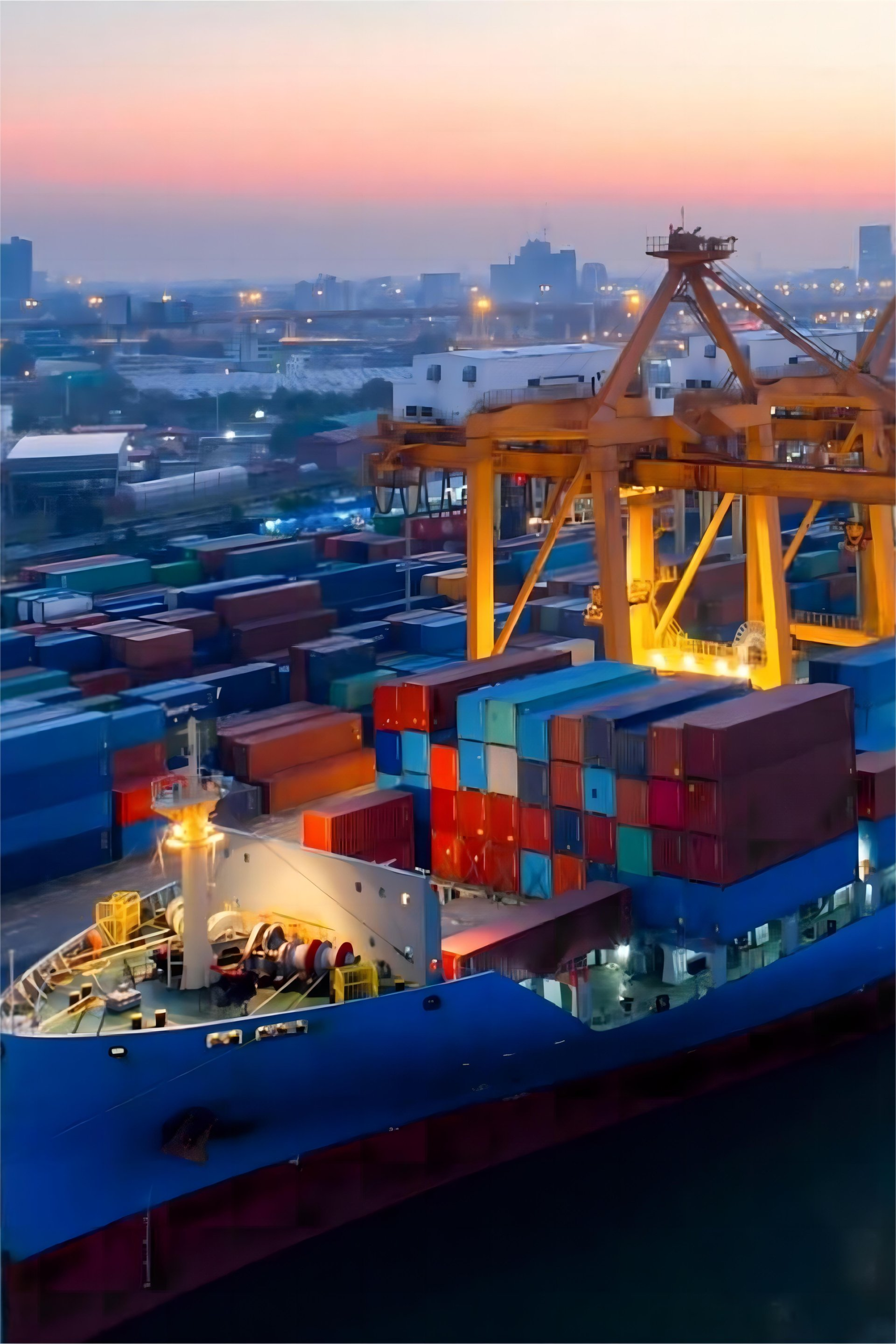
Container Shipping Delay China Europe: 2026 Logistics Survival Guide
“Managing a container shipping delay China Europe has become a fundamental challenge for modern importers in 2026. Consequently, businesses must adapt to shifting schedules and volatile capacity to maintain their inventory levels. You can rely on DSV-Freight to navigate these complex logistical hurdles with precision and reliability. This guide provides actionable insights into current transit trends and effective mitigation strategies for your international trade operations.”
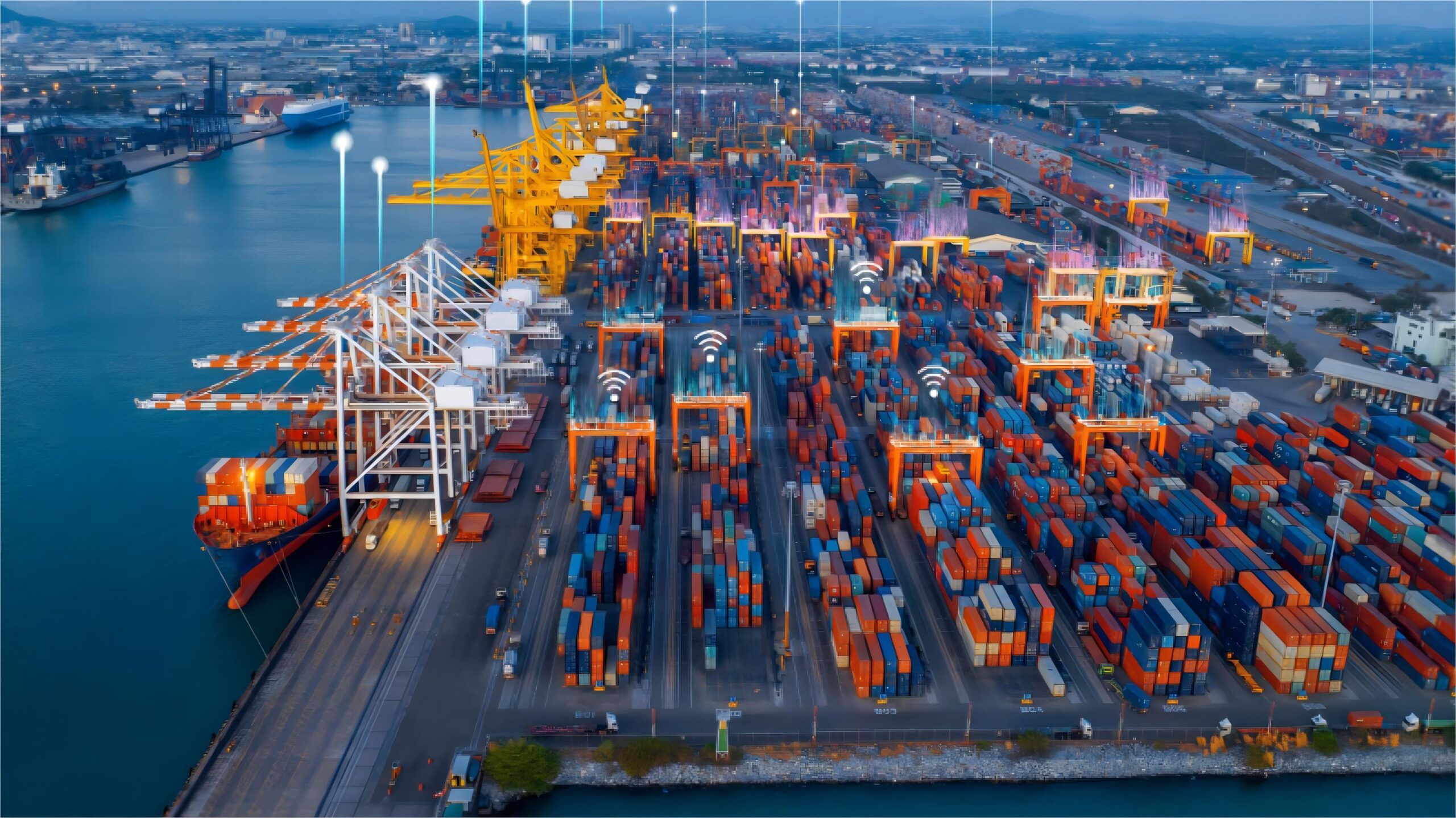
What Are the Primary Causes of Container Shipping Delay China Europe in 2026?
❖Global trade lanes currently face unprecedented pressure due to a combination of geopolitical shifts and infrastructure bottlenecks. Moreover, port congestion in major hubs like Shanghai and Rotterdam continues to impact the reliability of weekly schedules. Shippers often find that vessel bunching leads to significant berthing delays, which ripples through the entire supply chain. Indeed, these factors have made the container shipping delay China Europe a recurring theme for European retailers.
Labor shortages in the trucking and warehousing sectors further exacerbate the situation upon arrival at destination ports. Furthermore, equipment imbalances mean that empty containers are not always available where they are most needed. Consequently, booking lead times have extended from two weeks to nearly a month in certain high-demand corridors. You must account for these variables when planning your quarterly procurement cycles to avoid stockouts.
How Does Sea Freight Compare to Other Shipping Options?
❖While sea freight remains the most cost-effective method for bulk commodities, its vulnerability to delays is significant. In contrast, alternative modes offer faster transit times at a higher price point. For instance, rail solutions have gained popularity as a middle-ground option for time-sensitive cargo. Understanding the trade-offs between cost and speed is essential for optimizing your logistics budget.
Alternative strategies often involve hybrid models that combine different transport modes to bypass specific bottlenecks. For example, some importers use sea-air solutions via Middle Eastern hubs to save time compared to a full ocean voyage. Additionally, smaller shipments might benefit from LCL services to maintain flow without waiting for a full container load. Choosing the right method depends entirely on your margin and delivery urgency.
| Shipping Method | Cost Range (2026) | Transit Time | Best For |
|---|---|---|---|
| Sea Freight | $3,000 – $4,500 | 35-45 Days | Bulk Goods |
| Rail Freight | $5,500 – $7,500 | 18-22 Days | Industrial Parts |
| Air Freight | $15,000+ | 5-8 Days | High-Value Tech |
| Sea-Air | $8,000 – $10,000 | 15-20 Days | Fashion/E-com |
Can Rail Freight Solve the Container Shipping Delay China Europe?
❖The expansion of the Iron Silk Road has made rail freight a viable alternative for many European destinations. Nevertheless, rail capacity is also subject to seasonal surges and border crossing congestion. Transit times generally hover around 20 days, which is nearly half the time of current sea routes affected by diversions. Accordingly, many electronics and automotive companies have shifted a portion of their volume to the tracks.
Rail provides a more stable schedule compared to the volatility of ocean carrier blank sailings. However, it is important to note that rail costs are typically 40% to 60% higher than sea freight. Therefore, this option is best suited for products with a high value-to-weight ratio. Without a doubt, diversifying your transport modes is the most effective way to hedge against a container shipping delay China Europe.

Which Option Should You Choose? Decision Framework
❖Budget priority dictates that you should stick with ocean transport while building in a 14-day buffer for potential delays. On the other hand, if speed is your primary concern, air freight is the only guaranteed way to bypass maritime congestion. Most businesses find success by utilizing a 70/30 split between sea and rail to balance costs and reliability. This approach ensures that at least a portion of your inventory arrives on time.
Cargo type also plays a critical role in your selection process. For instance, perishable goods or seasonal fashion items cannot afford a 45-day sea transit. In contrast, construction materials and raw commodities can usually tolerate longer lead times if planned correctly. Market data suggests that shippers who maintain flexible contracts across multiple modes are better equipped to handle disruptions.
📦 Case Study 1: Electronics from Shenzhen to Hamburg
❖Route: Shenzhen, China to Hamburg, Germany. Cargo: Consumer Electronics, 25 CBM, 8,000 kg. Container: 1x40HQ. Shipping Details: Carrier: Major Ocean Carrier. Port of Loading: Shenzhen. Port of Discharge: Hamburg. Route Type: Direct via Suez (subject to conditions).
Cost Breakdown: Ocean Freight: $4,100. Origin Charges: $450. Destination Charges: $600. Customs and Duties: $1,200. Total Landed Cost: $6,350. Timeline: Booking to Loading: 7 days. Sea Transit: 38 days. Customs Clearance: 3 days. Total Door-to-Door: 48 days. Key Insight: Early booking saved $400 compared to spot rates during the peak month of August 2026.
📦 Case Study 2: Industrial Machinery via Rail
❖Route: Xi an, China to Warsaw, Poland. Cargo: Precision Machinery, 12 CBM, 4,500 kg. Container: LCL Rail. Shipping Details: Service: China-Europe Railway Express. Port of Loading: Xi an Inland Terminal. Port of Discharge: Warsaw Terminal. Route Type: Trans-Kazakhstan.
Cost Breakdown: Rail Freight: $2,800. Origin Handling: $300. Destination Handling: $400. Customs: $850. Total Landed Cost: $4,350. Timeline: Booking to Loading: 5 days. Rail Transit: 19 days. Customs Clearance: 2 days. Total Door-to-Door: 26 days. Key Insight: Rail provided a 22-day time saving over sea freight, allowing the factory to meet a critical production deadline.
How to Reduce Shipping Lead Times from China?
❖Improving your documentation accuracy is one of the simplest ways to prevent unnecessary delays at the border. You should work closely with a professional customs brokerage to ensure all HS codes and valuations are correct. Moreover, digitalizing your supply chain allows for real-time tracking and faster response to transit changes. Consequently, you can proactively notify customers of any schedule adjustments.
Consolidating shipments can also lead to better priority with carriers. Additionally, consider using ports that are less congested, even if they require a longer inland haul. For example, shipping to a secondary port and using door to door trucking can sometimes be faster than waiting for a berth at a major hub. Indeed, small tactical changes often yield significant time savings.
What Are the Estimated Transit Times for 2026?
❖Transit times for shipping from China to Europe have stabilized but remain longer than the historical averages of 2019. Currently, direct sea routes to the UK and Northern Europe take approximately 35 to 40 days. Meanwhile, Mediterranean ports like Piraeus or Genoa might see arrivals in 30 days. It is vital to check current carrier schedules as they fluctuate weekly based on fuel surcharges and route changes.
Rail transit remains the most consistent, usually delivering within a 18 to 22-day window. Furthermore, air freight continues to offer 5 to 7-day door-to-door service for those willing to pay the premium. To summarize, you should always add a 7-day contingency buffer to any estimate provided by a carrier. This realistic approach prevents planning failures when a container shipping delay China Europe occurs.
| Destination | Sea (Days) | Rail (Days) | Air (Days) |
|---|---|---|---|
| Germany (Hamburg) | 38-42 | 19-21 | 5-7 |
| Poland (Warsaw) | 40-45 | 16-18 | 6-8 |
| Netherlands (Rotterdam) | 35-40 | 20-22 | 5-7 |
| UK (Felixstowe) | 42-48 | 22-25 | 6-9 |
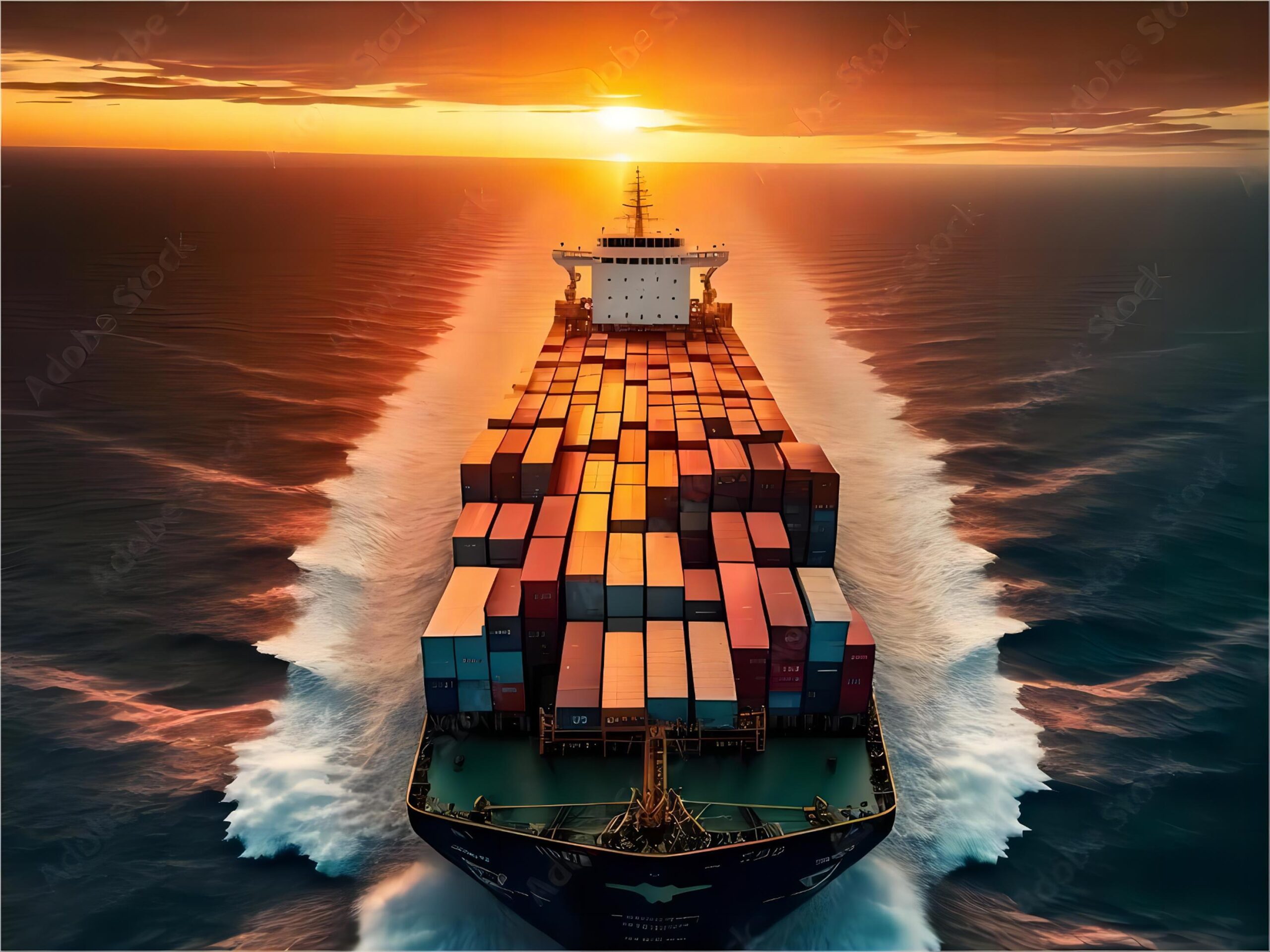
Navigating Future Logistics Challenges
To summarize, overcoming a container shipping delay China Europe requires a combination of early planning, mode diversification, and expert partnership. While the maritime industry continues to face volatility in 2026, those who leverage rail and air alternatives will maintain a significant competitive advantage. Always remember to factor in seasonal peaks and maintain a flexible logistics strategy.
By focusing on accurate documentation and choosing the right freight partners, you can minimize the impact of global disruptions. Stay informed on market trends and adjust your lead times accordingly to ensure your business thrives in the evolving trade landscape.
Ready to streamline your logistics?
Are you tired of dealing with an unexpected container shipping delay China Europe? Contact our logistics experts today to secure your space and get a competitive quote for your next shipment from China to Europe. Visit alichinafreight.com to start optimizing your supply chain now.
Request Quote