

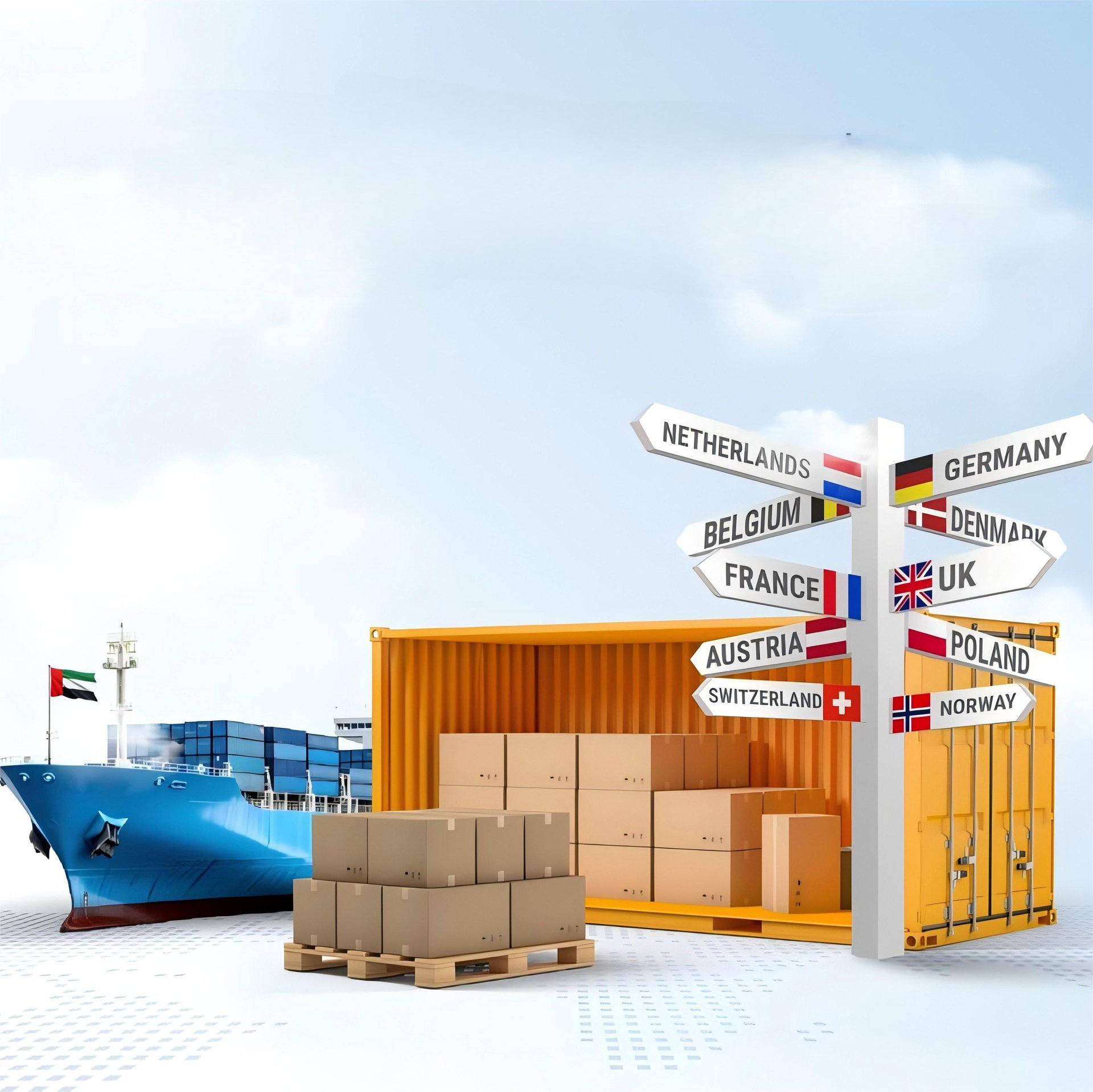
Container Stuck Customs China Europe: 2026 Release Guide
Navigating the complexities of international trade often leads to unexpected hurdles where a container stuck customs china europe becomes a significant bottleneck for businesses. At alichinafreight.com, we understand that every day your cargo spends in a holding area translates to lost revenue and mounting demurrage fees. This comprehensive guide provides actionable strategies to resolve customs delays and optimize your supply chain for the 2026 market landscape.
Why is your container stuck customs china europe in 2026?
Identifying the root cause of a delay is the first step toward a quick resolution. Frequently, customs officials flag shipments due to discrepancies in the commercial invoice or the packing list. Moreover, the implementation of stricter environmental regulations in 2026 has led to increased inspections of manufactured goods entering the European Union.
Incorrect Harmonized System (HS) codes remain a primary reason for a container stuck customs china europe. If the code does not match the physical goods, authorities may suspect tax evasion or safety violations. Consequently, the shipment is moved to a secondary inspection area, adding days or even weeks to the total transit time.
Valuation disputes also trigger significant delays in the current economic climate. Customs authorities often compare the declared value of goods against their internal databases to ensure accurate duty payments. Therefore, providing verifiable proof of payment and transparent pricing is essential for smooth clearance.
Common documentation errors leading to customs delays
Documentation serves as the backbone of international logistics, and even a minor typo can halt a multi-million dollar shipment. Specifically, the Bill of Lading must perfectly align with the information provided on the certificate of origin. Furthermore, missing technical data sheets for chemical or electronic products often results in an immediate hold by safety regulators.
Incomplete importer of record information frequently causes confusion at European arrival ports like Rotterdam or Hamburg. Since 2025, new digital reporting requirements demand precise VAT numbers and EORI registrations for all commercial entities. Accordingly, verifying these details before the vessel departs China is a critical preventative measure.
Additionally, the lack of a proper customs brokerage partner can leave importers struggling to communicate with foreign officials. Professional brokers act as intermediaries who speak the technical language of customs and can provide the necessary legal justifications for your cargo. Without this expertise, your container might remain stationary while storage costs accumulate.
How does sea freight compare to other shipping options?
Choosing the right transport mode significantly impacts the likelihood of your container getting stuck. While sea freight is the most cost-effective solution for large volumes, it is also the most susceptible to port congestion and labor strikes. Indeed, the sheer volume of containers handled at major hubs increases the statistical probability of a random inspection.
In contrast, rail freight offers a middle ground with faster transit times and often more streamlined border crossings through Central Asia. Many businesses are shifting to rail to avoid the volatile maritime routes around the Cape of Good Hope. Nevertheless, rail shipments must still clear EU customs at the first point of entry, requiring meticulous preparation.
Meanwhile, air freight remains the fastest but most expensive alternative for urgent cargo. For high-value electronics or seasonal fashion, the premium cost is often justified by the minimal risk of a container stuck customs china europe. However, even air cargo requires precise documentation to pass through airport customs facilities without incident.
| Shipping Method | Cost Range (2026) | Transit Time | Best For |
|---|---|---|---|
| Sea Freight (40HQ) | $3,000 – $4,200 | 30 – 40 Days | Bulk goods, low urgency |
| Rail Freight | $4,500 – $6,500 | 18 – 22 Days | Mid-value industrial parts |
| Air Freight | $15,000 – $25,000 | 5 – 8 Days | High-value, urgent items |
| Road Freight | $8,000 – $11,000 | 15 – 20 Days | Door-to-door flexibility |
Which option should you choose for China-Europe trade?
Determining the best shipping strategy requires a balance between budget constraints and delivery deadlines. If your primary goal is cost reduction, sea freight remains the undisputed leader for 2026 logistics. For shipments under 15 CBM, Less than Container Load (LCL) options provide flexibility without the cost of a full box.
Speed-oriented businesses should prioritize air or rail solutions to maintain lean inventory levels. For example, a delay of five days in a sea route can disrupt a just-in-time manufacturing line. Thus, paying a higher freight rate often prevents much larger losses in production downtime.
Hybrid solutions like sea-air combinations are gaining popularity as a way to mitigate risks. By shipping to a hub like Dubai by sea and then flying the goods to Europe, you can save 40 percent on costs compared to pure air freight. This strategy also provides an alternative entry point if major European seaports are experiencing heavy backlog.
Step-by-step guide to releasing a stuck container
First, immediately contact your freight forwarder to request the specific reason for the customs hold. Most authorities provide a status code that indicates whether the issue is related to paperwork, physical inspection, or unpaid duties. Once you have this code, you can begin gathering the necessary evidence to satisfy the query.
Second, review all submitted documents for discrepancies in weight, quantity, or description. If an error is found, submit a corrected manifest or an amended commercial invoice as quickly as possible. Furthermore, ensure that all duties and taxes are paid promptly, as customs will not release cargo until the financial obligations are met.
Third, if the hold persists, consider engaging a specialized legal consultant or an experienced customs broker. These professionals can file formal appeals or request expedited inspections based on the nature of the goods. Finally, keep your customers informed about the delay to manage expectations and maintain professional relationships.
Role of door to door services in customs clearance
Utilizing door to door services simplifies the entire import process by consolidating logistics under a single provider. This approach ensures that the entity handling the pickup in China is also responsible for the final delivery in Europe. Consequently, the flow of information is much smoother, reducing the risk of a container stuck customs china europe.
Integrated service providers often have established relationships with customs officials at both the origin and destination. They pre-clear shipments electronically while the vessel is still at sea, which often allows for immediate release upon arrival. Therefore, this proactive management is highly effective for businesses without their own dedicated logistics departments.
Additionally, door-to-door providers handle the complex ‘last mile’ delivery after the cargo clears customs. They manage the transition from the port to the warehouse, ensuring that no further delays occur during the trucking phase. For many SMEs, this comprehensive support is the most reliable way to navigate shipping from China to Europe.
Case Study 1: Resolving HS Code Discrepancies
Box Case Study 1: Electronics Release in Hamburg
Route: Shenzhen, China to Hamburg, Germany
Cargo: Smart Home Sensors, 18 CBM, 4,500 kg
Container: LCL Shipment
Shipping Details:
– Carrier: Major Ocean Carrier
– Port of Loading: Shenzhen
– Port of Discharge: Hamburg
– Route Type: Direct
Cost Breakdown:
– Ocean Freight: $1,450
– Origin Charges: $320
– Destination Charges: $450
– Customs & Duties: $2,100
– Total Landed Cost: $4,320
Timeline:
– Booking to Loading: 4 days
– Sea Transit: 34 days
– Customs Clearance: 12 days (delayed)
– Total Door-to-Door: 50 days
Key Insight: The container was stuck due to an incorrect HS code for lithium-ion components. By providing technical data sheets and a corrected invoice within 48 hours, the importer avoided an additional $2,000 in storage fees. Based on early 2026 market rates.
Case Study 2: Managing Amazon FBA Customs Holds
Box Case Study 2: Furniture Shipment to Rotterdam
Route: Ningbo, China to Rotterdam, Netherlands
Cargo: Office Chairs, 65 CBM
Container: 40HQ
Shipping Details:
– Carrier: COSCO
– Port of Loading: Ningbo
– Port of Discharge: Rotterdam
– Service: Amazon FBA
Cost Breakdown:
– Ocean Freight: $3,850
– Origin Charges: $280
– Destination Charges: $550
– Customs & Duties: $1,200
– Total Landed Cost: $5,880
Timeline:
– Booking to Loading: 5 days
– Sea Transit: 32 days
– Customs Clearance: 3 days
– Total Door-to-Door: 40 days
Key Insight: Successful clearance was achieved through pre-filing documentation 7 days before arrival. This proactive approach prevented a container stuck customs china europe scenario despite a high-volume peak season in Q4 2025.
Customs documentation checklist for 2026
Preparation is the most effective tool against customs delays. Ensuring you have a complete dossier of documents will prevent 90 percent of common holds. Use the following table as a reference for your next shipment from China to Europe.
Note: Freight rates are subject to change based on fuel costs, carrier capacity, and seasonal demand. Contact us for a current quote tailored to your specific shipment.
| Document Type | Required For | Key Information | Common Error |
|---|---|---|---|
| Commercial Invoice | All Shipments | Unit value, Currency, Incoterms | Undervaluation of goods |
| Packing List | All Shipments | Net/Gross weight, Dimensions | Weight discrepancy |
| Bill of Lading | All Shipments | Consignee details, Vessel name | Typo in company name |
| CE Certificate | Electronics/Toys | Safety compliance data | Expired certification |
Impact of 2026 logistics trends on China-Europe trade
As of early 2026, the logistics landscape is heavily influenced by digital transformation and green energy mandates. The European Union has introduced the ‘Single Window’ environment, which aims to centralize all customs data. While this should eventually speed up processes, the initial transition has caused temporary glitches and a container stuck customs china europe for some unprepared shippers.
Environmental surcharges are also becoming a standard part of freight quotes. Carriers are investing in LNG and methanol-powered vessels to comply with new carbon emission standards. Consequently, while shipping might become more sustainable, the complexity of reporting these emissions to customs authorities has increased.
Furthermore, geopolitical shifts continue to influence trade routes. Strategic partnerships between China and Eastern European nations are opening new entry points that bypass the traditional, congested Western ports. Shippers who remain flexible and explore these alternative gateways are less likely to experience prolonged customs delays.
Conclusion
To summarize, resolving a container stuck customs china europe requires a combination of meticulous documentation, proactive communication, and expert local knowledge. By understanding the common pitfalls of 2026 customs regulations, you can implement strategies that minimize risk and reduce unnecessary costs.
Whether you choose sea, rail, or air freight, the key to success lies in preparation and choosing the right logistics partner. Stay informed about market trends and always verify your HS codes and valuations before shipping. With the right approach, you can navigate the complexities of China-Europe trade with confidence and efficiency.
Ready to streamline your logistics?
Don’t let a container stuck customs china europe disrupt your business operations and drain your profits. Contact DSV-Freight today for a professional consultation and a competitive quote to ensure your cargo moves swiftly and securely across borders. Visit our website to learn more about our specialized customs solutions.
Request Quote