

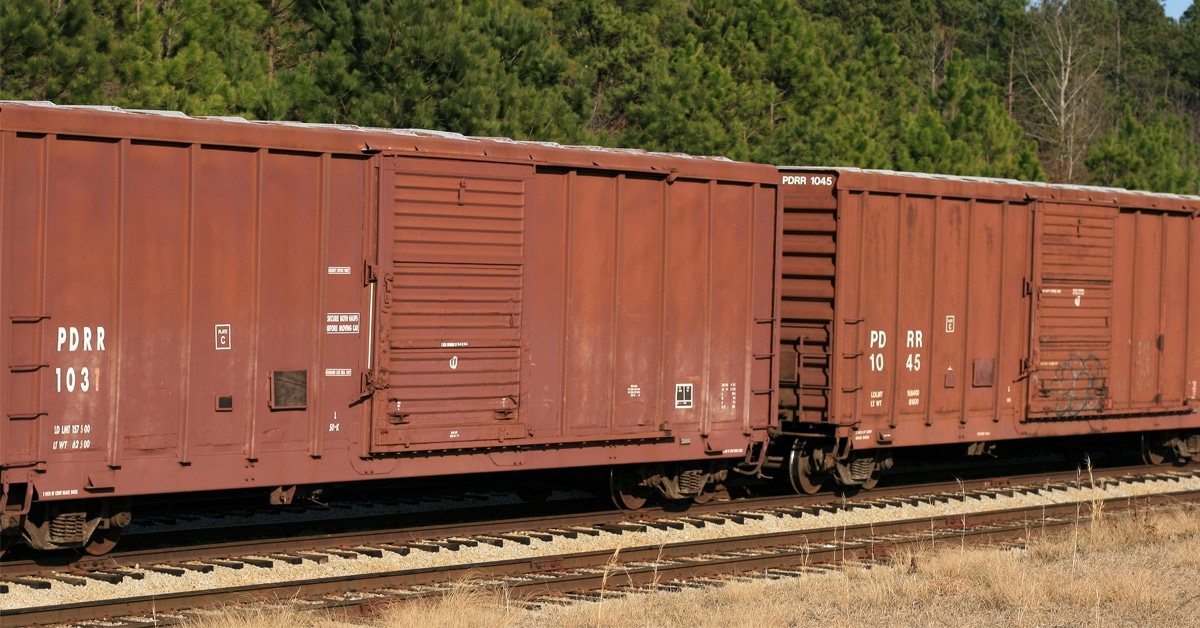
Cross border railway freight documentation service helps importers and exporters avoid customs delays, documentation errors, and compliance risks during international rail transportation. As global rail trade continues to expand, accurate paperwork has become essential for ensuring smooth border clearance and predictable delivery schedules.
Meanwhile, different countries maintain different customs requirements. Therefore, businesses must prepare shipping documents carefully before cargo departs. This guide explains the required paperwork, common challenges, and practical solutions that support successful cross-border rail freight operations.

What Is a Cross Border Railway Freight Documentation Service?
A cross border railway freight documentation service helps businesses prepare, review, verify, and manage all paperwork required for international rail transportation.
In addition, documentation specialists coordinate information between exporters, importers, customs brokers, railway operators, and government authorities. As a result, businesses can reduce errors before shipments reach customs checkpoints.
Typical services include:
- Commercial invoice preparation
- Packing list verification
- Customs declaration support
- Railway consignment note processing
- HS code validation
- Certificate management
- Transit documentation preparation
- Customs compliance review
Key Benefits
| Benefit | Operational Impact |
|---|---|
| Reduced customs delays | Faster border clearance |
| Improved compliance | Lower penalty risk |
| Better shipment visibility | Improved planning |
| Accurate declarations | Fewer inspections |
| Faster processing | Enhanced delivery performance |
Furthermore, professional documentation support reduces administrative burdens. As a result, companies can focus on business growth rather than paperwork management.
Why Does Railway Freight Require Specialized Documentation?
Unlike domestic transportation, international railway freight crosses multiple customs territories. Therefore, documentation must satisfy the requirements of several authorities throughout the journey.
Furthermore, customs agencies review shipment information before cargo reaches its destination. If inconsistencies appear, inspections or cargo holds may occur immediately.
Common documentation challenges include:
| Challenge | Potential Result |
| Incorrect HS code | Customs inspection |
| Missing certificate | Cargo hold |
| Incomplete invoice | Additional review |
| Translation errors | Clearance delays |
| Data inconsistencies | Border rejection |
In addition, railway operators often require documentation before loading. Consequently, paperwork errors may delay departure as well as arrival.
Professional documentation teams continuously monitor regulatory changes. Likewise, they review paperwork before submission. Therefore, businesses can reduce compliance risks and improve shipment predictability.
What Documents Are Required for Cross Border Railway Freight Documentation Service?
Documentation requirements vary by destination and cargo type. Nevertheless, several documents are required for nearly every international rail shipment.
Essential Railway Freight Documents
| Document | Purpose |
| Commercial Invoice | Cargo value declaration |
| Packing List | Product and package details |
| Railway Consignment Note | Transport contract |
| Customs Declaration | Import and export approval |
| Certificate of Origin | Trade compliance verification |
| Insurance Certificate | Cargo protection |
| Transit Declaration | Border crossing authorization |
| Export License | Regulated goods approval |
Additional requirements may apply depending on the commodity being transported.
| Cargo Type | Additional Documentation |
| Food Products | Health certificates |
| Chemicals | Safety data sheets |
| Electronics | Compliance certificates |
| Medical Equipment | Regulatory approvals |
| Dangerous Goods | Hazard declarations |
Before shipment departure, businesses should verify product descriptions, HS codes, consignee details, cargo values, and customs declarations. Consequently, they can reduce documentation-related delays later in the transportation process.
How Can Proper Documentation Prevent Customs Delays?
Customs delays remain one of the most common causes of rail freight disruption. Nevertheless, most delays are avoidable when documentation is reviewed thoroughly before departure.
Common Causes of Customs Holds
| Cause | Risk Level |
|---|---|
| HS code mismatch | High |
| Missing declaration | High |
| Incorrect cargo value | Critical |
| Incomplete consignee details | Medium |
| Missing certificates | High |
To reduce these risks, companies should:
- Verify shipment information early.
- Confirm consignee and shipper details.
- Validate HS codes carefully.
- Keep all documents consistent.
- Submit customs paperwork in advance.
- Review destination-specific regulations.
For example, an incorrect product description may trigger customs scrutiny. Similarly, inconsistent invoice values often lead to additional inspections. Furthermore, digital document management systems reduce manual entry errors. As a result, customs authorities can process shipments more efficiently.
Consequently, businesses experience fewer delays, lower storage costs, and more predictable delivery schedules.

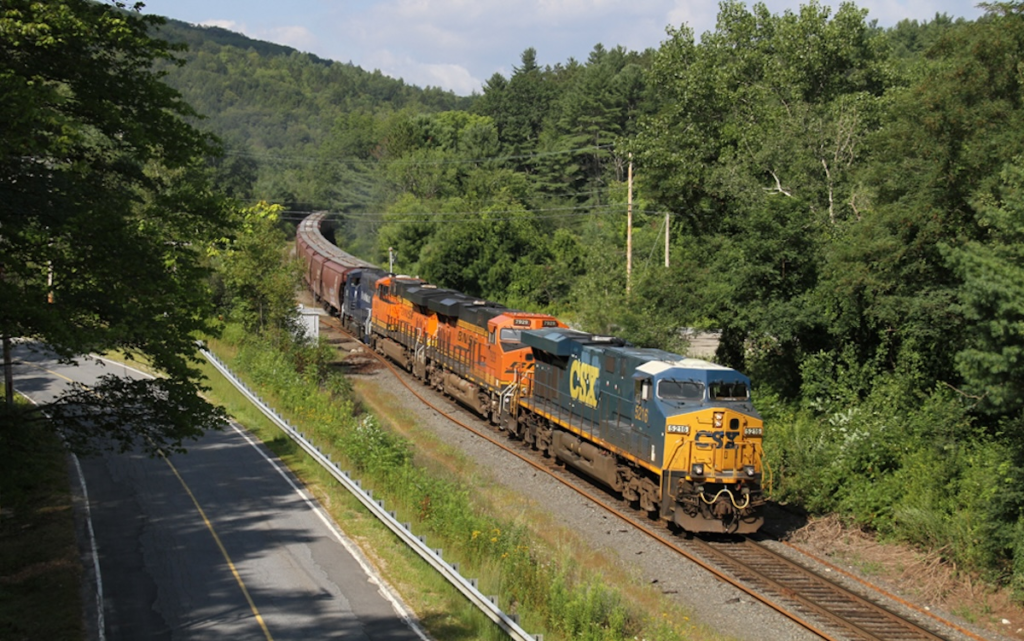
How Does Cross Border Railway Freight Documentation Service Support China-Europe Rail Transport?
China-Europe railway services have become increasingly popular because they balance speed and cost.
While air freight offers the fastest transit, it remains expensive. Meanwhile, ocean freight provides lower costs but requires significantly longer transit times.
Transit Time Comparison
| Transport Mode | Transit Time | Relative Cost |
|---|---|---|
| Air Freight | 3–7 Days | Very High |
| Rail Freight | 15–25 Days | Medium |
| Ocean Freight | 30–50 Days | Low |
Typical Documentation Workflow
| Stage | Documentation Activity |
|---|---|
| Export Preparation | Invoice and packing list creation |
| Export Customs | Declaration filing |
| Rail Departure | Consignment note issuance |
| Border Transit | Transit document validation |
| Import Customs | Clearance processing |
| Final Delivery | Cargo release documentation |
Moreover, rail freight offers greater predictability than ocean shipping during periods of port congestion. Therefore, accurate documentation becomes a critical factor in maintaining efficient cargo movement across Europe and Asia.
Case Study: Successful Cross Border Railway Freight Documentation Service
Case Card 1
| Item | Details |
|---|---|
| Origin | Xi’an, China |
| Destination | Duisburg, Germany |
| Cargo | Consumer Electronics |
| Transit Time | 18 Days |
| Cost | Approx. USD 6,800 |
| Transportation Method | China-Europe Railway Freight |
| Customs Clearance Details | HS code validation and advance declaration review |
| Brief Overview | Documentation specialists identified invoice inconsistencies before departure. As a result, customs clearance was completed without inspection delays. |
Case Card 2
| Item | Details |
|---|---|
| Origin | Chengdu, China |
| Destination | Warsaw, Poland |
| Cargo | Automotive Components |
| Transit Time | 16 Days |
| Cost | Approx. USD 5,900 |
| Transportation Method | International Rail Freight |
| Customs Clearance Details | Certificate of origin verification and transit document preparation |
| Brief Overview | Early document review prevented border processing issues. Consequently, cargo moved through multiple customs checkpoints without disruption. |
Case Card 3
| Item | Details |
|---|---|
| Origin | Chongqing, China |
| Destination | Budapest, Hungary |
| Cargo | Industrial Machinery Parts |
| Transit Time | 20 Days |
| Cost | Approx. USD 7,200 |
| Transportation Method | Rail + Truck Delivery |
| Customs Clearance Details | Advance customs filing and compliance audit |
| Brief Overview | The shipper corrected declaration discrepancies before loading. Therefore, the cargo arrived without clearance delays or additional inspections. |
Should You Outsource Railway Freight Documentation Management?
Managing documentation internally may appear cost-effective. However, increasing shipment volumes often create additional compliance challenges.
In-House vs Professional Documentation Service
| Factor | In-House Team | Professional Service |
|---|---|---|
| Compliance Expertise | Medium | High |
| Customs Knowledge | Variable | Extensive |
| Error Risk | Higher | Lower |
| Processing Speed | Moderate | Faster |
| Scalability | Limited | Flexible |
Furthermore, professional providers monitor customs regulation updates continuously. As a result, businesses remain compliant even when requirements change.
Likewise, experienced documentation specialists maintain strong relationships with customs brokers and railway operators. Consequently, documentation issues can often be resolved more quickly than with internal resources alone.
How to Choose the Right Cross Border Railway Freight Documentation Service?
Selecting the right provider can significantly improve customs performance and shipment reliability.
Questions to Ask Providers
Before making a decision, consider the following questions:
- How many international rail shipments do you manage annually?
- Do you provide customs compliance audits?
- Can you support multiple transit countries?
- What digital documentation systems do you use?
- How do you handle urgent customs requests?
You should also evaluate key selection criteria:
| Criteria | Importance |
| Railway freight expertise | High |
| Customs compliance knowledge | High |
| Multi-country experience | High |
| Digital documentation capability | Medium |
| Customs broker network | High |
| Response speed | Medium |
| Industry specialization | Medium |
Additionally, request examples of previous railway freight projects. Similarly, review experience with specialized cargo categories. Most importantly, choose a provider that identifies compliance risks before shipments depart.
Conclusion
A professional cross border railway freight documentation service helps businesses reduce customs risks, improve regulatory compliance, and accelerate international cargo movement. Moreover, accurate paperwork minimizes inspections, prevents border delays, and improves supply chain reliability.
Furthermore, effective documentation management supports smoother transportation across multiple countries and customs jurisdictions. In addition, proactive compliance reviews help businesses avoid unexpected penalties and operational disruptions.
Therefore, companies that invest in expert railway freight documentation services can achieve greater efficiency, lower costs, and more predictable delivery performance. Consequently, documentation accuracy remains one of the most important factors in successful cross-border railway transportation.
- Consult Ali China Freight Forwarding for the lowest quote. They will provide you with reliable, cost-effective service.
FAQs
Q1.How much does a cross border railway freight documentation service cost?
Costs vary depending on cargo type, destination, and documentation complexity. Generally, more regulated products require additional paperwork and compliance reviews. Therefore, service fees can differ significantly between shipments.
Q2.How long does documentation preparation take?
Most railway shipping document checklist requirements can be completed within one to three business days. However, regulated cargo may require additional approvals. Consequently, preparation times can be longer.
Q3.What documents are essential for international railway shipping?
The most important documents include the commercial invoice, packing list, customs declaration, railway consignment note, and certificate of origin. Together, these documents support efficient customs clearance.
Q4.Can documentation errors trigger customs inspections?
Yes. Incorrect HS codes, inconsistent cargo values, or missing declarations frequently trigger customs reviews. Therefore, rail cargo customs compliance management is essential for reducing shipment risks.
Q5.ow can businesses reduce customs clearance risks?
Businesses should verify shipment information early, maintain document consistency, and work with experienced providers. Additionally, proactive compliance reviews can identify issues before cargo departs.
Q6.What should companies consider when choosing a documentation provider?
Look for railway freight expertise, customs compliance knowledge, digital documentation capabilities, and experience with international rail cargo compliance service requirements. Furthermore, evaluate responsiveness and industry specialization.