

- By Jaxin
- July 17, 2026
- Amazon FBA
Cross dock warehouse solution for railway freight shipments is becoming an increasingly popular strategy for businesses seeking faster and more efficient cargo distribution. Traditional warehousing often requires goods to be stored for days or weeks before delivery. However, many rail freight shipments do not require long-term storage and can move directly to outbound transportation.
For importers, distributors, and retailers, excessive warehouse handling can increase costs and delay deliveries. Moreover, growing customer expectations for shorter lead times have made supply chain efficiency more important than ever.
Fortunately, cross docking provides a practical solution. By transferring cargo directly from inbound rail shipments to outbound trucks or distribution networks, businesses can reduce storage requirements, improve delivery speed, and optimize inventory flow.

Why Cross Dock Warehouse Solution for Railway Freight Shipments Matters
Cross docking minimizes the amount of time cargo spends inside a warehouse. Therefore, products move through the supply chain faster and more efficiently.
Businesses commonly use cross docking when:
- Inventory turnover is high
- Delivery schedules are time-sensitive
- Multiple destinations require distribution
- Storage costs need to be reduced
- Products do not require long-term warehousing
| Traditional Warehousing | Cross Docking |
|---|---|
| Long Storage Periods | Minimal Storage Time |
| Higher Inventory Costs | Lower Inventory Costs |
| Multiple Handling Steps | Fewer Handling Steps |
| Slower Distribution | Faster Distribution |
| Larger Warehouse Space Required | Reduced Space Requirements |
Furthermore, cross docking helps businesses respond more quickly to customer demand while reducing inventory carrying costs.
How Cross Dock Warehouse Solutions Improve Railway Freight Efficiency
Cross docking streamlines cargo movement immediately after rail freight arrival.
Faster Cargo Flow
Instead of placing products into storage, cargo is sorted and prepared for outbound transportation. Consequently, delivery lead times are reduced.
Lower Inventory Holding Costs
Cross docking minimizes the need for long-term warehousing. Therefore, businesses can lower storage expenses and improve working capital utilization.
Improved Distribution Performance
Products can be consolidated and redirected to multiple destinations more efficiently. As a result, transportation networks operate more effectively.
| Performance Area | Traditional Warehouse | Cross Dock Facility |
|---|---|---|
| Storage Duration | Days or Weeks | Hours or Days |
| Inventory Cost | Higher | Lower |
| Delivery Speed | Standard | Faster |
| Warehouse Handling | Multiple Touchpoints | Reduced Touchpoints |
| Distribution Efficiency | Moderate | High |
Consequently, cross docking often becomes an important component of modern rail freight logistics strategies.
Which Railway Freight Cargo Is Suitable for Cross Dock Warehouse Solutions
Not every shipment benefits from cross docking. However, many cargo categories are well suited for this approach.
| Cargo Type | Cross Dock Suitability |
|---|---|
| Consumer Electronics | High |
| Retail Inventory | High |
| Home Appliances | High |
| Automotive Parts | High |
| Packaged Food | Medium |
| Industrial Components | High |
| Seasonal Products | High |
Fast-Moving Inventory
Products with predictable demand often benefit most from cross docking. Therefore, businesses can reduce storage requirements significantly.
Multi-Destination Shipments
Cross docking is particularly useful when cargo must be distributed to multiple customers or regions.
Time-Sensitive Products
Companies handling promotional inventory or seasonal products often use cross docking to accelerate deliveries.
Moreover, businesses should evaluate demand patterns before implementing a cross dock strategy.

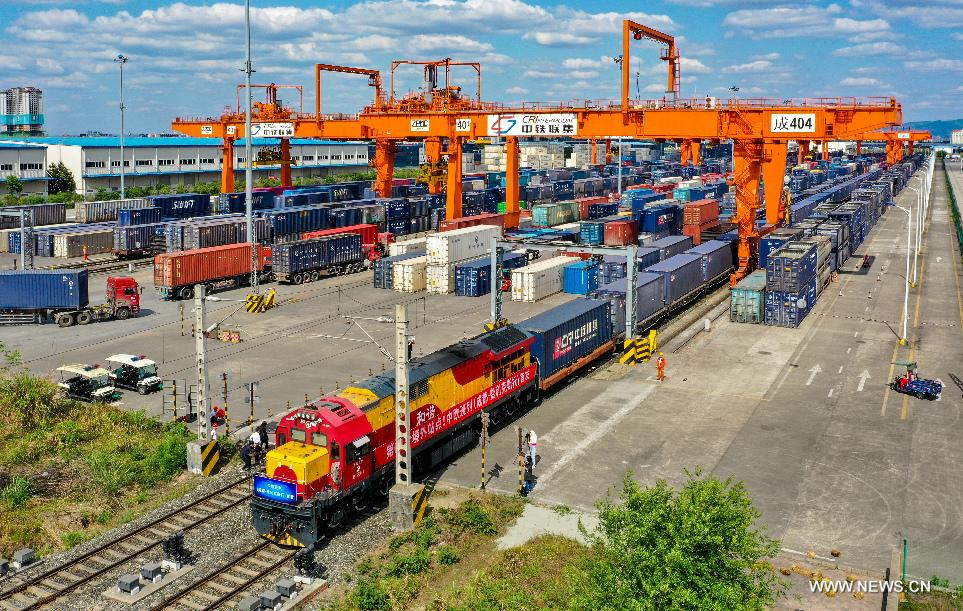
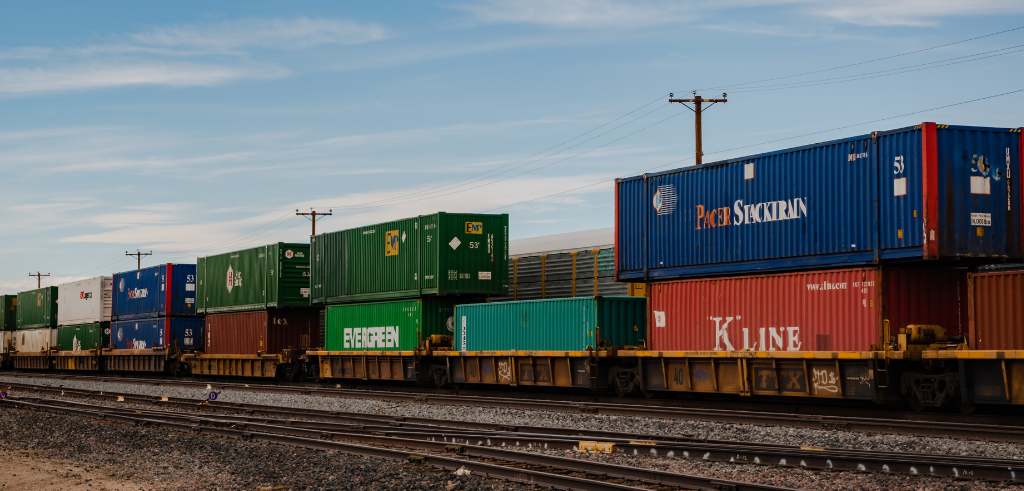
Case Study: Cross Dock Warehouse Solution for Railway Freight Shipments
🏠 Home Appliance Distribution Across France
📍 Route: Suzhou, China → Lyon, France
📦 Cargo: Small Home Appliances
⏱️ Transit Time: 18 Days Rail Transit + 24 Hours Cross Dock Processing
💰 Cost Saving: 27% Lower Warehouse Costs
🚄 Mode: Rail Freight + Regional Truck Distribution
🛃 Cross Dock Solution: Immediate Sorting and Multi-Destination Dispatch
✅ Outcome: Delivery Time Reduced by 3 Days
Overview:
The importer needed to distribute products to multiple retail locations across France. Therefore, cargo was transferred directly from inbound rail containers to outbound delivery vehicles. As a result, warehouse storage costs were reduced and delivery speed improved.
🖥️ Consumer Electronics Fulfillment in Germany
📍 Route: Chengdu, China → Hamburg, Germany
📦 Cargo: Consumer Electronics Accessories
⏱️ Transit Time: 17 Days Rail Transit + 12 Hours Cross Dock Processing
💰 Cost Saving: 31% Lower Inventory Handling Costs
🚄 Mode: China-Europe Rail Freight
🛃 Cross Dock Solution: Consolidated Retail Distribution Program
✅ Outcome: Faster Store Replenishment
Overview:
The retailer required rapid inventory movement to multiple stores. Consequently, cross docking enabled direct shipment allocation without long-term warehouse storage, improving stock availability across the network.
🚚 Automotive Parts Distribution for Central Europe
📍 Route: Wuhan, China → Prague, Czech Republic
📦 Cargo: Automotive Components
⏱️ Transit Time: 19 Days Rail Transit + 18 Hours Cross Dock Processing
💰 Cost Saving: 24% Lower Distribution Costs
🚄 Mode: Rail Freight + Trucking Network
🛃 Cross Dock Solution: Route-Based Cargo Consolidation
✅ Outcome: Improved Delivery Accuracy to Regional Customers
Overview:
The supplier served customers across several Central European markets. However, traditional warehousing created delays. Therefore, cross docking streamlined cargo transfers and improved distribution performance.
How to Implement a Cross Dock Warehouse Solution After Rail Freight Arrival
Successful cross docking requires careful planning and coordination.
Forecast Delivery Requirements
Businesses should understand customer demand before cargo arrives. Consequently, outbound transportation can be scheduled efficiently.
Coordinate Transportation Networks
Inbound rail schedules and outbound truck schedules must align closely. Therefore, communication between logistics partners is critical.
Use Real-Time Inventory Visibility
Warehouse management systems help track cargo throughout the cross docking process.
Recommended implementation steps:
| Process Stage | Key Action |
|---|---|
| Shipment Planning | Forecast customer demand |
| Rail Arrival Coordination | Schedule inbound handling |
| Cargo Sorting | Allocate products by destination |
| Outbound Scheduling | Coordinate trucking capacity |
| Delivery Execution | Dispatch cargo efficiently |
Furthermore, strong operational visibility helps prevent delays and bottlenecks.
What Risks Can Cross Dock Warehouse Solutions Reduce for Railway Freight Shipments
Cross docking can reduce several common logistics challenges.
Inventory Risks
Excess inventory often increases storage costs and capital requirements. Therefore, minimizing storage duration improves efficiency.
Distribution Risks
Traditional warehousing can delay deliveries. Consequently, cross docking accelerates cargo movement through the supply chain.
Cost Risks
Warehouse handling and storage fees can accumulate quickly. Meanwhile, cross docking reduces unnecessary inventory-related expenses.
| Risk Category | Potential Impact | Cross Dock Solution |
|---|---|---|
| Excess Inventory | Higher Costs | Faster Cargo Flow |
| Delivery Delays | Customer Dissatisfaction | Direct Distribution |
| Warehouse Congestion | Operational Inefficiency | Reduced Storage Time |
| Inventory Obsolescence | Financial Loss | Rapid Turnover |
| Handling Errors | Shipment Issues | Fewer Touchpoints |
As a result, businesses can improve both operational efficiency and cost control.
How to Choose a Cross Dock Warehouse Partner for Railway Freight Shipments
The right logistics partner plays a significant role in cross dock success.
Evaluate Facility Location
Cross dock facilities near rail terminals often provide the greatest efficiency advantages.
Review Technology Systems
Modern facilities should offer:
- Real-time shipment visibility
- Warehouse management systems
- Transportation coordination tools
- Digital reporting
Assess Distribution Capabilities
Cross docking depends heavily on outbound transportation performance. Therefore, providers should offer strong trucking and regional distribution networks.
Consider Scalability
Business requirements can change rapidly. Consequently, facilities should accommodate seasonal peaks and fluctuating shipment volumes.
| Selection Factor | Importance |
|---|---|
| Rail Terminal Access | High |
| Distribution Network | High |
| Technology Platform | High |
| Processing Speed | High |
| Scalability | Medium |
Ultimately, choosing an experienced cross dock provider helps maximize the benefits of rail freight distribution.
Conclusion
Cross dock warehouse solution for railway freight shipments provides a powerful way to accelerate cargo movement, reduce storage costs, and improve supply chain efficiency. By minimizing warehouse dwell time and supporting rapid distribution, cross docking enables businesses to respond faster to customer demand while optimizing logistics performance.
Moreover, cross docking reduces inventory carrying costs, improves delivery speed, and enhances operational flexibility. Therefore, companies utilizing international rail freight should consider cross dock warehouse solutions as part of a modern distribution strategy.
Need faster distribution after rail freight arrival? Our team provides cross dock warehouse solutions for railway freight shipments, helping businesses reduce storage costs, streamline cargo transfers, and improve final delivery performance across Europe and global markets.
FAQ:
Q1.What is a cross dock warehouse solution for railway freight shipments?
Cross docking is a logistics process where cargo is transferred directly from inbound rail shipments to outbound transportation with minimal or no long-term storage.
Q2.How does cross docking reduce logistics costs?
By reducing storage time, warehouse handling, and inventory carrying costs, cross docking helps improve overall supply chain efficiency and lower operating expenses.
Q3.Which products are best suited for cross docking?
Consumer electronics, retail inventory, home appliances, automotive parts, industrial components, and seasonal products are commonly handled through cross dock facilities.
Q4.Can cross docking improve delivery speed?
Yes. Cargo moves directly from inbound transportation to outbound distribution networks, significantly reducing warehouse dwell time and accelerating deliveries.
Q5.Is cross docking suitable for multi-destination shipments?
Absolutely. Cross dock facilities are often used to sort and consolidate products for distribution to multiple customers or regional markets.