


Customs Clearance Failure China Shipping: 2026 Expert Guide
Navigating international trade requires precision and deep knowledge of global regulations. Many importers face a customs clearance failure china shipping due to simple documentation errors or compliance oversights. Visit alichinafreight.com to streamline your supply chain and avoid these costly delays. Our team specializes in managing complex logistics to ensure your cargo reaches its destination without interruption.

What is Customs Clearance Failure China Shipping?
This term refers to any instance where a shipment is held, rejected, or delayed by customs authorities during the import or export process. Consequently, businesses often face unexpected storage fees and broken delivery schedules that impact their bottom line.
Understanding the root causes is essential for any successful import operation in 2026. Specifically, most failures occur during the document verification phase or physical inspection of the cargo.
Importers must realize that customs officials prioritize security and tax compliance above all else. Therefore, any discrepancy in your paperwork can trigger a full audit of your shipment.
Common Causes of Customs Clearance Failure China Shipping
Incorrect HS code classification remains a leading cause of delays in the current market. As a result, authorities may suspect tax evasion or misrepresentation of goods, leading to heavy fines.
Missing or incomplete documentation often stops a shipment in its tracks before it even leaves the port. Furthermore, hiring a professional customs brokerage service can mitigate these risks significantly.
Prohibited or restricted items frequently cause immediate seizure of cargo. For instance, shipping lithium batteries without proper certification is a major red flag for inspectors in 2026.
Undervaluation of goods is another critical mistake that attracts unwanted attention. Meanwhile, customs agencies use advanced AI tools to compare declared values against global market benchmarks.
Essential Documentation for Import Success
Accurate paperwork serves as the backbone of the entire shipping process. Indeed, the commercial invoice must clearly state the buyer, seller, and a detailed description of the goods.
The bill of lading acts as a title document and a contract of carriage. Additionally, a detailed packing list helps customs officers verify the contents of each container during a random inspection.
Certificates of origin are often required to determine eligibility for trade agreements. Consequently, providing these documents upfront can save days of transit time.
| Document Name | Required By | Key Purpose | Risk Level |
|---|---|---|---|
| Commercial Invoice | All Customs | Value Declaration | Critical |
| Packing List | Port Authority | Cargo Verification | High |
| Bill of Lading | Carrier/Customs | Legal Title | Critical |
| HS Code List | Tax Authority | Duty Calculation | High |
How Does Customs Clearance Compare to Other Shipping Options?
Choosing the right transport mode influences how customs authorities perceive your shipment. While sea freight is more economical for bulk goods, it often involves more rigorous container inspections.
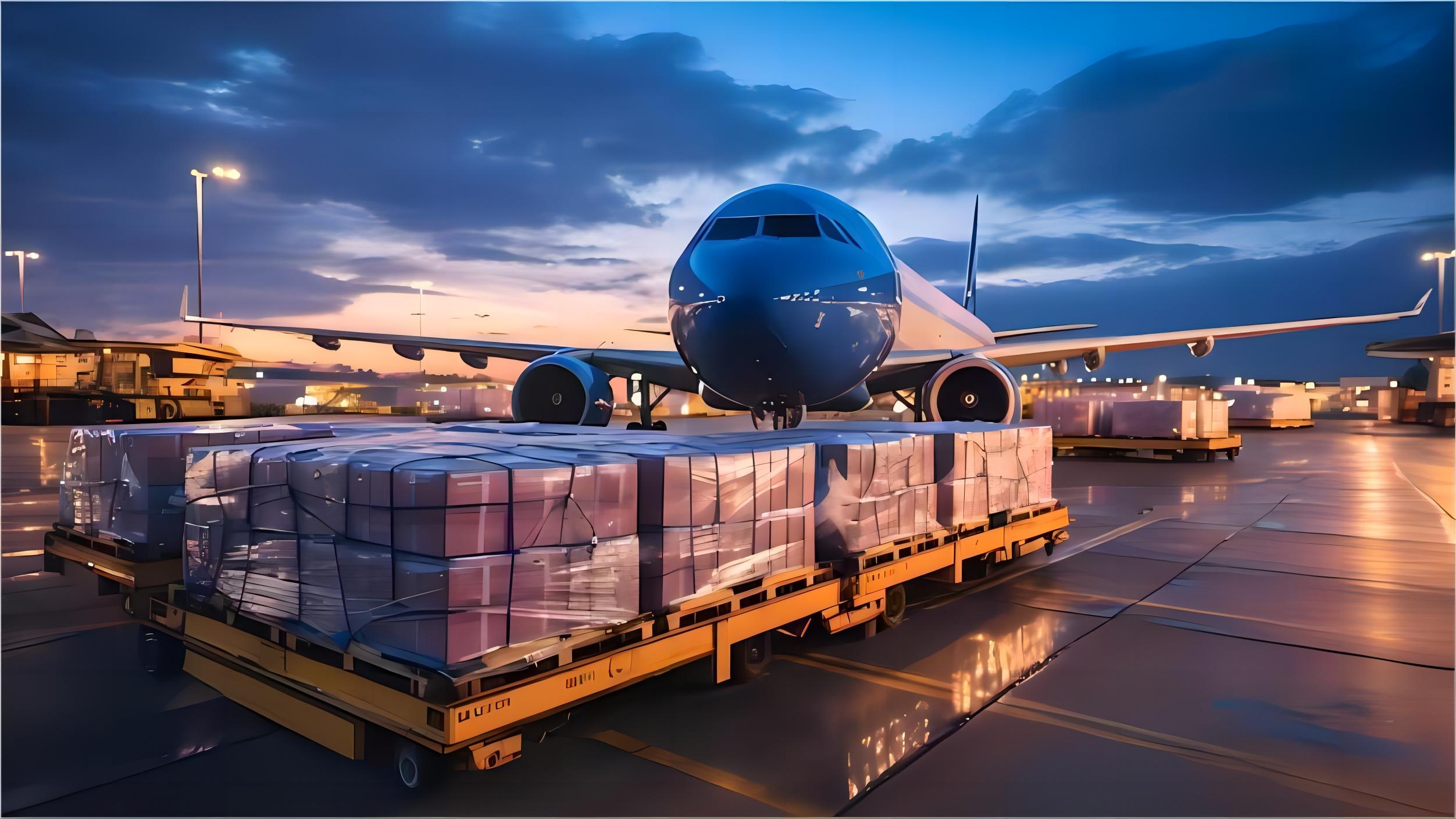
Air freight typically experiences faster clearance times due to the urgent nature of the cargo. However, the costs are substantially higher compared to ocean or rail alternatives.
Rail freight has become a popular middle ground for shipments to Europe in 2026. Nevertheless, border crossings between multiple countries can add layers of customs complexity.
| Method | Cost Range | Transit Time | Best For |
|---|---|---|---|
| Sea Freight | $2,000 – $4,500 | 25 – 40 Days | Bulk Cargo |
| Air Freight | $5,000 – $15,000 | 3 – 7 Days | High Value |
| Rail Freight | $3,000 – $6,000 | 15 – 22 Days | Mid-size Goods |
| Express | $200 – $1,000 | 2 – 5 Days | Samples |
Which Option Should You Choose?
Budget priority dictates a shift toward ocean transport despite the longer lead times. If your margins are tight, air freight might not be viable for standard inventory replenishment.
Speed priority is essential for seasonal products or time-sensitive contracts. Without a doubt, the extra cost of express shipping is justified when facing strict retail deadlines.
Cargo type considerations often force specific logistics choices. For example, hazardous materials require specialized handling that only certain sea carriers provide in 2026.
Volume thresholds play a role in deciding between FCL and LCL shipments. In addition, smaller volumes may benefit from consolidated shipping to reduce individual customs entry fees.
Real-World Case Studies
Case Study 1: Electronics Import to USA West Coast. This shipment faced a potential customs clearance failure china shipping due to an incorrect battery certification.
Origin: Shenzhen, China to Los Angeles, USA. Cargo: Consumer Electronics, 15 CBM, 4,500 kg. Container: 20GP. Carrier: COSCO. Port of Loading: Shenzhen. Port of Discharge: Los Angeles. Total Landed Cost: $3,250. Transit: 18 days. Key Insight: Early intervention by our broker resolved the document error within 24 hours.
Case Study 2: Industrial Parts to Germany. This case demonstrates the efficiency of rail routes when paperwork is perfect.
Origin: Shanghai, China to Hamburg, Germany. Cargo: Machine Parts, 40HQ. Shipping Method: Rail Freight. Carrier: China-Europe Railway Express. Ocean Freight: $4,200. Timeline: 22 days. Customs Clearance: 2 days. Key Insight: Proper HS coding ensured zero delays at the Polish border.
How to Prevent Customs Clearance Failure China Shipping
Early preparation is the most effective strategy to avoid logistics bottlenecks. Specifically, you should verify all supplier documents at least one week before the cargo leaves the warehouse.
Utilizing a door to door service simplifies the entire chain by placing responsibility on a single provider. This approach reduces the chance of communication gaps between different agents.
Regular audits of your supply chain help identify recurring issues with specific vendors. Moreover, staying updated on 2026 trade regulations ensures your business remains compliant with evolving laws.
Note: Freight rates are subject to change based on fuel costs, carrier capacity, and seasonal demand. Contact us for a current quote tailored to your specific shipment.
Future Trends in 2026 Logistics
Digital customs platforms are now standard across major Chinese ports. Consequently, importers who use integrated express service options benefit from automated data filing.
Green logistics initiatives are influencing how customs duties are calculated for carbon-heavy shipments. Furthermore, choosing eco-friendly carriers may provide tax incentives in certain European jurisdictions.
Smart contracts and blockchain technology are increasing transparency in the shipping industry. As a result, the likelihood of document fraud is decreasing, though inspection standards remain high.
Final Thoughts on Customs Success
Successfully managing a customs clearance failure china shipping requires a proactive mindset and attention to detail. By focusing on accurate documentation and choosing the right shipping partners, you can minimize risks and protect your profit margins.
Remember that the global trade environment in 2026 is more data-driven than ever before. Therefore, leveraging professional expertise is no longer optional for businesses that want to scale internationally.
To summarize, treat customs compliance as a core part of your business strategy rather than an afterthought. This focus will ensure your shipments arrive on time, every time.

Need a tailored shipping solution?
Avoid the stress of a customs clearance failure china shipping by partnering with experts who understand the 2026 market. Our team provides comprehensive support to ensure your cargo moves swiftly across borders. Contact us today for a personalized quote and let us handle your complex logistics needs. Send Inquiry: Visit our contact page to get started.