

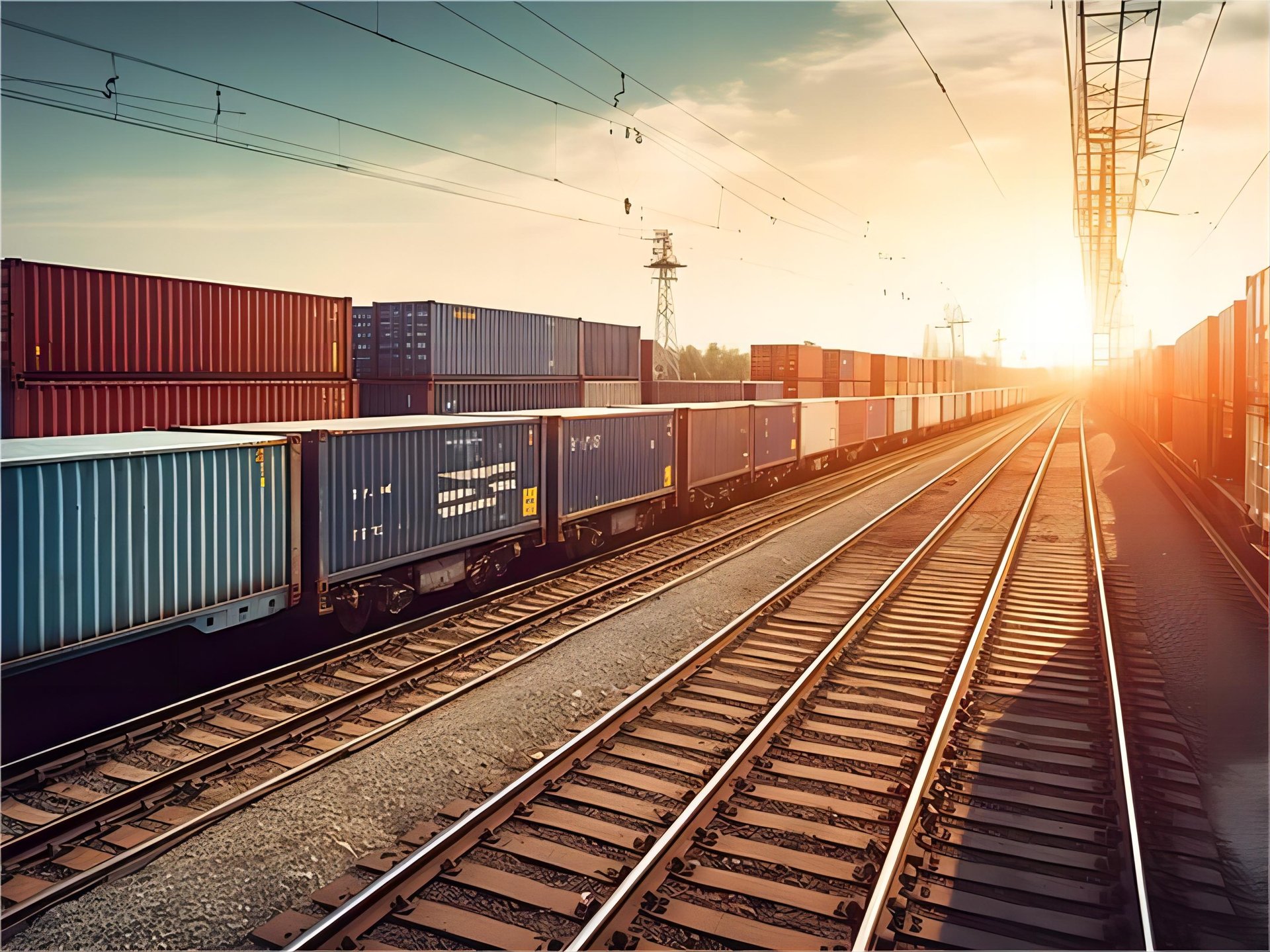
- By Jaxin
- August 14, 2026
- Amazon FBA
When customs selects a rail shipment for inspection, importers can face unexpected delays, terminal charges, and delivery disruptions. Moreover, international rail cargo often follows fixed schedules, so a customs inspection can affect subsequent rail connections and final-mile delivery.
Effective customs inspection handling for rail shipments helps importers coordinate documents, customs brokers, railway operators, terminals, and inspection requirements without creating unnecessary delays. Therefore, this guide explains what happens during a rail cargo inspection, how logistics providers handle the process, and how importers can reduce inspection-related risks.

Why Does Customs Inspect Rail Shipments?
Customs authorities inspect shipments to verify that the declared cargo matches the actual goods and that the shipment complies with import regulations. However, an inspection does not necessarily mean customs has identified wrongdoing.
Authorities may select cargo because of routine risk-control procedures, product type, origin, declared value, documentation discrepancies, or other risk indicators.
Common Reasons for Inspection
| Inspection Trigger | What Customs May Check | Potential Impact |
|---|---|---|
| HS code concern | Product classification | Reclassification or duty adjustment |
| Value concern | Declared transaction value | Additional evidence required |
| Document discrepancy | Invoice, packing list, declaration | Clearance delay |
| Product compliance | Certificates or permits | Additional documentation |
| Random inspection | Physical cargo | Additional handling time |
| Cargo description | Actual goods vs. declaration | Customs questioning |
| Regulatory controls | Restricted or regulated goods | Permit or compliance review |
Furthermore, rail shipments can involve multiple customs points, particularly on international corridors. Therefore, importers should prepare documentation before the cargo reaches the relevant border or destination terminal.
An experienced logistics provider can also monitor customs status and coordinate with the railway operator when an inspection affects the original transportation schedule.
How Does Customs Inspection Handling for Rail Shipments Work?
The inspection process normally starts when customs places the shipment under examination. At that point, the customs broker or logistics provider should confirm the inspection requirement and determine what customs needs from the importer.
Step 1: Confirm the Inspection Notice
First, the logistics team should confirm why customs selected the shipment and what type of inspection will occur. The requirement may involve document verification, non-intrusive scanning, physical examination, or product-specific checks.
Step 2: Prepare Supporting Documents
Next, the importer should provide accurate supporting information. Typical documents include the commercial invoice, packing list, product specifications, HS code information, certificates, and transport documents.
Step 3: Coordinate the Physical Inspection
If customs requires physical examination, the logistics provider should coordinate with the railway terminal, customs broker, and relevant handling team. This coordination helps ensure that the container or cargo reaches the inspection area correctly.
Step 4: Respond to Customs Questions
If inspectors identify discrepancies, the importer or broker should provide clarification and supporting evidence. Therefore, the logistics provider should maintain a clear communication channel throughout the inspection.
Step 5: Arrange Cargo Release
Once customs completes the inspection and accepts the declaration, the logistics team should confirm release status and coordinate the next railway or trucking movement.
| Inspection Stage | Main Responsibility | Importer Action |
| Inspection notice | Broker / logistics provider | Confirm shipment details |
| Document review | Importer + broker | Provide accurate records |
| Physical inspection | Customs + terminal | Cooperate with examination |
| Clarification | Importer + broker | Answer customs questions |
| Release | Customs | Confirm clearance |
| Delivery | Logistics provider | Arrange onward transportation |
Consequently, successful inspection handling depends on coordination rather than simply waiting for customs to finish.
What Documents Should Importers Prepare for a Rail Cargo Inspection?
Documentation problems often create more delay than the physical inspection itself. Therefore, importers should make sure the information across all shipment documents remains consistent.
Essential Documentation
| Document | Purpose |
| Commercial invoice | Confirms transaction value and seller/buyer information |
| Packing list | Identifies packages, quantities, and weights |
| Railway transport document | Supports transportation information |
| HS code | Supports customs classification |
| Product specifications | Helps customs understand the cargo |
| Certificate of origin | Establishes origin where required |
| Import permit | Supports regulated cargo clearance |
| Compliance certificate | Demonstrates applicable product compliance |
Moreover, the product description should clearly identify the actual cargo. Descriptions such as “parts,” “equipment,” or “accessories” may create additional questions when customs needs more specific information.
Importers should also review the declared value before shipment. If customs questions the valuation, supporting commercial documents may become necessary.
Document Consistency Check
Before departure, compare:
- Product names
- Quantity
- Gross and net weight
- Customs value
- HS codes
- Country of origin
- Consignee details
- Package information
If these details conflict, customs may request clarification. Therefore, a pre-shipment document review can reduce the chance of unnecessary inspection delays.
How Can a Logistics Provider Reduce Rail Inspection Delays?
A customs inspection cannot always be avoided, and no forwarder should promise that customs will release cargo within a guaranteed timeframe. Nevertheless, a logistics provider can reduce avoidable operational delays by coordinating each party quickly.
Coordinate Customs and Railway Operations
When customs holds a rail container, the logistics provider should communicate with the customs broker and railway terminal. This helps determine where the cargo is located, whether handling is required, and whether the train schedule needs adjustment.
Prepare for Additional Handling
Physical inspections may require container movement, unloading, cargo presentation, or repacking. Consequently, the logistics provider should clarify potential terminal procedures before the inspection takes place.
Maintain Real-Time Communication
The importer should receive updates when the shipment:
- Enters customs control.
- Receives an inspection notice.
- Moves to the inspection area.
- Completes examination.
- Receives customs release.
- Returns to the railway or delivery process.
| Support Area | How It Reduces Risk |
| Customs broker coordination | Speeds communication |
| Terminal coordination | Reduces unnecessary cargo movement |
| Document preparation | Limits clarification requests |
| Inspection scheduling | Improves operational planning |
| Railway coordination | Helps manage missed connections |
| Final-mile planning | Enables faster delivery after release |
Furthermore, an experienced provider should identify whether the inspection affects only customs clearance or also the transportation schedule. These are separate operational issues and require different solutions.

What Are Real Examples of Customs Inspection Handling for Rail Shipments?
📌 Case Study 1 — Machinery Components Selected for Physical Inspection
| Item | Details |
| 📍 Origin | China factory → European industrial warehouse |
| 📦 Cargo | Machinery components |
| ⏱️ Transit Time | Planned 18–25 days |
| 💰 Cost | Rail freight + customs clearance + inspection handling + final trucking |
| 🚆 Transportation Method | China-Europe rail freight + destination trucking |
| ⚖️ Customs Clearance Details | Customs selected the shipment for physical inspection and requested verification of the product description and HS classification |
| 📋 Brief Overview | The logistics provider coordinated the customs broker and terminal, prepared supporting product information, and arranged onward trucking after customs released the cargo. |
📌 Case Study 2 — Electronics Shipment Held for Document Verification
| Item | Details |
| 📍 Origin | Southeast Asian supplier → Central European warehouse |
| 📦 Cargo | Electronic accessories |
| ⏱️ Transit Time | Planned 15–20 days |
| 💰 Cost | Rail freight + customs clearance + applicable inspection and delivery charges |
| 🚆 Transportation Method | Rail freight + customs inspection + local trucking |
| ⚖️ Customs Clearance Details | Customs requested additional product documentation and compared the declaration with the commercial invoice and packing list |
| 📋 Brief Overview | The logistics team collected additional product information from the supplier and coordinated document submission while monitoring the cargo’s terminal status. |
📌 Case Study 3 — Industrial Spare Parts Selected for Value Review
| Item | Details |
| 📍 Origin | China supplier → European distribution center |
| 📦 Cargo | Industrial spare parts |
| ⏱️ Transit Time | Planned 20–28 days |
| 💰 Cost | Rail transportation + customs clearance + inspection coordination + inland delivery |
| 🚆 Transportation Method | Rail freight + customs clearance + final-mile trucking |
| ⚖️ Customs Clearance Details | Customs requested supporting evidence for the declared transaction value and reviewed the relevant commercial documents |
| 📋 Brief Overview | The importer provided additional transaction records through the customs broker. The logistics provider coordinated the review and arranged delivery after customs released the cargo. |
How Can Importers Prevent Problems During Rail Customs Inspections?
Importers cannot control whether customs selects a shipment for inspection. However, they can reduce the likelihood of documentation-related problems and make the inspection process easier to manage.
Before loading the cargo, complete a structured review of the shipment information.
| Pre-Inspection Check | Recommended Action |
| Product description | Describe the actual goods accurately |
| HS code | Verify classification |
| Customs value | Match commercial records |
| Invoice | Check quantity, price, currency, and parties |
| Packing list | Match cargo and package details |
| Certificates | Prepare destination-required documents |
| Import permits | Confirm regulated-product requirements |
| Consignee | Verify legal importer information |
| Product specifications | Prepare technical details when relevant |
| Transport documents | Ensure consistent shipment information |
Additionally, importers should tell the logistics provider about any unusual cargo characteristics before departure. Oversized equipment, mixed products, regulated goods, batteries, chemicals, and specialized machinery may require additional handling or documentation.
Build an Inspection Response Plan
For recurring railway shipments, importers can establish a simple escalation procedure:
Inspection notice → Document review → Broker response → Physical inspection if required → Customs release → Railway/trucking coordination → Final delivery
This process helps everyone understand their responsibility when customs selects a shipment.
Conclusion
Effective customs inspection handling for rail shipments requires more than waiting for customs to complete an examination. Importers need accurate documents, responsive customs brokers, coordinated terminal handling, and reliable communication with railway operators.
Furthermore, a capable logistics provider can reduce operational delays by preparing documents before arrival, coordinating physical inspections, monitoring customs status, and arranging onward transportation after release. Although customs authorities control the final decision, strong preparation can make the overall process more predictable.
For importers using international rail freight regularly, customs inspection planning should become part of the shipping process rather than an emergency response after cargo arrives.
Need a quote?
If your rail shipment has been selected for customs inspection, share the origin, destination, cargo type, HS code, and current customs status. Our team can help coordinate customs inspection handling for rail shipments and plan the next clearance and delivery steps.
FAQs
1. Why do customs authorities inspect rail shipments?
Customs may inspect rail cargo for routine risk control, document discrepancies, HS classification concerns, valuation questions, product compliance, or other regulatory reasons. An inspection does not automatically indicate a violation.
2. How long can a rail shipment remain under customs inspection?
There is no universal timeframe. Processing depends on the destination, inspection type, cargo characteristics, documentation, customs workload, and whether authorities request additional information.
3. Who coordinates a physical rail cargo inspection?
The customs authority conducts the inspection, while the customs broker and logistics provider can coordinate the terminal, railway operator, cargo presentation, documentation, and subsequent transportation.
4. Can customs inspection charges be included in rail freight?
Inspection-related costs depend on the destination and service agreement. Therefore, importers should confirm whether terminal handling, inspection-related charges, customs brokerage, and additional trucking appear in the quotation.
5. What happens if customs finds a discrepancy during inspection?
The broker normally communicates the issue to the importer and requests clarification or supporting documents. Depending on the finding, customs may require a declaration correction, additional duty, compliance documentation, or further examination.