

DDP Shipping China to Germany Amazon: The Ultimate 2026 Guide
Navigating ddp shipping china to germany amazon remains a critical challenge for e-commerce entrepreneurs looking to scale their operations in the European market. Consequently, understanding the nuances of Delivered Duty Paid (DDP) terms is essential for ensuring that your inventory reaches German fulfillment centers without unexpected delays or hidden costs. Visit DSV-Freight to discover how our professional logistics solutions can simplify your international trade journey and enhance your supply chain efficiency starting today.
What is DDP Shipping China to Germany Amazon?
Delivered Duty Paid, or DDP, is an international trade term where the seller assumes all responsibility for transporting goods to the buyer’s destination. Specifically, this includes paying for all shipping costs, export duties, import taxes, and customs clearance fees along the route.
Furthermore, for Amazon FBA sellers, this method is often preferred because it removes the burden of handling complex German VAT and customs regulations. Therefore, the seller or their freight forwarder manages every step from the factory in China to the Amazon warehouse in Germany.
Indeed, using DDP shipping china to germany amazon ensures that your landed cost is predictable and your inventory flow is consistent. Meanwhile, this approach allows you to focus on marketing and sales rather than worrying about port congestion or tax audits.
Choosing this method effectively delegates the risk of shipping delays and administrative errors to the logistics provider. Additionally, it streamlines the accounting process as you receive a single invoice covering all logistics expenses.
Why Choose DDP for Amazon FBA Germany?
Germany maintains some of the strictest customs regulations in the European Union, making compliance a top priority for international sellers. Consequently, failing to document imports correctly can lead to severe penalties or the destruction of your goods at the border.
Moreover, DDP shipping simplifies the process by ensuring that all import duties and VAT are prepaid before the goods arrive in Europe. This prevents Amazon from rejecting shipments due to unpaid fees, which is a common issue for inexperienced sellers.
Additionally, the German market is highly competitive, and maintaining a high stock level is vital for ranking. As a result, the reliability of a DDP service helps you avoid the dreaded ‘out of stock’ status that can ruin your Amazon SEO ranking.
Finally, professional freight forwarders often consolidate shipments, which reduces the overall cost per unit for small to medium-sized businesses. Without a doubt, this collective shipping power provides a significant advantage over shipping individual parcels.
How Does DDP Shipping China to Germany Amazon Compare to Other Shipping Options?
Sellers must evaluate various logistics models to determine which fits their budget and timeline requirements. For instance, while DDP is comprehensive, other terms like FOB or CIF require the buyer to handle the final leg of the journey and customs duties.
In contrast, DDP offers a ‘hands-off’ experience that is particularly valuable for sellers located outside of Germany. Nevertheless, the cost per kilogram might be slightly higher than standard sea freight because it includes the service of customs brokerage and tax handling.
However, when you calculate the time saved and the risk mitigated, DDP often emerges as the most cost-effective solution for FBA. Specifically, it eliminates the need for you to register as an importer of record in Germany if you use a provider with their own local entities.
| Shipping Method | Cost Range | Transit Time | Best For | Limitations |
|---|---|---|---|---|
| Express DDP | $6 – $9 per kg | 4 – 7 Days | Urgent restocks | High cost for bulk |
| Air Freight DDP | $4 – $7 per kg | 8 – 12 Days | High-value goods | Weight limits |
| Rail Freight DDP | $1.5 – $3 per kg | 18 – 25 Days | Mid-sized cargo | Route availability |
| Sea Freight DDP | $0.8 – $1.5 per kg | 35 – 45 Days | Large bulk orders | Longest wait time |
Exploring Sea Freight for Bulk Shipments
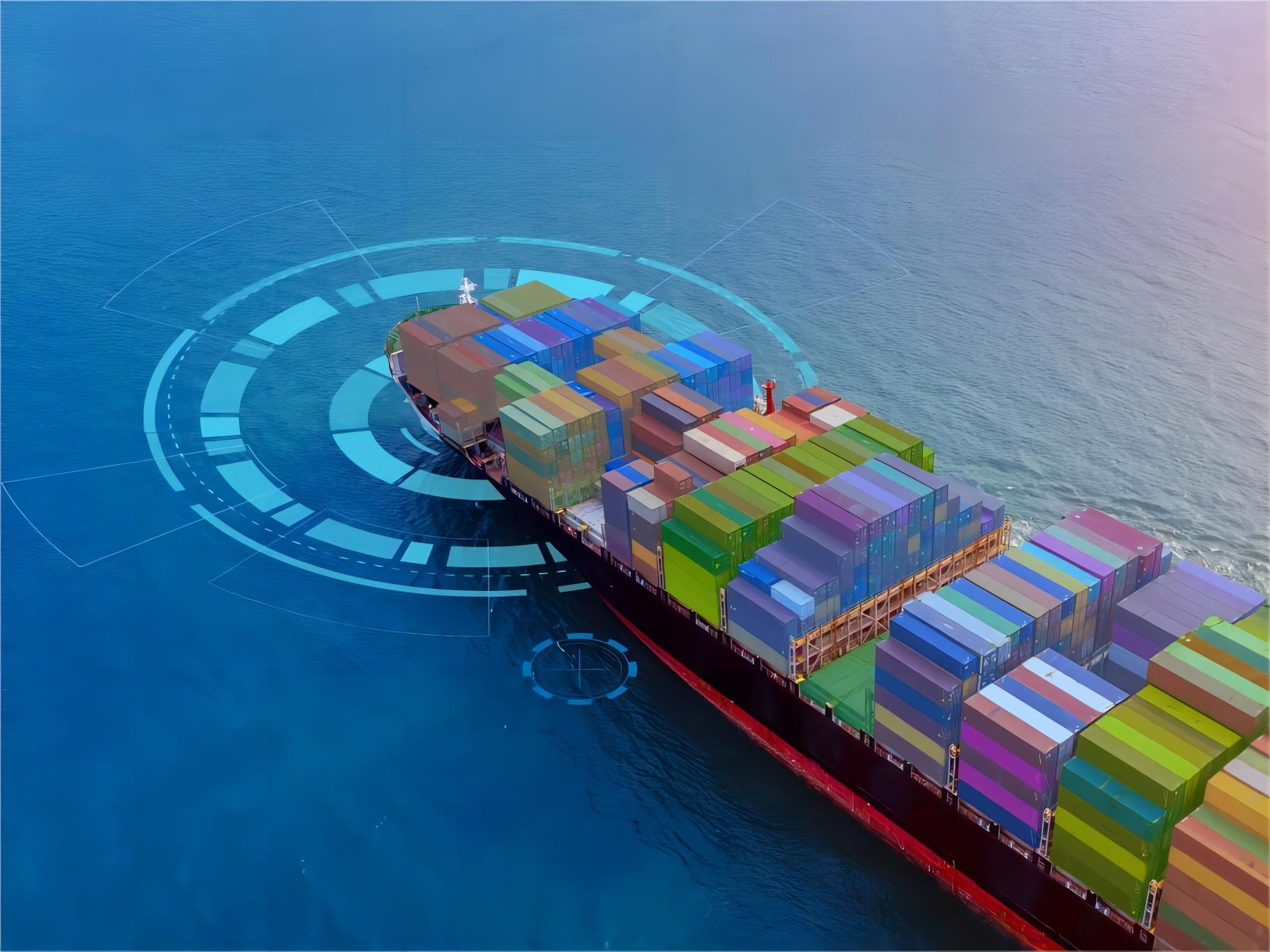
Ocean transport remains the backbone of global trade due to its incredible capacity and low cost for large volumes. Consider sea freight if you are moving several pallets or full containers of inventory to Germany.
Typically, shipments from China to Germany travel through the Suez Canal and arrive at major ports like Hamburg or Bremerhaven. Furthermore, the 2026 shipping landscape has seen improved efficiency in container handling, reducing port dwell times significantly compared to previous years.
Moreover, sea freight allows for both Full Container Load (FCL) and Less than Container Load (LCL) options. Consequently, even smaller sellers can take advantage of ocean rates by sharing container space with other Amazon merchants.
Indeed, the environmental impact of sea freight is lower per ton-kilometer than air transport, which aligns with growing consumer demand for sustainable supply chains. Therefore, it is a strategic choice for brands prioritizing long-term sustainability.
Leveraging Air Freight for Speed
When your inventory levels are low and you need a quick injection of stock, air freight is the most reliable solution. Specifically, air transport reduces the transit time from weeks to just a few days, ensuring you never miss a sales peak.
Additionally, air cargo is subject to less handling than sea freight, which minimizes the risk of damage to fragile or high-value electronics. As a result, many premium brands utilize air shipping to maintain product integrity and customer satisfaction.
Furthermore, the 2026 market for air cargo has stabilized, with more dedicated freighters operating between major Chinese hubs like Shenzhen and German airports like Frankfurt. Nevertheless, you should always compare rates during peak seasons like Q4 when demand spikes.
Consequently, integrating air freight into your strategy as a backup for sea shipments provides a robust safety net for your Amazon business. Indeed, the ability to pivot quickly is a hallmark of successful e-commerce logistics.
The Strategic Advantage of Rail Freight
Connecting the East and West, rail freight offers a unique middle ground between the speed of air and the economy of sea. For instance, the ‘New Silk Road’ routes have become increasingly reliable for transporting goods from inland Chinese cities directly to Duisburg, Germany.
Moreover, rail transport is less affected by weather conditions compared to sea or air, providing a more consistent delivery schedule throughout the year. Therefore, it is an excellent choice for seasonal goods that require a predictable arrival date.
Additionally, rail freight costs are typically 50% lower than air freight while being twice as fast as sea freight. Consequently, this method is ideal for medium-sized shipments that are too heavy for planes but too urgent for ships.
Indeed, the development of rail infrastructure in 2026 has further reduced transit times across Central Asia and Europe. Specifically, improved customs cooperation between transit countries has smoothed out previous bottlenecks.
Optimizing Your Amazon FBA Logistics
Success on the German marketplace requires a deep understanding of Amazon FBA requirements, including labeling, palletizing, and appointment scheduling. Specifically, Amazon Germany has strict rules regarding carton dimensions and weight that must be followed to avoid rejection.
Furthermore, a professional DDP service provider will ensure that your goods are prepped according to these standards before they even leave China. As a result, you avoid the costly fees associated with Amazon’s prep services or the risk of your shipment being sent back.
Additionally, using a forwarder that specializes in FBA means they can handle the CARP (Carrier Appointment Request Portal) system on your behalf. Consequently, this ensures that the final delivery to the fulfillment center is seamless and timely.
Moreover, integrated logistics providers often offer warehousing solutions in Germany for overflow stock. Therefore, you can drip-feed inventory into FBA centers to manage storage fees effectively while maintaining high availability.
Navigating German Customs and Compliance
Importing into Germany involves navigating the ATLAS electronic customs system and ensuring all EORI numbers are valid. Specifically, a dedicated customs brokerage service is invaluable for managing the complex paperwork required for DDP shipping.
Moreover, German authorities pay close attention to product safety standards and CE marking, especially for electronics and toys. Consequently, your documentation must clearly prove that your products meet all EU safety and environmental regulations.
Additionally, the calculation of VAT (currently 19% in Germany) and customs duties depends on the precise HS Code classification of your products. Incorrect classification can lead to overpayment of taxes or legal issues with the German customs office.
Furthermore, professional brokers stay updated on the latest trade agreements and tariff changes in 2026. Indeed, their expertise prevents the common pitfalls that often trap independent sellers attempting to handle imports alone.
Case Studies: Success Stories in 2026
Real-world examples demonstrate the effectiveness of ddp shipping china to germany amazon for various business models. For instance, a electronics brand recently moved a large shipment from Shenzhen to Hamburg using a 40HQ container.
Case Study 1: High-Volume Electronics Distribution Route: Shenzhen, China to Hamburg, Germany Cargo: Consumer Electronics, 68 CBM, 15,000 kg Container: 40HQ Shipping Details: – Carrier/Service: Major carrier – Port of Loading: Shenzhen – Port of Discharge: Hamburg – Route Type: Direct Cost Breakdown: – Ocean Freight: $3,200 – Origin Charges: $450 – Destination Charges: $600 – Customs & Duties: $4,500 – Total Landed Cost: $8,750 Timeline: – Booking to Loading: 4 days – Sea Transit: 32 days – Customs Clearance: 2 days – Total Door-to-Door: 38 days Key Insight: Early booking during the 2026 Q2 period saved the client 15% on freight rates.
Case Study 2: Rapid Fashion Restock Route: Ningbo, China to Munich, Germany Cargo: Apparel, 5 CBM, 1,200 kg Container: LCL 5 CBM Shipping Details: – Carrier/Service: Air Freight DDP – Port of Loading: Ningbo – Port of Discharge: Frankfurt Airport – Route Type: Direct Air Cost Breakdown: – Air Freight: $6,600 – Origin Charges: $200 – Destination Charges: $350 – Customs & Duties: $1,800 – Total Landed Cost: $8,950 Timeline: – Booking to Loading: 2 days – Air Transit: 1 day – Customs Clearance: 1 day – Total Door-to-Door: 4 days Key Insight: Using air DDP allowed the seller to capitalize on a viral social media trend without running out of stock.
Case Study 3: Industrial Machinery Rail Transit Route: Shanghai, China to Berlin, Germany Cargo: Specialized Tools, 15 CBM, 4,000 kg Container: LCL 15 CBM Shipping Details: – Carrier/Service: Rail Freight DDP – Port of Loading: Shanghai Terminal – Port of Discharge: Duisburg Terminal – Route Type: Trans-Eurasian Rail Cost Breakdown: – Rail Freight: $2,800 – Origin Charges: $300 – Destination Charges: $500 – Customs & Duties: $2,200 – Total Landed Cost: $5,800 Timeline: – Booking to Loading: 5 days – Rail Transit: 22 days – Customs Clearance: 3 days – Total Door-to-Door: 30 days Key Insight: Rail provided a stable cost structure during a period of sea freight rate volatility in early 2026.
Decision Framework: Which Option Should You Choose?
Choosing the right shipping method depends on your specific business priorities, whether they be speed, cost, or reliability. Specifically, if your budget is the primary concern and you have a long lead time, sea freight is the undisputed winner.
In contrast, if you are launching a new product and need to test the market quickly, air freight provides the agility required to respond to customer demand. Furthermore, for consistent, mid-range shipments, rail freight offers the best balance of performance and price.
Additionally, consider the volume thresholds; for shipments under 100kg, express courier DDP is often more efficient than traditional air freight. Consequently, mapping out your inventory needs against these criteria will help you build a more resilient supply chain.
Indeed, many successful sellers use a hybrid approach, sending 20% of their stock via air and 80% via sea to optimize both cash flow and availability. Therefore, flexibility is key to navigating the dynamic landscape of 2026 international trade.
Final Thoughts on DDP Shipping to Germany
Mastering ddp shipping china to germany amazon is a transformative step for any e-commerce business looking to dominate the European market. Specifically, by removing the hurdles of customs and tax compliance, you create a smoother path for your products and a better experience for your customers.
Furthermore, the logistics landscape of 2026 offers more choices than ever, from high-speed air cargo to economical rail and sea routes. Consequently, partnering with a knowledgeable freight forwarder ensures that you can navigate these options with confidence and precision.
Ultimately, the goal is to create a predictable, scalable supply chain that supports your long-term growth objectives. Indeed, with the right strategy and support, the German market presents a massive opportunity for ambitious Amazon sellers worldwide.
Need a tailored shipping solution?
Streamline your ddp shipping china to germany amazon today with our expert logistics team. We handle the complexity so you can focus on your sales growth. Contact us now for a personalized quote and expert advice on your next shipment.