

DDP VAT Tax Shipping China Europe: 2026 Guide to Duty-Free Logistics
Navigating international trade requires a clear understanding of complex regulations and tax structures. For many businesses, ddp vat tax shipping china europe represents the most streamlined way to import goods without facing unexpected fees at the border. Visit Alichinafreight.com to discover how our logistics experts simplify your global supply chain through integrated tax solutions and reliable transport networks. Consequently, choosing the right shipping terms can significantly impact your bottom line and customer satisfaction levels in 2026.
What is DDP Shipping and How Does it Benefit Your Business?
Delivered Duty Paid (DDP) is an incoterm where the seller assumes all responsibility, risks, and costs associated with transporting goods. This includes paying for import duties, taxes, and other charges until the buyer receives the products at the destination. In the context of ddp vat tax shipping china europe, this method provides a seamless experience for the importer. Furthermore, the seller manages the entire logistics chain from the factory in China to the final warehouse in Europe.
Businesses often prefer DDP because it eliminates the financial uncertainty of customs clearance. Since the seller handles the VAT and import duties, the buyer does not need to worry about unexpected invoices upon arrival. Additionally, this arrangement simplifies the accounting process for European distributors. For instance, small to medium-sized enterprises can focus on sales rather than complex customs brokerage procedures. Nevertheless, it is crucial to partner with a freight forwarder who understands the specific tax laws of individual EU member states.
Moreover, DDP shipping enhances the customer experience for e-commerce sellers. When a customer in Germany or France orders a product, they expect a landed price without additional border fees. By using DDP, sellers ensure that the price paid at checkout is final. Consequently, this reduces cart abandonment and improves brand loyalty across the European market. Indeed, the transparency provided by DDP is a significant competitive advantage in the 2026 retail landscape.
Understanding VAT and Import Taxes for China to Europe Routes in 2026
Importing goods into Europe involves navigating the Value Added Tax (VAT) system, which varies slightly between countries. In 2026, most European nations maintain VAT rates between 17% and 27%. When utilizing ddp vat tax shipping china europe, the freight forwarder typically handles the payment of these taxes on behalf of the shipper. Therefore, the shipper must provide accurate commercial invoices to avoid delays. For example, sea freight shipments require meticulous documentation to ensure the correct VAT amount is calculated.
Furthermore, the European Union has implemented strict digital reporting requirements for imports. Shippers must now use the Import One-Stop Shop (IOSS) for low-value goods or register for VAT in specific countries for larger volumes. Consequently, the complexity of tax compliance has increased for many Chinese exporters. However, professional logistics providers integrate these tax payments into their service fees. This integration allows for a smoother transition through customs at major ports like Rotterdam or Hamburg.
Additionally, import duties are calculated based on the Harmonized System (HS) code of the cargo. Different products attract different duty rates, ranging from 0% for some electronics to over 15% for certain textiles. In 2026, environmental levies also play a role in the total landed cost. As a result, businesses must account for these variables when planning their supply chain. To summarize, a comprehensive understanding of tax obligations is essential for successful trade between China and Europe.
How Does DDP Compare to Other Shipping Options?
Choosing between DDP and other incoterms like DAP (Delivered at Place) or CIF (Cost, Insurance, and Freight) depends on your operational capacity. While DDP offers the most convenience, it may involve higher service fees from the forwarder. On the other hand, DAP allows the buyer to handle their own tax payments, which might be preferable for companies with established tax departments. In contrast, DDP remains the gold standard for those seeking a hands-off approach to international logistics.
Moreover, the choice of transport mode significantly influences the effectiveness of a DDP strategy. For urgent shipments, air freight provides rapid delivery but at a higher cost per kilogram. Meanwhile, rail freight offers a balanced alternative for those looking to save money without the long wait times of ocean transport. In 2026, many businesses are opting for hybrid solutions to optimize their budgets. Therefore, evaluating all options is necessary for maintaining a competitive edge.
| Shipping Method | Cost Range (per kg/CBM) | Transit Time | Best For | Limitations |
|---|---|---|---|---|
| Air Freight | $4.50 – $7.50 / kg | 5-8 Days | High-value, urgent goods | High cost, weight limits |
| Sea Freight (FCL) | $3,200 – $4,500 / 40HQ | 30-40 Days | Bulk cargo, large volumes | Slowest transit time |
| Rail Freight | $120 – $180 / CBM | 18-24 Days | Mid-sized shipments | Subject to rail congestion |
| Express Service | $8.00 – $12.00 / kg | 3-5 Days | Samples, small parcels | Very expensive for bulk |
The Role of Rail Freight in DDP Logistics
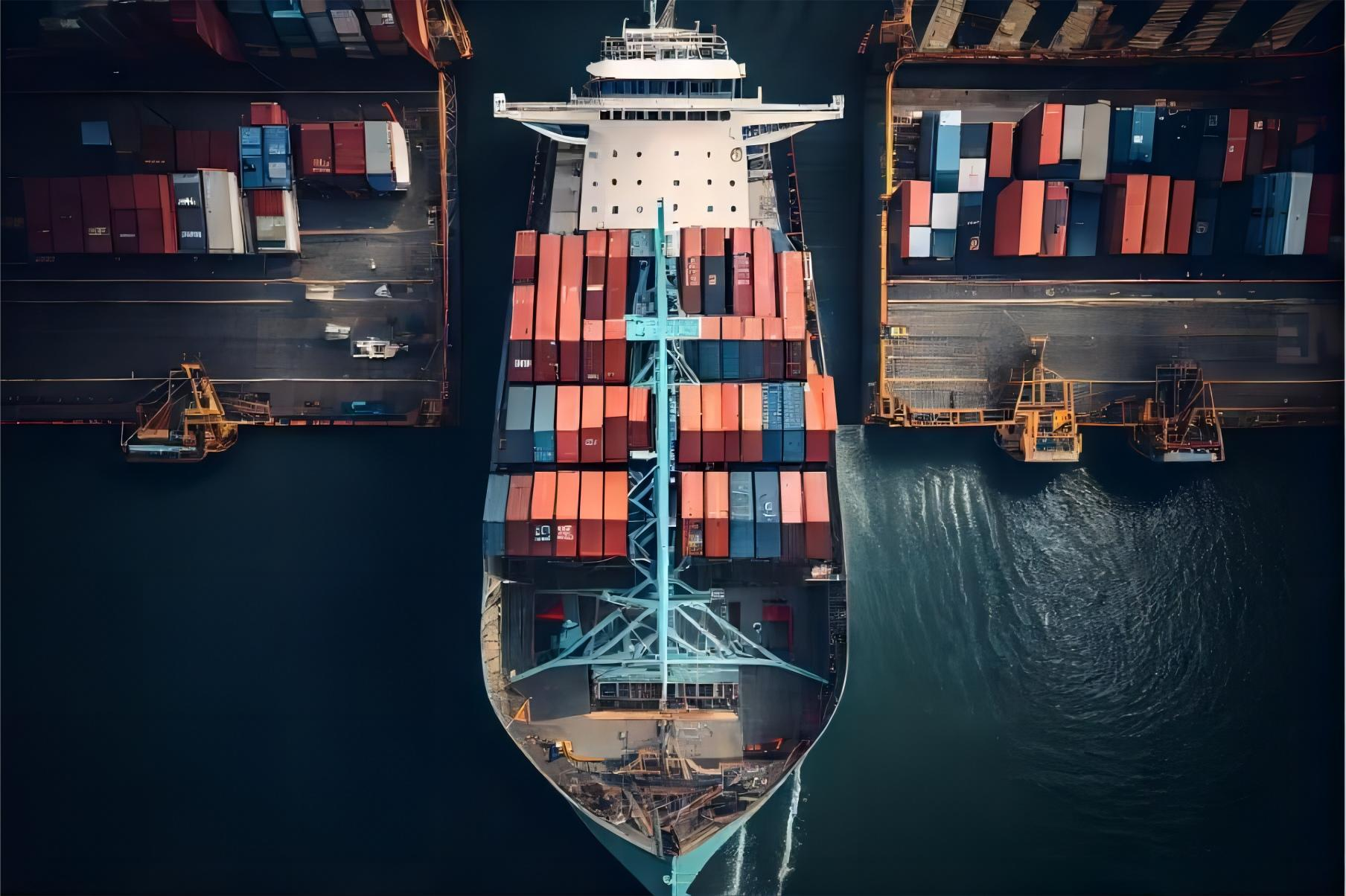
In 2026, the Trans-Eurasian railway network has become a vital artery for trade. Utilizing rail freight allows businesses to move goods faster than sea freight while remaining more economical than air. Many DDP service providers include rail options because they offer stable transit times and reliable schedules. Consequently, this mode is ideal for seasonal goods that need to reach the European market within a specific window. For instance, fashion retailers frequently use rail to restock inventory quickly.
Furthermore, rail transport is considered more environmentally friendly than air or sea options. As European regulations increasingly favor sustainable supply chains, rail freight has gained popularity among eco-conscious brands. Additionally, the infrastructure improvements in Central Asia have reduced the risk of delays. Nevertheless, shippers should still monitor geopolitical developments that might affect rail routes. To summarize, rail freight provides a strategic middle ground for ddp vat tax shipping china europe.
Realistic Case Studies: DDP Shipments to Europe
Case Study 1: Electronics Distribution to Germany. Route: Shenzhen to Hamburg. Cargo: Consumer electronics, 40HQ Container. Shipping Method: Sea Freight DDP. Total Landed Cost: $12,500 (including duties and 19% VAT). Transit Time: 35 days. Key Insight: The importer avoided all customs paperwork by using a DDP service, allowing them to distribute to retailers immediately upon arrival.
Case Study 2: Textile Import to Poland. Route: Ningbo to Warsaw. Cargo: Garments, 5 CBM LCL. Shipping Method: Rail Freight DDP. Total Landed Cost: $2,100. Transit Time: 22 days. Key Insight: Rail provided a faster turnaround than sea, which was critical for the client’s spring collection launch. The DDP terms ensured no delays at the border.
Case Study 3: E-commerce Fulfillment in France. Route: Shanghai to Paris. Cargo: Home decor, 200kg. Shipping Method: Amazon FBA DDP Air. Total Landed Cost: $1,850. Transit Time: 7 days. Key Insight: Using DDP air freight allowed the seller to maintain high stock levels during a peak promotion period without managing complex French tax filings.
Note: Freight rates are subject to change based on fuel costs, carrier capacity, and seasonal demand. Contact us for a current quote tailored to your specific shipment.
Managing Customs Brokerage and Documentation
Effective customs clearance is the backbone of any successful DDP shipment. A professional customs brokerage service ensures that all declarations are accurate and compliant with the latest 2026 regulations. For example, missing an EORI number or providing an incorrect HS code can lead to significant fines and cargo seizures. Therefore, delegating this task to experts is a wise investment for international traders. Additionally, automated filing systems have reduced the time required for clearance at major European hubs.
Moreover, the documentation required for ddp vat tax shipping china europe is extensive. Shippers must prepare a commercial invoice, packing list, bill of lading, and potentially a certificate of origin. In 2026, digital versions of these documents are preferred to speed up the process. Consequently, businesses that embrace paperless logistics often see faster transit times. Indeed, the integration of technology in customs procedures has made DDP shipping more efficient than ever before.
| Document Name | Purpose | Required For | 2026 Update |
|---|---|---|---|
| Commercial Invoice | Details value and cargo | All shipments | Must include digital HS codes |
| Packing List | Lists items and weights | All shipments | Standard ASCII format required |
| EORI Number | Economic Operator ID | EU Importers | Mandatory for all EU trade |
| IOSS Number | VAT reporting for small goods | B2C E-commerce | Used for values under 150 EUR |
Alternative Strategies: When DDP Might Not Be Best
While DDP is highly convenient, it is not always the most cost-effective choice for every scenario. For example, large corporations with their own VAT deferment accounts may prefer DAP terms to manage their cash flow more effectively. By paying VAT themselves, they can often reclaim it later, which might not be possible under certain DDP arrangements. Additionally, some buyers prefer to have full control over the customs process to ensure maximum compliance with internal audits. Therefore, it is important to weigh the convenience of DDP against the potential for tax recovery.
Another alternative is the use of bonded warehouses in Europe. Instead of paying all taxes upfront, goods can be stored in a bonded facility where duties are only paid when the items are cleared for the local market. This strategy is particularly useful for businesses with slow-moving inventory. Consequently, it allows for better capital management. However, this approach requires a more complex logistics setup compared to a standard DDP door-to-door delivery. To summarize, businesses should evaluate their specific tax situation before committing to a single incoterm.
Decision Framework: Which Option Should You Choose?
Selecting the right shipping method involves balancing budget, speed, and administrative capacity. If your primary goal is budget priority, we recommend sea freight under DDP terms for the lowest total landed cost. Conversely, if speed is your priority for high-value items, air freight is the logical choice despite the higher expense. For mid-sized shipments where both cost and time matter, rail freight often provides the best compromise in 2026.
Cargo type also plays a critical role in the decision-making process. Perishable goods or electronics with short life cycles demand faster transit times. On the other hand, heavy machinery or raw materials are best suited for sea transport. Furthermore, consider your volume thresholds; for shipments under 15 CBM, LCL (Less than Container Load) is usually more economical than booking a full container. By following this framework, you can optimize your shipping strategy for the European market.
Mastering DDP Logistics in 2026
In conclusion, ddp vat tax shipping china europe offers a comprehensive solution for businesses looking to simplify their import processes. By understanding the nuances of VAT, import duties, and various transport modes, you can build a resilient supply chain. Furthermore, partnering with an experienced freight forwarder ensures compliance with the latest European regulations.
As market conditions continue to evolve, staying informed about logistics trends and tax changes is essential. Whether you choose sea, air, or rail, the goal remains the same: efficient, predictable, and cost-effective delivery. Start optimizing your European shipping strategy today to achieve long-term success in the global marketplace.
Get Your Shipping Quote Today
Streamline your international trade today with our expert logistics solutions. Whether you need sea, air, or rail transport, our team handles the complexities of ddp vat tax shipping china europe so you can focus on growing your business. Visit Alichinafreight.com to request a customized quote and experience hassle-free shipping in 2026.
Request Quote