
Europe Amazon FBA Shipping China: The Ultimate 2026 Guide
Navigating the complexities of Europe Amazon FBA shipping China requires a strategic approach to ensure your inventory arrives safely and on time. At DSV-Freight, we specialize in streamlining global supply chains for e-commerce sellers. Consequently, understanding the latest logistics trends in 2026 is essential for maintaining a competitive edge in the European market. This guide provides comprehensive insights into transit times, costs, and customs requirements to help you optimize your shipping operations.
The Landscape of Europe Amazon FBA Shipping China in 2026
Global trade dynamics have shifted significantly as we enter 2026, making efficient logistics more critical than ever. Sellers must now account for fluctuating fuel surcharges and new environmental regulations affecting maritime routes. Moreover, the integration of digital tracking systems has become a standard requirement for all FBA shipments. Therefore, choosing a partner that understands these nuances is vital for your business success.
European markets demand high reliability and strict adherence to delivery windows. Failure to meet these windows can lead to stockouts or penalties within the Amazon ecosystem. Additionally, the rise of green logistics means that carbon-neutral shipping options are gaining popularity among eco-conscious consumers. Indeed, staying informed about these changes allows you to adjust your supply chain proactively.
Market data suggests that freight rates have stabilized after the disruptions seen in previous years. However, seasonal peaks still cause significant price spikes during the third and fourth quarters. Accordingly, planning your inventory cycles at least six months in advance is the best way to mitigate these costs. This proactive approach ensures that your Europe Amazon FBA shipping China strategy remains profitable throughout the year.
Comprehensive Transport Modes for European Logistics
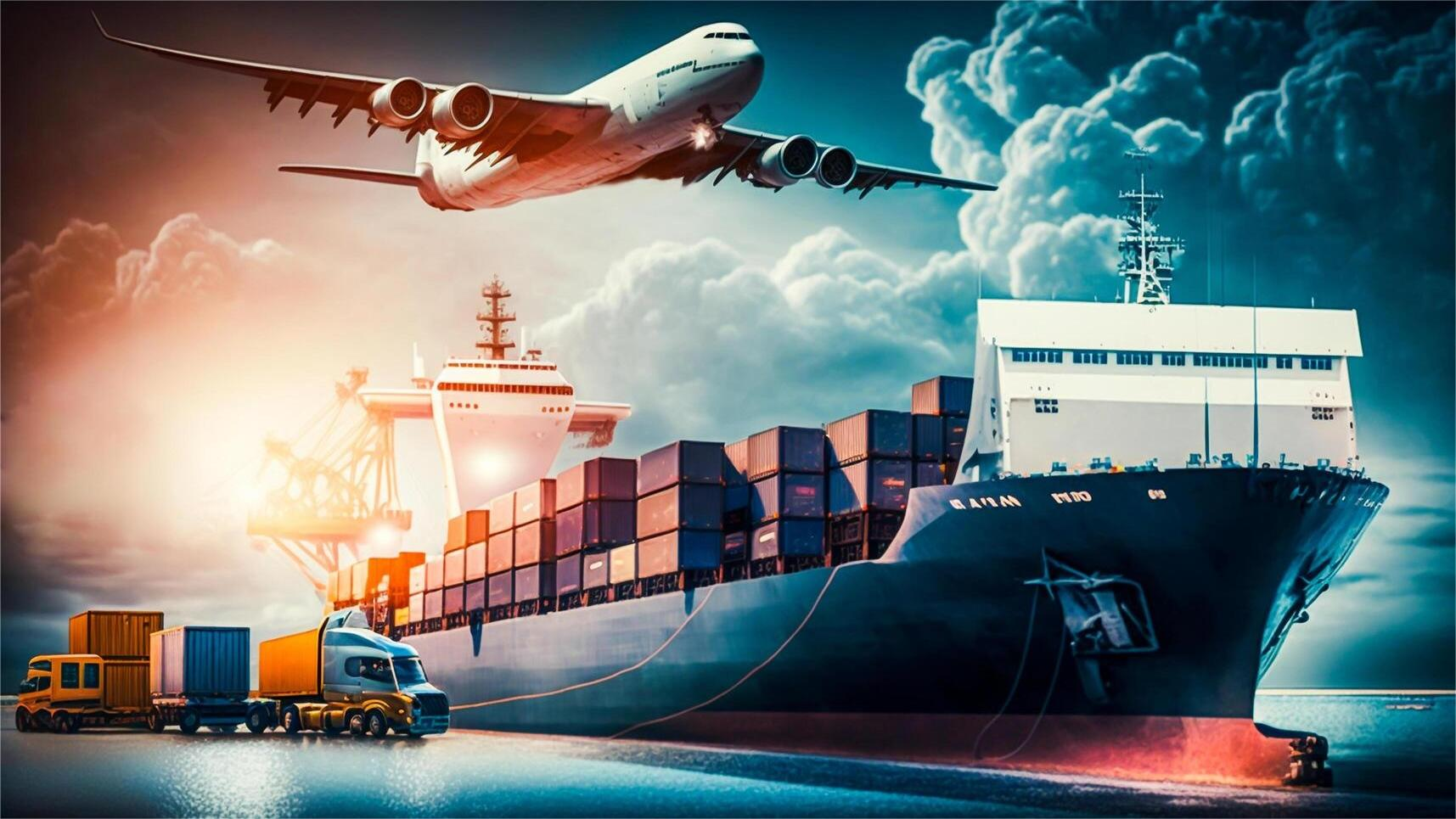
Selecting the appropriate transport mode depends on your budget, cargo volume, and urgency. Most sellers utilize sea freight for their primary inventory replenishment due to its cost-effectiveness. This method allows for large volumes of goods to be moved at the lowest possible price per cubic meter. Furthermore, sea freight remains the backbone of international trade between China and Europe.
When speed is the primary concern, air freight provides the fastest transit times available. While this option is more expensive, it is ideal for high-value items or urgent restocks that cannot wait for a ship. In addition, air transport reduces the risk of damage or theft during transit. Many sellers find that a mix of air and sea freight offers the best balance for their inventory management.
For those seeking a middle ground, rail freight offers a unique combination of speed and affordability. The New Silk Road connections have improved significantly, providing reliable schedules from major Chinese hubs to European terminals. Consequently, rail transit times are roughly half those of sea freight while costing significantly less than air. This makes it an excellent alternative for mid-sized shipments that are time-sensitive but budget-conscious.
| Method | Cost Level | Transit Time | Best For |
|---|---|---|---|
| Sea Freight | Low | 30-45 Days | Bulk Inventory |
| Air Freight | High | 3-7 Days | Urgent Restocks |
| Rail Freight | Medium | 15-22 Days | Mid-size Cargo |
| Express | Very High | 2-5 Days | Samples/Small |
How Does Sea Freight Compare to Other Shipping Options?
Evaluating the efficiency of Europe Amazon FBA shipping China requires a direct comparison of all available logistics paths. Sea freight typically costs between 2,000 USD and 4,500 USD for a 40HQ container depending on the specific destination port. In contrast, air freight for the same volume would be prohibitively expensive, often exceeding 20,000 USD. Therefore, sea freight is the undisputed leader for large-scale distribution.
While sea freight offers the lowest cost, it also involves the longest lead times. Sellers must manage their cash flow carefully, as capital is tied up in inventory for over a month during transit. Meanwhile, rail freight provides a faster alternative that can save up to 20 days of transit time. This reduction in time can be crucial for maintaining high IPI scores on Amazon. For specialized assistance with these shipments, explore our Amazon FBA services.
Hybrid solutions like sea-air combinations have also gained traction in 2026. These routes involve shipping goods by sea to a hub like Dubai and then flying them to Europe. This strategy can reduce costs by 30 percent compared to pure air freight while still arriving faster than sea. Without a doubt, diversifying your shipping methods is a smart way to handle different product categories and demand spikes.
| Shipping Method | Cost Range | Transit Time | Limitations |
|---|---|---|---|
| Sea (FCL) | $1,800-$4,200 | 28-40 Days | Long lead time |
| Sea (LCL) | $50-$120/CBM | 35-45 Days | Congestion risk |
| Rail (FCL) | $3,500-$5,500 | 18-24 Days | Limited capacity |
| Air Freight | $4-$8/kg | 5-8 Days | Weight limits |
Essential Customs Procedures and Documentation
Successful import operations rely heavily on accurate documentation and compliance with local regulations. Utilizing a professional customs brokerage service is often the difference between a smooth delivery and a costly delay. Customs officials in the EU and UK are particularly strict about product safety certifications and VAT compliance. Consequently, ensuring your paperwork is perfect before the cargo leaves China is a top priority.
Required documents typically include the commercial invoice, packing list, and bill of lading. Additionally, you must provide a valid EORI number and ensure that your Amazon FBA labels are correctly applied. For instance, incorrect labeling can result in Amazon rejecting the entire shipment at their fulfillment center. Therefore, double-checking every detail is essential for a stress-free shipping experience.
Landed cost calculations must account for import duties and Value Added Tax (VAT). These costs vary significantly depending on the product category and the country of entry. For example, electronics may have different duty rates than textiles or home goods. Indeed, consulting with a logistics expert can help you estimate these costs accurately to maintain your profit margins.
Regional Shipping Insights for the European Market
Shipping to different parts of the continent requires specific knowledge of local infrastructure and port efficiency. Major hubs like Rotterdam, Hamburg, and Felixstowe handle the majority of Europe bound cargo from China. However, secondary ports are often less congested and can offer faster clearance times during peak seasons. As a result, choosing the right port of discharge is a strategic decision that impacts your total transit time.
Inland transportation from the port to the Amazon fulfillment center is the final leg of the journey. This stage can be handled via truck or small-scale rail depending on the distance and urgency. Furthermore, different countries have varying labor laws and transport regulations that can affect delivery schedules. Meanwhile, keeping a close eye on local holidays and port strikes is necessary to avoid unexpected bottlenecks.
Market intelligence for 2026 shows that Eastern European hubs are becoming more popular for FBA sellers. These locations often offer lower warehousing costs and efficient access to Western European markets. Nevertheless, the majority of volume still flows through the established Northern European ports. Accordingly, sellers should evaluate their customer base location before deciding on a primary entry point.
Strategic Case Studies for 2026
Examining real-world scenarios helps sellers understand the practical application of different logistics strategies. These cases reflect actual market conditions as of early 2026 and highlight the importance of planning. For instance, many successful sellers now use a combination of FCL and LCL to manage their stock levels dynamically. Below are two detailed examples of Europe Amazon FBA shipping China in action.
Case Study 1: Large Volume Sea Freight Route: Shenzhen, China to Hamburg, Germany Cargo: Home Electronics, 68 CBM, 12,500 kg Container: 40HQ FCL Shipping Details: – Carrier: Major carrier (Direct) – Port of Loading: Shenzhen – Port of Discharge: Hamburg Cost Breakdown: – Ocean Freight: $3,200 – Origin Charges: $450 – Destination Charges: $600 – Customs and Duties: $4,800 – Total Landed Cost: $9,050 Timeline: – Booking to Loading: 4 days – Sea Transit: 32 days – Customs Clearance: 3 days – Total Door-to-Door: 39 days Key Insight: Direct routing saved 6 days compared to transshipment options.
Case Study 2: Urgent Rail Freight Restock Route: Xi’an, China to Warsaw, Poland Cargo: Apparel, 12 CBM, 3,200 kg Container: LCL Service Shipping Details: – Carrier: Rail Express – Port of Loading: Xi’an Terminal – Port of Discharge: Małaszewicze Cost Breakdown: – Rail Freight: $1,850 – Origin Charges: $200 – Destination Charges: $350 – Customs and Duties: $2,100 – Total Landed Cost: $4,500 Timeline: – Booking to Loading: 3 days – Rail Transit: 16 days – Customs Clearance: 2 days – Total Door-to-Door: 21 days Key Insight: Rail provided a 15-day advantage over sea freight for a critical mid-season restock.
Decision Framework: Which Option Should You Choose?
Determining the best shipping path requires a clear understanding of your business priorities. If your primary goal is to minimize costs, sea freight is almost always the correct choice for shipments over 2 CBM. On the other hand, if you are launching a new product and need to test the market quickly, air freight is the superior option. Consequently, your choice should align with your current inventory levels and sales velocity.
Volume thresholds also play a major role in the decision-making process. For shipments under 15 CBM, Less than Container Load (LCL) is generally more economical than paying for a full 20GP container. However, once you exceed 15 CBM, a 20GP container becomes more cost-effective due to the flat rate pricing. Similarly, if you have enough stock for a 40HQ, the cost per CBM drops even further. Indeed, scaling your order sizes can lead to significant logistics savings.
Cargo type considerations cannot be ignored when selecting a transport mode. Fragile or high-value goods may benefit from the smoother handling of air or express services. Meanwhile, heavy industrial goods or large furniture items are best suited for the robust infrastructure of sea freight. Therefore, analyze your product specifications alongside your budget to find the optimal shipping solution for your Europe Amazon FBA shipping China needs.
Market Intelligence and 2026 Freight Trends
Staying ahead of market trends is vital for long-term success in the e-commerce space. As of Q1 2026, we are seeing a significant investment in autonomous port operations which is reducing turnaround times. Additionally, the implementation of blockchain for documentation is making customs clearance more transparent and faster. For example, digital bills of lading are now accepted at all major European ports. This technological shift is reducing the administrative burden on sellers.
Environmental surcharges are becoming a permanent fixture in freight pricing. Carriers are passing on the costs of transitioning to cleaner fuels and more efficient vessel designs. Although this increases the base rate, it also ensures that your supply chain meets the sustainability standards required by European regulators. Furthermore, many consumers now prefer brands that can demonstrate a commitment to low-carbon shipping. In contrast, failing to adapt to these trends could lead to future regulatory hurdles.
Note: Freight rates are subject to change based on fuel costs, carrier capacity, and seasonal demand. Contact us for a current quote tailored to your specific shipment. Market data suggests that rates typically increase 15-25 percent during the August-October peak season. Accordingly, securing your space early is the best way to avoid price volatility and ensure your products reach Amazon’s warehouse on time.
Final Thoughts on European FBA Logistics
Mastering Europe Amazon FBA shipping China is a continuous process of adaptation and optimization. By understanding the various transport modes and their associated costs, you can make informed decisions that protect your profit margins. Moreover, staying compliant with customs regulations and leveraging market trends will ensure your business remains resilient.
Whether you choose the cost-effectiveness of sea freight or the speed of air freight, the key is consistency and planning. At DSV-Freight, we are dedicated to helping you navigate these challenges with ease. Start planning your next shipment today to ensure your European FBA business thrives in 2026.
Get Your Shipping Quote Today
Ready to optimize your Europe Amazon FBA shipping China strategy for 2026? Contact our expert logistics team today to receive a customized quote and streamline your supply chain. Visit our website to Send Inquiry and get started with a reliable freight partner.
Request Quote