

- By Jaxin
- August 27, 2026
- logistics process, shipping
Introduction
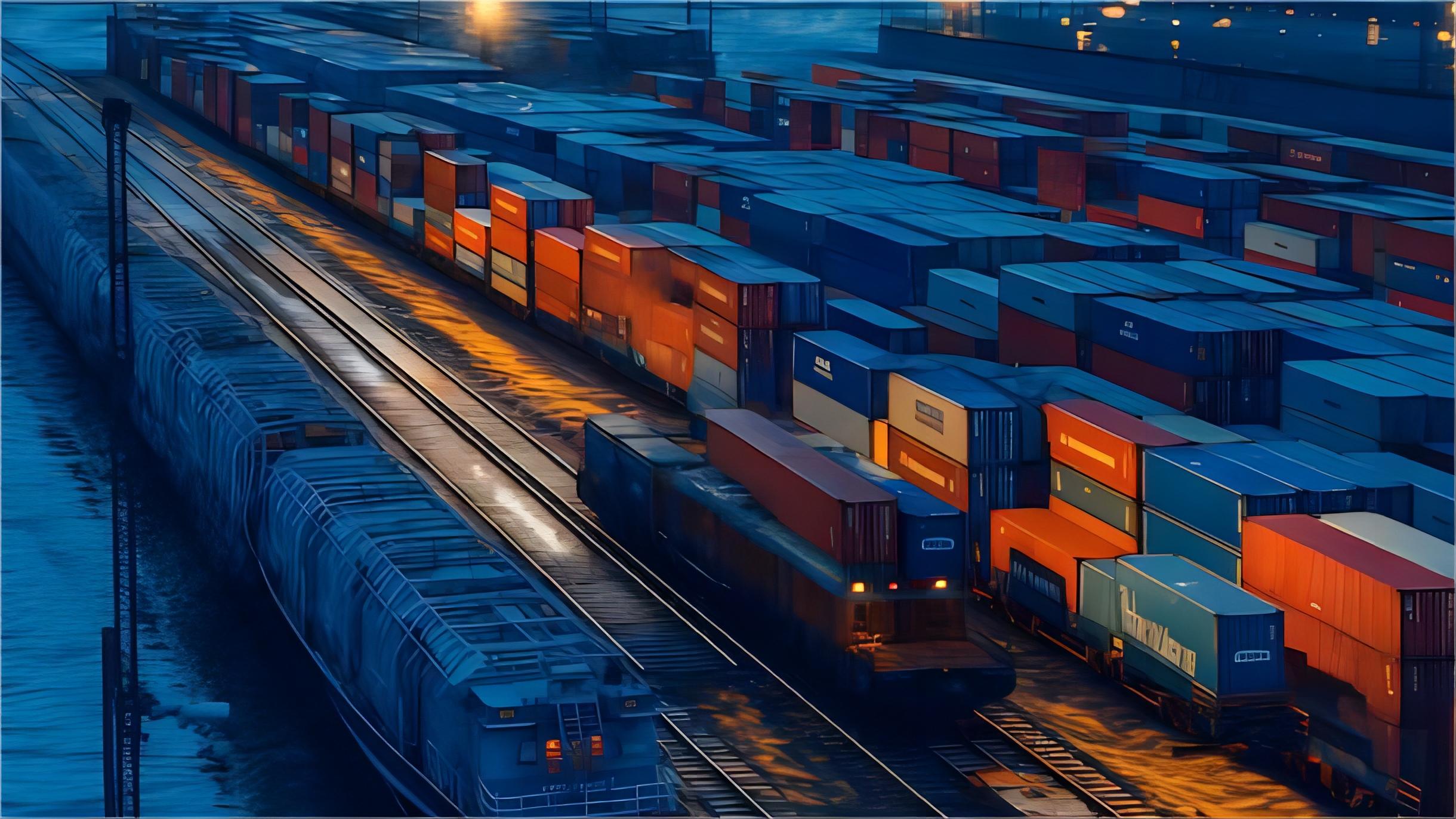
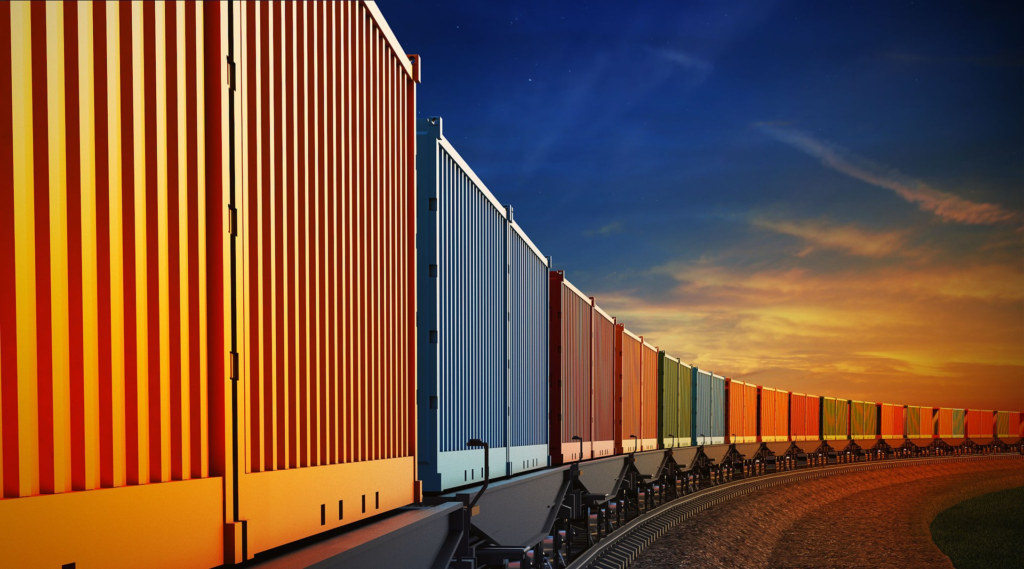
FCL railway container logistics from China gives importers a practical middle option when ocean freight is too slow but air freight is too expensive. For full-container shipments, China-Europe rail services can connect major Chinese logistics hubs with European terminals in roughly 15–25 days, depending on the route and service.
However, choosing rail is not simply a matter of booking a container on a train. Importers also need to coordinate factory pickup, export customs, terminal handling, rail transportation, border procedures, destination customs, and final trucking. Therefore, this guide explains how FCL rail logistics works, how much it can cost, which routes are practical, and how to select the right service.

How Does FCL Railway Container Logistics From China Work?
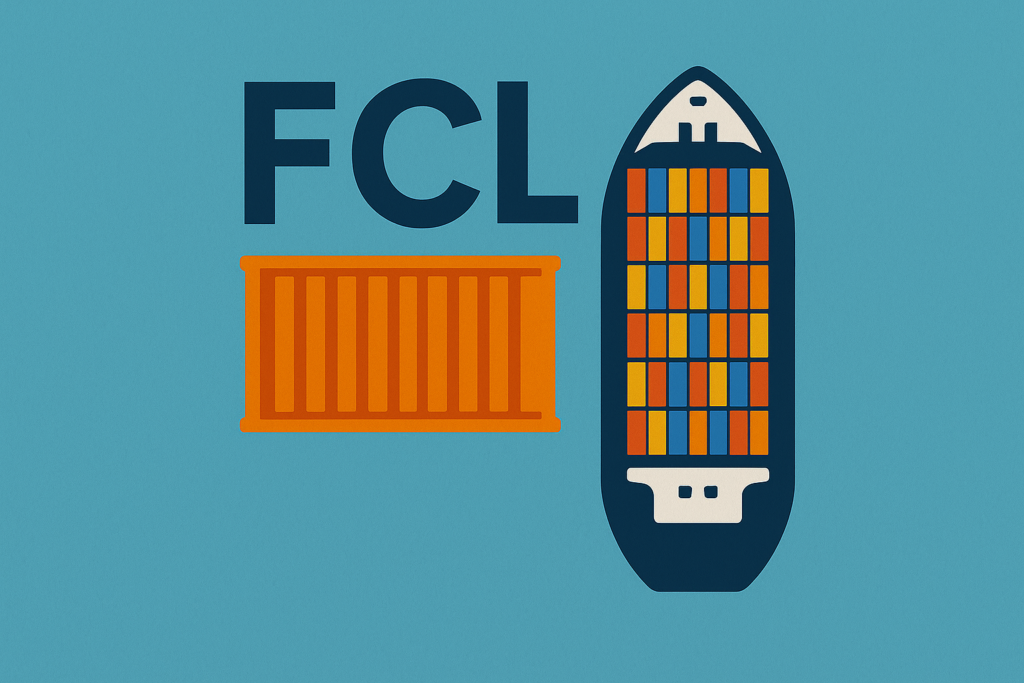
FCL means Full Container Load, so one shipper generally uses the available container capacity for its own cargo rather than sharing space with other shipments. Consequently, FCL rail freight is particularly suitable for machinery, automotive components, electronics, industrial products, furniture, and other commercial cargo that can efficiently fill a 20GP, 40GP, or 40HC container.
A typical China-Europe FCL rail shipment follows several stages:
- Supplier prepares and loads the cargo.
- Trucking moves the container to the Chinese rail terminal.
- Export customs declaration is completed.
- The container is loaded onto the international train.
- The shipment crosses the relevant China-Central Asia border.
- Gauge-change or transloading procedures are completed where required.
- The train continues toward the European rail gateway.
- Import customs clearance is arranged.
- Final trucking delivers the container to the consignee.
Moreover, major Chinese departure hubs include Xi’an, Chengdu, Chongqing, Zhengzhou, Yiwu, and other inland logistics centers. European gateways commonly include Duisburg, Hamburg, Malaszewicze, Warsaw, Budapest, and other connected terminals.
| Logistics Stage | Typical Responsibility | Key Consideration |
|---|---|---|
| Factory pickup | Forwarder / trucking partner | Distance to rail terminal |
| Export customs | Shipper / broker | Accurate HS classification |
| Rail terminal | Rail operator / forwarder | Container availability |
| International rail | Rail operator | Route and departure schedule |
| Border handling | Rail operator | Gauge and customs procedures |
| EU customs | Importer / customs broker | EORI, documents and duties |
| Final delivery | Trucking provider | Warehouse appointment |
Therefore, a complete FCL railway solution should be evaluated as a door-to-door logistics service, rather than simply as a train ticket.
What Are the Main FCL Railway Container Logistics From China Routes?
Route selection has a direct effect on transit time, price, departure frequency, and destination delivery options. Furthermore, the best origin is not always the geographically closest rail station because established rail hubs can provide stronger schedules and better equipment availability.
For China-Europe cargo, the Northern Corridor and alternative Middle Corridor services can serve different operational requirements. However, routing availability can change according to commercial, customs, capacity, and geopolitical conditions.
| China Origin | European Gateway | Indicative Rail Transit | Typical Cargo |
| Xi’an | Duisburg | 16–22 days | Machinery, electronics, automotive |
| Chengdu | Lodz | 18–21 days | Consumer goods, industrial cargo |
| Zhengzhou | Liege | 15–18 days | General FCL cargo |
| Chongqing | Hamburg | 17–20 days | Automotive, electronics |
| Xi’an | Budapest | Around 18–24 days | Industrial components |
| Chengdu | Malaszewicze | Around 16–22 days | General commercial cargo |
Published August 2026 market references show Xi’an 40′ FCL public-train rates around $7,400 to Malaszewicze, $8,200 to Duisburg or Hamburg, and approximately $8,100 to Budapest. These are market indications rather than universal quotations.
Additionally, some logistics providers report China-Europe rail services around 15–20 days for major corridors, although the actual door-to-door transit can be longer after first-mile trucking, customs, terminal handling, and final delivery are included.
How Much Does FCL Railway Container Logistics From China Cost?
FCL rail pricing is normally quoted per container. Nevertheless, the final amount depends on container size, origin, destination, rail service, equipment, pickup distance, customs requirements, and whether the quotation is terminal-to-terminal or door-to-door.
For example, current published market references place selected 40HC China-Europe rail services around $6,900–$8,600 depending on destination and service level.
| Cost Item | Pricing Basis | Usually Included? |
| International rail freight | Per container | Yes |
| Factory pickup | Per truck | Depends on quotation |
| Origin terminal handling | Per container | Depends |
| Export customs | Per shipment | Depends |
| Container/equipment | Per container | Depends |
| Border handling | Per container | Often incorporated |
| EU import customs | Per declaration | Often separate |
| Import duties/VAT | Based on customs assessment | Depends on Incoterm |
| Final trucking | Per delivery | Depends |
| Insurance | Based on cargo value | Optional |
Consequently, importers should ask for a rate breakdown before accepting a quotation.
A $7,000 terminal-to-terminal rail rate and an $8,000 door-to-door rate are not necessarily contradictory. The second quotation may include factory pickup, customs brokerage, terminal charges, and final-mile trucking.
Moreover, some published rates explicitly exclude destination customs duties, inspections, and local expenses. Therefore, comparing only the headline rail freight price can produce an inaccurate cost analysis.
Which Container Should Importers Use for China Rail Freight?
Container selection depends primarily on cargo volume, weight, dimensions, loading method, and rail operator restrictions. For standard commercial goods, 20GP and 40HC are the most common options.
A 40HC is particularly useful when cargo is bulky because its additional internal height provides more loading capacity than a standard 40GP. However, cargo weight limits and route-specific railway restrictions must still be checked before booking.
| Container | Approx. Internal Capacity | Suitable Cargo |
| 20GP | About 33 CBM | Dense or heavy cargo |
| 40GP | About 67 CBM | Standard-volume FCL |
| 40HC | About 76 CBM | Bulky, lightweight cargo |
Actual usable capacity varies by container specification and carrier.
Furthermore, importers should calculate both CBM and gross weight before requesting a quotation. A shipment that appears ideal for a 40HC based on volume may become weight-restricted once cargo, pallets, packaging, and container tare weight are considered.
For high-value or sensitive cargo, the logistics provider should also confirm whether specialized equipment, monitoring, or additional security procedures are available. Some China-Europe rail services provide specialist equipment for temperature-sensitive or high-value shipments.
What Does a Real FCL Railway Container Logistics From China Shipment Look Like?
📌 Case Study 1 — Automotive Components to Germany
| Item | Details |
| 📍 Origin | Chongqing factory → Duisburg distribution warehouse |
| 📦 Cargo | Automotive components |
| ⏱️ Transit Time | Approximately 18–22 days |
| 💰 Cost | Indicative 40HC FCL rail quotation based on current route and service |
| 🚆 Transportation Method | Factory trucking + China-Europe rail + final trucking |
| ⚖️ Customs Clearance Details | China export declaration, rail transit documentation, EU import customs and destination delivery coordination |
| 📋 Brief Overview | The importer needed faster replenishment than ocean freight while maintaining lower transportation costs than air freight. |
📌 Case Study 2 — Machinery Equipment to Poland
| Item | Details |
| 📍 Origin | Xi’an rail terminal → Malaszewicze, Poland → Central European warehouse |
| 📦 Cargo | Industrial machinery and spare parts |
| ⏱️ Transit Time | Approximately 16–22 days |
| 💰 Cost | Around the prevailing 40HC FCL market range for the selected rail service |
| 🚆 Transportation Method | 40HC FCL China-Europe rail + EU trucking |
| ⚖️ Customs Clearance Details | Export customs in China, EU entry procedures, transit documentation and final import clearance |
| 📋 Brief Overview | The buyer selected rail to shorten replenishment time while keeping a predictable full-container logistics schedule. |
📌 Case Study 3 — Consumer Goods to Hungary
| Item | Details |
| 📍 Origin | Chengdu → Budapest distribution center |
| 📦 Cargo | Household and consumer products |
| ⏱️ Transit Time | Approximately 18–24 days |
| 💰 Cost | Indicative 40HC FCL rail pricing based on departure schedule and destination services |
| 🚆 Transportation Method | Rail FCL + customs clearance + destination trucking |
| ⚖️ Customs Clearance Details | Commercial invoice and packing list review, HS classification, export declaration, EU customs clearance and local delivery |
| 📋 Brief Overview | The importer required regular container replenishment and selected rail as a balance between ocean freight’s longer transit and air freight’s higher cost. |
Conclusion
FCL railway container logistics from China is a practical option for importers that need a balance between transportation cost and transit speed. Major China-Europe rail corridors can move full containers from Chinese logistics hubs to European gateways in roughly 15–25 days, although actual door-to-door delivery depends on the complete route and customs process.
Therefore, the best FCL rail solution should not be selected by freight rate alone. Importers should compare the departure hub, rail service, container type, transit time, customs arrangements, terminal charges, and final-mile delivery.
For recurring shipments, better container utilization, early booking, route comparison, and volume negotiation can further improve the overall logistics cost. Moreover, working with a forwarder capable of managing both rail and road transportation can simplify the entire supply chain.
If you are planning fcl railway container logistics from China, prepare your supplier location, cargo type, container size, gross weight, CBM, destination address, and desired shipping date. A route-specific quotation can then show the actual rail cost and the complete door-to-door logistics expense.
Need a quote?
Ready to compare fcl railway container logistics from China for your next shipment? Send your origin, destination, cargo details, container type, and required delivery date to receive a route-specific rail freight solution covering transportation, customs, and final delivery.
FAQs
Q1: What is FCL railway container logistics from China?
FCL railway logistics means transporting a dedicated full container by international rail from China to the destination region. It is suitable for larger commercial shipments that can efficiently use a 20GP, 40GP, or 40HC.
Q2: How long does FCL rail freight from China to Europe take?
Major China-Europe rail routes commonly take around 15–25 days between rail terminals. However, factory pickup, customs, border processing, terminal handling, and final trucking can extend total door-to-door transit.
Q3:How much does a 40HC FCL rail shipment from China cost?
Current published 2026 examples show approximately $6,900–$8,600 on selected China-Europe corridors. However, the final price depends on origin, destination, service level, equipment, and included destination charges.
Q4: Is FCL rail cheaper than air freight?
Generally, yes. Rail provides substantially lower transportation costs than air while offering faster transit than traditional ocean freight on suitable corridors. Therefore, it can work well for medium-value, time-sensitive cargo.
Q5: Can FCL rail freight from China be delivered door-to-door?
Yes. A complete service can combine factory pickup, rail transportation, customs clearance, destination terminal handling, and final trucking. However, import duties and taxes should be confirmed separately according to the agreed Incoterm.