

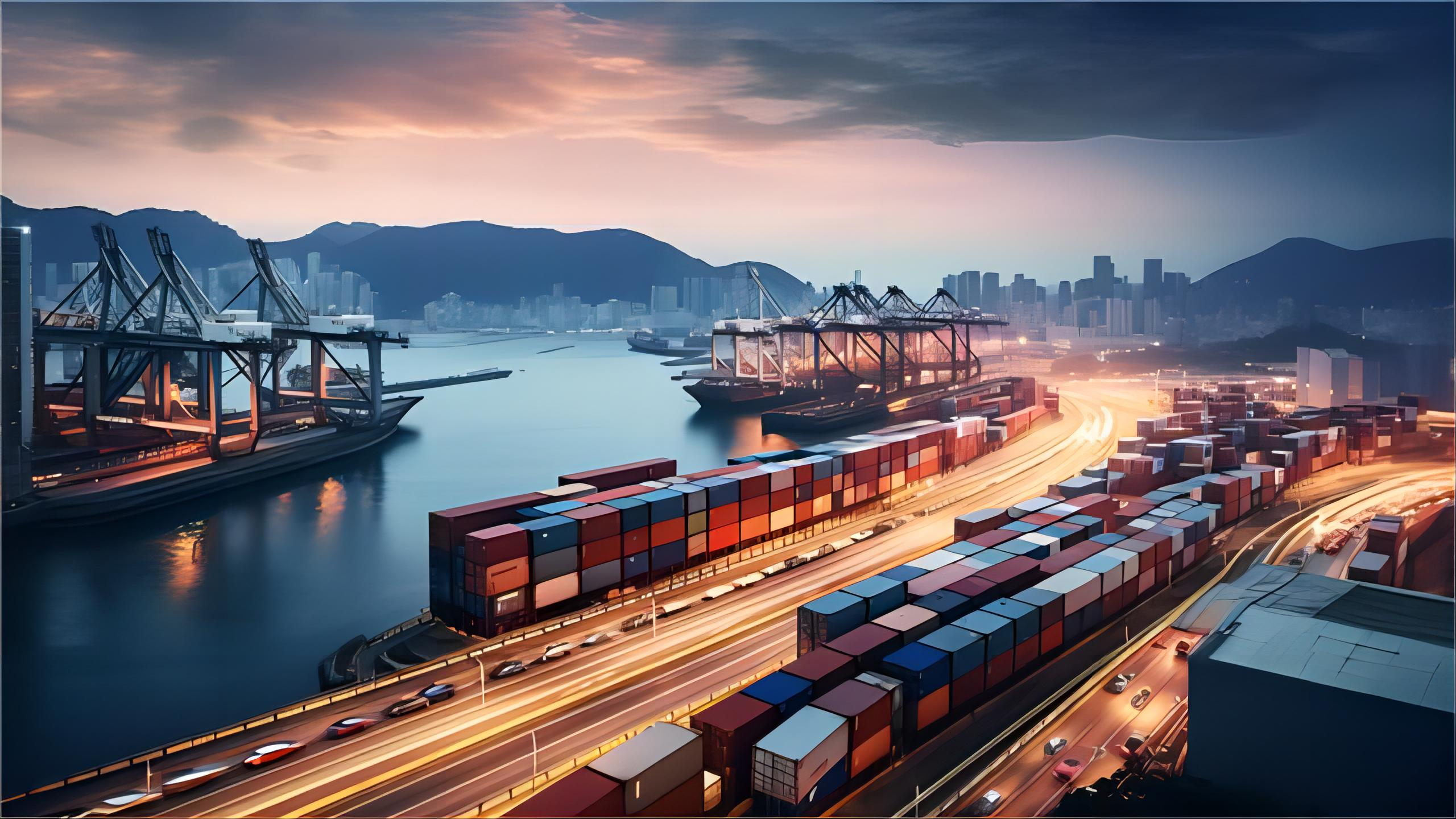
Freight Forwarder China to USA Quote: 2026 Shipping Guide
Obtaining a precise freight forwarder china to usa quote is the first step toward building a resilient and profitable supply chain in 2026. At DSV-Freight, we specialize in navigating the complexities of transpacific logistics to ensure your goods arrive safely and on time. Consequently, understanding the nuances of current market rates and shipping methods will help you make informed decisions for your business growth.
How to Request an Accurate Freight Forwarder China to USA Quote
Requesting a quote requires more than just providing the origin and destination of your goods. You must provide detailed information including cargo weight, dimensions, and the specific nature of the products being shipped. Furthermore, identifying whether you need port-to-port or door-to-door service will significantly impact the final price.
Digital platforms now allow importers to receive instant estimates based on real-time carrier data. However, a manual review by an expert often uncovers opportunities for consolidation or route optimization that automated systems might miss. Therefore, always provide a complete packing list and commercial invoice to ensure the most accurate pricing possible.
Timing plays a critical role in the accuracy of your logistics estimate. Rates fluctuate weekly based on fuel prices and vessel availability, so a quote provided today might expire within fifteen days. Indeed, staying in constant communication with your logistics provider ensures you lock in the best available rates before market shifts occur.
What Factors Influence Your Shipping Quote in 2026?
Market conditions in early 2026 have stabilized, yet several variables continue to dictate the cost of shipping from China to the USA. Fuel surcharges remains a primary driver of price volatility as carriers adjust to new environmental regulations. Additionally, the choice of equipment, such as refrigerated containers or open tops, will add a premium to your base rate.
Port congestion at major West Coast hubs like Long Beach still occurs during peak shopping seasons. This congestion often leads to demurrage and detention fees which can inflate your total landed cost. Consequently, choosing alternative ports or inland intermodal points can sometimes offer a more stable pricing structure.
Seasonal trends significantly affect the freight forwarder china to usa quote you receive during the year. For instance, the weeks leading up to the Lunar New Year and the Q4 holiday rush typically see price hikes of twenty percent or more. Planning your inventory cycles around these peaks is a proven strategy for maintaining lower logistics expenses.
| Route | 20GP Container | 40GP Container | 40HQ Container |
|---|---|---|---|
| China to USA West | $1,600 – $2,300 | $2,600 – $3,600 | $2,900 – $3,900 |
| China to USA East | $2,600 – $3,600 | $4,100 – $5,600 | $4,600 – $6,100 |
| China to USA Gulf | $2,400 – $3,400 | $3,900 – $5,400 | $4,400 – $5,900 |
Comparing Sea Freight and Air Freight Solutions
Choosing between sea freight and air freight is a balance between budget and urgency. Ocean transport remains the backbone of global trade, offering the lowest cost per unit for high-volume goods. Conversely, air transport is the preferred choice for high-value electronics or fashion items that require rapid replenishment.
Transit times for ocean freight from China to the US West Coast typically range from 14 to 18 days. In contrast, air freight can deliver goods to major US airports within 3 to 7 days, including customs processing. While the cost difference is substantial, the speed of air travel can prevent costly stockouts during critical sales periods.
Hybrid solutions like sea-air services have gained popularity for those seeking a middle ground. These services involve shipping by sea to a hub like Dubai or Korea and then flying the cargo to the United States. This approach offers a significant reduction in transit time compared to pure ocean freight while remaining cheaper than direct air transport.
How Does Sea Freight Compare to Other Shipping Options?
Analyzing all available transport modes is essential for optimizing your 2026 logistics strategy. While sea freight is the most common, express couriers and multi-modal paths offer varying levels of reliability and speed. Moreover, the specific needs of your cargo, such as temperature control or hazardous material handling, will narrow your viable options.
Small shipments benefit most from express services, which handle the entire process from pickup to delivery. Meanwhile, large industrial machinery is almost exclusively moved via specialized ocean vessels. Understanding these distinctions allows you to select the service that aligns with your specific business model and customer expectations.
| Shipping Method | Cost Range | Transit Time | Best For |
|---|---|---|---|
| Sea Freight (FCL) | Low ($3k-$6k) | 15-35 Days | Bulk Goods |
| Air Freight | High ($5-$12/kg) | 3-7 Days | Urgent Stock |
| Express Courier | Highest | 2-5 Days | Samples/Small |
| Sea-Air Hybrid | Medium | 12-20 Days | Mid-value items |

Optimizing Amazon FBA Shipments from China
Sellers utilizing Amazon FBA must adhere to strict labeling and palletization requirements. A specialized freight forwarder ensures your cargo meets these standards before it reaches the US fulfillment centers. Consequently, this prevents costly rejections and delays that could impact your seller rating and inventory health.
Consolidated shipping, or LCL, is often the most efficient way for smaller Amazon sellers to move inventory. By sharing container space with other merchants, you only pay for the volume you occupy. Furthermore, many forwarders offer direct-to-FBA services that bypass your own warehouse, significantly reducing domestic handling costs.
Customs clearance for FBA goods requires precise documentation to avoid audits. Your forwarder should act as a bridge between the Chinese manufacturer and US Customs and Border Protection. Indeed, having an experienced partner manages the complexities of HTS codes and duty payments seamlessly.
When to Use Express Service for USA Imports
Utilizing an express service is ideal for shipments weighing less than 150 kilograms. These carriers provide a door-to-door solution that includes all customs brokerage fees within the initial quote. Therefore, businesses often use this method for rapid prototyping or sending replacement parts to customers.
Rates for express shipping are calculated based on dimensional weight rather than just actual weight. This means that bulky but light items may cost more than expected. However, the convenience of real-time tracking and guaranteed delivery dates often justifies the premium price for many high-growth companies.
Comparing express rates with standard air freight is a wise practice for shipments between 100 and 300 kilograms. In many cases, standard air freight becomes more economical once you cross the 200kg threshold. Nevertheless, you must account for the additional costs of local trucking and customs clearance when not using an express provider.
Hidden Costs and Customs Brokerage Fees
Navigating customs brokerage is often where many importers encounter unexpected expenses. Beyond the base freight rate, you must account for harbor maintenance fees, merchandise processing fees, and potential inspection costs. Moreover, incorrect HTS classification can lead to heavy fines or seized cargo.
Insurance is another critical component that is sometimes omitted from an initial freight forwarder china to usa quote. While carriers provide limited liability, it rarely covers the full value of your goods in the event of a total loss. Consequently, purchasing comprehensive cargo insurance is a small investment that provides significant peace of mind.
Destination charges such as terminal handling and documentation fees are standard but vary by port. Some forwarders include these in a door-to-door quote, while others list them as separate line items. Always request a transparent breakdown to ensure you are comparing apples to apples when evaluating different logistics providers.
Which Option Should You Choose? Decision Framework
Determining the best shipping method depends on your specific business priorities and cargo characteristics. If your primary goal is cost reduction and you have flexible timelines, sea freight FCL is the undisputed winner. On the other hand, if you are launching a new product and need it on shelves immediately, air freight is the necessary choice.
Budget priority: Choose Sea Freight (FCL for >15 CBM, LCL for <15 CBM). This minimizes your per-unit landed cost. Speed priority: Choose Air Freight or Express. This ensures your capital is not tied up in transit for weeks. Reliability priority: Choose carriers with direct routes to avoid transshipment delays in third-party ports.
Volume thresholds also play a major role in your decision. For shipments under 0.5 CBM, express is usually the most economical. Between 0.5 and 15 CBM, LCL sea freight is typically best. Once you exceed 15-20 CBM, booking a full 20GP container often becomes cheaper and safer than shipping via LCL.
Real Case Studies: China to USA Shipping Success
Case Study 1: Electronics Distribution. A Shenzhen based company needed to move 500 units of high-end tablets to Los Angeles. Route: Shenzhen to Long Beach. Cargo: Consumer Electronics, 4 CBM, 800 kg. Method: LCL Sea Freight. Total Cost: $1,250. Transit: 18 days. Key Insight: Using LCL saved the client $3,000 compared to air freight while meeting their inventory deadline.
Case Study 2: Furniture Retailer. A North Carolina business imported a full container of outdoor furniture from Ningbo. Route: Ningbo to Savannah. Cargo: Patio Sets, 68 CBM (40HQ). Method: FCL Sea Freight. Total Cost: $5,800. Transit: 32 days. Key Insight: Booking 4 weeks in advance during Q1 2026 allowed them to avoid a $1,000 peak season surcharge.
Case Study 3: Urgent Apparel Launch. A New York fashion brand required 200kg of samples from Shanghai for a trade show. Route: Shanghai to JFK. Cargo: Garments on hangers. Method: Air Freight. Total Cost: $1,800. Transit: 4 days. Key Insight: Direct air service ensured the samples arrived 48 hours before the event, preventing a total loss of marketing opportunity.
How to Reduce Your China to USA Shipping Expenses
Consolidating shipments from multiple suppliers into a single container is one of the most effective ways to lower costs. Instead of paying for several small LCL shipments, your forwarder can gather goods at a central warehouse in China. Consequently, you benefit from the lower rates associated with FCL shipping while simplifying your customs entries.
Optimizing your packaging can also lead to significant savings, especially for air and express freight. Reducing the dimensions of your boxes by even a few centimeters can drop the volumetric weight of your shipment. Furthermore, using lightweight but durable packing materials helps keep the actual weight down without compromising the safety of your products.
Negotiating long-term contracts with a single freight forwarder can provide access to volume discounts. While it might be tempting to shop around for every single shipment, building a partnership leads to better service and priority space during peak times. Indeed, a loyal relationship often results in more flexible payment terms and dedicated support.
Final Thoughts on China to USA Logistics
Navigating the transpacific trade route requires a blend of strategic planning and market intelligence. By understanding the factors that influence your freight forwarder china to usa quote, you can better manage your margins and delivery expectations. Whether you choose the speed of air or the economy of the sea, the right partner makes all the difference.
Market conditions in 2026 offer many opportunities for savvy importers to streamline their operations. Stay proactive by monitoring rate trends and maintaining clear communication with your logistics provider. Ultimately, a well-executed shipping strategy is a powerful competitive advantage in the global marketplace.
Ready to streamline your logistics?
Ready to optimize your supply chain with a competitive freight forwarder china to usa quote? Contact our expert logistics team today to receive a customized shipping plan tailored to your business needs. Send Inquiry to https://alichinafreight.com/contact/
Request Quote