

Freight Quote China USA UK Canada Europe: 2026 Shipping Guide
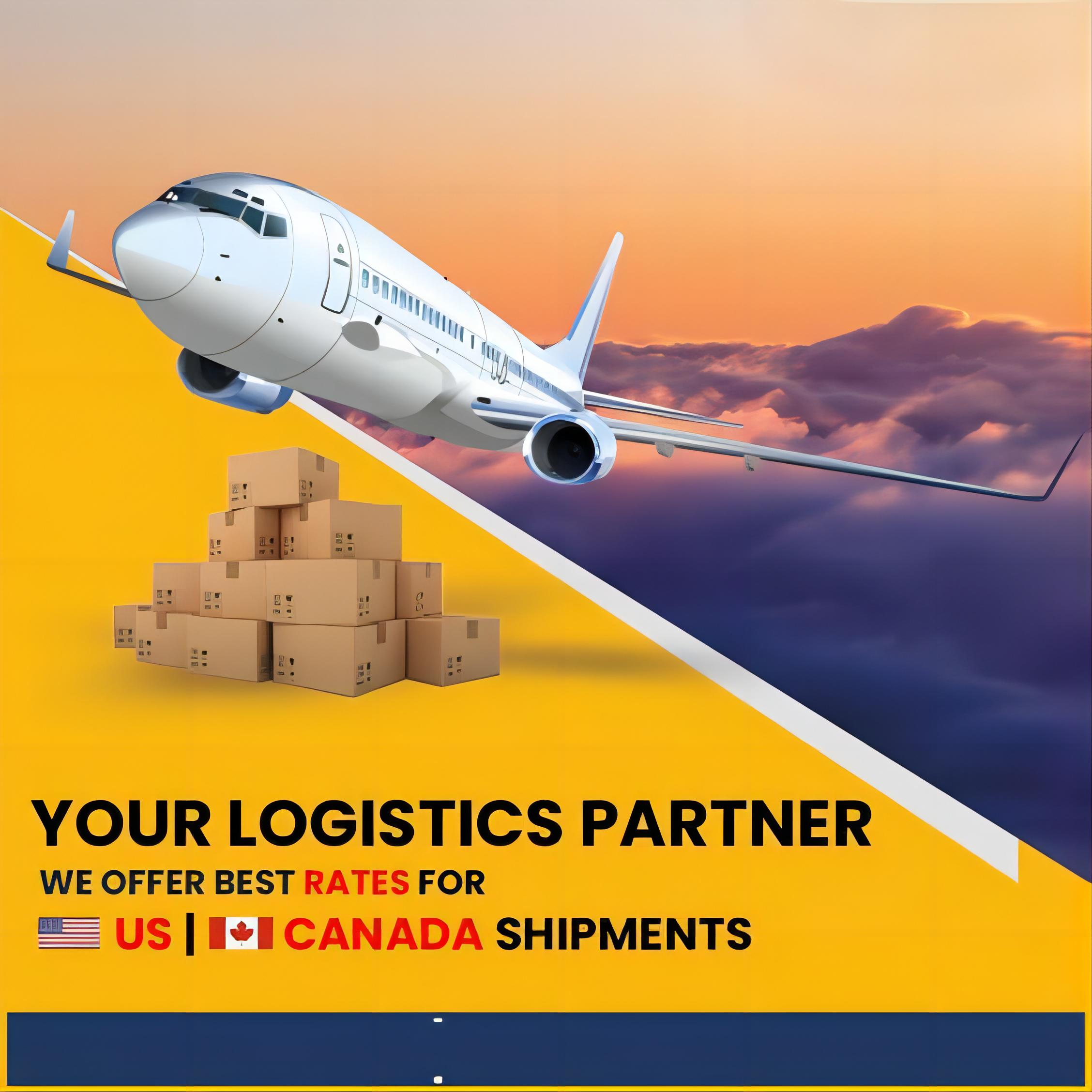
Navigating the complexities of international logistics requires a precise freight quote China USA UK Canada Europe to ensure your supply chain remains profitable. As global trade dynamics shift in 2026, businesses must adapt to changing transit times and fluctuating carrier capacities. Consequently, understanding the nuances of various shipping methods is essential for maintaining a competitive edge in the global marketplace. This guide provides a comprehensive overview of current market rates and logistics strategies to help you optimize your international shipping operations.

Current Market Context for a Freight Quote China USA UK Canada Europe in 2026
Obtaining a reliable freight quote China USA UK Canada Europe in early 2026 involves analyzing a market that has finally stabilized after the disruptions of previous years. Industry benchmarks indicate that while fuel surcharges remain variable, carrier capacity has reached a state of equilibrium. Therefore, shippers can expect more predictable pricing compared to the volatile fluctuations seen in the mid-2020s.
Moreover, the integration of digital tracking and smart logistics has streamlined the quoting process for modern enterprises. Specifically, real-time data allows for more accurate estimations of landed costs, which include everything from port fees to local trucking. Consequently, businesses are now better equipped to forecast their quarterly logistics spend with higher precision.
Furthermore, seasonal patterns still play a significant role in determining final costs for international shipments. For instance, rates typically increase by 15 to 25 percent during the peak season from August to October as retailers prepare for the holiday rush. Meanwhile, the weeks following the Lunar New Year often present opportunities for securing more favorable rates due to lower demand.
How Does Sea Freight Compare to Other Shipping Options?
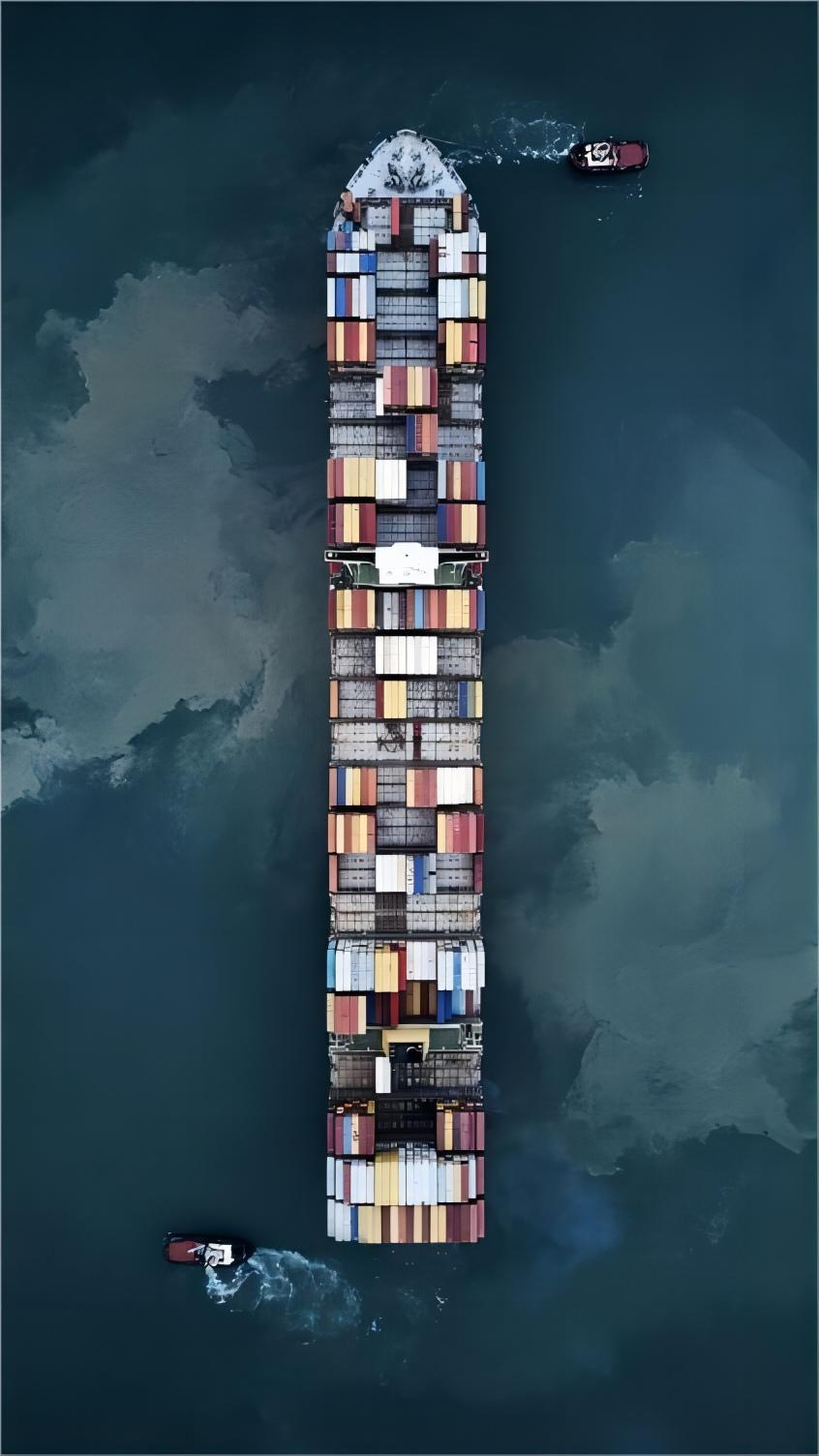
When you evaluate a freight quote China USA UK Canada Europe, comparing different transport modes is the most effective way to balance cost and speed. Sea freight remains the most economical choice for large volumes, although it requires the longest lead times. In contrast, air transport provides rapid delivery for high-value or time-sensitive inventory.
Additionally, businesses must consider the trade-offs between Full Container Load (FCL) and Less than Container Load (LCL) options. While FCL offers better security and faster handling, LCL is often more cost-effective for shipments under 15 cubic meters. Indeed, selecting the right mode can reduce your total logistics expenditure by up to 30 percent if planned correctly.
| Shipping Method | Cost Range | Transit Time | Best For |
|---|---|---|---|
| Air Freight | $4.50 – $9.00/kg | 3 – 7 Days | Urgent/High-Value |
| Sea Freight | $2,200 – $5,800/FEU | 25 – 45 Days | Bulk/Heavy Cargo |
| Rail Freight | $1.50 – $2.80/kg | 15 – 22 Days | Europe Mid-Range |
| Express Service | $7.00 – $12.00/kg | 2 – 5 Days | Samples/Small Parcels |

Logistics Strategies for Shipping to North America
Shipping to North America requires a deep understanding of the differences between West Coast and East Coast port operations. Specifically, shipments to Los Angeles or Long Beach usually arrive faster but may face occasional congestion during peak periods. Conversely, routing cargo through the Panama Canal to the East Coast takes longer but can be more convenient for distribution centers in New York or Georgia.
Moreover, Canadian logistics hubs like Vancouver and Toronto serve as critical entry points for the broader North American market. Businesses often utilize air freight for electronics and fashion items destined for major Canadian metropolitan areas. As a result, having a diversified port strategy can mitigate the risks associated with localized labor strikes or weather-related delays.
Furthermore, the rise of e-commerce has led many sellers to utilize Amazon FBA services for streamlined distribution. This approach allows companies to store inventory closer to the end consumer, thereby reducing last-mile delivery times. Consequently, your freight quote should account for the specific labeling and palletization requirements mandated by major fulfillment centers.
Navigating the European and UK Shipping Corridors
Obtaining a freight quote for Europe involves choosing between traditional maritime routes and the increasingly popular overland options. While the Suez Canal route remains the primary artery for trade, rail freight has emerged as a viable middle-ground solution for transcontinental shipments. Specifically, rail transit from China to hubs like Duisburg or Warsaw takes approximately 18 to 22 days.
Additionally, shipping to the UK has become more complex due to independent customs regulations following recent geopolitical shifts. Therefore, importers must ensure all documentation is perfectly aligned with UK Global Tariff requirements to avoid costly storage fees at ports like Felixstowe or Southampton. Meanwhile, direct sea routes to the UK typically take between 30 and 38 days depending on the carrier schedule.
Notably, environmental regulations in Europe are becoming stricter, leading many carriers to implement green surcharges. To summarize, businesses should look for logistics partners who prioritize fuel efficiency and carbon offset programs. Indeed, sustainability is no longer just a corporate social responsibility goal but a financial factor in modern freight pricing.
Case Studies: Realistic Shipping Scenarios for 2026
Case Study 1: Electronics to the USA West Coast
Route: Shenzhen, China to Los Angeles, USA
Cargo: Consumer Electronics, 12 CBM, 3,500 kg
Container: LCL (Less than Container Load)
Shipping Details:
– Carrier: Major Ocean Carrier
– Port of Loading: Shenzhen
– Port of Discharge: Los Angeles
– Route Type: Direct
Cost Breakdown:
– Ocean Freight: $1,850
– Origin Charges: $420
– Destination Charges: $380
– Customs and Duties: $160
– Total Landed Cost: $2,810
Timeline:
– Booking to Loading: 3 days
– Sea Transit: 16 days
– Customs Clearance: 3 days
– Total Door-to-Door: 22 days
Key Insight: Using a direct route to the West Coast saved the client 12 days compared to an East Coast alternative, though drayage costs were slightly higher due to local port demand.
Case Study 2: Industrial Machinery to the United Kingdom
Route: Ningbo, China to Felixstowe, UK
Cargo: Textile Machinery, 1 x 40HQ Container
Container: 40HQ (High Cube)
Shipping Details:
– Carrier: COSCO Shipping
– Port of Loading: Ningbo
– Port of Discharge: Felixstowe
– Route Type: Direct via Suez Canal
Cost Breakdown:
– Ocean Freight: $4,200
– Origin Charges: $550
– Destination Charges: $620
– Customs and Duties: $240
– Total Landed Cost: $5,610
Timeline:
– Booking to Loading: 5 days
– Sea Transit: 34 days
– Customs Clearance: 4 days
– Total Door-to-Door: 43 days
Key Insight: Securing a 40HQ container during the off-peak season in Q1 2026 resulted in a 15 percent cost reduction compared to Q4 2025 rates.
Which Option Should You Choose? Decision Framework
Choosing the right shipping method depends on your specific business priorities, whether you value speed, cost, or reliability. If your primary goal is budget optimization for non-urgent goods, sea freight is the clear winner. However, if you are launching a new product and need to meet a strict deadline, air freight is the necessary investment.
Regardless of the method chosen, always factor in a buffer for potential delays in the global supply chain. For example, port congestion or inland trucking shortages can add several days to the total transit time. Consequently, a hybrid approach that combines different modes can often provide the best balance of efficiency and cost.
| Priority | Recommended Method | Volume Threshold | Key Benefit |
|---|---|---|---|
| Budget | Sea Freight (FCL) | Over 15 CBM | Lowest unit cost |
| Speed | Air Freight | Under 500 kg | Fastest delivery |
| Reliability | Rail Freight | Any (to Europe) | Consistent schedule |
| Flexibility | Sea Freight (LCL) | 1 – 10 CBM | Pay only for space |
Understanding Customs Brokerage and Essential Documentation
Navigating the legal requirements of international trade is often the most challenging aspect of global logistics. Therefore, utilizing a professional customs brokerage service is highly recommended to ensure compliance with local laws. Specifically, incorrect documentation can lead to significant fines and lengthy cargo seizures at the border.
Moreover, every shipment must be accompanied by a standard set of documents to pass through customs smoothly. The primary documents include the Commercial Invoice, Packing List, and Bill of Lading. Furthermore, certain products may require specialized certificates, such as a Certificate of Origin or safety data sheets for hazardous materials.
Consequently, working with an experienced partner helps you identify the correct Harmonized System (HS) codes for your products. This classification determines the duty rates you will pay upon arrival in the USA, UK, Canada, or Europe. To summarize, proactive documentation management is the best way to prevent unexpected expenses during the import process.
| Document Name | Primary Purpose | Required For | Source |
|---|---|---|---|
| Commercial Invoice | Valuation and Tax | All Shipments | Seller/Exporter |
| Packing List | Content Verification | All Shipments | Seller/Exporter |
| Bill of Lading | Title and Contract | All Shipments | Carrier/Forwarder |
| Certificate of Origin | Trade Agreement Proof | Specific Regions | Chamber of Commerce |
Cost-Saving Strategies for Global Importers
Implementing a few strategic changes can lead to substantial savings on your freight quote China USA UK Canada Europe. One effective method is to consolidate smaller orders into a single FCL shipment to reduce the per-unit shipping cost. Additionally, negotiating longer-term contracts with freight forwarders can provide price stability during market fluctuations.
Another approach involves optimizing your product packaging to maximize container space and reduce dimensional weight charges. Specifically, removing excess air from packaging can allow you to fit more units into the same volume. Furthermore, choosing off-peak shipping dates can help you avoid the high surcharges associated with the busiest times of the year.
Finally, always request quotes from multiple providers to ensure you are receiving the most competitive market rate. However, remember that the cheapest option is not always the best if it comes with poor communication or unreliable transit times. Indeed, the value of a reliable logistics partner often outweighs a small difference in the initial price quote.
Final Thoughts on International Freight in 2026
Securing an accurate freight quote China USA UK Canada Europe is the first step toward a successful international trade operation. By understanding the differences between sea, air, and rail freight, you can make informed decisions that benefit your bottom line. As we move through 2026, staying informed about market trends and customs regulations remains essential for all importers.
Ultimately, the key to logistics success lies in planning, documentation, and choosing the right partners. Whether you are shipping to North America or Europe, a proactive approach will help you navigate any challenges that arise. We encourage you to use the data and strategies provided in this guide to enhance your shipping efficiency and reduce overall costs.
Note: Freight rates are subject to change based on fuel costs, carrier capacity, and seasonal demand. Contact us for a current quote tailored to your specific shipment.

Ready to streamline your logistics?
Ready to optimize your global supply chain with a competitive freight quote China USA UK Canada Europe? Our team of logistics experts is standing by to provide you with a tailored shipping solution that meets your specific budget and timeline requirements. Contact us today to receive your personalized quote and experience seamless international shipping. Send Inquiry link: Visit https://alichinafreight.com/ for more information.
Request Quote