

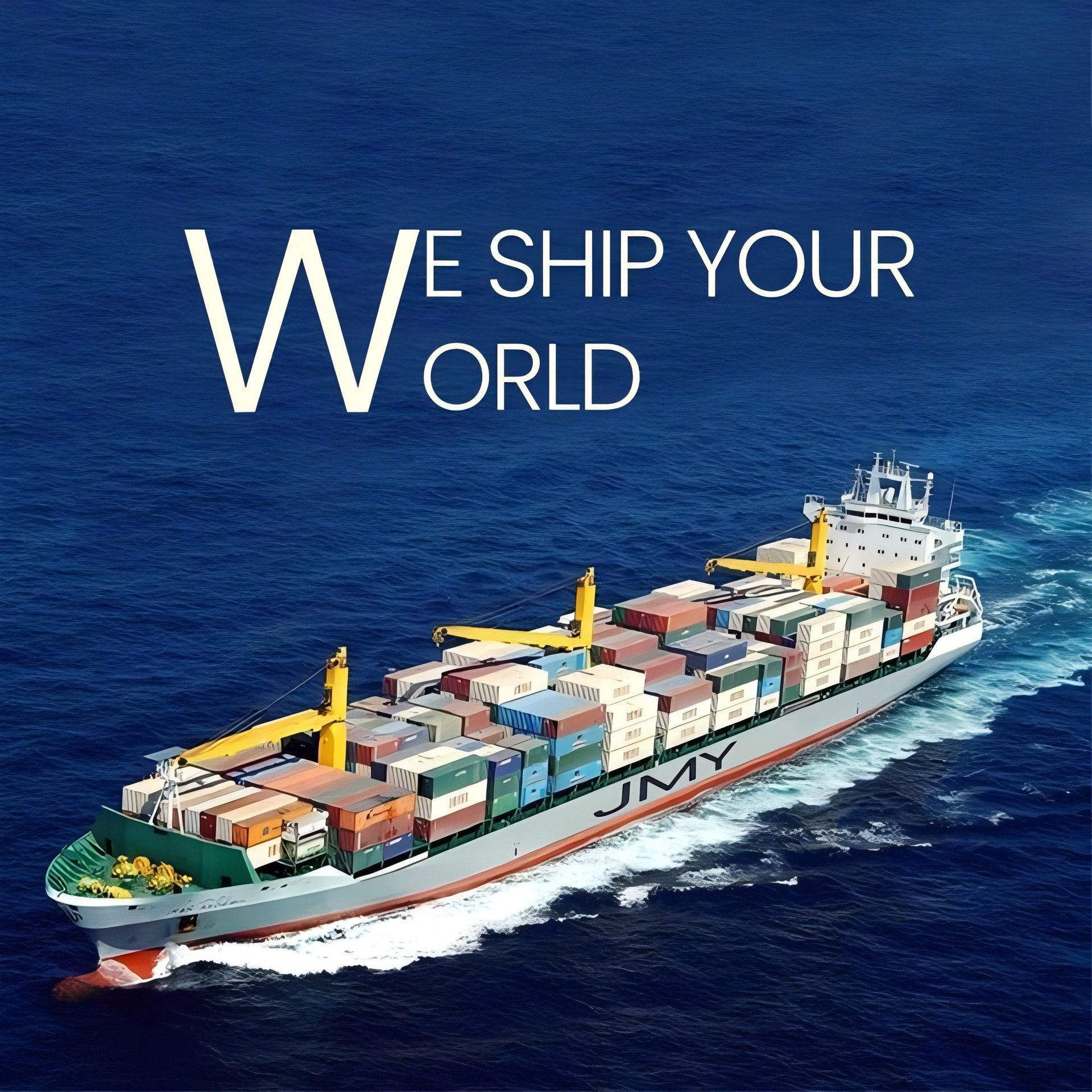
Freight Tracking China to USA Europe: The 2026 Global Logistics Guide
Freight tracking China to USA Europe has become the cornerstone of successful international trade in 2026. Modern businesses require absolute transparency to manage inventory levels and meet customer expectations in a fast-paced global market. By visiting alichinafreight.com, you can access advanced logistics tools that streamline your shipping operations and provide the real-time data necessary for informed decision-making.
Why is Real-Time Freight Tracking China to USA Europe Essential?
Supply chain visibility has evolved from a luxury to a mandatory requirement for importers in 2026. Consequently, shippers who utilize sophisticated tracking systems can mitigate risks associated with port congestion and transit delays.
Moreover, accurate data allows companies to optimize their last-mile delivery schedules and reduce warehousing costs. Therefore, implementing a robust tracking strategy is vital for maintaining a competitive edge in the North American and European markets.
Additionally, the integration of AI-driven analytics helps predict potential disruptions before they occur. As a result, businesses can pivot their logistics strategies proactively rather than reacting to crises after they happen.
Furthermore, customers now demand transparency throughout the entire shipping journey. Indeed, providing a tracking number is no longer sufficient; stakeholders expect live updates and precise arrival estimates for their high-value cargo.
How Does Sea Freight Tracking Provide Global Visibility?
Ocean shipping remains the most popular method for transporting large volumes of goods across the Pacific and Atlantic. For many businesses, choosing sea freight offers the best balance between cost-efficiency and cargo capacity.
Nevertheless, the long transit times associated with ocean routes necessitate precise tracking to manage cash flow and inventory. Most modern carriers now offer GPS-enabled container tracking that updates every few hours while at sea.
Meanwhile, port-to-port visibility has improved significantly with the adoption of blockchain technology in major Chinese and American hubs. Consequently, you can monitor exactly when your container is loaded, discharged, and cleared through customs.
In addition, satellite tracking ensures that even during mid-ocean transit, you are never in the dark about your shipment’s location. This level of detail is crucial for managing large-scale distribution projects across multiple continents.
Comparing Shipping Methods: Cost, Speed, and Tracking Accuracy
Different shipping modes offer varying levels of tracking frequency and data depth. While air freight provides the most rapid updates, sea and rail options have made significant technological strides in early 2026.
For instance, rail freight has become a viable middle ground for shipments destined for Europe, offering faster transit than sea at a lower cost than air. However, each method has its own set of tracking protocols and data standards.
Therefore, understanding these differences is essential for selecting the right service for your specific cargo needs. The following table highlights the key performance indicators for each primary shipping method currently available.
| Method | Transit Time | Tracking Detail | 2026 Cost Index |
|---|---|---|---|
| Air Freight | 3-7 Days | Real-time / Hourly | Very High |
| Sea Freight | 25-40 Days | Daily / Milestone | Low to Moderate |
| Rail (to Europe) | 15-22 Days | Daily Updates | Moderate |
| Express Service | 2-5 Days | Real-time / Instant | Highest |
What Are the Current 2026 Shipping Rates and Transit Times?
Market data suggests that freight rates have stabilized in the first half of 2026 following the fluctuations of previous years. Nevertheless, seasonal demand during the late summer peak still influences pricing for both USA and Europe routes.
For example, shipping a 40HQ container from Shanghai to Los Angeles currently ranges between $2,800 and $3,800 depending on the carrier. In contrast, routes to the US East Coast via the Panama Canal remain slightly more expensive due to transit surcharges.
Moreover, European routes have seen a slight increase in efficiency as port automation projects in Rotterdam and Hamburg come online. Consequently, transit times have become more predictable, allowing for better synchronization with local delivery networks.
Note: Freight rates are subject to change based on fuel costs, carrier capacity, and seasonal demand. Contact us for a current quote tailored to your specific shipment.
| Route | 20GP Container | 40HQ Container | Est. Transit |
|---|---|---|---|
| China to USA West | $1,500 – $2,200 | $2,800 – $3,800 | 14-18 Days |
| China to USA East | $2,500 – $3,500 | $4,500 – $6,000 | 30-35 Days |
| China to Europe | $1,800 – $2,500 | $3,000 – $4,200 | 28-35 Days |
| China to UK | $2,000 – $2,800 | $3,500 – $4,500 | 30-38 Days |
How Does Air Freight Compare to Other Shipping Options?
While sea freight is the workhorse of global trade, air freight remains the preferred choice for time-sensitive or high-value commodities. In 2026, air cargo tracking systems offer the most granular data available in the industry.
However, the cost disparity between air and sea remains significant, often reaching five to ten times the price for the same weight. Therefore, shippers must weigh the benefits of speed against the impact on their profit margins.
For shipments under 300kg, air freight or express services often prove more economical when considering total landed costs. On the other hand, bulk commodities and heavy machinery almost always favor ocean transport due to the massive volume discounts available.
Additionally, hybrid solutions like sea-air combinations have gained popularity in 2026. These strategies involve shipping by sea to a hub like Dubai or Singapore, then flying the cargo to the final destination to save both time and money.
| Shipping Method | Cost Range | Transit Time | Best For | Limitations |
|---|---|---|---|---|
| Sea Freight (FCL) | $3,000 – $5,000 | 30-40 Days | Bulk / Heavy | Slow Speed |
| Air Freight | $5,000 – $15,000 | 3-7 Days | Urgent / High-Value | Expensive |
| Rail Freight | $2,500 – $4,000 | 18-22 Days | Mid-sized to Europe | Land routes only |
| Sea-Air Hybrid | $4,000 – $7,000 | 15-20 Days | Balanced Priority | Complex Logistics |
Case Study 1: Electronics from Shenzhen to Los Angeles
Case Study 01: High-Tech Component Distribution
Route: Shenzhen, China to Los Angeles, USA
Cargo: Computer hardware and sensors, 12 CBM, 4,500 kg
Container: LCL 12 CBM
Shipping Details:
– Carrier/Service: Major trans-Pacific carrier
– Port of Loading: Shenzhen
– Port of Discharge: Los Angeles
– Route Type: Direct
Cost Breakdown:
– Ocean Freight: $1,450
– Origin Charges: $320
– Destination Charges: $450
– Customs and Duties: $1,200
– Total Landed Cost: $3,420
Timeline:
– Booking to Loading: 3 days
– Sea Transit: 15 days
– Customs Clearance: 2 days
– Total Door-to-Door: 20 days
Key Insight: Utilizing a direct route to the West Coast saved the client 10 days compared to an East Coast discharge. Based on Q1 2026 market rates, this was the most cost-effective solution for mid-sized electronics shipments.
Case Study 2: Industrial Machinery from Ningbo to Hamburg
Case Study 02: European Manufacturing Expansion
Route: Ningbo, China to Hamburg, Germany
Cargo: Industrial CNC machinery, 28 CBM, 18,000 kg
Container: 40GP
Shipping Details:
– Carrier/Service: Maersk / MSC Alliance
– Port of Loading: Ningbo
– Port of Discharge: Hamburg
– Route Type: Direct via Suez Canal
Cost Breakdown:
– Ocean Freight: $3,200
– Origin Charges: $400
– Destination Charges: $550
– Customs and Duties: $2,100
– Total Landed Cost: $6,250
Timeline:
– Booking to Loading: 5 days
– Sea Transit: 32 days
– Customs Clearance: 3 days
– Total Door-to-Door: 40 days
Key Insight: Despite slight congestion in European ports during early 2026, the use of a major alliance carrier ensured priority berthing. Advanced freight tracking China to USA Europe tools allowed the factory to schedule installation crews exactly 48 hours after port discharge.
Which Option Should You Choose? Decision Framework
Choosing the right shipping method requires a careful analysis of your budget, timeline, and cargo specifications. If your primary goal is cost reduction, sea freight remains the undisputed leader for large volumes.
Conversely, if you are launching a new product or replenishing low stock, the speed of air freight justifies the higher investment. For European destinations, always consider rail freight as a competitive alternative that bridges the gap between sea and air.
Furthermore, small-volume shippers should look into LCL (Less than Container Load) options to avoid paying for unused space. In contrast, FCL (Full Container Load) is more secure and faster for shipments exceeding 15 CBM.
Finally, ensure your provider offers comprehensive customs brokerage services. Without smooth clearance, even the fastest shipping method will suffer from avoidable delays at the border.
Maximizing Visibility with Door to Door Services
The most effective way to ensure seamless freight tracking China to USA Europe is to utilize door to door solutions. This approach consolidates the entire journey under a single tracking number and service provider.
As a result, you eliminate the communication gaps that often occur between different carriers and local truckers. This integration is particularly beneficial for Amazon FBA sellers who need to meet strict delivery windows at fulfillment centers.
Moreover, door-to-door services typically include all-in pricing, which simplifies your accounting and prevents unexpected destination fees. In 2026, this model has become the standard for small to medium enterprises looking for hassle-free logistics.
Indeed, having a single point of contact for your shipment from a factory in Guangdong to a warehouse in Berlin or Chicago reduces administrative overhead significantly. Consequently, your team can focus on sales and growth rather than chasing logistics updates.
Mastering Your Global Logistics Strategy
In summary, successful freight tracking China to USA Europe requires a combination of the right shipping method and advanced digital tools. By understanding the trade-offs between speed and cost, you can build a more resilient supply chain that withstands market fluctuations.
Whether you choose air, sea, or rail, maintaining constant visibility is the key to preventing delays and satisfying your customers. As we move through 2026, the integration of technology and logistics will only continue to deepen, offering even greater transparency for global traders.
Therefore, partnering with an experienced freight forwarder who prioritizes tracking and communication is the best investment you can make for your import business. Start optimizing your routes today and take control of your cargo journey from China to the world.
Start Your Shipment
Streamline your international supply chain with professional freight tracking China to USA Europe solutions today. Contact our expert team at alichinafreight.com to receive a customized quote and experience the benefits of real-time logistics visibility for your business. Send Inquiry: info@alichinafreight.com
Request Quote