


Global Freight Forwarder China Logistics Company: 2026 Strategic Shipping Guide
“Selecting a reliable global freight forwarder china logistics company is a critical decision for any business involved in international trade. As market dynamics shift in early 2026, companies must find partners that offer more than just transportation. This guide explores how specialized logistics services can optimize your supply chain and reduce overall landed costs.”

Why Choose a Professional Global Freight Forwarder China Logistics Company?
❖Navigating the complexities of international trade requires deep expertise in local regulations and global transport networks. Consequently, a dedicated logistics partner acts as your eyes and ears on the ground in China. They manage everything from initial cargo handling to final delivery at your destination warehouse.
Moreover, the logistics landscape in 2026 demands high levels of transparency and digital integration. Professional forwarders provide real-time tracking and data-driven insights that help you anticipate potential delays. This proactive approach ensures your inventory levels remain stable despite seasonal fluctuations in demand.
Additionally, many businesses struggle with the intricacies of export documentation and compliance requirements. A global freight forwarder china logistics company simplifies this process by managing all necessary paperwork. As a result, you avoid costly penalties and ensure your goods move smoothly through international borders.
Without a doubt, the primary benefit of a professional partnership is cost efficiency. Experts leverage their relationships with major carriers to secure competitive freight rates that individual shippers cannot access. Therefore, partnering with a specialist directly impacts your bottom line and improves your competitive advantage.
How Does Sea Freight Compare to Other Shipping Options?
❖Understanding the differences between transport modes is essential for making informed shipping decisions in 2026. While sea freight remains the most popular choice for bulk shipments, other options offer unique advantages. For instance, air freight provides unmatched speed for high-value or perishable items.
On the other hand, rail freight has emerged as a viable middle ground for shipments to Europe. It offers faster transit times than ocean transport while remaining significantly cheaper than air cargo. Meanwhile, express services are ideal for small parcels and urgent document deliveries.
To summarize the current market conditions, businesses must weigh the trade-offs between cost and speed carefully. In 2026, ocean freight rates have stabilized, making it the preferred method for standard inventory replenishment. The following table provides a detailed comparison of the primary shipping methods available from China.
| Shipping Method | Cost Range | Transit Time | Best For |
|---|---|---|---|
| Sea Freight (FCL) | Moderate ($2,000-$5,000) | 14-40 Days | Large bulk shipments |
| Air Freight | High ($5-$12/kg) | 3-7 Days | Urgent, high-value goods |
| Rail Freight | Mid ($100-$180/CBM) | 18-25 Days | Europe-bound inventory |
| Express Service | Very High ($8-$20/kg) | 2-5 Days | Small samples or parcels |
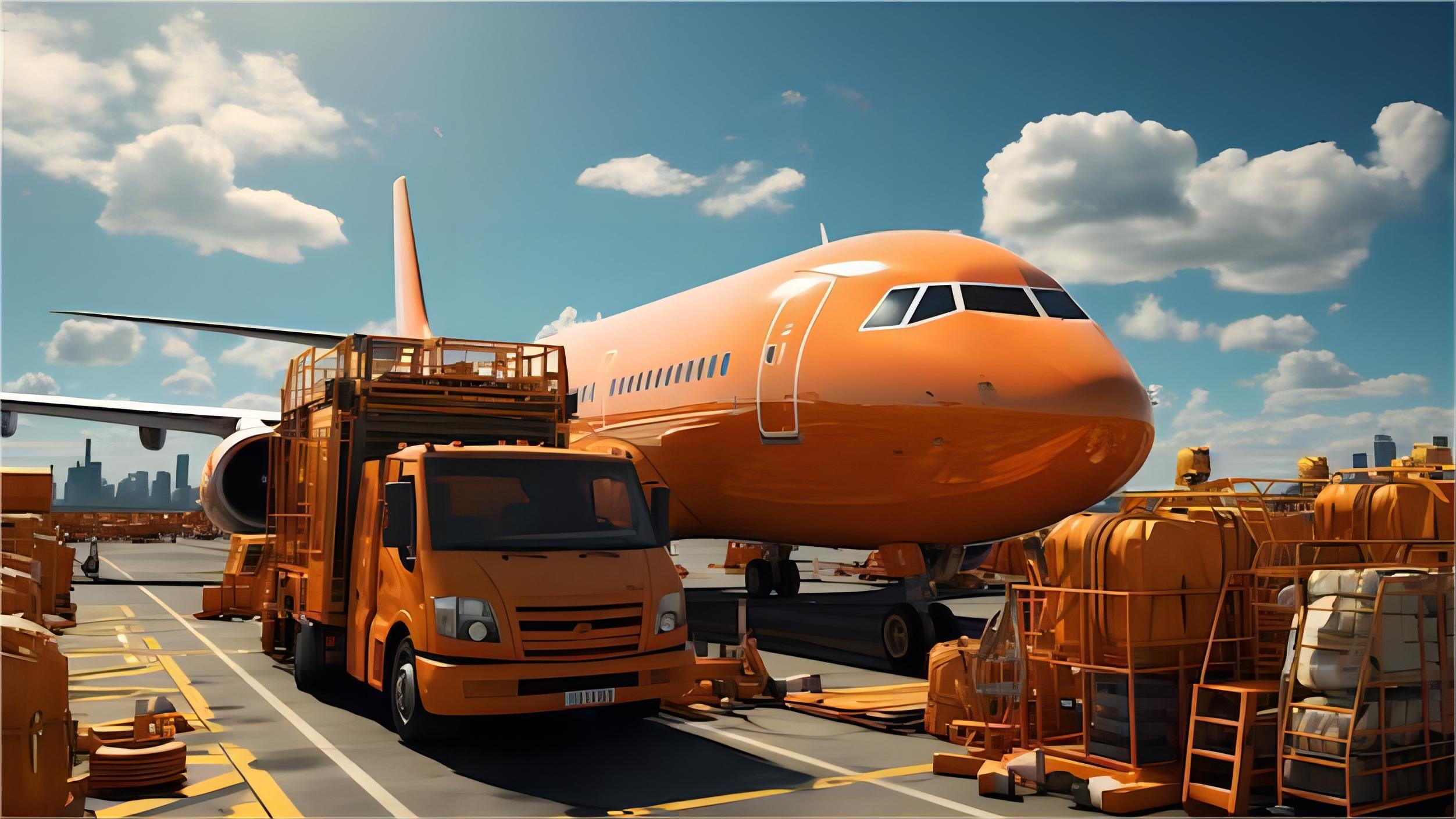
Air Freight vs Rail Freight: Speed and Cost Trade-offs
❖When time is of the essence, air freight stands out as the most reliable solution for meeting tight deadlines. However, the high cost per kilogram means it is usually reserved for specific cargo types. For example, electronics and fashion items often travel by air to meet rapid market cycles.
Furthermore, the air cargo industry in 2026 has increased capacity through the use of dedicated freighters and belly cargo on passenger flights. This increase in supply has helped stabilize rates compared to the volatility seen in previous years. Nevertheless, businesses should still budget for peak season surcharges during the Q4 holiday rush.
In contrast, rail freight offers a sustainable and cost-effective alternative for trans-Eurasian routes. It provides a reliable delivery schedule that is less affected by port congestion or weather disruptions. Indeed, many companies now use a hybrid strategy, combining rail for standard stock and air for emergency refills.
Consequently, your choice between these modes should depend on your specific margin requirements and lead times. If your product has a high value-to-weight ratio, air transport is often justifiable. Conversely, rail freight provides a strategic advantage for heavy industrial components destined for the European market.
Navigating Customs Brokerage and Compliance in 2026
❖Effective customs brokerage is the backbone of any successful international shipping operation. In 2026, customs authorities have implemented stricter digital filing requirements and environmental compliance checks. Therefore, working with a knowledgeable broker is more important than ever to avoid delays.
Moreover, different countries have varying import duties and tax structures that can significantly affect your landed cost. A professional global freight forwarder china logistics company provides expert guidance on HS code classification. For instance, correctly identifying your product can sometimes lead to lower duty rates or exemptions.
Additionally, the rise of trade agreements and regional partnerships has created new opportunities for savvy importers. Your logistics partner should stay updated on these changes to ensure you are taking full advantage of available benefits. As a result, you can streamline your import process and maintain full compliance with all local laws.
Without a doubt, documentation errors are the leading cause of shipment seizures and fines at the border. By outsourcing this task to a specialist, you ensure that every commercial invoice and packing list is accurate. This attention to detail protects your business reputation and ensures a smooth flow of goods.
Real-World Case Studies: Logistics Success Stories
❖Reviewing actual shipping scenarios helps illustrate the practical challenges and solutions in the current market. These case studies reflect typical operations managed by a global freight forwarder china logistics company in 2026. They demonstrate how strategic planning leads to successful outcomes for diverse cargo types.
Case Study 1: Electronics Shipment to USA West Coast. Route: Shenzhen to Los Angeles. Cargo: 500 units of smart home devices, 4 CBM, 850 kg. Method: Sea Freight LCL. Ocean Freight: $450. Origin Charges: $120. Destination Charges: $210. Customs: $180. Total Cost: $960. Transit: 18 days. Insight: Consolidating LCL cargo saved the client 60% compared to air freight.
Case Study 2: Industrial Machinery to Germany. Route: Ningbo to Hamburg. Cargo: Precision CNC machine, 18 CBM, 4500 kg. Method: Rail Freight. Rail Freight: $2,800. Origin Charges: $350. Destination Charges: $420. Customs: $550. Total Cost: $4,120. Transit: 22 days. Insight: Rail provided a 15-day speed advantage over sea freight at a manageable price point.
Case Study 3: Urgent Fashion Launch to Australia. Route: Guangzhou to Sydney. Cargo: Seasonal apparel samples, 0.5 CBM, 120 kg. Method: Air Freight. Air Freight: $950. Total Landed Cost: $1,150. Transit: 4 days. Insight: Fast transit allowed the client to meet a critical retail launch date despite production delays.

Cost-Saving Strategies for Your 2026 Shipments
❖Reducing shipping costs requires a combination of smart planning and operational efficiency. For example, optimizing your packaging to reduce wasted space can lead to significant savings on LCL and air freight. Furthermore, consolidating multiple small orders into a single FCL shipment often reduces the cost per unit.
Additionally, booking your shipments well in advance allows you to secure better rates and guaranteed space on vessels. In 2026, carriers offer early-bird discounts for bookings made at least three weeks before the departure date. Consequently, proactive supply chain management is a powerful tool for budget control.
Another effective strategy involves reviewing your Incoterms to ensure you have control over the shipping process. By choosing terms like EXW or FOB, you can select your own global freight forwarder china logistics company and negotiate rates directly. This prevents hidden markups that often occur when the supplier handles the logistics.
Finally, always consider the impact of seasonal trends on freight rates. Rates typically increase by 15-25% during the peak season from August to October. Therefore, if your schedule allows, shipping during the off-peak months can result in substantial savings for your business.
Door to Door Services: Total Logistics Control
❖The demand for door to door shipping has grown significantly as businesses seek to simplify their operations. This service covers every step of the journey, from the factory floor in China to your final destination. Consequently, you only have to deal with a single point of contact for the entire process.
Moreover, door-to-door solutions often include integrated tracking and insurance, providing peace of mind for high-value shipments. Your global freight forwarder china logistics company manages the hand-offs between different carriers and local delivery teams. As a result, the risk of damage or loss during transit is greatly minimized.
In addition, this model allows for better predictable budgeting, as most quotes are all-inclusive of freight, duties, and local handling. Without a doubt, the convenience of a turnkey solution allows you to focus on your core business activities. Meanwhile, your logistics partner ensures that your goods arrive exactly where they are needed.
Indeed, small and medium enterprises find this service particularly beneficial as they may lack dedicated logistics departments. By leveraging the infrastructure of a global forwarder, they can compete on a level playing field with larger corporations. Therefore, door-to-door service is more than just a convenience; it is a strategic business tool.
Amazon FBA and E-commerce Logistics Excellence
❖Selling on international platforms requires specialized knowledge of strict delivery requirements. For instance, Amazon FBA has specific rules regarding palletization, labeling, and appointment scheduling. A specialized global freight forwarder china logistics company ensures your shipments meet these standards every time.
Furthermore, e-commerce businesses must maintain high inventory turnover rates to remain profitable. This necessitates a logistics partner that can offer flexible shipping volumes and rapid transit options. Consequently, many sellers use a mix of sea and air freight to balance their inventory needs throughout the year.
In 2026, the integration of AI-driven forecasting tools has allowed forwarders to better predict warehouse capacity and transit times. This technology helps e-commerce brands avoid the dreaded out-of-stock scenarios that can hurt their search rankings. Therefore, choosing a tech-forward logistics partner is essential for digital success.
Additionally, managing returns and localized warehousing has become a key part of the e-commerce supply chain. Many forwarders now offer value-added services such as quality inspections and re-labeling in China. As a result, you can ensure that only high-quality products reach your customers, reducing return rates and increasing satisfaction.
Transit Time and Destination Analysis for 2026
❖Transit times are a major factor in determining your overall supply chain velocity. In 2026, infrastructure improvements in major Chinese ports like Ningbo and Shanghai have streamlined the loading process. However, destination port congestion remains a variable that must be factored into your planning.
Moreover, different regions have unique transit profiles based on their distance from China and the frequency of carrier rotations. For example, shipping to the US West Coast is significantly faster than shipping to the East Coast via the Panama Canal. Understanding these nuances helps you set realistic expectations for your customers and stakeholders.
The following table outlines the typical transit times for major global routes as of early 2026. These estimates include the time required for loading, sea transit, and standard customs clearance. Note that these times can vary based on the specific carrier and route type chosen.
| Destination Region | Sea Freight (Days) | Air Freight (Days) | Rail Freight (Days) |
|---|---|---|---|
| North America (West) | 14-18 | 3-5 | N/A |
| North America (East) | 30-35 | 4-6 | N/A |
| Europe (Main Ports) | 28-35 | 4-7 | 18-25 |
| Australia | 12-18 | 3-5 | N/A |
| United Kingdom | 30-38 | 4-7 | 22-28 |
Which Option Should You Choose? Decision Framework
❖Choosing the right logistics strategy requires a clear understanding of your business priorities. If your primary goal is cost reduction, sea freight is almost always the best choice for large volumes. However, if you are launching a new product or responding to a sudden surge in demand, speed may take precedence.
Furthermore, the type of cargo you are shipping will dictate certain requirements. Hazardous materials, oversized machinery, and temperature-sensitive goods all require specialized handling and equipment. Consequently, you must ensure your chosen global freight forwarder china logistics company has experience with your specific niche.
In addition, consider the volume of your shipments when deciding between FCL and LCL. For shipments over 15 CBM, a full container is usually more economical and offers better security. On the other hand, LCL is perfect for smaller businesses that want to keep their inventory lean and minimize storage costs.
Finally, evaluate the level of support you need from your logistics partner. Some businesses prefer a hands-on approach with frequent updates, while others want a fully managed solution. By defining your expectations early, you can build a long-term partnership that supports your growth and success.
Mastering Your Global Logistics Strategy
In conclusion, navigating the international shipping market in 2026 requires a mix of strategic planning and expert partnership. A professional global freight forwarder china logistics company provides the necessary tools and expertise to manage these complexities effectively. By understanding the trade-offs between different shipping modes and implementing cost-saving strategies, you can significantly enhance your supply chain efficiency.
Furthermore, staying informed about market trends and regulatory changes ensures your business remains compliant and competitive. Whether you are shipping by sea, air, or rail, the right logistics partner will help you overcome challenges and reach your global customers. Take the time to evaluate your options and choose a provider that aligns with your long-term business goals.
Ready to streamline your logistics?
Ready to optimize your supply chain with a reliable global freight forwarder china logistics company? Contact our team today for a customized 2026 shipping quote tailored to your business needs. Visit https://alichinafreight.com/ for more details. Send Inquiry: Visit our contact page.
Request Quote