

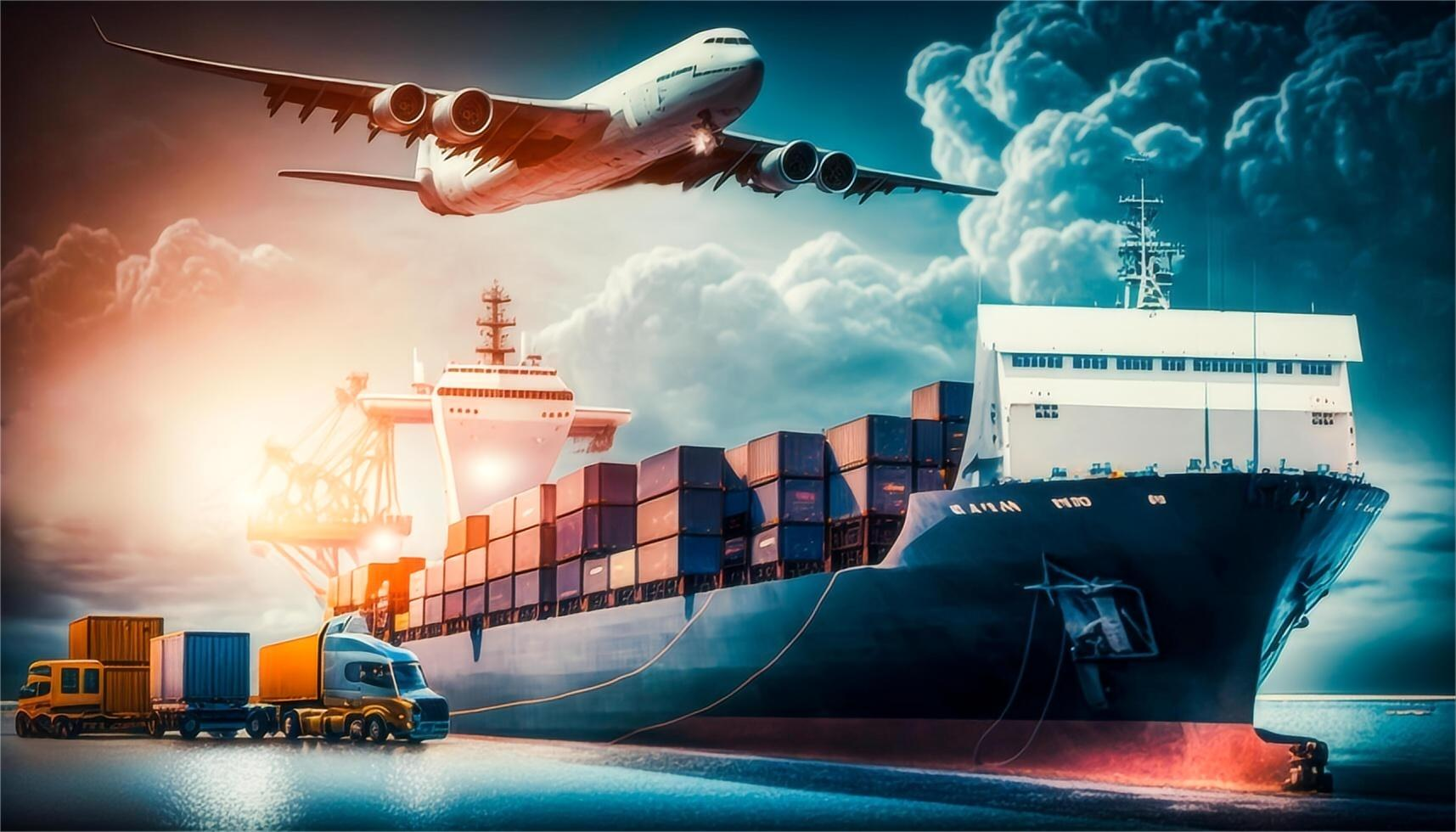
Global shipping China logistics export import: 2026 Strategy Guide
Navigating the complexities of global shipping China logistics export import requires a strategic approach to maintain competitive edges in 2026. Businesses must balance speed and cost while ensuring compliance with evolving international trade regulations. Partnering with alichinafreight.com provides the necessary expertise to streamline your supply chain and reduce overhead through tailored freight solutions.
Understanding Global Shipping China Logistics Export Import in 2026
International trade environments have shifted significantly as we enter 2026, demanding more agile supply chain responses. Consequently, understanding the nuances of global shipping China logistics export import is essential for any importer looking to minimize landed costs. High-volume shippers often prioritize consistency over the lowest possible price to avoid port congestion delays.
Moreover, the integration of digital tracking and automated documentation has revolutionized how cargo moves across borders. Therefore, staying informed about current logistics trends 2026 is no longer optional for successful businesses. We see a growing trend toward hybrid solutions that combine different transport modes to optimize delivery schedules.
How Does Sea Freight Compare to Other Shipping Options?
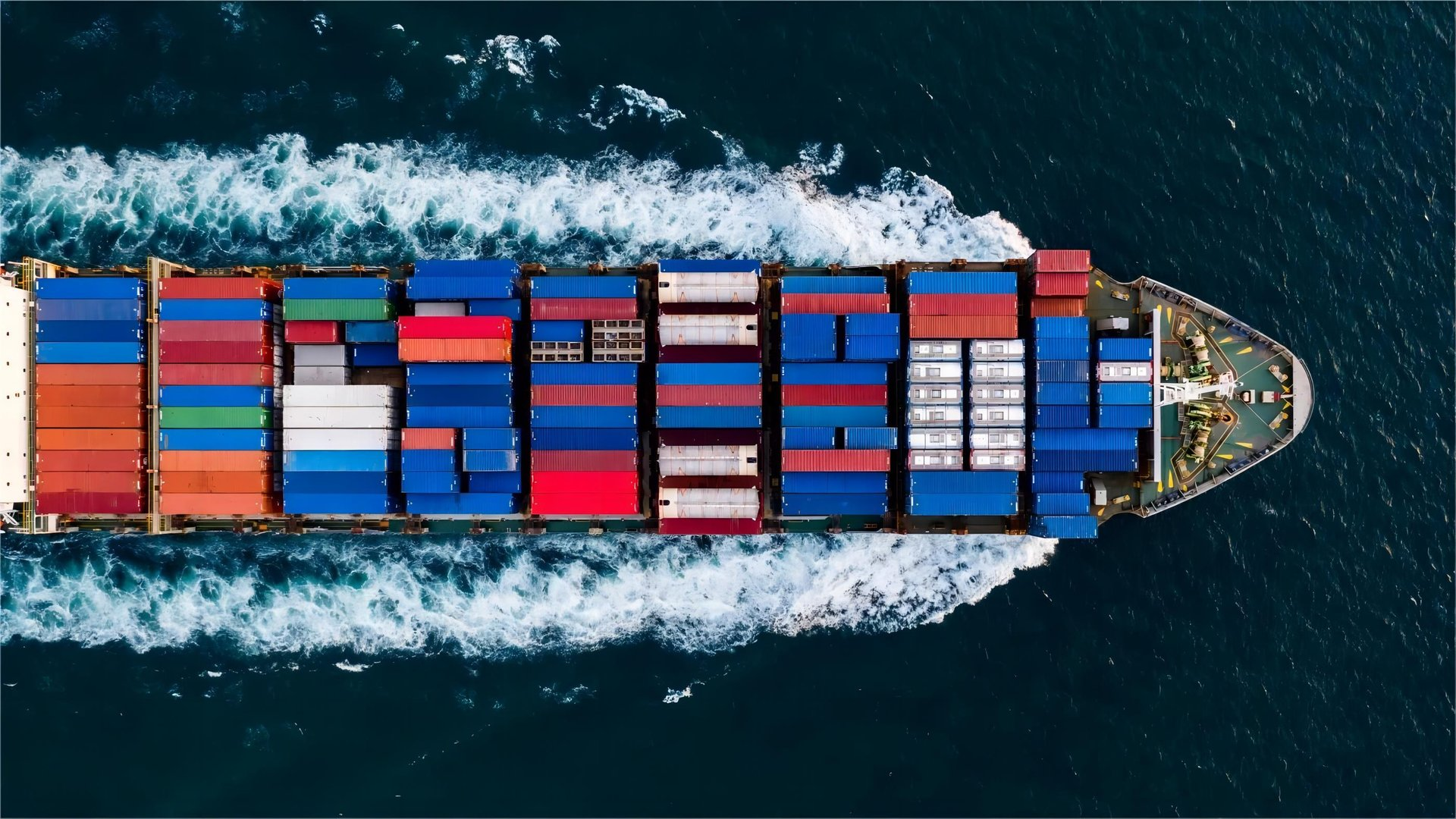
While sea freight remains the backbone of international trade, it is important to analyze how it stands against air and rail alternatives. Sea transport offers the lowest cost per unit for bulk shipments, making it the primary choice for global shipping China logistics export import operations. However, the longer transit times require meticulous inventory planning to avoid stockouts.
Comparing these methods involves looking at cost, speed, and reliability across different routes. For instance, shipping from China to Europe via sea freight typically takes 30 to 40 days depending on the specific port of discharge. In contrast, air cargo can complete the same journey in less than a week but at a significantly higher price point.
| Shipping Method | Cost Range | Transit Time | Best For |
|---|---|---|---|
| Sea Freight | $1,500 – $4,500 | 25-45 Days | Bulk & Large Items |
| Air Freight | $5.00 – $9.00/kg | 3-7 Days | Urgent & High Value |
| Rail Freight | $2,000 – $3,500 | 15-22 Days | China to Europe |
| Express | $8.00 – $15.00/kg | 2-5 Days | Small Parcels |

Choosing Between FCL and LCL for China Exports
Selecting the right container load type is a critical decision in managing global shipping China logistics export import costs. Full Container Load (FCL) provides a dedicated space for your goods, which often results in faster handling and lower risk of damage. Consequently, businesses with more than 15 cubic meters of cargo usually find FCL to be the most economical choice.
On the other hand, Less than Container Load (LCL) allows multiple shippers to share space within a single container. This method is ideal for smaller shipments, though it involves additional handling at consolidation warehouses. Furthermore, LCL rates are calculated per cubic meter, which can fluctuate based on seasonal demand and carrier capacity.
The Role of Air Freight in Modern Supply Chains
Air cargo services serve as a vital component for time-sensitive global shipping China logistics export import requirements. When product lifecycles are short or demand spikes unexpectedly, air freight offers the necessary speed to keep shelves stocked. Indeed, the reliability of flight schedules provides a level of predictability that ocean transport often lacks.
Additionally, the security protocols at major air hubs reduce the likelihood of theft or tampering during transit. Most electronics and high-fashion retailers utilize air transport to maintain lean inventory levels. Nevertheless, the environmental impact and high fuel surcharges in 2026 make it a method to be used strategically rather than for every shipment.
Navigating Customs Brokerage and Compliance
Compliance with international trade laws is a cornerstone of efficient global shipping China logistics export import management. An experienced customs brokerage partner ensures that all documentation, including commercial invoices and packing lists, is accurate. Therefore, avoiding costly fines and shipment seizures depends on your ability to navigate complex tariff codes.
Customs regulations frequently change, and 2026 has seen new environmental levies on certain imported materials. Consequently, proactive duty management and tariff classification are essential for maintaining healthy profit margins. We recommend conducting regular audits of your import processes to identify potential areas for cost savings.
Door to Door Logistics: Simplifying Global Trade
Managing multiple vendors for trucking, shipping, and customs can be overwhelming for many businesses. Consequently, a door to door service model simplifies the entire global shipping China logistics export import process. This integrated approach allows the freight forwarder to handle every step from the factory floor to the final warehouse destination.
Indeed, this model provides superior visibility as you only have a single point of contact for tracking and billing. Many small to medium enterprises prefer this solution because it eliminates the need for an in-house logistics department. Furthermore, the consolidated pricing often results in fewer hidden fees compared to managing each leg of the journey independently.
Which Option Should You Choose?
Selecting the optimal shipping method depends on your specific business priorities, cargo volume, and budget constraints. If your primary goal is cost reduction, sea freight remains the undisputed leader for large-scale global shipping China logistics export import. Conversely, if you are launching a new product and need it in the market immediately, air freight is the necessary investment.
Ultimately, a hybrid strategy often yields the best results for diverse product lines. For example, you might ship 80% of your inventory via ocean to save money and 20% via air to handle unexpected surges in demand. Essentially, the right choice is the one that aligns with your customer expectations and financial objectives.
Real-World Case Studies for 2026 Shipments
Examining actual shipping scenarios provides valuable insights into the practical application of global shipping China logistics export import strategies. These cases highlight the importance of choosing the right carrier and route to avoid common pitfalls. Notably, the rates mentioned reflect the market stabilization seen in early 2026.
Case Study 1: Shenzhen to Rotterdam. A consumer electronics firm shipped a 40HQ container of smart home devices. By choosing a direct route with COSCO, they achieved a sea transit time of 34 days. The total landed cost was $5,050, including all origin and destination charges, which allowed them to maintain a competitive retail price point.
Case Study 2: Shanghai to Los Angeles. A fashion retailer utilized LCL air freight for a 500kg urgent restock. The shipment arrived in just 6 days, preventing a stockout during a major sales event. Despite the higher freight rate of $4.50/kg, the prevented loss of sales revenue justified the expedited shipping cost.
Case Study 3: Ningbo to Sydney. An industrial parts manufacturer used a 20GP container for heavy machinery components. They opted for a direct sea service that arrived in 16 days. This efficient transit allowed them to meet a strict installation deadline for their Australian client while keeping shipping costs around $2,050.
Logistics Trends and Cost-Saving Strategies
Supply chain managers are increasingly looking for ways to mitigate the rising costs of global shipping China logistics export import. One effective strategy is the optimization of packaging to maximize container utilization and reduce wasted space. Specifically, switching from oversized boxes to custom-fit packaging can save up to 15% on freight costs over time.
Efficient use of Amazon FBA logistics also helps e-commerce sellers streamline their distribution. By shipping directly from China to FBA centers, sellers can reduce transit times and lower domestic storage fees. Additionally, leveraging trade agreements and duty drawback programs can provide significant financial relief for high-volume importers.
Mastering Your 2026 Logistics Strategy
Successfully managing global shipping China logistics export import requires a blend of market knowledge, reliable partnerships, and flexible planning. As we have explored, the choice between sea, air, and rail depends heavily on your specific business requirements and the current market environment of 2026.
Summarizing the key takeaways, businesses must prioritize data-driven decisions and compliance to avoid unnecessary delays and costs. By implementing the strategies discussed in this guide, you can build a resilient supply chain that supports long-term growth and profitability in the global marketplace.

Need a tailored shipping solution?
Streamline your global shipping China logistics export import operations today by requesting a personalized quote from our experts. Our team is ready to analyze your supply chain and provide cost-effective solutions tailored to your specific cargo needs. Visit our inquiry page to start your journey toward more efficient international trade. Send Inquiry.