

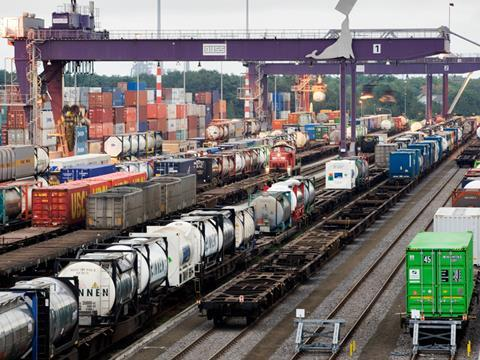
Many importers looking for how to reduce China Europe rail freight transit risks choose rail freight because it offers a faster alternative to sea freight and a more affordable option than air freight. However, customs delays, route disruptions, cargo damage, and documentation mistakes can quickly affect delivery performance.
If you are searching for how to reduce China Europe rail freight transit risks, several proven strategies can significantly improve shipment reliability. Moreover, proper planning helps businesses avoid unnecessary costs and maintain a stable supply chain. As a result, companies can improve delivery performance, maintain inventory levels, and increase customer satisfaction.
What Are the Main Risks in China-Europe Rail Freight?
Before implementing solutions, companies should understand the most common risks associated with rail transportation. Although rail freight is generally reliable, several factors can affect delivery schedules and cargo security.
| Risk Type | Impact |
|---|---|
| Customs Delays | Longer transit times |
| Documentation Errors | Cargo holds and penalties |
| Route Congestion | Schedule disruptions |
| Cargo Damage | Product losses |
| Cargo Theft | Financial risk |
| Political Issues | Border delays |
| Weather Events | Transit interruptions |
Moreover, customs inspections can occur unexpectedly. Additionally, route congestion may increase during peak shipping seasons. Therefore, businesses should identify potential risks before cargo departs. As a result, they can reduce disruptions and improve delivery predictability.
How Can Accurate Documentation Reduce Transit Risks?
Documentation errors remain one of the leading causes of rail freight delays. Therefore, businesses should verify every document before cargo leaves China.
Essential Rail Freight Documents
| Document | Customs Requirement | Transport Requirement |
|---|---|---|
| Commercial Invoice | Yes | Yes |
| Packing List | Yes | Yes |
| Certificate of Origin | Yes | Sometimes |
| Rail Waybill | No | Yes |
| Import License | Depending on Cargo | No |
Additionally, confirming HS codes and consignee information before shipment can reduce inspection risks.
Documentation Checklist
- Verify HS codes
- Confirm cargo descriptions
- Match invoice and packing list details
- Check importer information
- Prepare customs declarations
As a result, customs clearance becomes faster and more predictable.
Why Is Shipment Visibility Important for Risk Control?
Real-time visibility allows businesses to monitor cargo throughout transit. Furthermore, tracking tools help identify potential disruptions before they become serious delays.
Key Benefits of Rail Freight Tracking
| Tracking Feature | Business Benefit |
|---|---|
| GPS Monitoring | Real-time location updates |
| ETA Forecasting | Better inventory planning |
| Delay Alerts | Faster response times |
| Border Updates | Customs visibility |
Moreover, visibility improves communication among suppliers, freight forwarders, and importers. Additionally, tracking systems provide early warnings about route changes or customs inspections. Therefore, logistics teams can respond quickly to unexpected events. As a result, businesses maintain better control over inventory and delivery commitments.
Case Study: Poland–Germany Rail Freight Electronics Shipment Risk Reduction
| Item | Details |
|---|---|
| Starting Point | Chengdu, China → Warsaw, Poland (final delivery to Berlin, Germany) |
| Cargo | Smart Home Devices (Consumer Electronics) |
| Transit Time | Planned 16 Days / Actual 18 Days |
| Price | USD 6,300 (40HQ Equivalent) |
| Transport Method | China–Europe Railway Express (Multimodal Rail + Truck Last Mile) |
| Customs Clearance | EU Entry via Poland: EORI verification, HS code adjustment, VAT pre-declaration |
| Brief Overview | The shipment initially faced delays at the Poland–EU customs entry due to HS code classification inconsistencies. However, after implementing pre-clearance validation and working with an EU-based customs broker, clearance time was reduced significantly. Moreover, the shipment was successfully re-routed to Germany via truck, ensuring on-time final delivery. As a result, supply chain disruption risk was reduced in subsequent shipments. |
How Does Cargo Insurance Protect Rail Freight Shipments?
Even well-planned shipments can face unexpected disruptions. Therefore, cargo insurance plays a critical role in rail freight risk management.
Insurance Coverage Comparison
| Coverage Type | Protection Level |
|---|---|
| Basic Coverage | Limited |
| Named Perils Coverage | Specific Risks |
| All Risk Coverage | Comprehensive Protection |
Insurance may cover:
- Cargo damage
- Theft
- Handling accidents
- Natural disasters
- Transit-related losses
Furthermore, insurance helps companies recover financially after an incident. Moreover, it reduces the impact of unexpected losses on cash flow. In addition, comprehensive coverage provides greater confidence when shipping high-value goods. As a result, businesses can operate with reduced financial exposure.
What Customs Compliance Practices Prevent Delays?
Customs compliance is one of the most effective ways to reduce rail freight transit risks. Although customs requirements vary by destination, several best practices apply to most shipments.
Best Practices Before Departure
- Verify HS classifications
- Review commercial invoices
- Confirm importer registration details
- Validate destination requirements
Compliance Risk Table
| Issue | Risk Level |
|---|---|
| Incorrect HS Code | High |
| Missing Invoice | High |
| Wrong Cargo Description | Medium |
| Missing Import Registration | High |
Additionally, proactive compliance minimizes inspection frequency. Furthermore, accurate declarations improve customs efficiency. Meanwhile, importers can avoid costly penalties and shipment holds. Therefore, businesses should establish a compliance review process before every shipment.
How Can Accurate Documentation Reduce Transit Risks?
Experienced freight forwarders provide support throughout the transportation process. Moreover, they help companies identify risks before they affect delivery schedules.
What a Good Freight Forwarder Provides
| Service | Benefit |
|---|---|
| Route Planning | Reduced delays |
| Customs Support | Faster clearance |
| Cargo Tracking | Better visibility |
| Insurance Assistance | Financial protection |
| Emergency Response | Faster problem resolution |
Therefore, selecting an experienced rail logistics provider can significantly improve shipment reliability.
Should You Have a Rail Freight Contingency Plan?
Every international shipment should include a backup strategy. Although rail freight is reliable, disruptions can still occur.
Recommended Contingency Measures
- Alternative rail routes
- Truck delivery backup
- Temporary warehousing options
- Secondary customs brokers
- Emergency inventory planning
Rail vs Air vs Sea Freight Comparison
| Transport Mode | Transit Time | Cost | Risk Level |
|---|---|---|---|
| Air Freight | 3–7 Days | High | Low |
| Rail Freight | 15–25 Days | Medium | Medium |
| Sea Freight | 30–50 Days | Low | Higher |
Furthermore, contingency planning allows businesses to react quickly to unexpected events. Meanwhile, backup transportation options help prevent stock shortages. Therefore, companies can maintain supply chain continuity even during disruptions. Ultimately, proactive planning improves long-term logistics performance.
Conclusion
Understanding how to reduce China Europe rail freight transit risks requires more than simply choosing a transportation method. Instead, businesses should focus on documentation accuracy, customs compliance, shipment visibility, cargo insurance, and contingency planning.
Moreover, companies that proactively manage these factors experience fewer delays and lower costs. Furthermore, they benefit from greater supply chain stability and improved customer satisfaction. Therefore, investing in professional rail freight risk management creates a more reliable and resilient logistics network.
What is the biggest risk in China-Europe rail freight?
Customs delays are the most common risk, often caused by documentation errors, inspections, or incorrect HS codes.
How can I reduce customs clearance delays?
Verify documents, confirm HS codes, and complete compliance checks before cargo departs China.
Is cargo insurance necessary for rail freight?
Verify documents, confirm HS codes, and complete compliance checks before cargo departs China.
How long does China-Europe rail freight usually take?
Most shipments arrive within 15–25 days. However, customs inspections, seasonal congestion, and border procedures may extend transit times.
Does shipment tracking reduce transportation risks?
Yes. Real-time tracking improves visibility, provides delay alerts, and helps businesses make faster decisions when disruptions occur.