

LCL Shipping From China to USA: 2026 Comprehensive Guide to Rates and Transit
Navigating the complexities of lcl shipping from china to usa requires a strategic approach to balance cost and efficiency. Many businesses struggle with high freight costs when their cargo volume does not fill a whole container. Fortunately, AliChinaFreight provides specialized consolidation services that allow multiple shippers to share container space. This guide explores the modern logistics landscape of 2026 to help you optimize your supply chain effectively.

What Is LCL Shipping From China to USA?
Less than Container Load, commonly known as LCL, is a shipping method where your cargo shares space with other shippers in a single container. Consequently, this method is ideal for businesses that do not have enough goods to fill a 20ft or 40ft container. Indeed, it offers a flexible solution for small to medium-sized enterprises looking to maintain consistent inventory levels.
When you choose sea freight for smaller volumes, the freight forwarder bundles your goods at a consolidation warehouse. Afterward, the consolidated container moves through the standard maritime route to the destination port. Therefore, you only pay for the volume you actually use, measured in cubic meters.
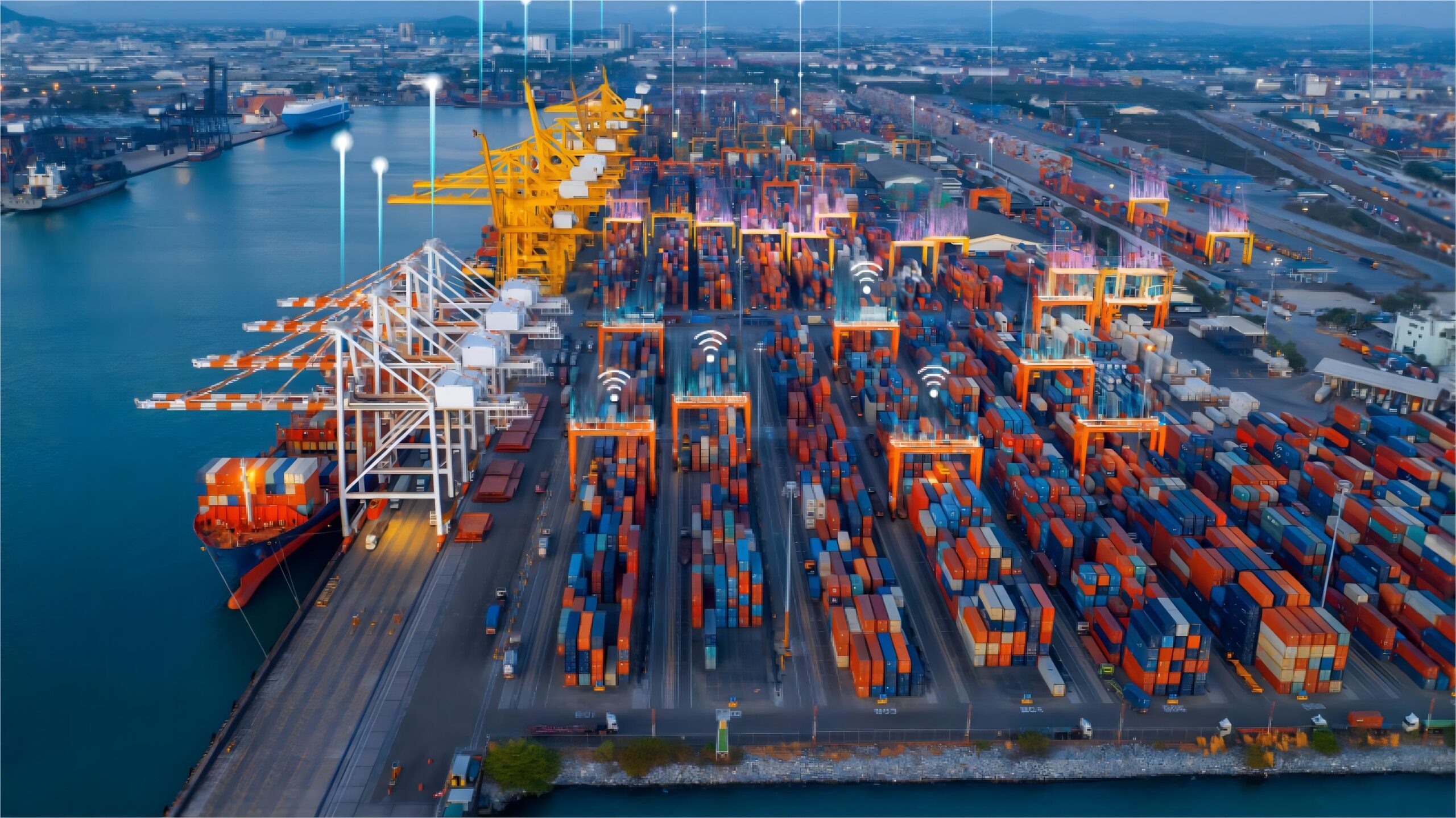
However, you must account for the additional handling time required for loading and unloading at both ends. Meanwhile, the process remains one of the most cost-effective ways to move commercial goods internationally. Furthermore, modern tracking technology in 2026 ensures you stay updated on your cargo location throughout the journey.
How Does LCL Shipping Compare to Other Shipping Options?
Evaluating different transport modes is essential for choosing the right strategy for your business needs. While LCL is cost-efficient for small volumes, full container load or air freight might be better for specific scenarios. For example, large shipments often benefit from the security and speed of a dedicated container.
In contrast, air freight remains the fastest option for time-sensitive cargo despite its significantly higher price point. Additionally, businesses must consider the trade-offs between speed and budget when planning their logistics. To clarify these differences, we have provided a detailed comparison of the primary shipping methods available in 2026.
| Shipping Method | Cost Range | Transit Time | Best For |
|---|---|---|---|
| LCL Sea Freight | $50 – $120 per CBM | 20 – 40 Days | Small shipments 1-15 CBM |
| FCL Sea Freight | $2,500 – $5,500 per Unit | 14 – 35 Days | Large volume 15+ CBM |
| Air Freight | $4.50 – $9.00 per KG | 3 – 7 Days | High-value, urgent goods |
| Express Service | $7.00 – $12.00 per KG | 2 – 5 Days | Samples and documents |

Understanding LCL Shipping Costs in 2026
Determining the total landed cost of your shipment involves more than just the base ocean freight rate. Specifically, LCL pricing is calculated based on the weight or volume of the goods, whichever is greater. Most carriers use a 1:1000 ratio, meaning 1,000 kilograms is equivalent to one cubic meter.
Furthermore, you must prepare for various surcharges such as fuel adjustment factors and currency adjustment factors. In addition to these, origin and destination handling charges often make up a significant portion of the total bill. Therefore, it is vital to work with a provider that offers customs brokerage to avoid unexpected fees at the border.
As of early 2026, market rates have stabilized but remain sensitive to seasonal demand spikes. For instance, shipping during the period leading up to the Lunar New Year often incurs a 20 percent premium. Consequently, planning your shipments well in advance can lead to substantial savings on your annual logistics budget.
Transit Times for LCL Shipments to Major US Ports
Transit time for lcl shipping from china to usa varies significantly depending on the destination port and the specific carrier used. Generally, shipments to the US West Coast are much faster than those heading to the East Coast or Gulf ports. For example, a direct route from Shanghai to Los Angeles typically takes about 18 to 22 days.
On the other hand, shipping to New York or Savannah through the Panama Canal can take between 32 and 38 days. Moreover, you must add approximately 5 to 7 days to these estimates for the consolidation and deconsolidation processes. Nevertheless, these timelines are reliable for non-urgent inventory replenishment.
According to industry benchmarks for 2026, port congestion has decreased, leading to more predictable delivery schedules. Meanwhile, rail connections from West Coast ports can expedite delivery to inland hubs like Chicago or Dallas. Therefore, choosing the right entry port is a critical decision for your supply chain efficiency.
| Origin City | Destination Port | Transit Days | Frequency |
|---|---|---|---|
| Shenzhen | Los Angeles | 18 – 21 Days | Weekly |
| Shanghai | Long Beach | 20 – 24 Days | Twice Weekly |
| Ningbo | New York | 32 – 36 Days | Weekly |
| Qingdao | Savannah | 35 – 40 Days | Weekly |
Essential Customs Documentation for US Imports
Managing the paperwork correctly is the most effective way to prevent delays during the import process. Without a doubt, the US Customs and Border Protection agency requires precise documentation for every shipment. For instance, the Importer Security Filing, also known as ISF, must be submitted at least 24 hours before the ship leaves China.
Additionally, you will need a commercial invoice, a packing list, and a bill of lading to clear your goods. Consequently, many importers choose to utilize door to door services to simplify the entire administrative burden. This approach ensures that experts handle all filings on your behalf.
Furthermore, you should verify if your products are subject to specific duties or Section 301 tariffs. Indeed, misclassifying your goods can lead to heavy fines or even seizure of the cargo. Therefore, consulting with a professional freight forwarder before you ship is always a wise investment.
Real-World Case Studies of LCL Shipping
Case Study 1: Electronics from Shenzhen to Los Angeles
Case Study 1: High-Tech Component Distribution. Route: Shenzhen, China to Los Angeles, USA. Cargo: Consumer electronics, 4.5 CBM, 1,200 kg. Shipping Method: LCL Sea Freight. Carrier: Major Trans-Pacific Carrier. Port of Loading: Shenzhen. Port of Discharge: Los Angeles. Route Type: Direct.
Cost Breakdown: Ocean Freight: $480. Origin Charges: $150. Destination Charges: $220. Customs and Duties: $1,400. Total Landed Cost: $2,250. Timeline: Booking to Loading: 3 days. Sea Transit: 18 days. Customs Clearance: 2 days. Total Door-to-Door: 28 days. Key Insight: Consolidating multiple small orders into one LCL shipment saved the client 40 percent compared to air freight.
Case Study 2: Textile Import from Ningbo to New York
Case Study 2: Seasonal Apparel Logistics. Route: Ningbo, China to New York, USA. Cargo: Cotton garments, 12 CBM, 3,500 kg. Shipping Method: LCL Sea Freight. Carrier: COSCO. Port of Loading: Ningbo. Port of Discharge: New York. Route Type: Via Panama Canal.
Cost Breakdown: Ocean Freight: $1,100. Origin Charges: $280. Destination Charges: $450. Customs and Duties: $2,100. Total Landed Cost: $3,930. Timeline: Booking to Loading: 4 days. Sea Transit: 34 days. Customs Clearance: 3 days. Total Door-to-Door: 45 days. Key Insight: Based on Q1 2026 market rates, using LCL for this volume was 25 percent cheaper than a half-empty 20ft container.
Which Option Should You Choose? Decision Framework
Selecting the right shipping method depends on several factors including your budget, timeline, and cargo nature. If your primary goal is cost reduction and you have a flexible schedule, LCL is usually the best choice. However, if your shipment exceeds 15 cubic meters, you should consider a full container to maximize security.
For those managing e-commerce businesses, Amazon FBA shipping often requires LCL to keep inventory moving without overstocking. Consequently, you can maintain a lean supply chain while minimizing storage fees. Additionally, always compare the total landed cost rather than just the initial freight quote.
In contrast, if you are shipping fragile or extremely high-value items, the extra handling in LCL might pose a risk. Therefore, you might opt for FCL even for smaller volumes to ensure the container remains sealed from origin to destination. Ultimately, your decision should align with your long-term business growth strategy in North America.
Top Tips for Reducing LCL Shipping Costs
Optimizing your packaging is one of the easiest ways to lower your LCL expenses. Since you pay by the cubic meter, reducing empty space within your boxes can lead to immediate savings. Furthermore, using standard-sized pallets helps the warehouse team stack your goods more efficiently, which might prevent additional handling fees.
Moreover, try to avoid shipping during peak seasons when carriers implement general rate increases. Instead, schedule your shipments during the shoulder months of March through May or November. In addition, always request a comprehensive quote that includes all potential destination fees to avoid budget overruns.
Finally, establishing a long-term relationship with a reliable freight forwarder can grant you access to better contract rates. Indeed, consistent volume often leads to preferential treatment and more reliable space allocations. Therefore, focus on building a partnership rather than just searching for the lowest one-time price.
Strategic LCL Shipping for Your Business
To summarize, lcl shipping from china to usa remains a vital tool for businesses of all sizes in 2026. By understanding the cost structures, transit times, and documentation requirements, you can make informed decisions that protect your profit margins. Additionally, the flexibility of LCL allows you to scale your imports as your demand grows without the burden of filling entire containers.
As market conditions continue to evolve, staying informed about industry trends and regulatory changes is essential. Whether you are shipping electronics, textiles, or industrial parts, the right logistics partner will ensure your goods arrive safely and on time. Start planning your next shipment today to take advantage of the efficient consolidation services available.

Start Your Shipment
Ready to optimize your supply chain with reliable lcl shipping from china to usa? Contact our logistics experts today to receive a customized quote and streamline your international trade operations. Send Inquiry: Visit https://alichinafreight.com/contact/
Request Quote