

- By Jaxin
- July 20, 2026
- logistics process
Introduction
Professional customs compliance for international rail logistics has become one of the most critical factors affecting international rail freight performance. Although rail transport offers an excellent balance between cost and speed, customs-related mistakes can quickly eliminate these advantages.
Many importers experience unexpected customs inspections, document discrepancies, cargo holds, or clearance delays that increase storage costs and disrupt supply chains. Moreover, different countries apply different customs regulations, making cross-border rail shipments more complex than many businesses expect.
Fortunately, a proactive customs compliance strategy can significantly reduce these risks. This guide explains how professional customs compliance supports international rail logistics, which documents are essential, and how businesses can avoid costly delays while improving supply chain reliability.

Why Professional Customs Compliance for International Rail Logistics Matters
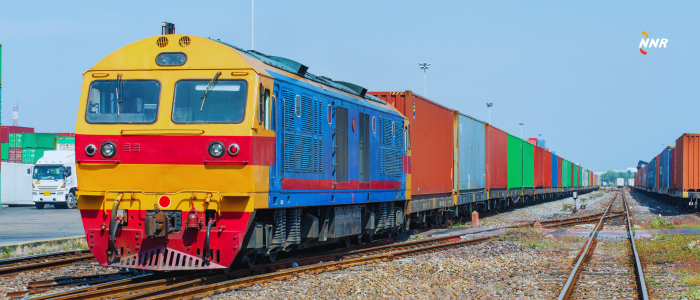
International rail freight often crosses multiple customs jurisdictions before reaching its destination. Therefore, customs compliance directly influences transit time, transportation costs, and cargo security.
Without proper compliance management, businesses may face:
| Compliance Issue | Potential Impact |
|---|---|
| Incorrect HS Codes | Additional duties and penalties |
| Missing Documents | Cargo delays |
| Customs Inspection | Extended transit time |
| Value Declaration Errors | Fines and reassessments |
| Sanctions Violations | Shipment rejection |
| Incomplete Consignee Data | Customs clearance failure |
Furthermore, customs authorities continue to strengthen compliance requirements. Consequently, importers and exporters must ensure documentation accuracy before cargo departure.
Professional customs compliance services help companies identify potential issues early, thereby reducing customs risks and improving delivery performance.
How Professional Customs Compliance Improves International Rail Logistics Efficiency
Customs compliance is not merely a regulatory requirement. Instead, it serves as an operational advantage that improves freight efficiency.
Faster Border Crossings
Accurate documentation allows customs authorities to process declarations more efficiently. As a result, cargo spends less time waiting at border checkpoints.
Reduced Inspection Rates
When shipment records consistently meet compliance standards, customs authorities often classify businesses as lower-risk traders. Therefore, inspection frequency may decrease over time.
Better Cost Control
Unexpected customs delays frequently generate additional expenses.
| Cost Category | Typical Cause |
|---|---|
| Storage Fees | Clearance delays |
| Demurrage Charges | Container detention |
| Administrative Fees | Document corrections |
| Penalty Charges | Compliance violations |
| Re-routing Costs | Customs rejection |
Moreover, preventing these costs helps companies maintain predictable transportation budgets.
What Documents Are Required for Professional Customs Compliance in Rail Freight?
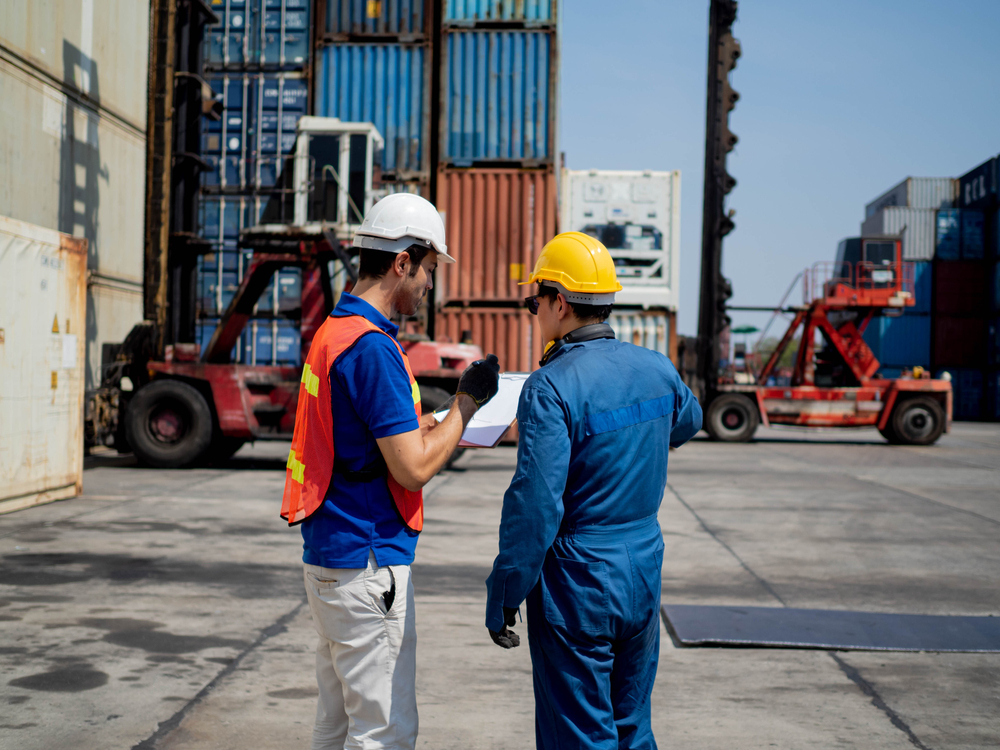
Documentation accuracy remains the foundation of customs compliance.
The following checklist covers the most commonly required documents for international rail shipments.
| Document | Purpose |
|---|---|
| Commercial Invoice | Cargo value declaration |
| Packing List | Cargo quantity verification |
| Rail Waybill | Transport documentation |
| Certificate of Origin | Trade agreement eligibility |
| Customs Declaration | Regulatory submission |
| Import License | Controlled goods compliance |
| Product Certificates | Safety and quality verification |
| Insurance Certificate | Cargo protection evidence |
Common Documentation Mistakes
Businesses frequently encounter problems because of:
- Mismatched cargo descriptions
- Incorrect product classifications
- Incomplete consignee information
- Wrong declared cargo values
- Missing certificates
Additionally, failing to update documentation after shipment modifications can trigger customs reviews.
For this reason, many companies use customs brokerage support before cargo departure rather than correcting issues after arrival.
How Professional Customs Compliance Reduces Customs Delays and Inspection Risks
Many customs inspections occur because authorities identify inconsistencies in shipment data.
However, proactive compliance management can significantly lower these risks.
Risk Assessment Before Shipment
A professional compliance review typically examines:
- HS code accuracy
- Product restrictions
- Destination-country requirements
- Trade sanctions screening
- Import permit requirements
Consequently, potential issues can be corrected before customs submission.
Electronic Data Verification
Modern customs systems increasingly rely on digital risk analysis.
Therefore, customs authorities compare:
- Commercial invoices
- Packing lists
- Transportation documents
- Historical shipment records
Any discrepancy may trigger additional inspection.
Compliance Monitoring
Meanwhile, ongoing monitoring helps businesses stay aligned with changing customs regulations.
Because customs laws evolve frequently, regular compliance audits remain essential for international rail operators.
Professional Customs Compliance for International Rail Logistics: Real Project Cases
🚆 Project Card 1
📍 Route: Shenzhen, China → Duisburg, Germany
📦 Cargo: Industrial automation equipment
⏱️ Transit Time: 18 days
💰 Cost Saving: USD 4,300 in avoided storage and inspection fees
🚄 Mode: China-Europe Railway Express
🛃 Customs Solution: HS code verification and pre-clearance document review
✅ Outcome: Cleared without customs hold
Overview:
The customer previously experienced repeated customs inspections due to inconsistent product descriptions. After implementing a professional compliance review process, all documents were standardized before departure, allowing smooth customs clearance.
🚆 Project Card 2
📍 Route: Chengdu, China → Warsaw, Poland
📦 Cargo: Solar energy components
⏱️ Transit Time: 20 days
💰 Cost Saving: USD 5,800
🚄 Mode: Rail + Truck Delivery
🛃 Customs Solution: Origin certificate validation and import permit verification
✅ Outcome: Zero customs penalties
Overview:
The importer faced regulatory changes affecting photovoltaic products. Nevertheless, early compliance planning ensured all certificates were prepared correctly before shipment.
🚆 Project Card 3
📍 Route: Xi’an, China → Budapest, Hungary
📦 Cargo: Consumer electronics
⏱️ Transit Time: 17 days
💰 Cost Saving: USD 3,900
🚄 Mode: International Rail Freight
🛃 Customs Solution: Automated document consistency checks
✅ Outcome: Customs release within 24 hours
Overview:
The shipper implemented digital document validation tools. Consequently, customs authorities approved the cargo quickly without requesting additional information.
Which Customs Compliance Challenges Are Most Common in International Rail Logistics?
Even experienced importers can face compliance challenges.
HS Code Classification Errors
Incorrect classifications remain among the leading causes of customs disputes. Therefore, businesses should verify product codes before every shipment.
Multi-Country Regulatory Differences
A rail shipment may cross several jurisdictions.
| Region | Common Compliance Focus |
|---|---|
| China | Export documentation |
| Kazakhstan | Transit declarations |
| Poland | EU customs requirements |
| Germany | Product compliance verification |
| Hungary | Import VAT processing |
Consequently, a compliance strategy must account for each country’s requirements.
Trade Restrictions and Sanctions
Furthermore, businesses must monitor sanctions programs and restricted-party lists. Failure to do so can result in shipment rejection or severe penalties.
How to Choose a Provider for Professional Customs Compliance for International Rail Logistics
Not all logistics providers offer the same level of customs expertise.
When evaluating potential partners, consider the following factors:
| Evaluation Factor | Why It Matters |
|---|---|
| Rail Freight Experience | Understanding rail-specific procedures |
| Customs Brokerage Network | Faster issue resolution |
| Multi-Country Expertise | Better cross-border compliance |
| Digital Tracking Systems | Improved visibility |
| Regulatory Knowledge | Reduced compliance risks |
| Documentation Support | Fewer paperwork errors |
Additionally, ask providers about their customs inspection response procedures.
A qualified compliance partner should be able to:
- Review documents before departure
- Provide HS code consultation
- Monitor customs status updates
- Manage customs inquiries
- Coordinate corrective actions
Therefore, selecting an experienced customs compliance provider can significantly improve shipment reliability.
Conclusion
Professional customs compliance for international rail logistics is essential for businesses seeking reliable, cost-effective, and predictable rail freight operations. Accurate documentation, proactive risk assessment, proper product classification, and ongoing regulatory monitoring all contribute to faster customs clearance and lower transportation costs.
Moreover, companies that invest in customs compliance often experience fewer inspections, reduced delays, and improved supply chain performance. As international rail freight volumes continue to grow, customs compliance will remain a key competitive advantage for global importers and exporters.
Need support with professional customs compliance for international rail logistics? Our rail freight specialists can help you review shipment documents, identify customs risks, and streamline cross-border clearance processes. Contact us today for a customized logistics solution and a competitive rail freight quotation tailored to your cargo requirements.
FAQs
1. How much does professional customs compliance for international rail logistics cost?
Costs vary depending on cargo type, destination, and compliance complexity. However, professional compliance services often save significantly more money by preventing customs delays, penalties, and storage charges.
2. Can customs compliance reduce international rail freight transit time?
Yes. Accurate customs documentation and pre-clearance reviews help reduce inspections and border delays. Consequently, shipments often move through customs checkpoints more efficiently.
3. What documents are most important for customs clearance?
Commercial invoices, packing lists, rail waybills, certificates of origin, and customs declarations are typically required. Additionally, certain products may need licenses or compliance certificates.
4. How can businesses reduce customs inspection risks?
Businesses should verify HS codes, review documentation carefully, monitor regulatory changes, and conduct pre-shipment compliance assessments. Furthermore, experienced customs brokers can help identify risks early.
5. What should I look for in a customs compliance and rail freight provider?
Look for providers with international rail freight experience, customs brokerage expertise, multi-country regulatory knowledge, and strong documentation support. Therefore, choosing the right partner can greatly improve shipment success rates.