

- By Jaxin
- July 7, 2026
- Amazon FBA
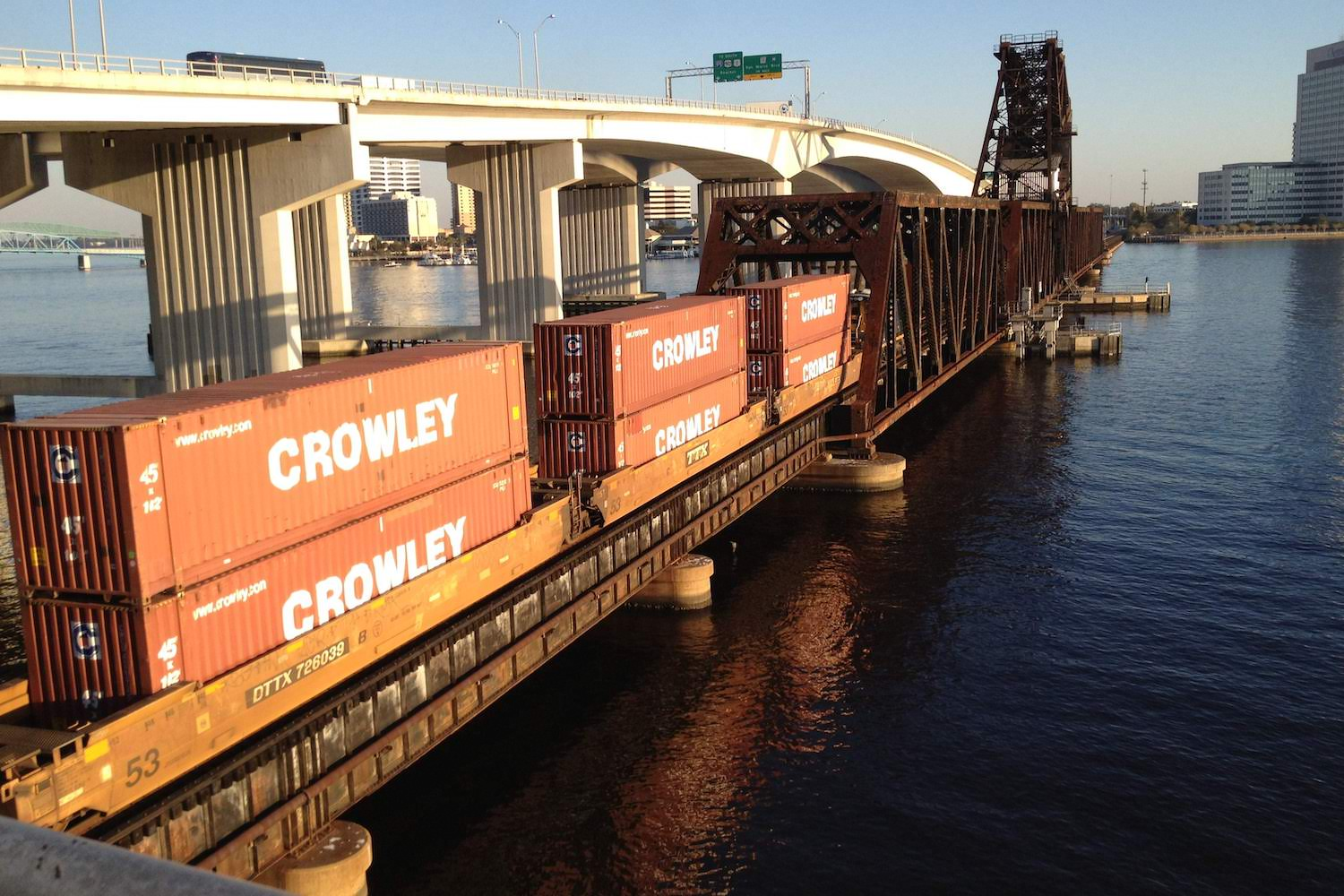
Rail freight capacity shortage alternative shipping solution strategies are becoming essential for global businesses facing delayed bookings, limited rail availability, and rising transportation risks. When rail networks reach maximum capacity, companies may experience shipment delays, higher costs, and unstable delivery schedules.
Therefore, companies need a reliable rail freight capacity shortage alternative shipping solution to maintain cargo flow when traditional rail routes become unavailable. By combining multimodal transportation, ocean freight, trucking, and air freight, businesses can reduce risks and keep international shipments moving.
This article explains the main causes of rail capacity shortages, compares alternative shipping methods, and provides practical strategies to build a more flexible logistics plan.

Why Does Rail Freight Capacity Shortage Require Alternative Shipping Solutions?
A rail freight capacity shortage alternative shipping solution becomes necessary when transportation demand exceeds available railway resources. Although rail freight offers a strong balance between cost and speed, limited infrastructure and increasing cargo demand can create serious capacity pressure.
Moreover, international rail networks often depend on fixed schedules, border crossings, and terminal availability. Consequently, even minor disruptions can affect entire supply chains.
Main Causes of Rail Freight Capacity Shortage
| Main Cause | Supply Chain Impact |
|---|---|
| Peak season demand | Longer booking waiting periods |
| Limited rail slots | Delayed departure schedules |
| Terminal congestion | Slower cargo handling |
| Border inspection delays | Extended transit times |
| Infrastructure restrictions | Reduced route availability |
Additionally, global trade growth has increased competition for rail capacity. Therefore, companies that depend only on rail transportation may face unexpected delivery risks.
A stronger approach is to prepare backup transportation options before shortages happen. By planning alternative routes early, businesses can avoid emergency shipping costs and maintain customer satisfaction.
How Can a Rail Freight Capacity Shortage Alternative Shipping Solution Reduce Delays?
A practical rail freight capacity shortage alternative shipping solution focuses on transportation flexibility. Instead of completely replacing rail, companies can combine multiple shipping methods based on urgency, budget, and cargo requirements.
Furthermore, multimodal transportation allows businesses to adjust routes quickly when rail capacity becomes limited.
Compare Alternative Shipping Methods During Rail Capacity Shortage
| Shipping Option | Transit Time | Cost Level | Suitable For |
|---|---|---|---|
| Ocean Freight | 25–45 days | Low | Large-volume shipments |
| Air Freight | 3–7 days | High | Urgent cargo |
| Trucking | 2–10 days | Medium | Regional delivery |
| Multimodal Transport | 15–35 days | Medium | Balanced solutions |
For example, a company shipping from China to Europe can replace part of a rail route with ocean freight and trucking. Although the transportation method changes, the overall supply chain remains stable.
Moreover, businesses can use different strategies for different cargo categories:
- High-value products → Air freight backup
- Regular inventory → Ocean freight solutions
- Time-sensitive components → Multimodal transportation
Therefore, selecting the right combination helps companies control costs while avoiding shipment interruptions.
What Alternative Shipping Methods Work During Rail Freight Capacity Shortage?
When searching for a rail freight capacity shortage alternative shipping solution, companies usually compare transportation speed, cost, and reliability.
However, each shipping method has different advantages depending on business requirements.
Ocean Freight as a Cost-Effective Alternative
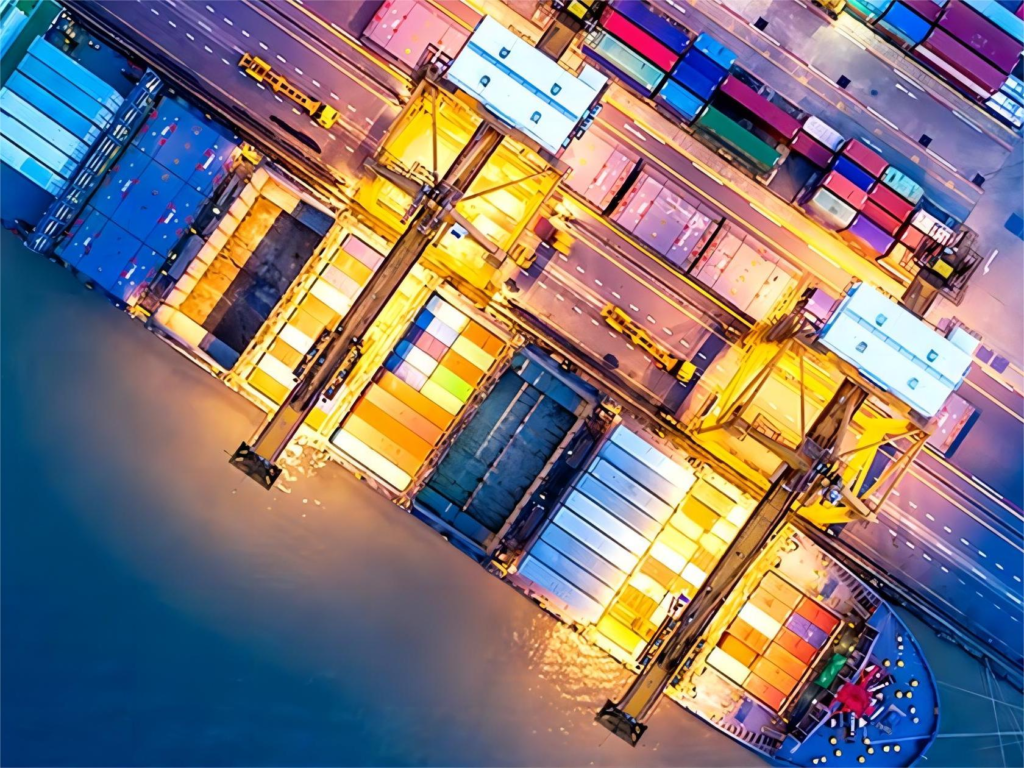
Ocean freight is one of the most common alternatives because it provides large transportation capacity at competitive prices.
Additionally, ocean shipping is suitable for companies that can plan inventory replenishment in advance.
| Route | Average Transit Time | Best Application |
|---|---|---|
| China to Europe | 30–45 days | Consumer goods, machinery, and inventory replenishment |
| China to Germany | 30–40 days | Industrial products and manufacturing supplies |
| China to Netherlands | 28–38 days | European distribution and warehouse restocking |
Nevertheless, ocean freight requires longer lead times. Therefore, companies should combine it with accurate demand forecasting.
Air Freight for Emergency Recovery
Air freight provides the fastest solution when rail delays threaten important deliveries.
However, the higher cost means it should usually be reserved for urgent situations.
Common applications include:
- Electronics
- Medical equipment
- Replacement parts
- Seasonal products
Moreover, companies can use air freight selectively while moving regular inventory through lower-cost transportation methods.
Can Multimodal Transport Solve Rail Freight Capacity Shortage Problems?
Yes. Multimodal transportation is one of the most effective rail freight capacity shortage alternative shipping solution strategies because it reduces dependence on a single transportation network.
Furthermore, combining different shipping modes creates more route flexibility.
Multimodal Transportation Options for Rail Capacity Shortage
| Multimodal Combination | Main Advantage |
|---|---|
| Ocean + Truck | Lower cost with flexible delivery |
| Air + Sea | Balance speed and expense |
| Rail + Truck | Extends rail coverage |
| Ocean + Rail + Truck | Creates stable international routes |
For instance, when China-Europe rail capacity becomes limited, companies can transport cargo by ocean freight to a European port and complete final delivery by truck.
Additionally, experienced freight providers can analyze:
- Cargo volume
- Delivery deadlines
- Destination requirements
- Customs procedures
Therefore, businesses can select the most suitable route instead of relying on expensive emergency solutions.

How Should Businesses Choose a Rail Freight Capacity Shortage Alternative Shipping Solution?
Choosing the right rail freight capacity shortage alternative shipping solution depends on shipment priorities, including delivery speed, cargo type, transportation budget, and destination requirements.
Moreover, companies should avoid selecting alternatives only based on price. A low-cost option may create additional delays if it cannot meet delivery expectations.
Businesses should evaluate the following factors before changing transportation methods:
| Evaluation Factor | Key Consideration |
|---|---|
| Cargo value | Does the shipment require faster delivery protection? |
| Delivery deadline | How much delay can customers accept? |
| Shipment volume | Is ocean freight more economical? |
| Destination network | Are local trucking resources available? |
| Customs requirements | Can documents be prepared quickly? |
Additionally, companies should establish backup logistics plans before rail capacity problems occur.
Effective preparation includes:
- Monitoring freight market changes
- Reserving alternative transportation capacity
- Working with multiple logistics partners
- Preparing customs documents in advance
- Reviewing inventory requirements regularly
Furthermore, a professional freight forwarder can provide route optimization and real-time transportation adjustments. Therefore, businesses can respond quickly when rail capacity becomes unavailable.
📦 Case Study Card: Electronics Manufacturer (Germany Market)
Brief Overview:
A German electronics manufacturer experienced China-Europe rail capacity shortages during peak season and adopted a multimodal shipping solution to maintain stable inventory flow.
- 📍 Origin: Shenzhen, China → Hamburg, Germany
- 📦 Cargo: Electronic components for European production
- ⚠️ Challenge: Faced rail booking delays caused by limited China-Europe rail capacity
- 🚢 Transportation Method: Switched to ocean freight + European trucking solution
- ⏱️ Transit Time: Completed delivery within 18 days
- 💰 Cost Impact: Reduced transportation costs by 28% compared with emergency air freight
- 📄 Customs Clearance: Completed HS code verification and EORI validation before arrival
- ✅ Result: Restored predictable inventory flow and reduced supply chain risks
How Do Ocean, Air, and Rail Alternatives Compare During Capacity Shortage?
When companies evaluate a rail freight capacity shortage alternative shipping solution, transportation comparison helps identify the most suitable option.
Furthermore, different shipping methods provide different advantages depending on cost, speed, and shipment requirements.
Transportation Comparison for Rail Freight Capacity Shortage Alternatives
| Shipping Method | Cost Level | Transit Time | Capacity | Advantages | Limitations |
|---|---|---|---|---|---|
| Rail Freight | Medium | 12–25 days | Medium | Balanced speed and cost | Limited availability |
| Ocean Freight | Low | 25–45 days | High | Handles large volumes | Longer transit |
| Air Freight | High | 3–7 days | Medium | Fastest recovery option | Expensive |
| Trucking | Medium | 2–10 days | Flexible | Door-to-door delivery | Limited long distance |
Moreover, companies do not always need to replace rail completely.
For example, businesses can continue using rail for regular shipments while applying ocean or air solutions for urgent cargo.
Consequently, a hybrid transportation strategy provides better cost control and stronger supply chain stability.
Conclusion
A rail freight capacity shortage alternative shipping solution enables businesses to maintain supply chain stability when rail networks cannot provide sufficient capacity.
Although rail freight remains an efficient international transportation method, companies should develop flexible alternatives through ocean freight, air freight, trucking, and multimodal solutions.
Moreover, proactive planning, accurate documentation, and experienced logistics support can reduce delays, control transportation costs, and improve delivery reliability.
By preparing alternative routes before shortages occur, businesses can protect their supply chains and respond faster to changing market conditions.
- Consult Ali China Freight Forwarding for the lowest quote. They will provide you with reliable, cost-effective service.
FAQs
Q1.What is the most reliable alternative during rail freight capacity shortage?
Multimodal transportation is often the most reliable option because it combines ocean freight, trucking, and air solutions to maintain flexibility when rail capacity becomes limited.
Q2.Is ocean freight cheaper than rail when capacity is unavailable?
Yes, ocean freight usually offers lower costs for large shipments. However, companies should consider longer transit times and inventory planning before switching routes.
Q3.How long does alternative shipping take without rail availability?
Transit time depends on the method. Ocean freight may require 25–45 days, while air freight can deliver urgent shipments within 3–7 days.
Q4.What documents are needed for alternative freight routes?
Businesses usually need invoices, packing lists, bills of lading, HS codes, and import documents. Proper preparation helps prevent customs clearance delays.
Q5.How can companies select a freight forwarder for rail shortage solutions?
Companies should choose freight forwarders with multimodal experience, global networks, customs expertise, and the ability to quickly arrange alternative transportation.