

- By Jaxin
- July 6, 2026
- Amazon FBA
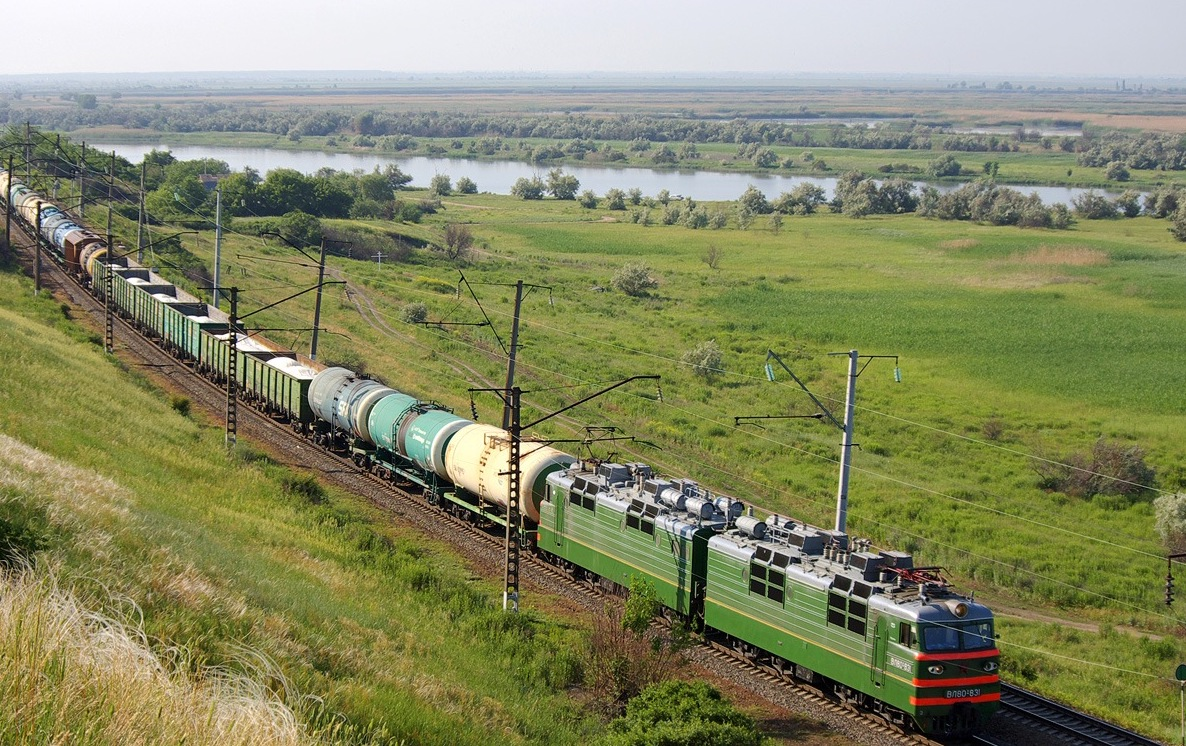
Rail freight cargo insurance for high value products has become increasingly important as businesses move expensive goods across international rail corridors. A single theft incident, cargo damage event, or customs-related disruption can result in substantial financial losses and supply chain interruptions.
Meanwhile, manufacturers, distributors, and importers face growing pressure to maintain delivery reliability while controlling transportation risks. Therefore, understanding the right insurance strategy can help companies safeguard valuable shipments, minimize exposure, and improve overall logistics performance.
This guide explains coverage options, costs, risk factors, claims procedures, and practical strategies for protecting high-value cargo transported by rail.
What Is Rail Freight Cargo Insurance for High Value Products?
Rail freight cargo insurance is a specialized policy designed to protect shipments against financial losses caused by unforeseen events during transportation.
Unlike carrier liability, cargo insurance provides broader financial protection. Moreover, it helps businesses recover losses when expensive products are damaged, stolen, or lost in transit.
Typical Covered Risks
| Risk Type | Usually Covered |
|---|---|
| Theft | Yes |
| Cargo Damage | Yes |
| Fire | Yes |
| Natural Disasters | Yes |
| Collision or Derailment | Yes |
| General Average Events | Often |
| Improper Handling | Often |
| Customs Seizure Due to Compliance Errors | Usually No |
Common High-Value Products Requiring Coverage
- Consumer electronics
- Semiconductors
- Medical devices
- Automotive components
- Luxury fashion products
- Jewelry and watches
- Industrial machinery
- Telecommunications equipment
Furthermore, companies transporting goods worth tens of thousands or millions of dollars typically consider cargo insurance a critical risk management tool.
Why Do High-Value Products Face Greater Rail Freight Risks?
Although rail transport is considered safe and reliable, expensive cargo remains vulnerable to several operational risks.
Key Risk Factors
| Risk Category | Potential Impact |
|---|---|
| Theft | Direct financial loss |
| Physical Damage | Product replacement costs |
| Handling Errors | Customer complaints |
| Customs Delays | Inventory depreciation |
| Temperature Exposure | Product deterioration |
| Route Disruptions | Delivery delays |
Additionally, international rail shipments often cross multiple countries, customs territories, and logistics operators. Consequently, the complexity of the journey increases overall risk exposure.
Hidden Costs of Uninsured Losses
- Inventory replacement expenses
- Lost sales opportunities
- Customer compensation
- Emergency transportation costs
- Contract penalties
- Brand reputation damage
Therefore, insurance should be viewed as part of a broader rail freight risk management strategy rather than an optional expense.
Benefits of Rail Freight Cargo Insurance for High Value Products
Insurance policies generally compensate cargo owners when covered incidents occur during transportation.
Basic Coverage Process
- Purchase insurance before shipment departure.
- Declare cargo value accurately.
- Maintain supporting shipping documents.
- Report incidents immediately.
- Submit a claim package.
- Receive claim assessment and settlement.
Important Documentation
| Document | Purpose |
|---|---|
| Commercial Invoice | Establish cargo value |
| Packing List | Verify shipment contents |
| Rail Waybill | Confirm transport contract |
| Insurance Certificate | Proof of coverage |
| Inspection Report | Support damage claims |
| Customs Documents | Verify shipment movement |
Moreover, accurate documentation significantly improves claim approval rates.
Common Insurance Coverage Types
1)All-Risk Coverage
Provides the broadest protection. Furthermore, it is often recommended for expensive electronics, luxury products, and medical equipment.
2)Named Perils Coverage
Covers only specified events such as theft, fire, or derailment.
3)Total Loss Coverage
Compensates only when the shipment is completely lost or destroyed.
Cost of Rail Freight Cargo Insurance for High Value Products
Insurance costs vary depending on product type, shipment value, destination, and risk profile.
Sample Insurance Cost Estimates
| Cargo Value | Estimated Insurance Rate | Approximate Cost |
|---|---|---|
| $50,000 | 0.15%–0.35% | $75–$175 |
| $100,000 | 0.15%–0.35% | $150–$350 |
| $500,000 | 0.12%–0.30% | $600–$1,500 |
| $1,000,000 | 0.10%–0.25% | $1,000–$2,500 |
Factors Affecting Premiums
- Cargo value
- Product category
- Packaging quality
- Rail route risk level
- Historical claims record
- Security measures
- Transit distance
Additionally, shipments with advanced tracking systems often qualify for lower insurance rates.
Rail Freight vs Air Freight vs Ocean Freight Insurance
Businesses frequently compare transportation modes before selecting insurance coverage.
| Factor | Rail Freight | Air Freight | Ocean Freight |
|---|---|---|---|
| Transit Time | 15–25 Days | 3–7 Days | 30–45 Days |
| Insurance Cost | Moderate | High | Moderate |
| Theft Risk | Moderate | Low | Moderate |
| Weather Exposure | Low | Low | High |
| Cost Efficiency | High | Low | High |
| Carbon Emissions | Low | High | High |
When Rail Is the Best Choice
Rail freight often offers the ideal balance between speed and cost.
Furthermore, insurance premiums for rail transport are generally lower than those associated with air freight for equivalent cargo values.
As a result, many companies shipping electronics, machinery, and automotive components choose rail transportation combined with comprehensive insurance coverage.
What Risk Management Strategies Reduce Insurance Claims?
Insurance should be only one layer of protection.
Best Practices for Cargo Protection
| Strategy | Benefit |
|---|---|
| Tamper-Evident Seals | Theft prevention |
| GPS Tracking | Shipment visibility |
| Reinforced Packaging | Damage reduction |
| Secure Rail Terminals | Lower theft risk |
| Customs Compliance Audits | Reduced delays |
| Cargo Monitoring Systems | Early risk detection |
Additional Security Measures
1)Improve Packaging Standards
Proper packaging significantly reduces damage claims. Moreover, insurers often favor companies with documented packaging procedures.
2)Verify Customs Documentation
Accurate customs declarations reduce inspection delays and minimize exposure to customs-related disruptions.
3)Select Experienced Rail Freight Providers
Reliable logistics partners typically maintain stronger security protocols and operational controls.
Consequently, businesses may experience fewer insurance incidents and lower long-term premiums.
Rail Freight Cargo Insurance for High Value Products: Real Customer Case Study
Case Card 1
| Item | Details |
|---|---|
| Origin | Shenzhen, China |
| Cargo | Medical Imaging Equipment |
| Transit Time | 18 Days |
| Cost | $420,000 Cargo Value |
| Transportation Method | China-Europe Rail Freight |
| Customs Clearance | Cleared in Poland |
| Brief Overview | Insurance covered handling damage during terminal transfer, preventing a six-figure loss. |
Case Card 2
| Item | Details |
|---|---|
| Origin | Chongqing, China |
| Cargo | Semiconductor Components |
| Transit Time | 16 Days |
| Cost | $780,000 Cargo Value |
| Transportation Method | International Rail Freight |
| Customs Clearance | Germany Import Clearance |
| Brief Overview | GPS-tracked shipment experienced attempted theft. Insurance compensated inventory losses quickly. |
Case Card 3
| Item | Details |
|---|---|
| Origin | Xi’an, China |
| Cargo | Luxury Consumer Electronics |
| Transit Time | 20 Days |
| Cost | $1.2 Million Cargo Value |
| Transportation Method | China-Europe Express Rail |
| Customs Clearance | Netherlands Entry Clearance |
| Brief Overview | Insurance covered water damage caused during terminal storage after weather disruption. |
How Should You Choose the Best Cargo Insurance Provider?
Selecting the right insurer is just as important as purchasing coverage.
Evaluation Checklist
| Selection Factor | Why It Matters |
|---|---|
| International Experience | Better claims handling |
| Rail Freight Expertise | Industry-specific knowledge |
| Global Claims Network | Faster settlements |
| Financial Strength | Reliable compensation |
| Flexible Coverage | Customized protection |
| 24/7 Support | Rapid incident response |
Questions to Ask Before Buying
- Does the policy cover cross-border rail shipments?
- Are theft and handling damage included?
- What exclusions apply?
- How quickly are claims processed?
- Are customs-related delays covered?
- Is all-risk coverage available?
Moreover, businesses shipping expensive products should request detailed policy wording before committing to coverage.
Conclusion
Rail freight cargo insurance for high value products is an essential safeguard for businesses moving expensive goods through international rail networks. While rail transportation offers an attractive combination of speed, cost efficiency, and sustainability, cargo remains exposed to theft, damage, operational disruptions, and cross-border risks.
Therefore, companies should combine comprehensive insurance coverage with strong packaging, shipment tracking, customs compliance, and reliable logistics partners. By implementing these measures, businesses can reduce financial exposure, protect customer relationships, and achieve greater supply chain resilience.
Protecting valuable cargo is not simply about transferring risk—it is about ensuring long-term business continuity and predictable international trade operations.
- Consult Ali China Freight Forwarding for the lowest quote. They will provide you with reliable, cost-effective service.
FAQs:
Q1.How much does rail cargo insurance for electronics cost?
Insurance premiums usually range from 0.10% to 0.35% of cargo value. However, rates depend on shipment value, route risk, security measures, and historical claims performance.
Q2.Does cargo insurance cover customs delays?
Standard policies generally do not cover customs penalties. Nevertheless, some specialized international rail freight insurance coverage options may include limited protection for delay-related losses.
Q3.Is rail freight insurance necessary for high-value products?
Yes. Carrier liability often provides limited compensation. Therefore, shipment insurance for expensive goods offers significantly better financial protection against loss, theft, or damage.
Q4.What documents are required for a rail freight insurance claim?
Most insurers require a commercial invoice, packing list, rail waybill, insurance certificate, inspection report, and supporting evidence of damage or loss.
Q5.How can companies reduce cargo insurance claims?
Businesses should improve packaging, use GPS tracking, verify customs documentation, and partner with experienced rail freight providers. Additionally, proactive risk management often lowers insurance costs.