

- By Jaxin
- July 9, 2026
- amazon-fba, freight, Uncategorized
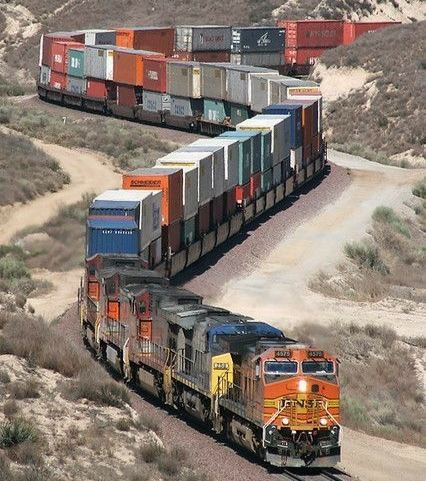
Rail freight pallet requirements for Amazon are one of the most overlooked factors in international FBA logistics. Many sellers carefully plan transportation, customs clearance, and warehouse appointments, yet their shipments still face receiving delays because pallets fail Amazon’s standards.
Imagine a rail shipment arriving in Europe or the United States on schedule, only to be rejected during warehouse receiving due to incorrect pallet dimensions, poor wrapping, or missing pallet labels. As a result, inventory becomes unavailable, storage fees increase, and replenishment plans are disrupted.
Therefore, understanding Amazon pallet requirements before rail transportation begins is essential. This guide explains pallet specifications, labeling standards, loading methods, common mistakes, and practical solutions to help sellers reduce risks and improve delivery performance.
What Are the Rail Freight Pallet Requirements for Amazon?
When shipping via rail to Amazon FBA warehouses, sellers must comply with both railway transportation standards and Amazon receiving requirements. Although rail freight providers may allow various pallet formats, Amazon warehouses follow stricter rules.
Standard Amazon Pallet Specifications
| Requirement | Amazon Standard |
|---|---|
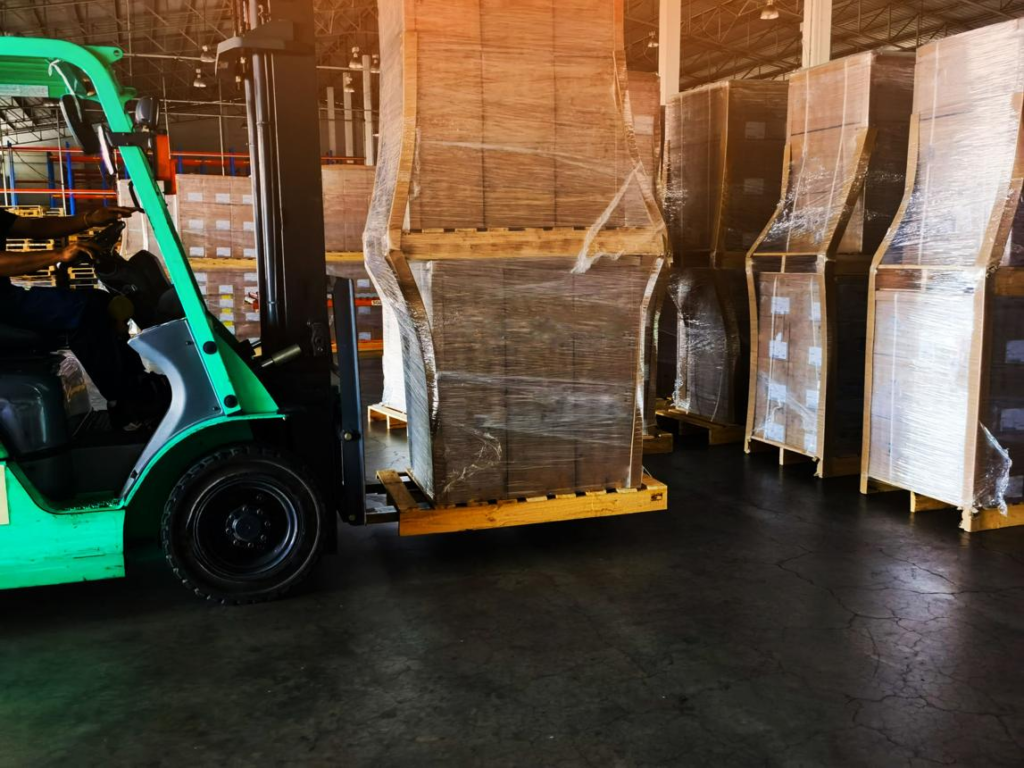
| Pallet Type | Wooden 4-way entry pallet |
| Maximum Height | 72 inches (183 cm) including pallet |
| Maximum Weight | 1,500 lbs (680 kg) |
| Pallet Condition | Clean and undamaged |
| Stretch Wrapping | Required |
| Label Visibility | Must be visible externally |
Moreover, pallets should remain stable throughout long-distance rail transport. Loose cartons frequently cause receiving issues after arrival.
Why Pallet Compliance Matters
Proper pallet preparation helps:
- Reduce warehouse rejection risks
- Improve unloading efficiency
- Prevent cargo damage
- Speed up inventory receiving
- Lower additional handling costs
Consequently, sellers who follow pallet standards often experience faster FBA check-in times.
How Do Rail Freight Pallet Requirements for Amazon Differ From Standard Rail Cargo?
Many exporters assume that any rail-compatible pallet is acceptable for Amazon. However, this assumption often leads to complications.
Key Differences
| Item | Standard Rail Cargo | Amazon FBA Cargo |
|---|---|---|
| Pallet Dimensions | Flexible | Strict standards |
| Labeling | Optional in some cases | Mandatory |
| Carton Placement | Flexible | Neat stacking required |
| Wrapping Standards | Recommended | Required |
| Receiving Inspection | Limited | Detailed |
Furthermore, Amazon warehouses inspect shipments more carefully than most commercial warehouses.
Common Issue
A shipment may successfully pass rail terminal inspections but still be delayed by Amazon because:
- Pallets exceed height limits
- Cartons overhang pallet edges
- Labels are covered by stretch film
- Pallets are damaged during transit
Therefore, Amazon compliance should always be verified before rail departure.
Which Pallet Size Works Best for Amazon Rail Freight Shipments?
Choosing the correct pallet size is one of the most important steps in rail freight planning.
Recommended Pallet Dimensions
| Region | Typical Pallet Size |
|---|---|
| United States | 48″ × 40″ |
| Europe | 1200 × 800 mm (Euro Pallet) |
| United Kingdom | 1200 × 1000 mm |
| Cross-Border Amazon Programs | Check destination FC requirements |
Meanwhile, sellers shipping through China-Europe Railway Express often use Euro pallets because many European fulfillment centers are designed around these dimensions.
Factors to Consider
Before selecting pallet dimensions, verify:
- Amazon warehouse requirements
- Cargo weight distribution
- Rail container loading efficiency
- Destination country standards
Additionally, properly sized pallets maximize container utilization and reduce freight costs per unit.
How Should Cargo Be Loaded to Meet Rail Freight Pallet Requirements for Amazon?
Correct loading techniques protect cargo during long rail journeys while ensuring Amazon acceptance.
Stack Cartons Evenly
Boxes should form a stable cube whenever possible.
Benefits include:
- Better load stability
- Easier warehouse handling
- Reduced collapse risk
Avoid Carton Overhang
Cartons extending beyond pallet edges often become damaged during loading and unloading.
Amazon may reject pallets with excessive overhang because they create safety concerns.
Use Quality Stretch Film
Moreover, stretch wrapping should secure all cartons firmly.
Recommended wrapping:
| Wrap Level | Recommended |
|---|---|
| Bottom Lock | Yes |
| Middle Wrap | Yes |
| Top Cover | Yes |
| Corner Protection | Recommended |
Consequently, pallets remain stable throughout rail transport and terminal handling.
What Labels and Documents Are Required for Amazon Pallet Deliveries?
Even perfectly built pallets can face delays if labeling requirements are ignored.
Required Pallet Labels
Amazon generally requires:
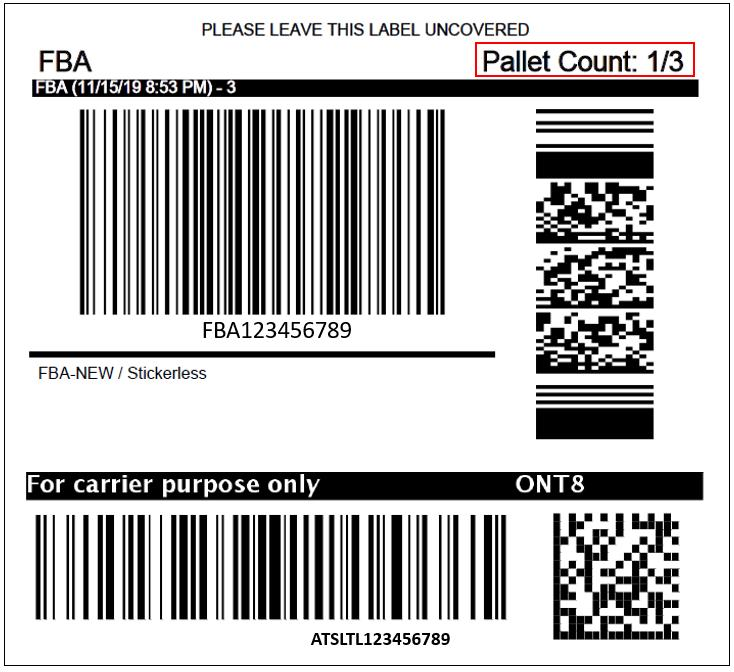
- FBA shipment labels
- Pallet labels
- Carrier labels
- Destination warehouse information
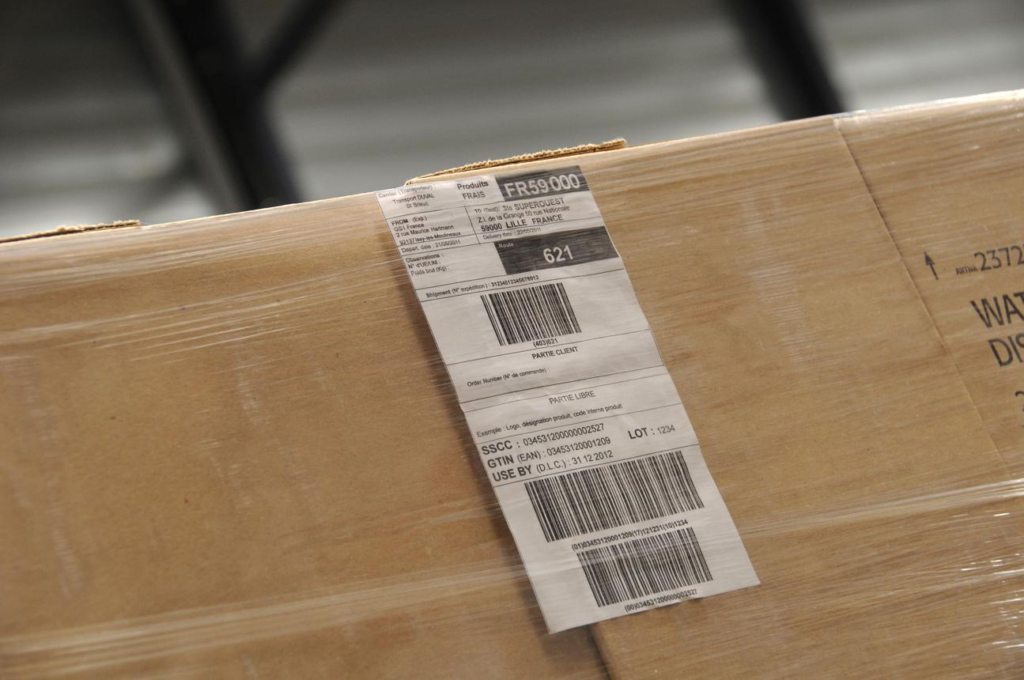
Furthermore, labels should remain visible after wrapping.
Documentation Checklist
| Document | Purpose |
|---|---|
| Commercial Invoice | Customs clearance |
| Packing List | Cargo verification |
| Rail Waybill | Transportation tracking |
| FBA Shipment ID | Amazon receiving |
| Customs Declaration | Import compliance |
Label Placement Tips
- Place labels on at least two sides.
- Keep labels flat and scannable.
- Avoid placing labels under multiple wrap layers.
- Replace damaged labels immediately.
Therefore, proper labeling significantly reduces receiving errors.
Common Rail Freight Pallet Requirement Mistakes Amazon Sellers Should Avoid
Many shipment delays originate from avoidable pallet preparation mistakes.
Most Frequent Problems
| Mistake | Potential Consequence |
|---|---|
| Exceeding pallet height | Receiving delay |
| Broken pallets | Shipment rejection |
| Missing pallet labels | Identification issues |
| Poor stretch wrapping | Cargo damage |
| Mixed SKU stacking | Inventory processing delays |
Additional Risks
Improper Weight Distribution
Heavy cartons placed on top often crush lower cartons.
Moisture Damage
Meanwhile, long-distance rail transportation may expose cargo to changing weather conditions.
Recommended solutions:
- Use moisture barriers
- Apply corner protectors
- Add desiccants when necessary
Last-Minute Repacking
Repacking at rail terminals often increases labor expenses and causes scheduling delays.
Consequently, conducting a pallet inspection before departure is highly recommended.
Rail Freight Pallet Requirements for Amazon: Real Shipment Case Studies
📦 Case Card 1: Consumer Electronics to Germany
| Item | Details |
|---|---|
| Origin | Shenzhen, China |
| Cargo | Bluetooth Accessories |
| Transit Time | 22 Days |
| Cost | $4,300 |
| Transportation Method | China-Europe Rail Freight |
| Customs Clearance | Completed in Poland |
| Brief Overview | Initial pallets exceeded Amazon height limits. After re-stacking before departure, cargo was accepted without receiving delays. |
📦 Case Card 2: Home Improvement Products to France
| Item | Details |
|---|---|
| Origin | Yiwu, China |
| Cargo | Smart Lighting Products |
| Transit Time | 24 Days |
| Cost | $4,900 |
| Transportation Method | Rail + Truck Delivery |
| Customs Clearance | Cleared in Belgium |
| Brief Overview | Missing pallet labels were identified during pre-shipment inspection. Labels were corrected before departure, preventing warehouse receiving issues. |
📦 Case Card 3: Kitchen Appliances to Poland
| Item | Details |
|---|---|
| Origin | Ningbo, China |
| Cargo | Small Kitchen Appliances |
| Transit Time | 19 Days |
| Cost | $3,800 |
| Transportation Method | Direct Rail Freight |
| Customs Clearance | Cleared in Poland |
| Brief Overview | Euro pallets were selected to match local warehouse standards. Consequently, unloading efficiency improved and inventory became available faster. |
How Can Sellers Optimize Rail Freight Pallet Requirements for Amazon Deliveries?
Successful FBA replenishment depends on preparation long before cargo reaches the warehouse.
Recommended Optimization Strategy
| Step | Action |
|---|---|
| 1 | Confirm destination warehouse standards |
| 2 | Select proper pallet dimensions |
| 3 | Verify pallet weight limits |
| 4 | Apply compliant labeling |
| 5 | Conduct pre-departure inspection |
| 6 | Coordinate with freight forwarder |
Benefits of Early Planning
Moreover, sellers who implement pallet compliance checks can:
- Reduce receiving delays
- Lower handling charges
- Improve inventory turnover
- Minimize cargo damage
- Enhance supply chain reliability
Therefore, pallet planning should be included in every rail freight shipping strategy.
Conclusion
Understanding rail freight pallet requirements for Amazon is essential for avoiding warehouse rejections, inventory delays, and unexpected logistics costs. Proper pallet sizing, secure loading, accurate labeling, and thorough pre-shipment inspections all contribute to smoother FBA receiving processes. Furthermore, when sellers align rail transportation practices with Amazon warehouse standards, they improve inventory availability and reduce operational risks across the supply chain.
- Consult Ali China Freight Forwarding for the lowest quote. They will provide you with reliable, cost-effective service.
FAQs
Q1.What is the maximum pallet height allowed for Amazon FBA rail freight shipments?
Most Amazon fulfillment centers require pallets to remain under 72 inches (183 cm) including the pallet itself. However, warehouse-specific requirements may vary, so always verify destination standards before shipping.
Q2.How much does palletized rail freight to Amazon warehouses typically cost?
Costs depend on cargo volume, route, customs requirements, and final delivery location. Generally, China-Europe rail freight costs less than air freight while offering faster transit than ocean shipping.
Q3.Can mixed SKUs be loaded on the same pallet for Amazon deliveries?
Yes, mixed SKU pallets are possible in some situations. Nevertheless, clear labeling and proper carton organization are essential to avoid inventory receiving delays and warehouse processing issues.
Q4.Which documents are required for Amazon rail freight pallet shipments?
Typical documentation includes a commercial invoice, packing list, rail waybill, customs declaration, and FBA shipment information. Additionally, some destinations may require product-specific compliance documents.
Q5.How can sellers reduce damage risks during long-distance rail freight transportation?
Using high-quality pallets, proper stretch wrapping, corner protectors, and moisture-control materials can significantly reduce risks. Furthermore, conducting a pre-loading inspection helps identify weaknesses before departure.