

Rail freight shipping for seasonal inventory preparation has become an increasingly popular solution for retailers, wholesalers, and e-commerce sellers facing predictable demand spikes. Whether preparing for Christmas, Black Friday, back-to-school sales, or summer promotions, businesses must ensure inventory arrives before customer demand surges.
However, relying solely on ocean freight can create timing risks, while air freight often increases logistics costs significantly. Therefore, many companies choose rail transportation as a middle-ground solution that offers faster transit than sea freight and lower costs than air shipping. This guide explains how rail freight supports seasonal inventory planning, what challenges businesses face, and how to build a reliable replenishment strategy.

Why Is Rail Freight Shipping for Seasonal Inventory Preparation Growing in Popularity?
Seasonal inventory planning requires a balance between speed, cost control, and supply chain reliability.
In recent years, many businesses have experienced disruptions caused by port congestion, vessel schedule changes, and fluctuating transportation rates. As a result, rail freight has become an attractive alternative.
Key Advantages of Rail Freight
| Benefit | Business Value |
|---|---|
| Faster than ocean freight | Earlier inventory arrival |
| Lower cost than air freight | Better profit margins |
| Stable schedules | Improved planning accuracy |
| Reduced transit uncertainty | Lower stockout risk |
| Flexible cargo capacity | Easier seasonal scaling |
Moreover, rail services provide consistent transit schedules during many peak shipping periods.
Consequently, businesses can better forecast inventory availability and promotional readiness.
How Does Seasonal Inventory Planning Affect Transportation Decisions?
Seasonal products often have narrow sales windows. Therefore, transportation timing becomes critical.
Common Seasonal Inventory Categories
| Industry | Seasonal Products |
|---|---|
| Retail | Holiday merchandise |
| Fashion | Seasonal apparel collections |
| Electronics | Promotional product launches |
| Home & Garden | Summer outdoor products |
| Toys | Christmas inventory |
If inventory arrives too early, storage costs increase. Conversely, late arrivals can lead to lost sales opportunities.
Planning Timeline Example
| Before Sales Season | Recommended Action |
|---|---|
| 120 Days | Demand forecasting |
| 90 Days | Production planning |
| 60 Days | Transportation booking |
| 30 Days | Inventory arrival target |
| Launch Date | Product availability |
Furthermore, accurate planning helps businesses avoid expensive emergency transportation options.
What Are the Benefits of Rail Freight for Seasonal Inventory Replenishment?
Rail transportation offers several advantages when inventory must arrive within a specific timeframe.
Speed and Cost Comparison
| Mode | Average Transit Time | Relative Cost |
|---|---|---|
| Air Freight | 3–7 Days | Highest |
| Rail Freight | 15–22 Days | Moderate |
| Ocean Freight | 30–45 Days | Lowest |
Additionally, rail freight provides more predictable transit performance than many ocean shipping routes.
Inventory Management Benefits
- Reduced stockout risk
- Better sales forecasting
- Improved warehouse planning
- Faster replenishment cycles
- Greater supply chain flexibility
As a result, businesses can align inventory arrivals more closely with actual market demand.
What Challenges Can Impact Rail Freight Shipping for Seasonal Inventory Preparation?
Although rail transportation offers many benefits, seasonal shipping still presents several challenges.
Common Risks
| Challenge | Potential Impact |
|---|---|
| Capacity shortages | Delayed departures |
| Last-minute bookings | Higher rates |
| Customs inspections | Extended transit times |
| Demand forecasting errors | Overstock or shortages |
| Terminal congestion | Delivery delays |
Furthermore, demand peaks often increase competition for transportation capacity.
Risk Reduction Strategies
First, forecast seasonal demand using historical sales data.
Additionally, reserve rail capacity well before peak periods begin.
Meanwhile, prepare customs documentation early to avoid clearance delays.
Therefore, proactive planning remains essential for successful seasonal inventory preparation.
How Can Businesses Build an Effective Seasonal Inventory Strategy?
A successful strategy combines forecasting, procurement, transportation, and inventory management.
Recommended Planning Framework
| Activity | Objective |
|---|---|
| Demand Analysis | Estimate inventory requirements |
| Supplier Coordination | Align production schedules |
| Transportation Planning | Secure capacity |
| Inventory Monitoring | Track stock levels |
| Replenishment Adjustment | Respond to demand changes |
Best Practices
- Review previous seasonal sales performance.
- Diversify transportation options.
- Maintain safety stock levels.
- Monitor transit milestones regularly.
- Establish contingency plans.
Moreover, businesses that continuously adjust inventory forecasts often achieve better fulfillment performance during peak sales periods.
Seasonal Inventory Success Stories
Holiday Retail Campaign Case
| Item | Details |
|---|---|
| Origin | Ningbo, China → Munich, Germany |
| Cargo | Christmas decorations |
| Transit Time | 19 Days |
| Cost | €6,200 |
| Transportation Method | China-Europe Rail Freight |
| Customs Clearance Details | Cleared within 48 hours of arrival |
| Brief Overview | Inventory arrived three weeks before the holiday sales campaign, allowing stores to fully stock shelves before peak demand. |
Fashion Collection Launch Case
| Item | Details |
|---|---|
| Origin | Suzhou, China → Barcelona, Spain |
| Cargo | Autumn clothing collection |
| Transit Time | 18 Days |
| Cost | €5,950 |
| Transportation Method | Rail Freight Service |
| Customs Clearance Details | Pre-arrival documentation review completed |
| Brief Overview | The retailer synchronized product arrival with a seasonal marketing campaign, reducing warehousing costs while ensuring availability. |
Outdoor Products Distribution Case
| Item | Details |
|---|---|
| Origin | Xiamen, China → Bucharest, Romania |
| Cargo | Garden furniture and outdoor accessories |
| Transit Time | 21 Days |
| Cost | €6,450 |
| Transportation Method | Rail + Regional Distribution |
| Customs Clearance Details | Standard commercial import clearance |
| Brief Overview | Rail transportation enabled inventory replenishment ahead of spring demand, preventing shortages during the busiest sales period. |
Can Rail Freight Support Both Large and Small Seasonal Shipments?
Many businesses assume rail freight is only suitable for large-volume cargo. However, rail solutions can support different shipment sizes.
Shipment Options
| Shipment Type | Suitable For |
|---|---|
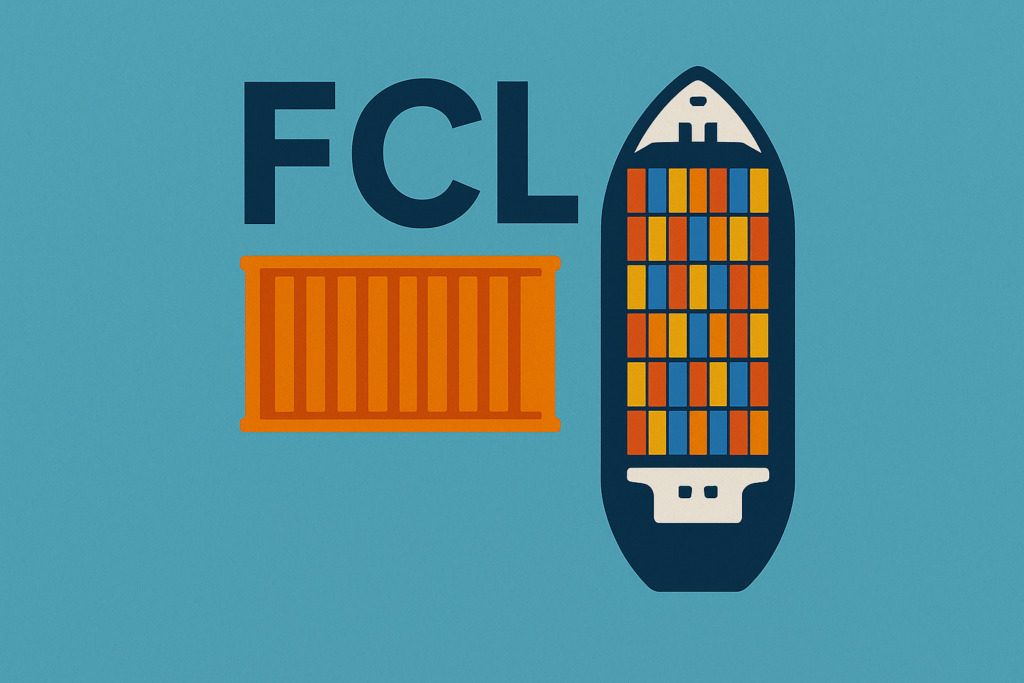
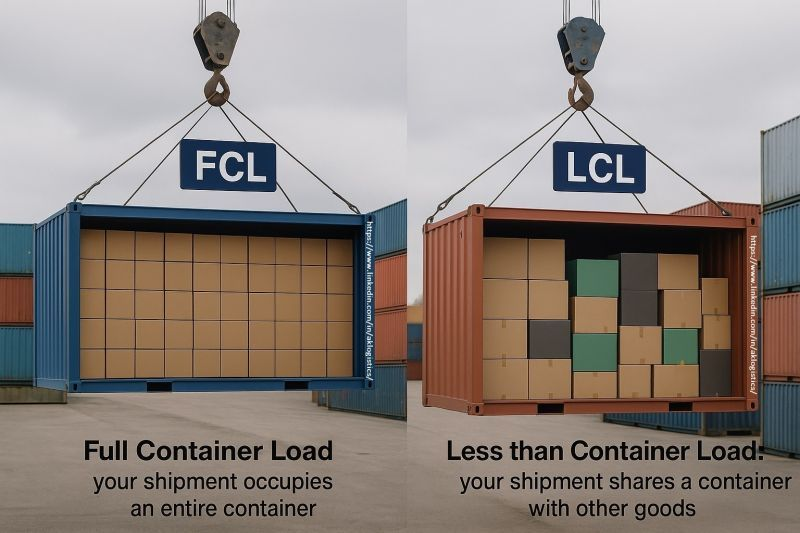
| Full Container Load (FCL) | Large seasonal inventory |
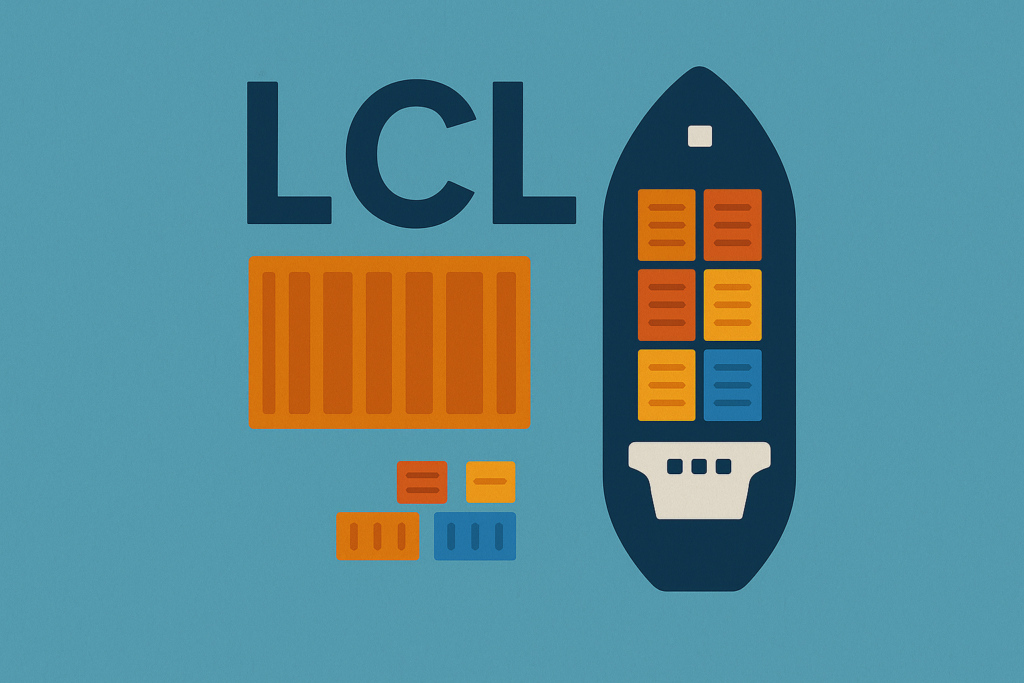
| Less than Container Load (LCL) | Smaller replenishment orders |
| Consolidated Cargo | Multiple suppliers |
| Multimodal Solutions | Diverse distribution networks |
Additionally, flexible shipping options allow businesses to match transportation capacity with inventory requirements.
Consequently, both growing retailers and established brands can benefit from rail freight services.
How Can Technology Improve Seasonal Rail Freight Planning?
Modern logistics technology helps businesses manage seasonal inventory more effectively.
Useful Digital Tools
| Tool | Function |
|---|---|
| Inventory Management Software | Stock visibility |
| Demand Forecasting Systems | Sales prediction |
| Transportation Tracking Platforms | Shipment monitoring |
| Warehouse Management Systems | Inventory allocation |
| Supply Chain Dashboards | Performance analysis |
Furthermore, real-time shipment visibility enables companies to make faster operational decisions when market conditions change.
As a result, businesses gain greater control over inventory movement and replenishment schedules.
Conclusion
Rail freight shipping for seasonal inventory preparation provides businesses with a practical balance between transportation speed, cost control, and supply chain reliability. While seasonal demand creates unique inventory challenges, rail transportation helps companies replenish stock faster than ocean freight without the expense of air shipping. Moreover, effective forecasting, early capacity booking, and coordinated logistics planning improve inventory availability and reduce the risk of stockouts. By integrating rail freight into seasonal inventory strategies, businesses can respond more effectively to market demand and improve overall supply chain performance.
- Consult Ali China Freight Forwarding for the lowest quote. They will provide you with reliable, cost-effective service.
FAQs:
Q1.When should businesses book rail freight for seasonal inventory?
Most companies should secure rail capacity at least 6–8 weeks before their target inventory arrival date. Early booking improves schedule availability and pricing stability.
Q2.Is rail freight suitable for holiday inventory preparation?
Yes. Rail freight offers a balance between transit speed and transportation costs, making it ideal for Christmas, Black Friday, and seasonal retail campaigns.
Q3.How does rail freight compare with ocean freight for seasonal goods?
Rail freight is generally faster and more predictable, while ocean freight usually offers lower transportation costs for less time-sensitive inventory.
Q4.What products are commonly shipped by rail for seasonal demand?
Retail merchandise, fashion apparel, electronics, toys, home goods, and outdoor products are frequently transported using rail freight services.
Q5.Can small businesses use rail freight for inventory replenishment?
Absolutely. LCL and consolidated rail freight services allow smaller businesses to access rail transportation without requiring full container volumes.