


- By Jaxin
- July 13, 2026
- Amazon FBA
Rail freight transportation for automotive spare parts has become a critical solution for manufacturers, distributors, and aftermarket suppliers facing rising logistics costs and unpredictable shipping schedules. When production lines depend on timely component deliveries, even a small transportation delay can disrupt inventory planning and customer fulfillment.
Meanwhile, air freight often creates budget pressure, while ocean freight may extend transit times beyond acceptable limits. Therefore, many automotive companies are turning to rail solutions that balance speed, cost efficiency, and cargo security. This guide explains how rail shipping works for automotive spare parts, how to reduce transportation risks, and how to choose the right logistics strategy for international automotive supply chains.

Why Is Rail Freight Transportation for Automotive Spare Parts Growing Rapidly?
The global automotive industry relies on a continuous flow of components, replacement parts, and aftermarket products. Consequently, logistics managers need transportation methods that offer both reliability and cost control.
Rail freight has become increasingly attractive because it bridges the gap between air and sea transportation.
Rail Freight vs Air Freight vs Ocean Freight for Automotive Parts
| Transportation Mode | Average Transit Time | Relative Cost | Best Use Case |
|---|---|---|---|
| Air Freight | 3–7 Days | Very High | Emergency shipments |
| Rail Freight | 15–25 Days | Medium | Regular automotive parts |
| Ocean Freight | 30–45 Days | Low | Bulk shipments |
| Truck Freight | Regional Only | Medium-High | Last-mile delivery |
Moreover, railway networks connecting Asia and Europe continue to expand. As a result, automotive suppliers can access faster transit times than ocean freight while maintaining significantly lower costs than air transport.
Key benefits include:
- Stable transit schedules
- Lower transportation costs
- Reduced carbon emissions
- Better cargo security
- Improved supply chain visibility

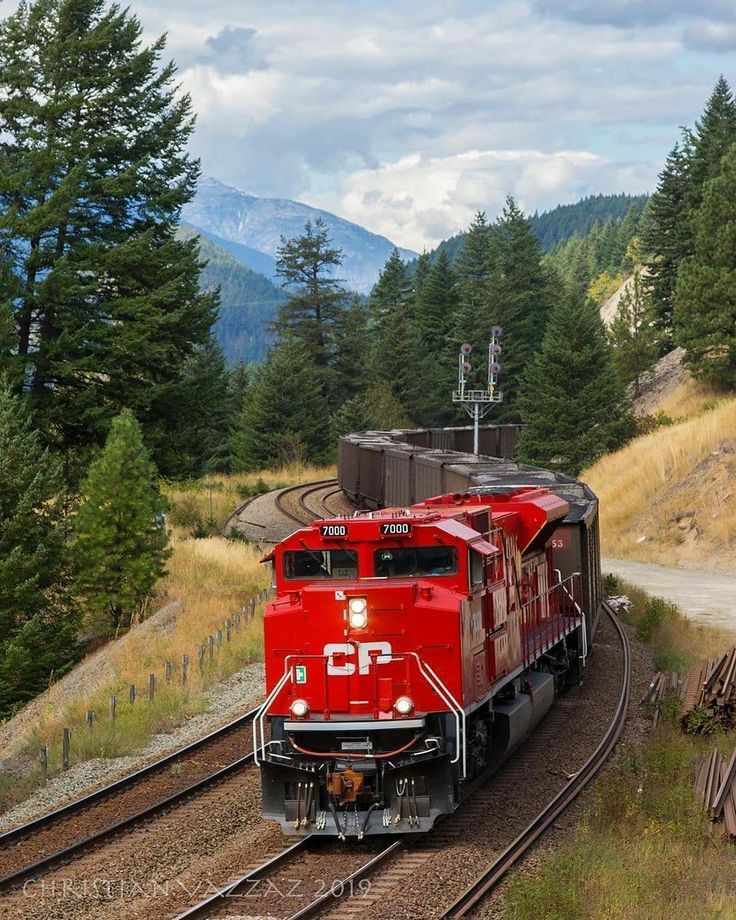

How Does Rail Freight Shipping for Automotive Components Work?
Automotive spare parts often move through a multimodal logistics process. However, the exact route depends on cargo volume, destination, and delivery requirements.
Standard Transportation Process
- Supplier pickup
- Export customs clearance
- Rail terminal loading
- International railway transport
- Import customs clearance
- Destination trucking delivery
Common Automotive Cargo Types
| Spare Part Category | Typical Packaging |
|---|---|
| Engine Components | Wooden crates |
| Brake Systems | Cartons & pallets |
| Filters | Cartons |
| Bearings | Industrial packaging |
| Electronic Modules | Anti-static packaging |
| Suspension Parts | Reinforced pallets |
Furthermore, proper packaging helps prevent vibration damage during long-distance rail transportation.
Documentation Requirements
Important documents usually include:
- Commercial invoice
- Packing list
- Bill of lading
- Certificate of origin
- HS code classification
- Import permits (if required)
Therefore, accurate documentation significantly reduces customs delays.
What Are the Cost Advantages of Rail Freight Transportation for Automotive Spare Parts?
Transportation costs directly impact automotive profit margins. Consequently, selecting the right shipping mode is essential.
Cost Comparison Example
| Route | Air Freight | Rail Freight | Ocean Freight |
|---|---|---|---|
| China to Germany | $7,000–$10,000 | $3,000–$5,500 | $1,500–$3,000 |
| China to Poland | $6,500–$9,500 | $3,000–$5,000 | $1,400–$2,800 |
| China to France | $7,500–$10,500 | $3,200–$5,700 | $1,600–$3,200 |
Although ocean freight remains cheaper, rail transportation often reduces inventory carrying costs due to faster delivery.
Additionally, rail freight can help companies:
- Reduce safety stock requirements
- Improve inventory turnover
- Lower warehousing expenses
- Minimize production interruptions
Consequently, the total landed cost may be lower than many businesses initially expect.
How Can Rail Freight Transportation for Automotive Spare Parts Reduce Supply Chain Risks?
Supply chain disruptions can create significant operational challenges. Therefore, proactive risk management is essential.
Common Risks
| Risk | Impact | Prevention Method |
|---|---|---|
| Customs Delays | Delivery interruption | Accurate documentation |
| Cargo Damage | Product loss | Strong packaging |
| Peak Season Congestion | Transit delays | Early booking |
| Inventory Shortages | Production stoppage | Safety stock planning |
| Regulatory Changes | Customs issues | Compliance reviews |
Risk Reduction Strategies
Verify HS codes before shipment to prevent classification errors.
Experienced customs brokers can also help reduce clearance delays.
Meanwhile, cargo tracking systems provide better shipment visibility throughout transit.
For high-value automotive components, cargo insurance offers additional protection.
During peak shipping seasons, maintaining backup transportation plans can further improve supply chain resilience.
These measures help create a more resilient automotive logistics network.
Which Automotive Spare Parts Are Best Suited for Railway Freight Solutions?
Not every automotive product requires air transportation. Instead, many spare parts fit perfectly within rail freight transit windows.
Ideal Cargo Categories
- Brake discs
- Shock absorbers
- Filters
- Bearings
- Engine parts
- Steering components
- Electrical systems
- Automotive accessories
Less Suitable Cargo
| Cargo Type | Recommended Mode |
|---|---|
| Emergency production parts | Air Freight |
| Ultra-high-value electronics | Air Freight |
| Hazardous materials | Special handling required |
| Time-critical recalls | Air Freight |
Nevertheless, most aftermarket and OEM spare parts can be transported efficiently by rail.
Moreover, rail freight provides predictable scheduling that supports just-in-time inventory strategies.
Case Study: Automotive Spare Parts Rail Freight Success Story
Case Card 1
| Item | Details |
|---|---|
| Origin | Shenzhen, China → Hamburg, Germany |
| Cargo | Brake system components |
| Transit Time | 19 Days |
| Cost | 42% lower than air freight |
| Transportation Method | Rail + Truck Delivery |
| Customs Clearance Details | Pre-approved HS codes and EORI verification |
| Brief Overview | Automotive distributor reduced logistics costs while maintaining inventory availability during peak demand. |
Case Card 2
| Item | Details |
|---|---|
| Origin | Chongqing, China → Warsaw, Poland |
| Cargo | Suspension spare parts |
| Transit Time | 18 Days |
| Cost | 38% lower than air freight |
| Transportation Method | China-Europe Railway + Final Trucking |
| Customs Clearance Details | Electronic customs submission completed before arrival |
| Brief Overview | Customer improved stock replenishment efficiency and reduced warehouse shortages. |
Case Card 3
| Item | Details |
|---|---|
| Origin | Zhengzhou, China → Paris, France |
| Cargo | Automotive electronic modules |
| Transit Time | 21 Days |
| Cost | 45% lower than air freight |
| Transportation Method | Rail Freight + Local Distribution |
| Customs Clearance Details | Complete documentation package prepared in advance |
| Brief Overview | Supplier achieved faster market response while controlling transportation expenses. |
How Should Companies Choose a Rail Freight Provider for Automotive Parts Logistics?
Selecting the right logistics partner is equally important as selecting the transportation mode.
Evaluation Criteria
| Factor | Why It Matters |
|---|---|
| Industry Experience | Understanding automotive supply chains |
| Customs Expertise | Faster clearance processes |
| Tracking Visibility | Real-time shipment updates |
| Network Coverage | Broader destination options |
| Cargo Insurance Options | Enhanced risk protection |
| Multimodal Services | End-to-end delivery capability |
Questions to Ask Before Booking
- Do you handle automotive spare parts regularly?
- Can you provide customs support?
- What tracking systems are available?
- How do you manage delays?
- What insurance coverage is offered?
Furthermore, experienced freight forwarders often identify potential issues before they affect delivery schedules.
As a result, businesses gain better supply chain reliability and customer satisfaction.
Conclusion
Rail freight transportation for automotive spare parts offers an effective balance between cost, speed, and reliability.Compared with air freight, it significantly reduces logistics expenses, while it delivers much faster transit times than ocean shipping.
Proper customs planning, secure packaging, and careful freight partner selection help automotive companies improve inventory management and minimize supply chain risks.As a result, rail transportation remains one of the most practical solutions for international automotive spare parts logistics.
Automotive manufacturers, distributors, and aftermarket suppliers that adopt rail freight strategies can achieve stronger supply chain performance while maintaining competitive operating costs.
Need a reliable solution for rail freight transportation for automotive spare parts? Contact us today for a freight quote and discover the most efficient rail solution for your automotive supply chain.
FAQ:
Q1.How much does rail freight transportation for automotive spare parts cost?
Costs vary by route, cargo volume, and service level. Generally, rail freight costs 30%–60% less than air freight while providing significantly faster delivery than ocean transportation.
Q2.How long does rail shipping for automotive components take?
Most China-Europe railway routes require 15–25 days. However, customs procedures, destination location, and seasonal congestion may affect total transit time.
Q3.What documents are required for automotive spare parts rail freight?
Typical documents include a commercial invoice, packing list, bill of lading, HS code information, certificate of origin, and any destination-specific import permits.
Q4.Can high-value automotive spare parts be transported by rail?
Yes. Many suppliers also use cargo insurance, reinforced packaging, and real-time tracking systems to protect high-value automotive components during transportation.
Q5.How do I choose the best freight forwarder for automotive spare parts?
Look for providers with automotive logistics experience, customs clearance expertise, multimodal transportation capabilities, cargo tracking systems, and proven rail freight networks.