

- By Jaxin
- July 8, 2026
- Amazon FBA
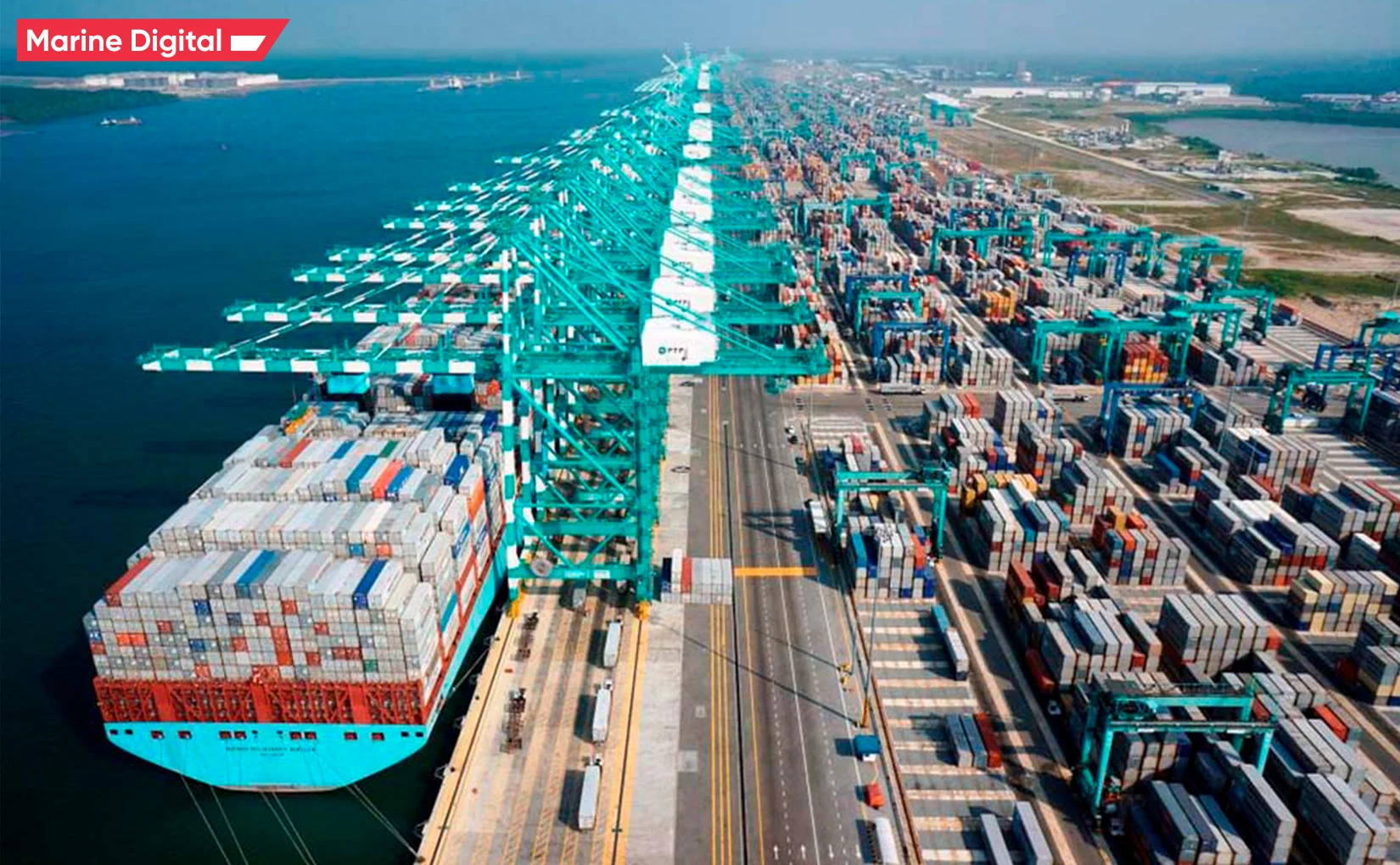
Rail freight vs sea freight during peak season is a key consideration for importers facing rising freight rates, capacity shortages, and delivery pressure. During busy shipping periods, a transportation method that performs well under normal conditions may become less reliable due to congestion and increased demand.
For example, retailers preparing for holiday sales often need inventory faster than standard ocean schedules can provide. Meanwhile, manufacturers may prioritize transportation savings over speed. Therefore, choosing the right shipping mode becomes a strategic business decision rather than simply a logistics choice.
This guide compares rail and sea freight during peak season, examines costs and transit times, and helps businesses determine which solution best fits their supply chain objectives.

What Does Rail Freight vs Sea Freight During Peak Season Mean for Supply Chains?
Peak season generally occurs when transportation demand exceeds available capacity. As a result, carriers experience increased bookings, equipment shortages, and schedule disruptions.
Although both rail and sea freight are affected, the operational challenges differ significantly.
| Factor | Rail Freight | Sea Freight |
|---|---|---|
| Capacity | Moderate | High |
| Transit Speed | Fast | Slow |
| Congestion Exposure | Medium | High |
| Schedule Stability | High | Medium |
| Flexibility | High | Low |
Moreover, delays during peak season often create inventory shortages and production interruptions. Consequently, many importers evaluate transportation options months before cargo is ready.
How Does Rail Freight vs Sea Freight During Peak Season Compare in Cost?
Freight rates are often the first factor businesses consider. However, transportation cost alone does not reflect the total financial impact.
Direct Cost Comparison
| Shipping Mode | Relative Cost | Peak Season Surcharge Risk |
|---|---|---|
| Sea Freight | Low | High |
| Rail Freight | Medium | Medium |
| Air Freight | Very High | Very High |
Hidden Cost Factors
| Cost Element | Rail Freight | Sea Freight |
|---|---|---|
| Inventory Carrying Cost | Low | High |
| Stockout Risk | Low | Medium |
| Emergency Shipping Risk | Low | High |
| Cash Flow Impact | Lower | Higher |
Furthermore, longer transit times tie up inventory and working capital. Therefore, businesses should evaluate total landed cost instead of focusing solely on freight charges.
Why Does Rail Freight vs Sea Freight During Peak Season Affect Transit Time So Much?
Transit time becomes increasingly important when inventory availability directly impacts sales performance.
Typical China-Europe Transit Times
| Route | Rail Freight | Sea Freight |
|---|---|---|
| China to Germany | 15–20 Days | 35–50 Days |
| China to Poland | 14–19 Days | 35–48 Days |
| China to Hungary | 16–21 Days | 38–52 Days |
| China to Netherlands | 16–22 Days | 35–50 Days |
As a result, rail freight can reduce transportation time by nearly half.
Additionally, shorter transit times provide greater flexibility for inventory planning. Businesses can respond faster to demand changes, while retailers gain more opportunities to replenish stock before major sales events.
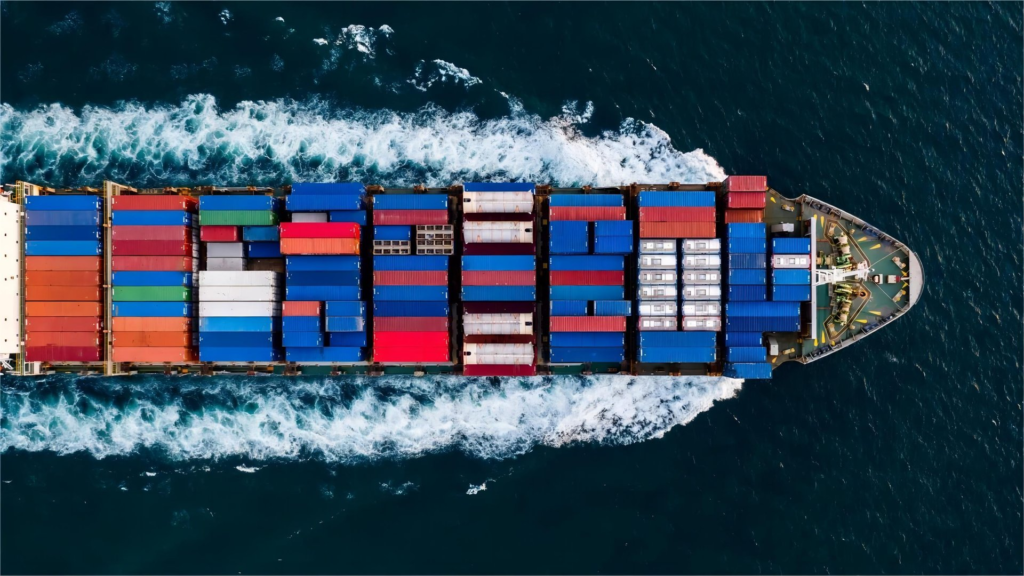
Meanwhile, ocean freight remains suitable for products with predictable demand and longer replenishment cycles.
Can Rail Freight vs Sea Freight During Peak Season Improve Reliability?
Reliability often becomes more valuable than transportation cost during periods of heavy demand.
Common Peak Season Risks
| Risk | Rail Freight | Sea Freight |
|---|---|---|
| Container Rollovers | Low | High |
| Port Congestion | Low | Very High |
| Equipment Shortages | Medium | High |
| Weather Delays | Low | Medium |
| Schedule Changes | Medium | High |
Furthermore, ocean freight networks depend heavily on port operations. When major ports become congested, delays can spread across multiple shipping schedules.
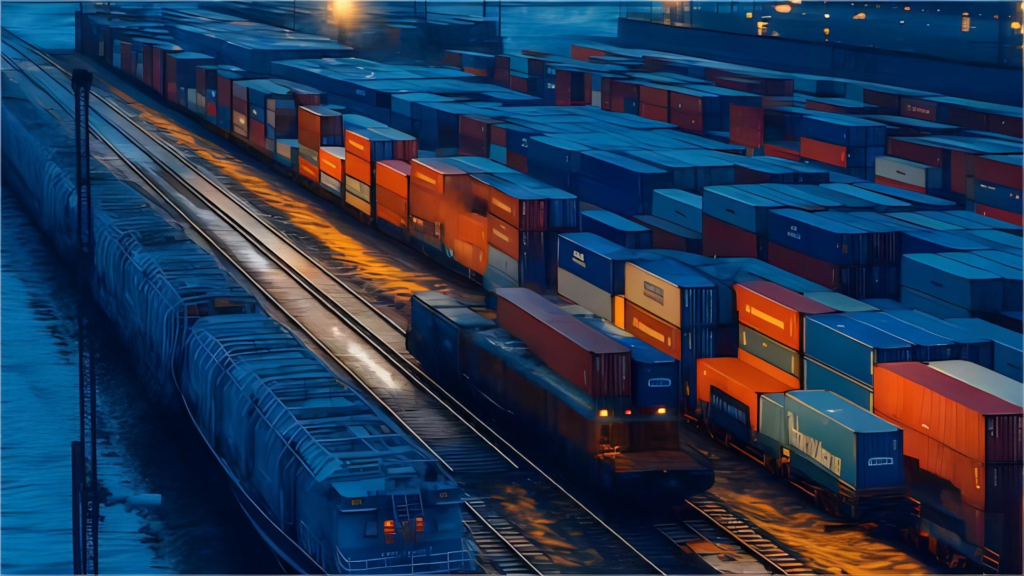
By comparison, rail services avoid most port bottlenecks. Nevertheless, rail networks can still experience capacity pressure during exceptionally busy periods.
Therefore, companies with strict delivery deadlines often favor rail freight despite its higher transportation cost.
Rail Freight vs Sea Freight During Peak Season: Case Studies
📦 Case Card 1: Christmas Retail Season
| Item | Details |
|---|---|
| Origin → Destination | Yiwu, China → Prague, Czech Republic |
| Cargo | Christmas Decorations |
| Rail Transit Time | 18 Days |
| Sea Transit Time | 43 Days |
| Cost Comparison | Sea Freight Lower |
| Customs Clearance | DAP |
| Peak Season Result | Rail inventory arrived before holiday promotions; sea freight cargo arrived after the sales campaign started. |
📦 Case Card 2: Black Friday Replenishment
| Item | Details |
|---|---|
| Origin → Destination | Dongguan, China → Łódź, Poland |
| Cargo | Electronics Accessories |
| Rail Transit Time | 16 Days |
| Sea Transit Time | 41 Days |
| Cost Comparison | Sea Freight Lower |
| Customs Clearance | DDP |
| Peak Season Result | Rail freight prevented stockouts, while sea freight required emergency replenishment planning. |
📦 Case Card 3: Peak Manufacturing Demand
| Item | Details |
|---|---|
| Origin → Destination | Changzhou, China → Debrecen, Hungary |
| Cargo | Industrial Automation Components |
| Rail Transit Time | 17 Days |
| Sea Transit Time | 46 Days |
| Cost Comparison | Sea Freight Lower |
| Customs Clearance | FCA |
| Peak Season Result | Rail freight maintained production schedules, whereas ocean transit increased the risk of component shortages. |
When Should You Choose Rail Freight vs Sea Freight During Peak Season?
Different supply chains require different transportation strategies.
Best Situations for Rail Freight
| Scenario | Suitability |
|---|---|
| Seasonal Products | Excellent |
| High-Value Goods | Excellent |
| Urgent Replenishment | Excellent |
| Inventory Recovery | Excellent |
| Short Selling Window | Excellent |
Best Situations for Sea Freight
| Scenario | Suitability |
|---|---|
| Large Shipment Volumes | Excellent |
| Low-Margin Products | Excellent |
| Stable Demand | Excellent |
| Long Lead Times | Excellent |
| Budget-Focused Logistics | Excellent |
Moreover, many companies use both modes simultaneously. Ocean freight moves base inventory, while rail freight handles urgent replenishment shipments.
How Can Businesses Optimize Rail Freight vs Sea Freight During Peak Season?
The most successful peak season strategies focus on preparation rather than reaction.
Peak Season Planning Checklist
| Timeline | Recommended Action |
|---|---|
| 90 Days Before | Forecast demand |
| 60 Days Before | Reserve transportation capacity |
| 45 Days Before | Confirm supplier production schedules |
| 30 Days Before | Finalize shipping plans |
| 15 Days Before | Review contingency options |
Additionally, companies should diversify transportation methods whenever possible.
Best Practices
- Book capacity early
- Maintain safety stock
- Verify customs documentation
- Monitor carrier performance
- Develop backup routing plans
- Partner with experienced freight forwarders
Consequently, businesses gain greater flexibility and reduce exposure to transportation disruptions.
Conclusion
The comparison of rail freight vs sea freight during peak season depends on balancing cost, speed, and supply chain risk. Sea freight remains the most economical choice for large-volume shipments with flexible delivery schedules. However, rail freight offers significantly faster transit times, stronger reliability, and better inventory flexibility during busy shipping periods. Therefore, companies that align transportation strategy with business objectives can reduce delays, prevent stockouts, and improve overall supply chain performance.
- Consult Ali China Freight Forwarding for the lowest quote. They will provide you with reliable, cost-effective service.
FAQs:
Q1.How early should seasonal inventory be shipped before a major sales event?
Most importers begin shipping 60–90 days before major promotions. Early planning improves capacity availability and reduces the risk of peak season transportation disruptions.
Q2.Which products benefit the most from rail freight during busy periods?
Products with short selling cycles, high inventory value, or unpredictable demand often gain the greatest advantage from faster rail transportation.
Q3.Is rail freight suitable for replacing emergency air freight?
In many situations, yes. Rail freight offers significantly lower costs than air freight while still providing much faster transit times than ocean shipping.
Q4.What is the biggest risk of relying only on sea freight during peak season?
The primary risk is extended delays caused by port congestion, vessel schedule changes, or container rollovers that can disrupt inventory availability.
Q5.Should importers use multiple transportation modes during peak season?
Yes. A combination of rail and sea freight can improve flexibility, reduce risk, and create a more resilient supply chain during periods of high demand.