

Introduction
Retail companies often face a difficult challenge: keeping distribution centers fully stocked while controlling international shipping costs. Delays, rising freight rates, and unpredictable ocean schedules can quickly affect sales performance.
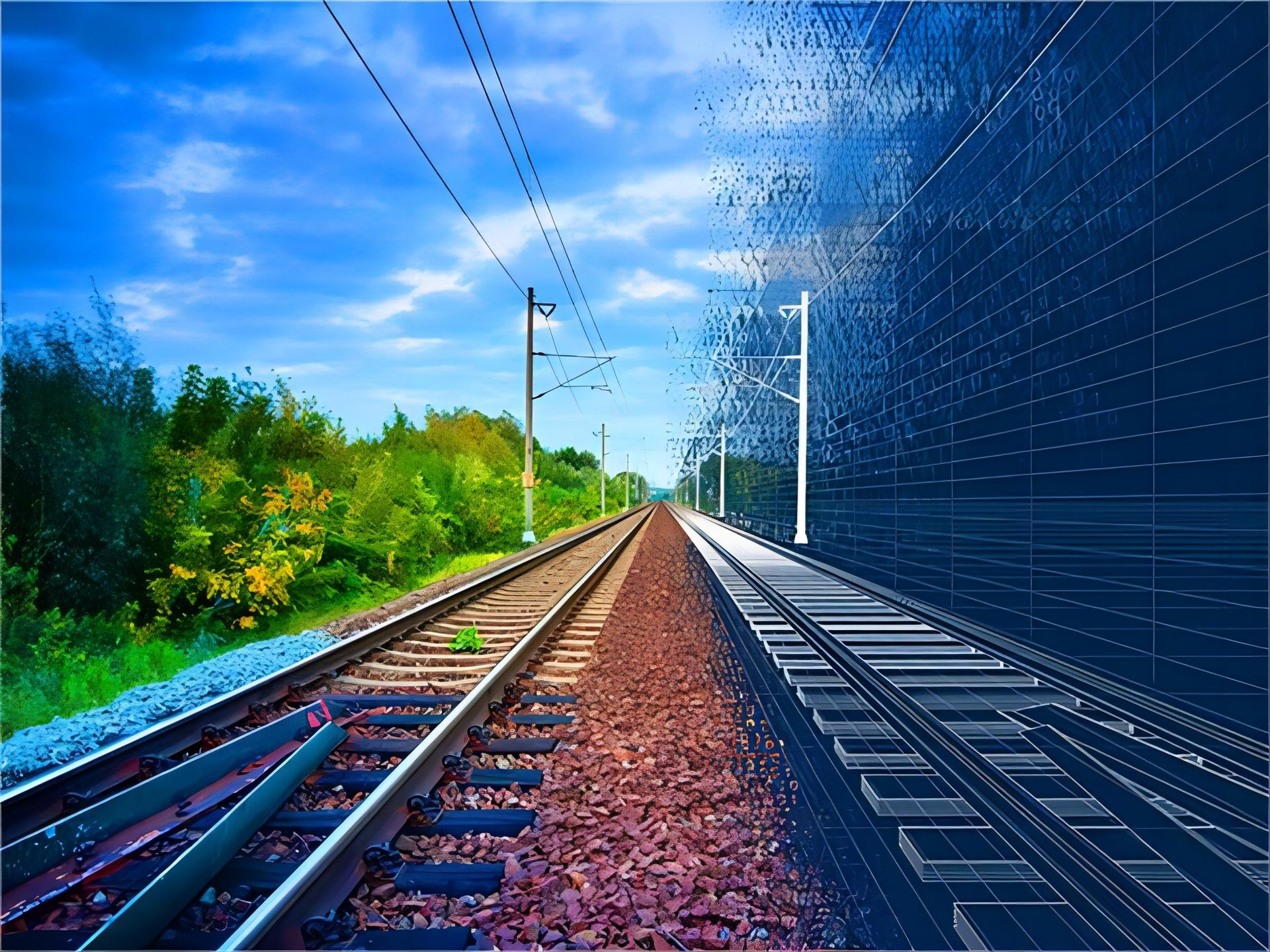
Therefore, railway freight forwarding for retail distribution centers has become a practical solution for retailers that need faster delivery than ocean freight but lower costs than air transportation. Moreover, rail freight provides better supply chain visibility and supports stable inventory planning.
This guide explains how railway freight solutions help retail distribution centers improve transportation efficiency, reduce risks, and build a more flexible global supply chain.
What Is Railway Freight Forwarding for Retail Distribution Centers?
Railway freight forwarding for retail distribution centers refers to organizing international rail transportation, customs clearance, and final delivery services for retail inventory shipments.
Moreover, professional freight forwarders coordinate multiple logistics stages, including supplier pickup, rail booking, customs documentation, terminal handling, and warehouse delivery.
What Services Are Included in Railway Freight Forwarding?
| Service Stage | Main Function |
|---|---|
| Supplier Pickup | Collect cargo from factories |
| Rail Transportation | Move goods across international rail networks |
| Customs Clearance | Complete import procedures |
| Final Delivery | Transport cargo to retail warehouses |
Additionally, rail freight is suitable for products that require stable delivery schedules but do not need urgent air transportation.
Common retail products shipped by rail include:
- Consumer electronics
- Fashion products
- Household items
- Beauty products
- E-commerce inventory
Therefore, railway freight provides retailers with a reliable middle option between expensive air freight and slower ocean shipping.
Why Do Retailers Choose Railway Freight for Inventory Replenishment?
Retail distribution centers depend on consistent inventory flow. However, traditional transportation methods may create supply chain challenges, especially during peak seasons.
Moreover, railway freight helps retailers maintain shorter replenishment cycles and reduce dependency on uncertain ocean schedules.
| Shipping Method | Transit Time | Cost Level | Suitable For |
|---|---|---|---|
| Air Freight | 3–10 days | High | Emergency inventory |
| Railway Freight | 14–25 days | Medium | Regular replenishment |
| Ocean Freight | 30–45 days | Low | Large-volume cargo |
Additionally, railway transportation offers several benefits:
- More predictable delivery schedules
- Lower transportation costs than air freight
- Better capacity availability during peak seasons
- Lower carbon emissions
Therefore, retailers can use rail freight for products with medium urgency and predictable demand cycles.
For example, seasonal products can be shipped by rail several weeks before sales campaigns, reducing the risk of inventory shortages.
How Does Railway Freight Forwarding Improve Supply Chain Visibility?
Retailers need accurate shipment information because warehouse operations depend on delivery timing. Therefore, railway freight forwarding for retail distribution centers often includes tracking and logistics coordination services.
Moreover, professional freight forwarders provide shipment updates throughout the transportation process, allowing retailers to prepare warehouse resources in advance.
Key Visibility Benefits
| Supply Chain Challenge | Railway Freight Solution |
|---|---|
| Unknown delivery time | Scheduled rail departure and arrival updates |
| Warehouse planning issues | Advance delivery notifications |
| Customs uncertainty | Document preparation before arrival |
| Inventory pressure | More predictable replenishment |
Additionally, better visibility helps retailers reduce unnecessary safety stock.
For example, when a company knows that cargo will arrive within a specific time window, it can adjust purchasing plans and warehouse capacity more accurately.
Therefore, railway freight is not only a transportation service but also a supply chain management tool.
What Documents Are Required for Railway Freight Forwarding Services?
Accurate documentation is essential because customs delays can interrupt retail distribution plans. Therefore, retailers should prepare shipping documents before cargo departure.
Moreover, experienced freight forwarders usually review documents in advance to reduce customs clearance problems.
| Document | Purpose |
|---|---|
| Commercial Invoice | Shows cargo value and transaction details |
| Packing List | Provides package information |
| Rail Waybill | Confirms transportation details |
| HS Code Information | Supports customs classification |
| Certificate of Origin | Verifies product origin |
Additionally, retailers should check:
- Product descriptions
- Import regulations
- Customs requirements
- Consignee information
- Tax-related documents
Furthermore, proper preparation helps avoid common problems such as customs inspection delays, incorrect declarations, and additional storage charges.
Therefore, choosing a freight forwarding partner with customs experience is essential for smooth retail supply chain operations.
How Can Retailers Reduce Costs with Railway Freight Forwarding?
Retail companies need to control logistics costs while maintaining reliable delivery performance. Therefore, railway freight forwarding for retail distribution centers helps businesses achieve a balance between transportation expenses and supply chain efficiency.
Moreover, retailers can reduce total logistics costs by improving shipment planning, consolidating cargo, and selecting suitable transportation solutions.
| Cost Factor | Optimization Method | Benefit |
|---|---|---|
| Freight Cost | Choose rail instead of air freight | Lower transportation expenses |
| Inventory Cost | Improve replenishment frequency | Reduce excess stock |
| Storage Cost | Avoid delivery delays | Reduce warehouse charges |
| Customs Cost | Prepare documents correctly | Prevent unexpected fees |
Additionally, retailers can combine rail transportation with other logistics services, including:
- Door-to-door delivery
- Rail freight consolidation
- Customs clearance support
- Regional trucking
However, the lowest freight rate is not always the best option. A reliable solution should consider transit time, cargo safety, customs efficiency, and warehouse requirements.
Therefore, retailers should evaluate the total supply chain cost instead of only comparing transportation prices.
Case Study: Railway Freight Solution for Retail Inventory Replenishment
| Item | Details |
|---|---|
| Route | Shenzhen, China → Hamburg, Germany |
| Cargo | Consumer electronics accessories |
| Transit Time | 20 days rail + 3 days trucking |
| Cost | About 30% lower than air freight |
| Transportation Method | China-Europe Railway Express + local delivery |
| Customs Clearance | HS code verification and import document review completed before arrival |
| Overview | A European retailer needed faster stock replenishment before a seasonal promotion. Rail freight provided a balance between speed and cost. |
| Result | Inventory arrived on schedule, reducing stock shortage risk and improving warehouse planning. |
How Should Retailers Select a Railway Freight Forwarding Partner?
Choosing the right logistics provider directly affects delivery reliability. Therefore, retailers should evaluate service capability rather than focusing only on freight prices.
Moreover, an experienced railway freight forwarder should understand international rail routes, customs procedures, and retail warehouse requirements.
| Evaluation Factor | Why It Matters |
|---|---|
| Rail Network Experience | Ensures stable transportation routes |
| Customs Expertise | Reduces clearance delays |
| Tracking Capability | Improves shipment visibility |
| Trucking Network | Supports final delivery |
| Customer Support | Provides quick problem-solving |
Additionally, retailers should confirm whether the provider can offer:
- Door-to-door railway freight services
- Customs declaration assistance
- Shipment tracking updates
- Peak season transportation planning
- Flexible multimodal solutions
Furthermore, a professional partner can help retailers choose suitable routes based on cargo type, destination, and delivery requirements.
Therefore, selecting the right freight forwarder is a key step in building a stable international retail supply chain.
Conclusion
Railway freight forwarding for retail distribution centers provides retailers with a reliable transportation solution that combines reasonable costs, predictable transit times, and improved supply chain visibility.
Moreover, rail freight helps companies optimize inventory replenishment, reduce transportation risks, and support international expansion. By combining rail transportation, customs management, and last-mile delivery, retailers can create a more efficient logistics network.
Therefore, businesses looking for a balance between speed and cost should consider railway freight as an important part of their global distribution strategy.
Need a quote?
📞 Ready to get started? Contact us now to request a free shipping quote.
FAQs
1. How much does railway freight forwarding for retail distribution centers cost?
Rail freight costs depend on route, cargo volume, container type, and service level. Generally, it offers lower costs than air freight while providing faster delivery than ocean shipping.
2. How long does railway freight take for retail distribution centers?
Most China-Europe rail shipments take around 14–25 days. However, customs clearance and final trucking may add several additional days.
3. Is railway freight better than ocean freight for retail inventory?
Rail freight is suitable for retailers needing faster replenishment. Moreover, it provides shorter transit times while maintaining better cost efficiency than air freight.
4. What documents are needed for railway freight forwarding?
Retail shipments usually require commercial invoices, packing lists, rail waybills, HS codes, and customs documents to ensure smooth cargo clearance.
5. How can retailers choose a reliable railway freight forwarder?
Retailers should select providers with rail experience, customs knowledge, tracking systems, and integrated delivery services to reduce supply chain risks.