

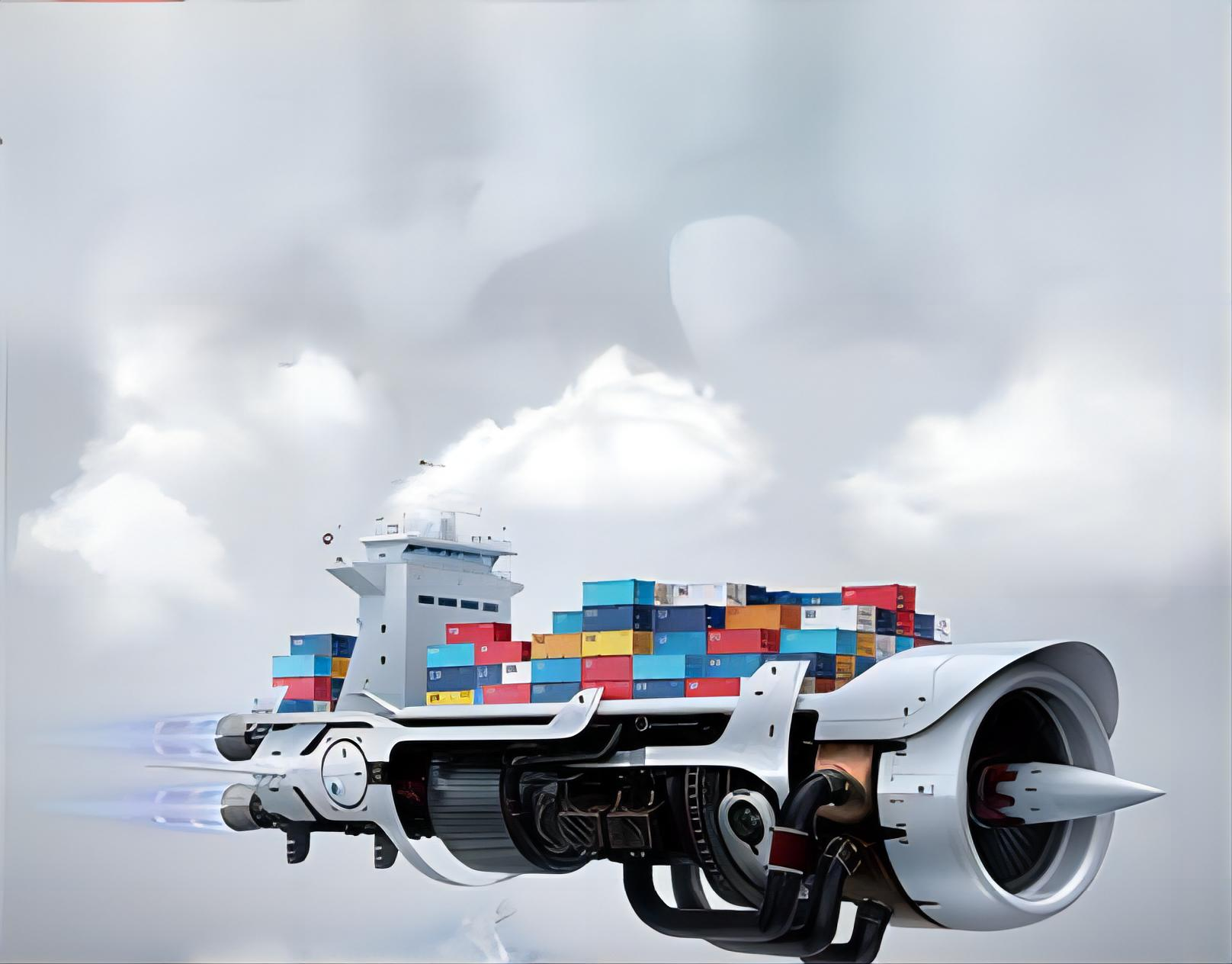
Sea Freight China Container Shipping Rates Calculator: 2026 Guide
Navigating the complexities of international logistics requires precise data and reliable tools for modern businesses. Many importers now rely on a sea freight china container shipping rates calculator to manage their supply chain budgets with greater accuracy. This essential resource simplifies the process of estimating costs for 2026 shipments across various global trade lanes. Consequently, understanding how these calculations work allows you to optimize your shipping strategy and reduce unnecessary overhead expenses.

How a Sea Freight China Container Shipping Rates Calculator Works
A digital calculator processes multiple variables to provide a comprehensive estimate for ocean transport. It typically considers the port of loading, the final destination, and the specific volume of the cargo being moved. Furthermore, these tools integrate real-time market data to reflect current fuel surcharges and seasonal demand fluctuations. You can easily compare different service levels and container sizes by inputting your specific shipment details into the interface.
Choosing sea freight remains the most cost-effective method for transporting large volumes of goods from Chinese manufacturing hubs. The calculator accounts for both Full Container Load and Less than Container Load options to suit different business needs. Moreover, it helps you visualize the total landed cost by including basic freight charges and mandatory port fees. Therefore, utilizing this tool early in your planning phase prevents unexpected financial surprises during the transit process.
Current 2026 Market Trends for China Sea Freight
As of Q1 2026, freight rates from China have stabilized following the logistical adjustments seen in previous years. Industry reports suggest that carrier capacity has finally aligned with global demand, leading to more predictable pricing structures. However, shippers should remain aware of potential fluctuations during the peak season between August and October. Indeed, staying informed about these trends is crucial for maintaining a competitive edge in the global marketplace.
Technological advancements in port automation have also contributed to improved transit times across major routes. Many carriers are now implementing green shipping initiatives which may introduce small environmental surcharges into the overall rate. Additionally, the shift toward digital documentation has reduced administrative delays at major Chinese ports like Shanghai and Ningbo. Consequently, businesses can expect a more streamlined experience when booking their container space for the upcoming year.
FCL vs LCL: Which Container Shipping Method Fits Your Budget?
Selecting between FCL and LCL is one of the most critical decisions for any importer. Full Container Load is generally preferred for shipments that exceed 15 cubic meters in total volume. On the other hand, Less than Container Load allows smaller businesses to share container space and only pay for the volume they occupy. This flexibility is essential for startups and companies with smaller inventory requirements.
To help you decide, consider the following comparison of 2026 market averages for these two primary methods. Note: Freight rates are subject to change based on fuel costs, carrier capacity, and seasonal demand. Contact us for a current quote tailored to your specific shipment.
| Feature | Full Container Load (FCL) | Less than Container Load (LCL) | Best For |
|---|---|---|---|
| Cost Structure | Flat rate per container | Price per cubic meter | FCL for bulk goods |
| Security | Higher (sealed container) | Moderate (shared space) | FCL for fragile items |
| Transit Time | Faster (direct) | Slower (consolidation) | LCL for small loads |
| Handling | Minimal | Frequent at warehouses | FCL for delicate cargo |

Factors Influencing Your Sea Freight Shipping Rates from China
Several underlying factors contribute to the final price generated by a sea freight china container shipping rates calculator. Fuel prices, specifically the Bunker Adjustment Factor, represent a significant portion of the total ocean freight cost. Additionally, port congestion at either the origin or destination can lead to detention and demurrage charges. Therefore, working with a professional customs brokerage service is vital to avoid unnecessary delays.
Currency fluctuations between the US Dollar and the Chinese Yuan also impact the final billing amount for international shipments. Many carriers apply a Currency Adjustment Factor to mitigate the risks associated with volatile exchange rates. Furthermore, peak season surcharges are common during the months leading up to major holidays like the Lunar New Year. Consequently, planning your shipments well in advance can help you secure lower rates and guaranteed space on the vessel.
How Does Sea Freight Compare to Other Shipping Options?
While ocean transport is the standard for most global trade, it is important to evaluate alternative methods based on your specific needs. For instance, air freight offers unmatched speed for urgent cargo but comes at a significantly higher price point. In contrast, rail freight provides a middle ground for shipments moving between China and inland European destinations. Each method has distinct advantages depending on your budget and delivery schedule.
To provide a clear overview, we have analyzed the primary shipping options available in the 2026 market. This comparison helps you determine which logistics strategy aligns best with your business objectives and customer expectations.
| Shipping Method | Cost Range | Transit Time | Best For |
|---|---|---|---|
| Sea Freight | $1,800 – $5,500 | 14 – 40 Days | Large bulk orders |
| Air Freight | $8,000 – $30,000 | 3 – 7 Days | Urgent electronics |
| Rail Freight | $2,800 – $4,800 | 18 – 25 Days | Mid-size industrial |
| Express Service | $10,000+ | 2 – 5 Days | Small samples |
Which Option Should You Choose? Decision Framework
Determining the right shipping method requires a careful balance of three main factors: budget, speed, and volume. If your primary goal is cost reduction and you have a flexible timeline, sea freight is undoubtedly the best choice. However, if you are launching a new product and need it on shelves within a week, air freight is the only viable solution. You must also consider the nature of your cargo, as hazardous materials have restricted shipping options.
For shipments that require a complete logistics solution, many businesses choose a door to door service. This comprehensive approach handles everything from the factory floor in China to the final warehouse destination. As a result, you can focus on your core business operations while experts manage the complexities of international transport. Without a doubt, choosing the right service level is just as important as choosing the right transport mode.

Real-World Case Studies: 2026 Shipping Examples
Reviewing actual shipping scenarios provides valuable insight into what you can expect when using a sea freight china container shipping rates calculator. These examples highlight the typical costs and timelines for major global routes in the current market. By examining these cases, you can better estimate your own logistics requirements for 2026.
Case Study 1: Electronics to North America. Route: Shenzhen, China to Los Angeles, USA. Cargo: Consumer electronics, 28 CBM, 4500 kg. Container: 40GP. Shipping Details: Carrier: Major trans-Pacific carrier. Port of Loading: Shenzhen. Port of Discharge: Los Angeles. Route Type: Direct. Cost Breakdown: Ocean Freight: $2,850. Origin Charges: $450. Destination Charges: $600. Customs and Duties: $1,200. Total Landed Cost: $5,100. Timeline: Booking to Loading: 4 days. Sea Transit: 16 days. Customs Clearance: 3 days. Total Door-to-Door: 23 days. Key Insight: Early booking in Q1 2026 secured a rate 15 percent below the peak season average.
Case Study 2: Textiles to Europe. Route: Ningbo, China to Hamburg, Germany. Cargo: Apparel and textiles, 12 CBM, 2200 kg. Container: LCL. Shipping Details: Carrier: Major global consolidator. Port of Loading: Ningbo. Port of Discharge: Hamburg. Route Type: Transshipment via Singapore. Cost Breakdown: Ocean Freight: $960 ($80 per CBM). Origin Charges: $320. Destination Charges: $480. Customs and Duties: $850. Total Landed Cost: $2,610. Timeline: Booking to Loading: 6 days. Sea Transit: 34 days. Customs Clearance: 4 days. Total Door-to-Door: 44 days. Key Insight: Using LCL saved the client over $1,000 compared to booking a half-empty 20GP container.
Learn more about shipping to North America and Europe to see how these rates apply to your specific region.
Strategies to Reduce Your Container Shipping Costs in 2026
Reducing your logistics spend requires a proactive approach and a deep understanding of market dynamics. One effective strategy is to consolidate multiple small orders into a single FCL shipment to benefit from lower per-unit costs. Additionally, optimizing your product packaging can help you fit more items into a single container, maximizing the value of your space. Indeed, small changes in packaging design often lead to significant long-term savings.
Another approach involves negotiating long-term contracts with freight forwarders to lock in stable rates during volatile periods. This provides budget certainty and protects your business from sudden price spikes in the spot market. Furthermore, always verify the accuracy of your cargo dimensions and weight to avoid costly adjustments at the port. Consequently, meticulous attention to detail during the documentation phase is a hallmark of successful global importers.
Mastering Your Logistics with a Sea Freight China Container Shipping Rates Calculator
Successfully managing international trade in 2026 requires a combination of the right tools and expert knowledge. By utilizing a sea freight china container shipping rates calculator, you can gain the transparency needed to make informed financial decisions. This guide has explored the various factors that influence pricing, from container types to market trends and regional differences.
To summarize, staying ahead of the competition means being proactive about your shipping strategy and cost management. Whether you are shipping to North America, Europe, or Australia, understanding the nuances of ocean freight is essential. We encourage you to use these insights to streamline your operations and achieve greater efficiency in your global supply chain.
Need a tailored shipping solution?
Ready to optimize your logistics budget for the year ahead? Use our sea freight china container shipping rates calculator to get an instant estimate for your next shipment. Our team of experts is standing by to help you navigate the complexities of global trade and find the most cost-effective solutions for your business. Visit alichinafreight.com to request your personalized quote today and experience the difference of professional shipping management. Send Inquiry link: Visit alichinafreight.com/contact/