

Sea Freight China FCL LCL Container Door Service 2026 Guide
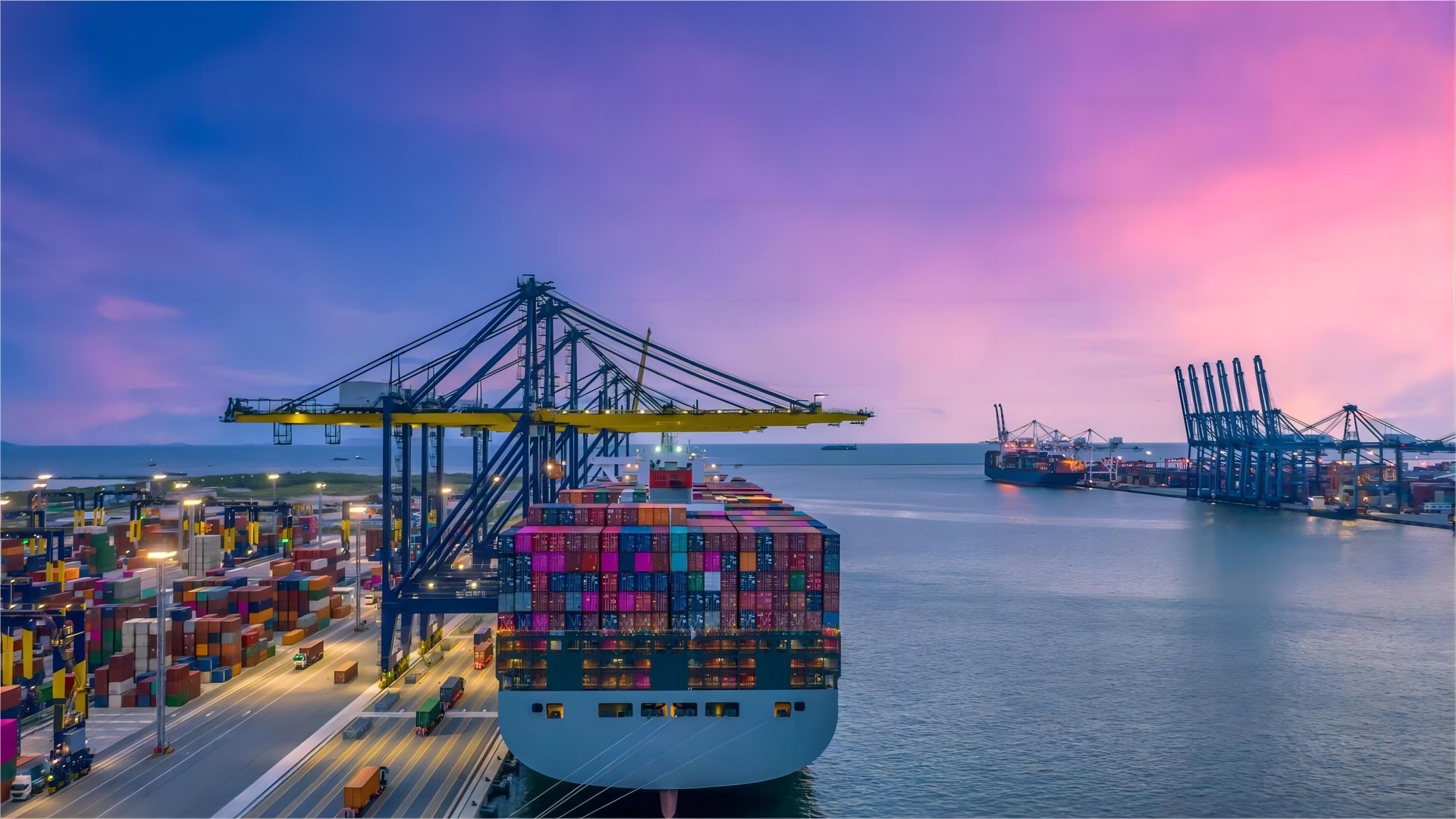
Optimizing your global supply chain starts with choosing a reliable sea freight china fcl lcl container door service for your 2026 imports. Navigating the complexities of international logistics requires a partner like DSV-Freight to ensure your goods arrive safely and on time. Whether you are moving small batches or massive inventory, understanding these shipping methods is essential for cost control and operational success.
What is Sea Freight China FCL LCL Container Door Service?
This comprehensive logistics solution manages the entire journey of your cargo from the supplier in China directly to your specified destination. By utilizing sea freight, businesses can significantly reduce their long-haul transportation expenses compared to air or express alternatives.
Full Container Load (FCL) involves dedicating an entire container to a single shipment, which offers maximum security and faster handling at the port. In contrast, Less than Container Load (LCL) allows multiple shippers to share space within one container, making it ideal for smaller volumes.
Consequently, the door-to-door component eliminates the need for you to coordinate multiple carriers or handle complex port pickups yourself. Our integrated approach ensures that every step, from inland trucking to final delivery, is managed through a single point of contact.
FCL vs LCL: Which Shipping Method Fits Your Needs?
Choosing between FCL and LCL depends largely on your total cargo volume and the urgency of your delivery schedule. For shipments exceeding 15 cubic meters, FCL typically becomes the more cost-effective choice because you pay a flat rate for the entire container.
Moreover, FCL shipments generally experience fewer delays since they do not require the consolidation or deconsolidation processes associated with shared containers. If your cargo is fragile or high-value, the exclusive use of a container provides an extra layer of protection against handling damage.
Alternatively, LCL is a fantastic option for startups or businesses testing new products without committing to large inventory levels. You only pay for the space you occupy, which keeps your international shipping costs manageable while maintaining a steady flow of goods.
| Feature | FCL (Full Container) | LCL (Shared Container) | Best Use Case |
|---|---|---|---|
| Cost Structure | Flat rate per unit | Price per cubic meter | Volume dependent |
| Transit Time | Faster (Direct) | Slower (Consolidation) | Urgency dependent |
| Risk Level | Lower (Minimal handling) | Moderate (More handling) | Safety priority |
| Volume Threshold | Above 15 CBM | Below 15 CBM | Efficiency focus |
How Does Sea Freight Compare to Other Shipping Options?
While sea freight is the backbone of global trade, it is important to evaluate it against other modes like air freight or rail options. Sea transport remains the most economical method for bulky or heavy items that do not require immediate delivery.
Furthermore, the environmental impact of ocean transport is significantly lower than air transit, helping your company meet sustainability goals. However, if your timeline is extremely tight, you might consider express service for small, urgent parcels.
Indeed, many modern businesses utilize a hybrid strategy to balance speed and cost effectively. For example, you might ship your core inventory via sea while using air freight for seasonal peaks or unexpected stock shortages.
| Shipping Method | Cost Range (2026) | Transit Time | Best For |
|---|---|---|---|
| Sea Freight (FCL) | $1,500 – $6,000 | 18 – 45 Days | Large bulk orders |
| Air Freight | $5 – $12 per kg | 3 – 7 Days | High-value/Urgent |
| Rail Freight | $1,000 – $3,500 | 15 – 22 Days | China to Europe |
| Express | $8 – $20 per kg | 2 – 5 Days | Samples and docs |
The Benefits of Door to Door Delivery from China
Utilizing a door to door service simplifies the entire import process by removing the burden of logistics management from the buyer. This service includes the pickup from the factory, export clearance, ocean transit, and final delivery to your warehouse.
Additionally, this model provides transparent pricing, as most quotes include all local charges and handling fees upfront. You can avoid the hidden costs often associated with port-to-port shipping, where destination fees can sometimes exceed the ocean freight itself.
Consequently, your team can focus on sales and marketing rather than worrying about customs delays or trucking coordinates. This streamlined approach is particularly beneficial for those shipping to North America, where inland transport distances can be vast.
Calculating International Shipping Costs in 2026
Market data suggests that freight rates in 2026 have stabilized following previous years of volatility, though seasonal fluctuations still occur. Ocean freight prices are influenced by fuel surcharges, container availability, and the specific trade route you choose.
Typically, rates increase by 15 to 25 percent during the peak season from August to October as retailers prepare for the holidays. To secure the best rates, it is advisable to book your shipments at least three to four weeks in advance of the desired loading date.
Meanwhile, you should also account for customs brokerage fees and potential duties when calculating your total landed cost. Proper documentation is the key to avoiding expensive storage fees at the port of discharge.
| Route | 20GP Container | 40HQ Container | Transit Time |
|---|---|---|---|
| China to USA West | $1,600 – $2,300 | $2,900 – $3,900 | 14 – 19 Days |
| China to USA East | $2,600 – $3,600 | $4,600 – $6,100 | 30 – 36 Days |
| China to Europe | $1,900 – $2,600 | $3,100 – $4,300 | 28 – 36 Days |
| China to Australia | $900 – $1,300 | $1,500 – $2,100 | 12 – 19 Days |

Real-World Case Studies: China to Global Destinations
Examining real-world examples helps illustrate how sea freight china fcl lcl container door service operates in practice. These scenarios reflect typical market conditions and logistics challenges faced by importers in early 2026.
Case Study 1: Electronics Distribution to USA. Route: Shenzhen to Los Angeles. Cargo: Consumer electronics, 28 CBM, 4500 kg. Container: 40GP. Shipping Details: Direct via major carrier. Cost Breakdown: Ocean Freight $2,450, Origin Charges $420, Destination Charges $550, Customs $300. Total Landed Cost: $3,720. Timeline: 22 days door-to-door. Key Insight: Early booking saved 10 percent on peak season surcharges.
Case Study 2: Furniture Import to Germany. Route: Ningbo to Hamburg. Cargo: Wooden furniture, 8 CBM, 1200 kg. Container: LCL. Shipping Details: Transshipment via Singapore. Cost Breakdown: Ocean Freight $640, Origin Charges $210, Destination Charges $380, Customs $250. Total Landed Cost: $1,480. Timeline: 38 days door-to-door. Key Insight: LCL was significantly cheaper than FCL for this mid-sized volume.
Note: Freight rates are subject to change based on fuel costs, carrier capacity, and seasonal demand. Contact us for a current quote tailored to your specific shipment.
Which Option Should You Choose? Decision Framework
Selecting the right shipping strategy requires an objective analysis of your budget, timeline, and cargo specifications. If your primary goal is budget priority, we recommend sea freight LCL for small volumes or FCL for large inventories.
Furthermore, if speed is your priority, you should consider air freight or the China-Europe rail link for faster transit times. Cargo type also plays a role; heavy machinery is best suited for FCL, while lightweight fashion items might benefit from the speed of air transit.
Indeed, the volume threshold for switching from LCL to FCL is usually around 15 cubic meters. Beyond this point, the administrative and handling costs of LCL often exceed the flat rate of a 20-foot container.
Mastering Your Logistics Strategy
In conclusion, choosing the right sea freight china fcl lcl container door service is a critical decision for any international business. By understanding the differences between FCL and LCL, you can make informed choices that balance cost and efficiency.
Therefore, partnering with an experienced freight forwarder ensures that your supply chain remains resilient against global market shifts. Start planning your 2026 shipments today to take advantage of stable rates and reliable transit schedules.
Need a tailored shipping solution?
Ready to streamline your imports with an expert sea freight china fcl lcl container door service? Contact our logistics specialists today to receive a customized quote and optimize your 2026 shipping strategy. Visit our inquiry page to get started: Send Inquiry
Frequently Asked Questions
What is the difference between FCL and LCL?
FCL means you rent an entire container for your goods. LCL involves sharing container space with other shippers, which is more economical for smaller loads under 15 CBM.
How long does door to door sea freight take from China?
Transit times usually range from 15 to 45 days. This depends on the destination port, whether the route is direct, and the efficiency of local trucking services.
Are customs duties included in door to door quotes?
Usually, quotes include handling and brokerage, but actual duties and taxes are billed separately. Always verify if your quote is DDU (Delivered Duty Unpaid) or DDP (Delivered Duty Paid).
When should I choose FCL over LCL for my shipment?
You should choose FCL when your cargo volume exceeds 15 cubic meters. It is also better for fragile goods or when you need faster port handling and extra security.
What documents are required for China sea freight?
Key documents include the Commercial Invoice, Packing List, Bill of Lading, and Certificate of Origin. Some products may require specific licenses or safety certificates for export.
Can I track my container during transit?
Yes, most modern freight forwarders provide container tracking numbers. You can monitor the real-time location of your vessel and receive updates on estimated arrival times.
Is insurance necessary for ocean freight shipments?
Highly recommended. Cargo insurance protects your investment against maritime risks, theft, or damage during the long journey from China to your warehouse.