


Shipping China Warehouse Fulfillment Consolidation Service: 2026 Logistics Guide
Optimizing your supply chain requires a reliable shipping china warehouse fulfillment consolidation service to manage inventory and reduce international freight expenses. By partnering with Alichinafreight, businesses can streamline their export processes while ensuring high delivery standards for global customers. This comprehensive guide details how consolidation and fulfillment services in China provide a competitive edge for modern e-commerce brands in 2026.
What is a Shipping China Warehouse Fulfillment Consolidation Service?
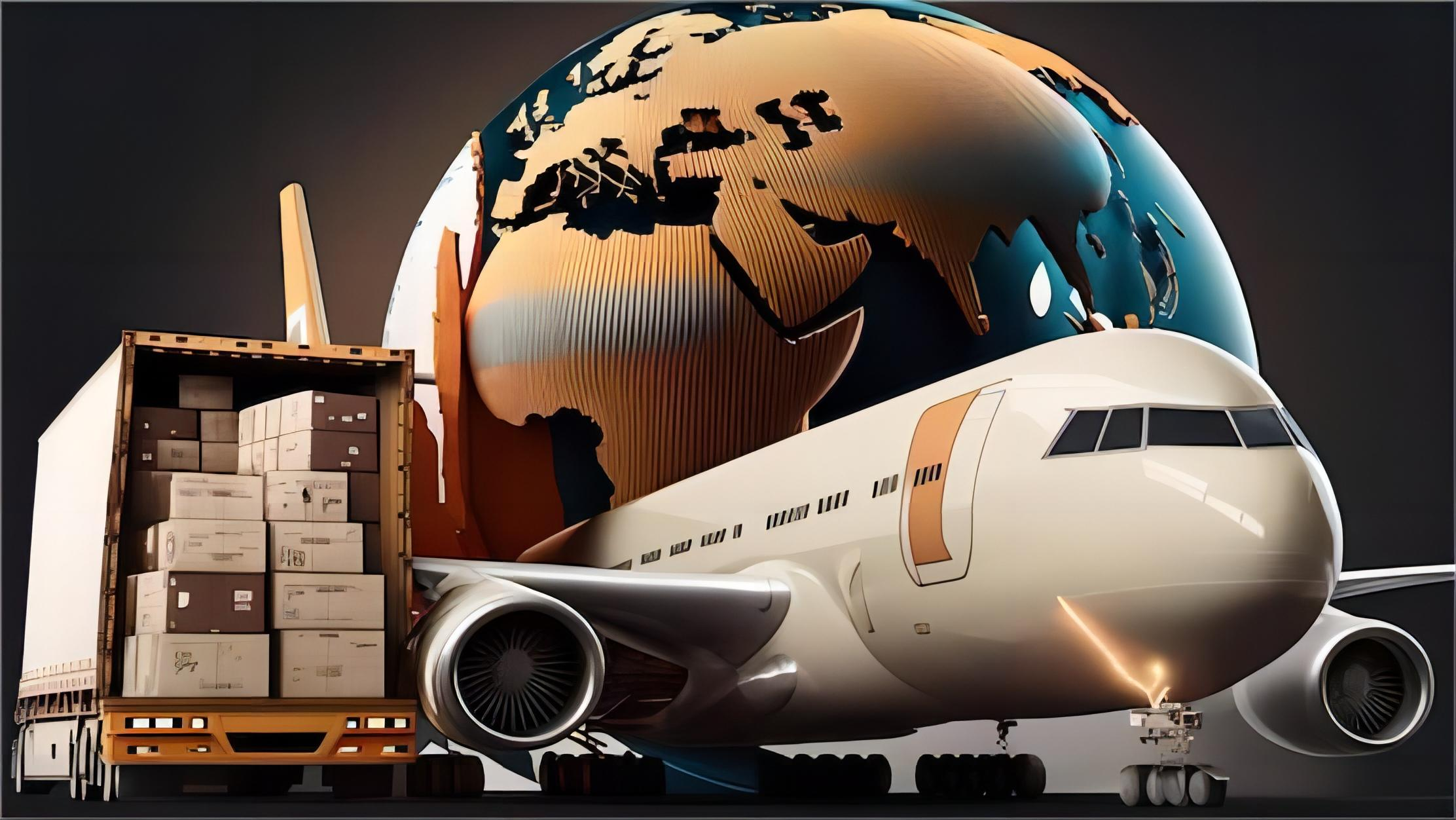
A shipping china warehouse fulfillment consolidation service acts as a centralized hub for all your sourcing and distribution needs within mainland China. Specifically, this service combines storage, order picking, and the merging of multiple smaller shipments into a single larger load. Consequently, importers can avoid the high costs associated with shipping individual parcels directly from various suppliers.
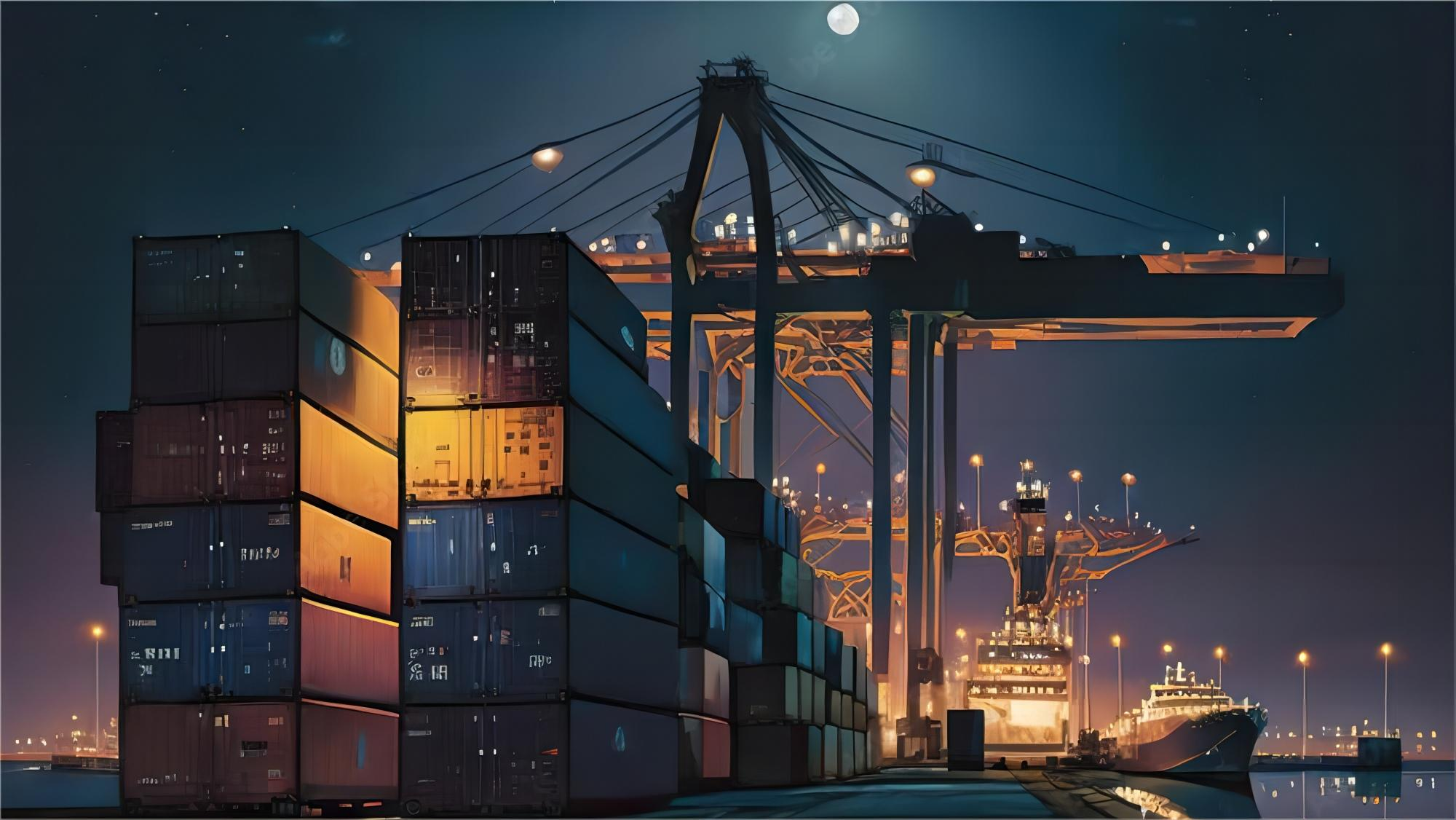
Furthermore, modern fulfillment centers in 2026 utilize advanced automation to track inventory levels in real-time. Therefore, you can maintain visibility over your stock without needing a physical presence in the country. This integration allows for faster processing times and more accurate order dispatch to international destinations.
Additionally, consolidation specifically addresses the inefficiencies of shipping half-empty containers. By grouping your goods with others, you benefit from lower freight rates and reduced handling fees at the destination port. This approach is particularly beneficial for small to medium-sized enterprises looking to scale their operations globally.
How Does Shipping China Warehouse Fulfillment Consolidation Service Compare to Other Shipping Options?
Evaluating different logistics strategies is essential for maintaining a healthy profit margin in 2026. While direct shipping from a factory might seem faster, it often results in higher per-unit costs and fragmented tracking. In contrast, using a consolidated warehouse service provides a single point of contact and unified documentation for all your goods.
Moreover, the choice between different transport modes depends heavily on your budget and urgency. For instance, sea freight remains the most economical choice for large volumes, even with the stabilized rates of early 2026. However, if your inventory cycles are short, you might consider faster alternatives like air or express options.
The following table provides an objective comparison of the primary shipping methods available for your consolidated goods.
| Shipping Method | Cost Range (2026) | Transit Time | Best For | Limitations |
|---|---|---|---|---|
| Sea Freight (LCL) | $180 – $350 per CBM | 25 – 40 Days | Bulk inventory | Slowest transit |
| Air Freight | $5.00 – $9.00 per kg | 5 – 10 Days | High-value goods | Weight limits |
| Express Service | $8.00 – $14.00 per kg | 3 – 6 Days | Urgent samples | Highest price |
| Rail Freight | $140 – $260 per CBM | 18 – 26 Days | Europe shipments | Land-locked routes |
Which Option Should You Choose for Your 2026 Logistics?
Selecting the right method requires a clear understanding of your business priorities and cargo characteristics. If your primary goal is budget optimization, choosing sea freight for your consolidated shipments is the most logical step. On the other hand, businesses dealing with high-demand electronics or fashion often prefer air freight to keep up with market trends.
Volume thresholds also play a critical role in this decision-making process. Specifically, when your total consolidated volume exceeds 15 CBM, it is often more cost-effective to book a full 20GP container rather than paying for LCL space. Consequently, warehouse managers will advise you on the optimal time to ship based on your current inventory accumulation.
Cargo type considerations cannot be overlooked when planning your 2026 strategy. For example, fragile items or hazardous materials require specialized handling and may be restricted on certain air routes. Therefore, always consult with your logistics provider to ensure compliance with international safety standards and carrier policies.
Real-World Case Studies for 2026 Logistics
Reviewing actual shipment data helps clarify the potential savings and timelines associated with professional consolidation. Below are two scenarios based on market conditions in early 2026.
Case Study 1: Electronics Consolidation to the USA. Route: Shenzhen to Los Angeles. Cargo: Smart home devices, 6 CBM, 1400 kg. Container: LCL 6 CBM. Shipping Details: Major carrier via Port of Shenzhen to Port of Los Angeles. Cost Breakdown: Ocean Freight $1,550; Origin Charges $280; Destination Charges $350; Customs and Duties $420. Total Landed Cost: $2,600. Timeline: Booking to Loading 3 days; Sea Transit 16 days; Customs 3 days. Total Door-to-Door: 22 days. Key Insight: Consolidating three different suppliers in Shenzhen saved the client 35 percent compared to individual express shipments.
Case Study 2: Home Decor to Europe. Route: Ningbo to Rotterdam. Cargo: Ceramic vases and textiles, 28 CBM, 5200 kg. Container: 20GP Full Container. Shipping Details: COSCO direct service from Ningbo to Rotterdam. Cost Breakdown: Ocean Freight $2,200; Origin Charges $300; Destination Charges $450; Customs and Duties $600. Total Landed Cost: $3,550. Timeline: Booking to Loading 5 days; Sea Transit 32 days; Customs 4 days. Total Door-to-Door: 41 days. Key Insight: Using a 20GP container for consolidated home decor items provided the lowest per-unit shipping cost for the Q1 2026 season.
Note: Freight rates are subject to change based on fuel costs, carrier capacity, and seasonal demand. Contact us for a current quote tailored to your specific shipment.
Why Your Business Needs Order Fulfillment in China
Implementing Amazon FBA preparation or general e-commerce fulfillment directly in China offers significant strategic advantages. Specifically, it allows you to inspect goods before they leave the country, reducing the risk of costly international returns. Consequently, you can ensure that only high-quality products reach your end customers in North America or Europe.
Furthermore, a China-based fulfillment center can handle complex labeling and packaging requirements required by major retailers. Therefore, your inventory arrives at destination warehouses ready for immediate sale without further processing. This efficiency is vital for maintaining high seller ratings and avoiding late delivery penalties on major platforms.
Additionally, local fulfillment enables a more agile response to market fluctuations. For instance, you can store bulk inventory in China and use express service to restock popular items quickly. This hybrid approach balances low-cost storage with high-speed delivery for your most profitable product lines.
Navigating Customs and Documentation in 2026
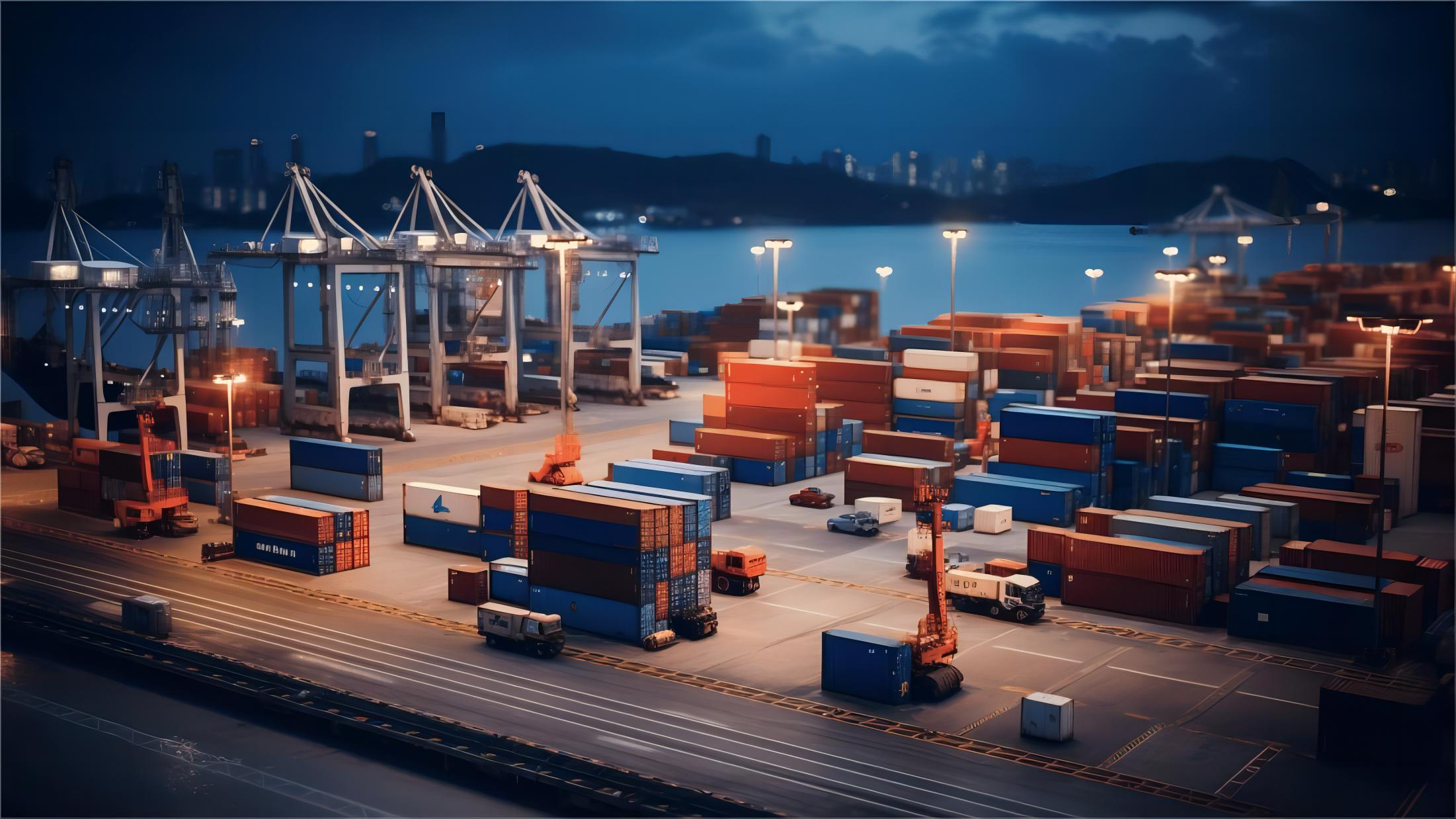
Managing the paperwork for international trade remains one of the most challenging aspects of global logistics. Indeed, incorrect documentation can lead to severe delays and unexpected storage fees at the port of entry. Using a professional customs brokerage service ensures that your commercial invoices, packing lists, and certificates of origin are perfectly aligned.
Moreover, 2026 regulations have introduced stricter digital filing requirements for shipments entering the European Union and the United States. Consequently, having a warehouse team that understands these electronic data interchange protocols is essential for smooth clearance. They verify that all HS codes are accurate to prevent overpayment of duties or legal complications.
Specifically, the consolidation process simplifies documentation by grouping various items under a single master bill of lading. This reduces the number of individual entries that customs officials must process, often leading to faster release times. However, you must ensure that every item in the consolidated shipment is properly declared to avoid flagging the entire container for inspection.
Cost-Saving Strategies for Consolidation and Shipping
Reducing your logistics spend in 2026 requires a proactive approach to shipment planning and warehouse management. One effective strategy involves optimizing your product packaging to minimize wasted space within the container. Specifically, reducing the dimensions of your outer cartons can significantly lower your CBM-based freight costs over time.
Additionally, timing your shipments to avoid the peak season rush can lead to substantial savings. Historically, rates increase by 15 to 25 percent during the August to October period as retailers prepare for the holidays. Therefore, shipping your non-seasonal inventory during the quieter Q1 or Q2 months can help you secure much lower contract rates.
Furthermore, consider utilizing a sea-air hybrid solution for shipments that are too urgent for ocean freight but too bulky for standard air transport. This method involves shipping goods by sea to a hub like Dubai or Singapore and then flying them to the final destination. As a result, you achieve a balance between cost and speed that pure transport modes cannot match.
Mastering Your China Logistics Strategy
Successfully managing a shipping china warehouse fulfillment consolidation service is the key to scaling an international business in 2026. By centralizing your operations, you gain better control over inventory, reduce shipping expenses, and improve delivery reliability. Consequently, your brand can compete more effectively in the crowded global marketplace.
Ultimately, the combination of strategic warehouse placement, expert consolidation, and the right shipping method creates a resilient supply chain. Whether you are shipping to North America, Europe, or Australia, these services provide the foundation for long-term growth. Professional logistics management remains the most important investment for any importer sourcing from China today.
Ready to streamline your logistics?
Streamline your global supply chain today with our expert shipping china warehouse fulfillment consolidation service. Contact the team at Alichinafreight to receive a customized quote and discover how our integrated logistics solutions can reduce your 2026 shipping costs. Visit our website or send an inquiry to start optimizing your international exports now.
Request Quote