
Shipping from China to Canada Freight Forwarder: 2026 Logistics Guide
Shipping from china to canada freight forwarder services are the backbone of modern trade between these two major economic regions in 2026. Businesses often face significant hurdles when managing international logistics, ranging from fluctuating fuel surcharges to complex customs regulations at Canadian ports. By partnering with a professional logistics expert like alichinafreight.com, importers can streamline their supply chain and ensure timely delivery of goods. This comprehensive guide explores the essential aspects of moving cargo efficiently across the Pacific while maintaining cost-effectiveness and compliance.
✦
Why You Need a Specialized Freight Forwarder for Canada
Navigating the vast distance between Chinese manufacturing hubs and Canadian consumer markets requires more than just a carrier booking. A specialized shipping from china to canada freight forwarder acts as a strategic partner, managing every detail from origin pickup to final destination delivery. Moreover, they possess the local knowledge necessary to handle specific Canadian Border Services Agency (CBSA) requirements which can vary by commodity type.

Furthermore, professional forwarders provide access to a network of reliable carriers, ensuring that your cargo moves even during peak seasons when space is limited. They offer consolidated services that allow smaller businesses to benefit from lower rates typically reserved for large-volume shippers. Consequently, choosing the right partner can lead to significant savings in both time and money while reducing the risk of costly shipping delays.
Additionally, the logistics landscape in 2026 has become increasingly digital, requiring forwarders to provide real-time tracking and transparent communication. Without a dedicated expert, importers might struggle with the paperwork involved in international trade, such as commercial invoices and packing lists. Therefore, leveraging the expertise of a freight forwarder is not just a convenience but a necessity for competitive businesses today.
Local Expertise in Canadian Regulations
Canadian import laws are strict, particularly regarding safety standards and environmental regulations for electronics and textiles. A forwarder ensures that all items are correctly classified under the Harmonized System (HS) codes to avoid penalties. Indeed, incorrect documentation is the leading cause of container holds at ports like Vancouver or Prince Rupert.
How Does Sea Freight Compare to Other Shipping Options?
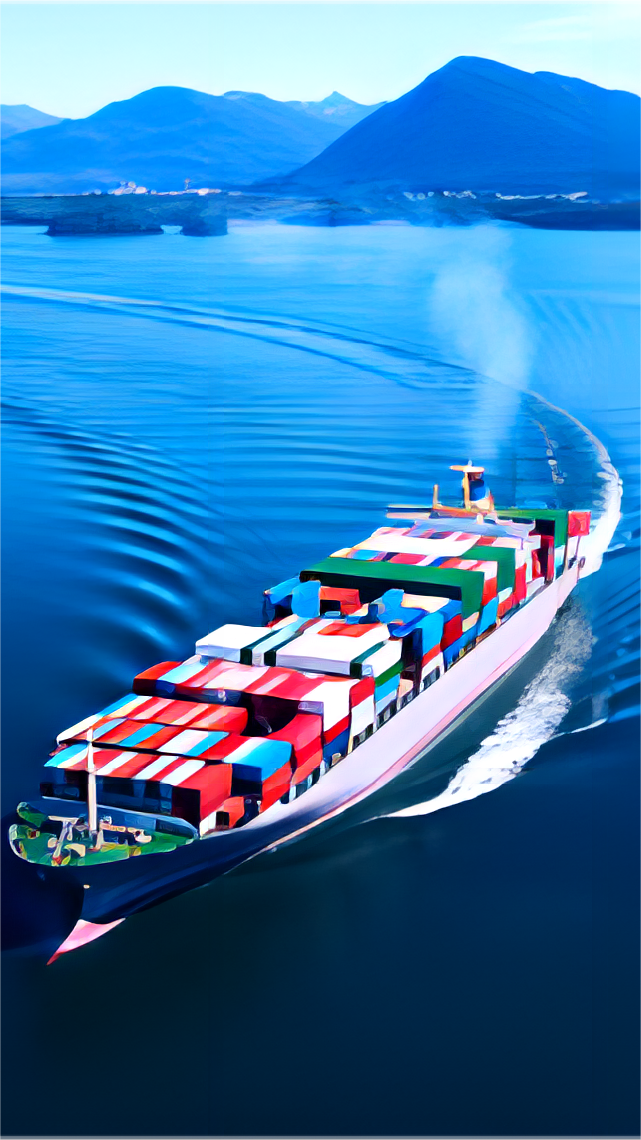
Ocean transport remains the most popular method for moving large volumes of goods due to its unmatched cost-efficiency for heavy cargo. When choosing sea freight, importers can select between Full Container Load (FCL) and Less than Container Load (LCL) options. FCL is ideal for large shipments that can fill a 20ft or 40ft container, providing better security and faster transit as the box is not opened until it reaches the destination.
In contrast, LCL allows multiple shippers to share space within a single container, making it a budget-friendly choice for smaller loads. While sea freight is slower than air transport, it offers the lowest carbon footprint per ton of cargo moved. Moreover, the stability of ocean freight rates in early 2026 has made it an attractive long-term solution for businesses with predictable demand cycles.
However, shippers must account for longer lead times, often ranging from 20 to 40 days depending on the specific Canadian port of entry. For instance, shipping to Vancouver is significantly faster than transit to Montreal or Toronto, which may require intermodal rail transport from the West Coast. Understanding these nuances is critical for maintaining an efficient inventory management system.
| Shipping Method | Cost Range | Transit Time | Best For |
|---|---|---|---|
| Sea Freight (FCL) | $2,500 – $5,500 | 20-40 Days | Bulk Goods / Large Inventory |
| Sea Freight (LCL) | $80 – $150 per CBM | 25-45 Days | Small Shipments > 1 CBM |
| Air Freight | $4.50 – $9.00 per kg | 3-7 Days | High Value / Urgent Items |
| Express Service | $8.00 – $15.00 per kg | 2-5 Days | Samples / Documents |
Alternative Strategies for Shipping from China to Canada
Beyond standard sea and air options, several hybrid strategies can optimize your supply chain based on specific budget and speed requirements. One effective alternative is the Sea-Air solution, where cargo is shipped by sea to a hub like Dubai or Singapore and then flown to Canada. This method provides a balance, being faster than pure ocean freight and significantly cheaper than direct air transport.
Another strategy involves utilizing different Canadian ports to avoid congestion; while Vancouver is the primary gateway, using Prince Rupert can sometimes save days in rail transit to the interior. Furthermore, some importers choose to ship to US West Coast ports like Seattle and then use cross-border trucking to reach Canadian destinations. This approach can be beneficial if US port congestion is lower or if trucking rates are particularly competitive at the time.
Additionally, for very urgent but heavy shipments, deferred air freight services offer a middle ground by utilizing non-priority space on cargo planes. This typically costs 20% less than standard air freight while still arriving within 10 days. Ultimately, a versatile shipping from china to canada freight forwarder will suggest these alternatives based on current market conditions and port performance data.
Efficient Air Freight Solutions for Urgent Cargo
When time is the most critical factor, air freight provides the speed necessary to meet tight deadlines or restock high-demand products. This method is particularly suitable for electronics, fashion items, and perishable goods that cannot endure long sea voyages. In addition, air transport offers higher levels of security and a reduced risk of damage compared to ocean handling.
Most air cargo from China to Canada departs from major hubs like Shanghai Pudong (PVG), Shenzhen (SZX), or Hong Kong (HKG) and arrives at Toronto Pearson (YYZ) or Vancouver (YVR). Consequently, transit times are often as short as 3 to 5 days including customs clearance. While the cost per kilogram is higher, the reduction in inventory carrying costs and the ability to react quickly to market trends often justifies the investment.
Furthermore, air freight simplifies the logistics chain as it involves fewer handling steps and less time spent in warehouses. Shippers should consider the volumetric weight of their packages, as airlines charge based on either actual weight or the space the cargo occupies. To maximize efficiency, businesses should work with their forwarder to optimize packaging and reduce unnecessary bulk.
Comprehensive Door to Door Shipping Services
For many importers, the most convenient option is a door to door service that manages the entire process from the factory floor in China to the warehouse in Canada. This all-inclusive model eliminates the need for the buyer to coordinate with multiple parties, such as local truckers, customs brokers, and international carriers. Indeed, it provides a single point of accountability, which simplifies communication and problem-solving.
Moreover, door-to-door shipping often includes DDP (Delivered Duty Paid) terms, meaning the forwarder handles all import duties and taxes upfront. This is particularly advantageous for e-commerce sellers who want to know their total landed cost before the goods even leave China. Additionally, this service ensures that the final mile delivery in Canada is handled by reputable local couriers or trucking companies.
Consequently, businesses can focus on sales and marketing rather than getting bogged down in the minutiae of logistics. Whether you are shipping a single pallet or a full container, this streamlined approach reduces the likelihood of administrative errors. Therefore, it remains a top choice for small and medium-sized enterprises (SMEs) looking for a hassle-free import experience.
Case Study 1: Electronics Shipment to Vancouver
Case Study 01: High-Tech Component Distribution Route: Shenzhen, China to Vancouver, Canada Cargo: Consumer Electronics, 8 CBM, 1,200 kg Container: LCL (Less than Container Load) Shipping Details: – Carrier: Major Trans-Pacific Carrier – Port of Loading: Shenzhen – Port of Discharge: Vancouver – Route Type: Direct Sea Freight Cost Breakdown (Q1 2026 Rates): – Ocean Freight: $1,150 – Origin Charges: $320 – Destination Charges: $450 – Customs and Duties: $800 (Estimated) – Total Landed Cost: $2,720 Timeline: – Booking to Loading: 3 days – Sea Transit: 18 days – Customs Clearance: 2 days – Total Door-to-Door: 23 days Key Insight: By choosing a direct route to Vancouver and utilizing LCL, the client saved 60% compared to air freight while maintaining a reasonable 3-week lead time.
Case Study 2: Furniture Import to Toronto
Case Study 02: Retail Furniture Expansion Route: Ningbo, China to Toronto, Canada Cargo: Home Furniture, 65 CBM Container: 40HQ (High Cube) Shipping Details: – Carrier: COSCO Shipping – Port of Loading: Ningbo – Port of Discharge: Vancouver (Intermodal to Toronto) – Route Type: Sea to Rail Cost Breakdown (Q2 2026 Rates): – Ocean Freight: $4,200 – Origin Charges: $400 – Destination Rail/Handling: $1,200 – Customs and Duties: $1,500 (Estimated) – Total Landed Cost: $7,300 Timeline: – Booking to Loading: 5 days – Sea Transit: 22 days – Rail Transit (Vancouver to Toronto): 7 days – Customs Clearance: 3 days – Total Door-to-Door: 37 days Key Insight: Using a 40HQ container maximized the volume-to-cost ratio. Despite the longer transit to Toronto, the per-unit shipping cost remained low enough to maintain retail margins.
Navigating Canadian Customs and Documentation
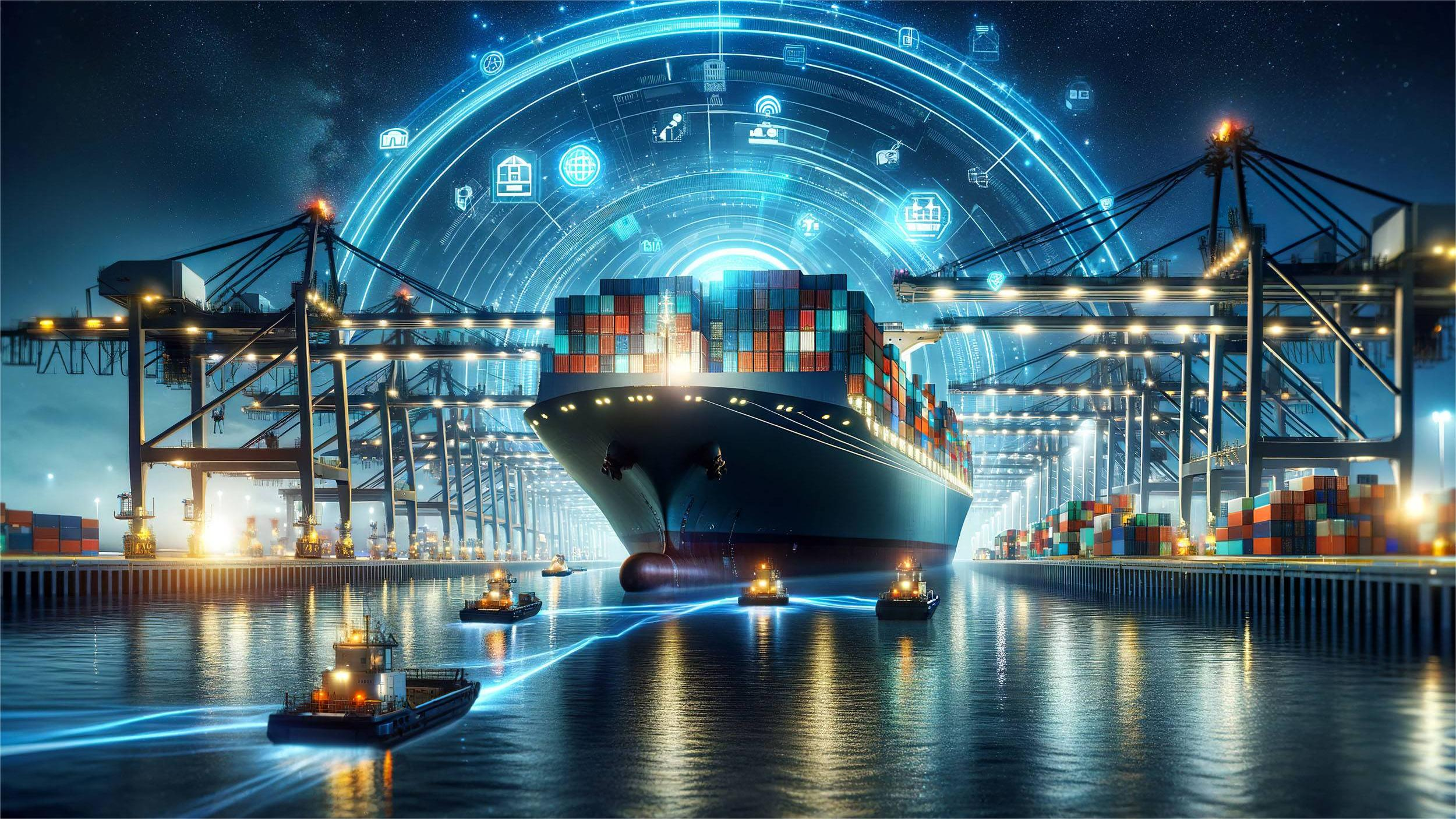
Clearing customs is often the most stressful part of the shipping process, but a dedicated customs brokerage service can make it seamless. In 2026, the CBSA requires electronic filing of all manifest data through the eManifest system well before the vessel arrives. Furthermore, importers must ensure they have a valid Business Number (BN) and an import/export account registered with the Canada Revenue Agency.
Moreover, specific goods may require additional permits from agencies like Health Canada or the Canadian Food Inspection Agency (CFIA). A knowledgeable freight forwarder will review your commercial invoice, packing list, and Bill of Lading to ensure everything is in order. Specifically, they check for accurate descriptions and valuations, which are critical for determining the correct GST and duty rates.
In addition, having a professional broker can help you take advantage of trade agreements or duty relief programs that you might not be aware of. For example, certain environmental products or manufacturing equipment may qualify for lower tariffs. Consequently, the cost of hiring a broker is usually offset by the savings they find and the avoidance of expensive storage fees caused by customs delays.
| Document Name | Purpose | Required By | Status |
|---|---|---|---|
| Commercial Invoice | Proof of Value/Sale | CBSA | Mandatory |
| Packing List | Details of Contents | Carrier/Customs | Mandatory |
| Bill of Lading | Title to Goods | Carrier | Mandatory |
| Certificate of Origin | Verify Source | Customs | Optional/Recommended |
Optimizing Shipments for Amazon FBA Canada
Selling on Amazon.ca requires strict adherence to their receiving guidelines, making Amazon FBA logistics services highly valuable. Amazon has specific requirements for palletizing, labeling, and delivery appointments that must be followed to avoid rejected shipments. Therefore, using a forwarder who understands the nuances of Canadian FBA centers in cities like Brampton, Calgary, and Richmond is essential.
Additionally, many sellers choose to use a prep warehouse in China to inspect and label goods before they are shipped across the ocean. This reduces the risk of Amazon flagging items for non-compliance upon arrival in Canada. Furthermore, a specialized forwarder can manage the ‘last mile’ delivery using Amazon-partnered carriers, which often results in lower domestic shipping rates.
Consequently, the entire process becomes automated, allowing sellers to maintain high inventory health scores. Whether you are using FCL for bulk restocking or LCL for new product launches, a dedicated FBA shipping strategy is key to success in the competitive Canadian e-commerce market. Indeed, timely replenishment is the difference between a top-selling product and a lost ranking.
Which Option Should You Choose? A Decision Framework
Selecting the right shipping method depends on a balance of budget, speed, and cargo characteristics. If your primary goal is cost reduction and you have a lead time of at least six weeks, sea freight is the clear winner. Specifically, for shipments over 15 CBM, FCL offers the best value. Conversely, if you are shipping high-value electronics or urgent seasonal items, air freight is necessary to protect your market position.
Moreover, consider the weight-to-volume ratio of your goods; lightweight but bulky items might be more expensive to fly than you expect due to dimensional weight pricing. In such cases, LCL sea freight often provides a better middle ground. Additionally, evaluate the destination within Canada; if your warehouse is in the Maritimes, shipping directly to an East Coast port might be more efficient than railing goods from Vancouver.
Finally, always factor in a buffer for unexpected delays such as weather events or port labor disputes. A reliable shipping from china to canada freight forwarder will provide you with multiple quotes and advise on the most stable routes currently available. By analyzing these factors holistically, you can build a resilient supply chain that supports your business growth throughout 2026 and beyond.
Mastering Your China to Canada Logistics
In conclusion, successful importing requires a deep understanding of the various shipping methods, costs, and regulatory requirements involved. Whether you prioritize the speed of air transport or the economy of sea freight, the key is to work with a partner who understands the unique challenges of the trans-Pacific route. By leveraging the expertise of a professional shipping from china to canada freight forwarder, you can mitigate risks and optimize your landed costs.
As we move through 2026, staying informed about market trends and maintaining a flexible shipping strategy will be more important than ever. Remember to plan ahead, document everything accurately, and choose the service level that best aligns with your business objectives. With the right approach, the vast distance between China and Canada becomes a bridge to new opportunities and increased profitability for your enterprise.