

- By Jaxin
- July 21, 2026
- import-from-China, shipping
Introduction
Shipping from China to Laos railway cargo shipping has become one of the fastest-growing logistics solutions in Southeast Asia since the launch of the China–Laos Railway. Businesses importing machinery, construction materials, electronics, consumer goods, and industrial products are increasingly choosing rail transportation to improve delivery efficiency while controlling logistics costs.
However, many importers still face challenges when planning cross-border shipments. Transit time uncertainty, customs requirements, cargo handling procedures, and route selection often create confusion. Moreover, choosing an inexperienced logistics provider may result in avoidable delays and additional expenses.
Therefore, understanding how railway cargo shipping works between China and Laos can help businesses build a more reliable supply chain. This guide explains the transportation process, benefits of rail shipping, risk management strategies, real shipment examples, and key pricing considerations.
What Is Shipping From China to Laos Railway Cargo Shipping?
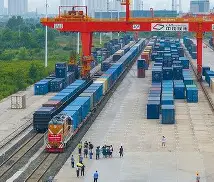
Shipping from China to Laos railway cargo shipping refers to the transportation of cargo through the China–Laos Railway network, connecting major Chinese manufacturing and trading regions with key logistics hubs across Laos.
The railway has significantly reduced transportation times compared with traditional road transportation while providing more stable cargo movement.
Typical Shipping Process
| Stage | Transportation Method |
|---|---|
| Factory Collection | Truck |
| China Rail Terminal | Rail Freight |
| China–Laos Railway | Rail Freight |
| Laos Customs Clearance | Customs Processing |
| Final Delivery | Truck |
Common Cargo Types
| Industry | Cargo Examples |
|---|---|
| Manufacturing | Machinery Parts |
| Construction | Building Materials |
| Retail | Consumer Goods |
| Electronics | Electronic Products |
| Agriculture | Agricultural Equipment |
Consequently, businesses can move a wide range of cargo efficiently through the railway corridor.
Why Are Businesses Choosing China to Laos Railway Cargo Shipping?
The China–Laos Railway has transformed regional logistics by offering a faster and more reliable transportation alternative.
Faster Than Traditional Trucking
Road transportation can be affected by border congestion, weather conditions, and traffic restrictions.
However, railway transportation typically offers more predictable transit schedules.
Lower Costs Than Air Freight
Meanwhile, railway cargo shipping provides substantial savings compared with air transportation.
Therefore, companies can balance speed and transportation costs more effectively.
Stronger Supply Chain Stability
Furthermore, scheduled rail departures improve logistics planning and inventory management.
Transportation Comparison
| Transportation Mode | Transit Time | Cost Level |
|---|---|---|
| Air Freight | 2–4 Days | Highest |
| Railway Cargo Shipping | 3–7 Days | Medium |
| Road Freight | 5–10 Days | Medium |
| Ocean Freight | Not Applicable for Most Routes | N/A |
As a result, railway shipping has become a preferred option for many China–Laos trade lanes.
How to Maximize Efficiency in Shipping From China to Laos Railway Cargo Shipping?
Simply booking rail transportation is not enough. Businesses should optimize the entire logistics process.
Prepare Documentation Early
Accurate documents help avoid customs delays and cargo inspections.
Essential documents often include:
- Commercial Invoice
- Packing List
- Customs Declaration
- Certificate of Origin
Select the Appropriate Service Type
Different cargo types require different transportation solutions.
| Cargo Type | Recommended Service |
|---|---|
| General Cargo | Standard Rail Service |
| High-Value Cargo | Rail + Insurance |
| Project Cargo | Dedicated Logistics Planning |
| Urgent Cargo | Express Rail Service |
Coordinate Final Delivery
Moreover, arranging final delivery before cargo arrival can significantly reduce storage costs and handling delays.
Consequently, overall logistics efficiency improves.

What Challenges Can Affect China to Laos Railway Cargo Shipping?
Although rail transportation is highly reliable, certain risks still require attention.
Customs Compliance Issues
Incorrect cargo declarations may result in inspections and clearance delays.
Therefore, document verification is essential before shipment departure.
Peak Season Capacity Constraints
During major export seasons, available rail capacity may become limited.
Moreover, transportation demand can increase significantly.
Cargo Packaging Problems
Improper packaging can lead to cargo damage during loading and unloading operations.
Risk Management Overview
| Challenge | Recommended Solution |
|---|---|
| Customs Delays | Documentation Audit |
| Capacity Shortage | Advance Booking |
| Cargo Damage | Export Packaging Standards |
| Delivery Delays | Real-Time Shipment Tracking |
Consequently, proactive planning can help avoid most operational disruptions.
Real Cases of Shipping From China to Laos Railway Cargo Shipping
🚆 Project Card 1: Construction Equipment Supply
Infrastructure Development Project
📍 Route: Kunming, China → Vientiane, Laos
📦 Cargo: Construction Machinery Components
⏱️ Transit Time: 4 Days
💰 Cost: Approximately 45% Lower Than Air Freight
🚄 Mode: China–Laos Railway + Truck Delivery
🛃 Customs Clearance Details:
Equipment classifications and import declarations were completed before train departure.
✅ Outcome:
Project contractors received equipment on schedule without disrupting construction activities.
Overview:
A construction company required fast delivery for an infrastructure project. Therefore, railway transportation provided the ideal balance between speed and cost.
🚆 Project Card 2: Consumer Electronics Distribution
Regional Wholesale Inventory Replenishment
📍 Route: Shenzhen, China → Luang Prabang, Laos
📦 Cargo: Consumer Electronics
⏱️ Transit Time: 5 Days
💰 Cost: Reduced Transportation Costs Compared With Air Shipping
🚄 Mode: Rail Freight + Regional Trucking
🛃 Customs Clearance Details:
Product descriptions, invoices, and customs declarations were reviewed before shipment dispatch.
✅ Outcome:
The distributor successfully replenished inventory before a major promotional campaign.
Overview:
A wholesale electronics importer needed reliable transportation with predictable transit times. Consequently, rail shipping improved inventory planning and reduced logistics costs.
🚆 Project Card 3: Agricultural Equipment Expansion
Farm Mechanization Support Program
📍 Route: Changsha, China → Savannakhet, Laos
📦 Cargo: Agricultural Machinery
⏱️ Transit Time: 6 Days
💰 Cost: Lower Total Logistics Cost Than Dedicated Trucking
🚄 Mode: Rail Freight + Final-Mile Truck Delivery
🛃 Customs Clearance Details:
Agricultural equipment import documentation was verified before border processing.
✅ Outcome:
Equipment arrived before the planting season, helping local distributors meet customer demand.
Overview:
An agricultural equipment supplier needed dependable transportation for seasonal demand. Therefore, railway cargo shipping helped maintain supply chain continuity.
China to Laos Railway Cargo Shipping Costs and Transit Information
Rail freight rates vary depending on shipment size, cargo type, and final delivery location.
Typical Transit Times
| Route Type | Transit Time |
|---|---|
| Kunming → Vientiane | 3–5 Days |
| South China → Laos | 4–7 Days |
| East China → Laos | 5–8 Days |
Main Pricing Factors
| Factor | Impact |
|---|---|
| Cargo Weight | High |
| Cargo Volume | High |
| Origin Location | Medium |
| Customs Services | Medium |
| Final Delivery Distance | Medium |
When Is Rail Freight Most Cost-Effective?
Rail transportation is usually the best choice when:
- Air freight is too expensive
- Trucking capacity is limited
- Transit time matters
- Cargo volume is medium to large
Consequently, railway shipping offers a competitive option for many Laos-bound shipments.
Conclusion
Shipping from China to Laos railway cargo shipping provides businesses with a fast, reliable, and cost-effective transportation solution for cross-border trade. Moreover, the China–Laos Railway continues to strengthen regional supply chains by improving connectivity and reducing transit times.
By choosing the right logistics partner, preparing documentation correctly, and planning shipments in advance, companies can reduce transportation risks while improving operational efficiency. Therefore, railway cargo shipping remains one of the most attractive logistics solutions for businesses trading between China and Laos.
Need a quote?
📞Whether you are shipping machinery, retail products, electronics, or project cargo, our logistics team can help design a transportation strategy tailored to your business requirements.
FAQs
1. Can railway cargo shipping support seasonal inventory replenishment?
Yes. Railway transportation offers predictable schedules, making it suitable for businesses preparing inventory ahead of seasonal demand peaks.
2. Is cargo consolidation available for Laos rail shipments?
Absolutely. Consolidation services allow importers to combine cargo from multiple suppliers, reducing transportation costs and improving container utilization.
3. What types of products benefit most from railway transportation?
Machinery, electronics, industrial equipment, consumer goods, and construction materials are among the most common cargo categories moved by rail.
4. How can businesses improve cargo visibility during transit?
Working with logistics providers that offer milestone tracking and shipment status updates can improve planning and inventory management.
5. What is the biggest mistake first-time Laos importers make?
Many first-time importers underestimate documentation requirements, which can lead to customs delays and unexpected clearance costs.