

- By Jaxin
- July 21, 2026
- import-from-China, shipping
Many companies importing goods from China to Mongolia face challenges such as unstable trucking schedules, rising transportation costs, and complicated border procedures. Moreover, choosing an unsuitable shipping method may cause cargo delays, additional storage expenses, and supply chain interruptions.
Therefore, shipping from china to mongolia railway freight solution has become a preferred option for businesses requiring reliable cross-border transportation. Compared with air freight, railway shipping provides better cost efficiency, while compared with traditional road transportation, it offers stronger capacity and more stable delivery planning. This guide explains how China–Mongolia railway freight works, typical costs, customs requirements, and how companies can optimize their logistics strategy.

Why Choose Shipping from China to Mongolia Railway Freight Solution?
Shipping from china to mongolia railway freight solution provides a balanced transportation option for companies that need reliable cargo movement between China and Mongolia.
Furthermore, China and Mongolia have strong trade connections, and railway transportation plays an important role in moving commercial goods, industrial equipment, and consumer products.
| Shipping Method | Transit Time | Cost Level | Suitable For |
|---|---|---|---|
| Air Freight | 3–7 days | High | Urgent and valuable cargo |
| Railway Freight | 7–20 days | Medium | Regular commercial shipments |
| Road Freight | 5–15 days | Medium | Flexible delivery requirements |
Moreover, railway freight offers several advantages:
- Stable transportation capacity
- Lower cost compared with air shipping
- Suitable for large-volume cargo
- Better protection for long-distance transportation
- Supports containerized shipments
Additionally, railway solutions can be combined with trucking services to provide complete door-to-door delivery from Chinese factories to Mongolian warehouses.
How Does China to Mongolia Railway Freight Transportation Work?
Understanding the shipping process helps importers avoid unexpected problems. Moreover, shipping from china to mongolia railway freight solution involves several coordinated stages from cargo pickup to final delivery.
| Step | Process | Key Details |
|---|---|---|
| 1 | Factory Pickup | Cargo collection and loading inspection |
| 2 | Export Customs | Document preparation and declaration |
| 3 | Railway Transport | Shipment moves through China railway network |
| 4 | Border Handling | Cargo inspection and transfer procedures |
| 5 | Mongolia Customs | Import clearance and cargo release |
| 6 | Final Delivery | Truck delivery to destination |
Furthermore, many shipments are arranged through major Chinese railway hubs before entering Mongolia.
Common departure locations include:
- Beijing area
- Tianjin
- Inner Mongolia railway terminals
- Central China logistics hubs
Additionally, experienced freight providers coordinate railway schedules, customs procedures, and local delivery, which helps reduce operational complexity.
What Cargo Is Suitable for China Mongolia Railway Freight Shipping?
Railway transportation between China and Mongolia supports various industries. However, selecting the right shipping solution depends on cargo characteristics, volume, and delivery requirements.
| Cargo Type | Railway Suitability | Reason |
|---|---|---|
| Machinery | Excellent | Large capacity and stable handling |
| Auto Parts | Excellent | Regular supply chain demand |
| Electronics | Good | Requires reliable transportation |
| Construction Materials | Excellent | Suitable for heavy cargo |
| Consumer Products | Good | Supports regular replenishment |
Moreover, railway freight is especially useful for companies with continuous import demand.
For example, manufacturers and distributors often use railway services because they require predictable transportation cycles rather than the fastest possible delivery.
Therefore, businesses can achieve better inventory management by choosing railway solutions instead of relying only on expensive air transportation.
How Much Does Shipping from China to Mongolia Railway Freight Solution Cost?
The cost of shipping from china to mongolia railway freight solution depends on cargo volume, container type, departure city, route, and additional logistics services.
However, railway freight usually provides competitive pricing for medium and large shipments.
| Shipment Type | Estimated Transit Time | Main Cost Factors |
|---|---|---|
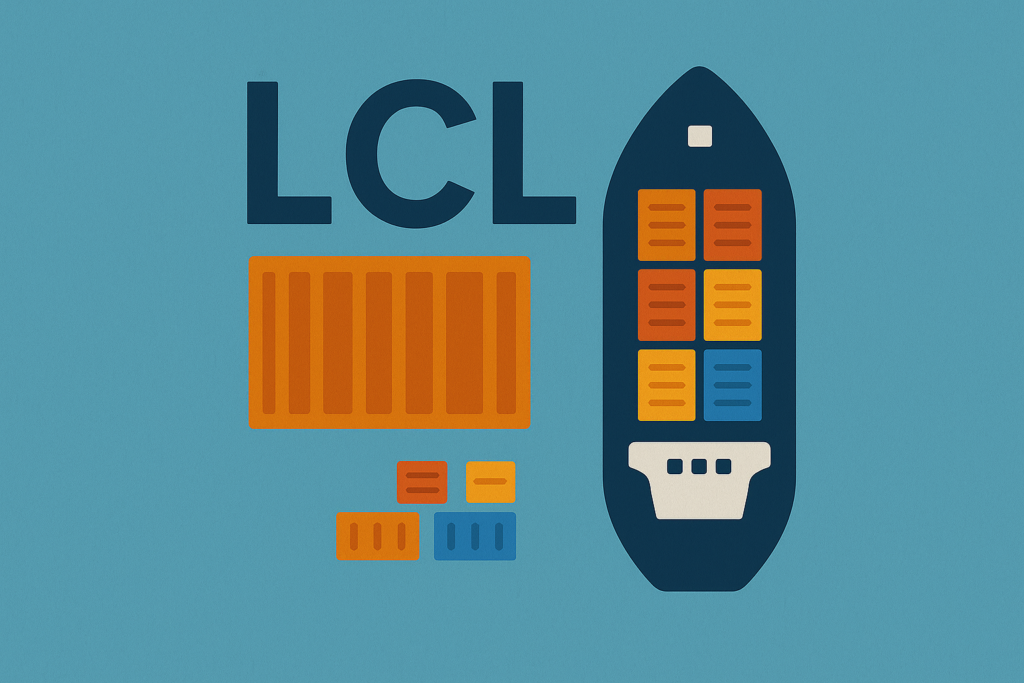
| LCL Railway Cargo | 10–20 days | Cargo volume and consolidation fees |
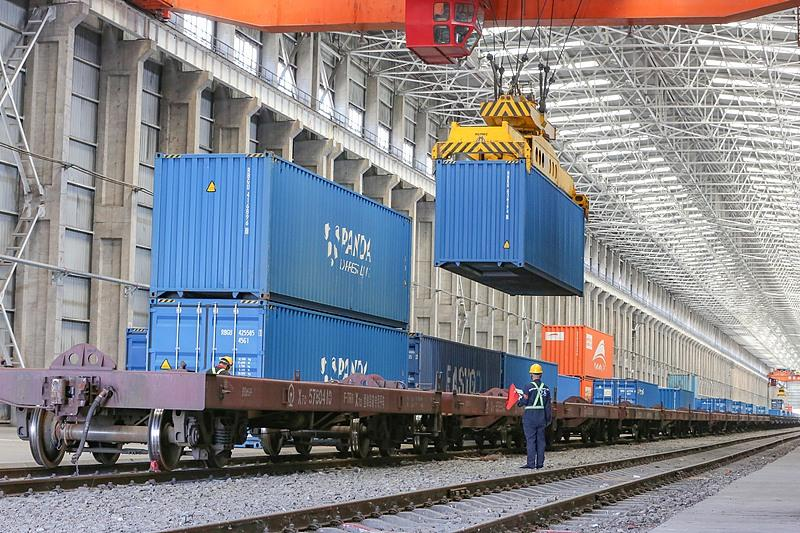
| 20ft Container | 7–15 days | Railway capacity and route |
| 40ft Container | 7–20 days | Container availability and weight |
| Door-to-Door Service | 15–25 days | Rail + trucking + customs |
Moreover, companies can control transportation costs by:
- Preparing documents before shipment
- Selecting suitable container sizes
- Booking capacity in advance
- Avoiding unnecessary storage charges
Additionally, working with an experienced freight forwarder helps businesses receive accurate quotations and avoid hidden logistics expenses.
How Can Companies Manage Customs Clearance for China Mongolia Railway Freight?
Customs clearance is one of the most important steps in international railway transportation. Nevertheless, many shipment delays happen because of incorrect documentation or incomplete declarations.
Therefore, companies using China Mongolia railway freight shipping should prepare documents carefully.
Required Customs Documents
| Document | Purpose |
|---|---|
| Commercial Invoice | Confirms transaction details |
| Packing List | Shows cargo quantity and packaging |
| Sales Contract | Supports trade verification |
| Certificate of Origin | Confirms product origin |
| Railway Bill of Lading | Transportation evidence |
| HS Code Details | Determines customs category |
Furthermore, businesses should pay attention to:
- Accurate product descriptions
- Correct HS code classification
- Consistent shipment information
- Mongolia import requirements
Additionally, professional customs support can reduce inspection risks and improve cargo release efficiency.
How Can Businesses Reduce Risks During China to Mongolia Railway Shipping?
Although railway freight is reliable, international transportation still involves risks such as border delays, customs issues, and unexpected handling problems.
Therefore, companies should prepare risk management strategies before choosing shipping from china to mongolia railway freight solution.
| Risk | Possible Impact | Solution |
|---|---|---|
| Documentation Errors | Customs delays | Professional document review |
| Border Congestion | Longer transit time | Experienced route planning |
| Cargo Damage | Financial loss | Proper packaging and insurance |
| Poor Tracking | Limited visibility | Real-time shipment monitoring |
Moreover, businesses should cooperate with logistics providers that understand China–Mongolia transportation conditions.
Additionally, cargo insurance is recommended for valuable shipments because it provides extra protection against unexpected events.
How Does Shipping from China to Mongolia Railway Freight Solution Improve Real Supply Chains?
Machinery Supplier Reduces Delivery Costs Through Railway Freight
🚆 Project Card
📍 Route: Qingdao, China → Ulaanbaatar, Mongolia
📦 Cargo: Industrial machinery parts
⏱ Transit Time: Around 14 days
🚄 Shipping Method: China railway freight + Mongolia local trucking
🛃 Customs Solution:
- HS code verification before shipment
- Export document checking
- Mongolia import declaration assistance
💰 Cost Impact:
Transportation cost reduced by approximately 25% compared with air freight.
✅ Result:
The importer achieved more stable delivery schedules and improved production planning.
Overview:
A Mongolian industrial company needed regular spare parts from China. However, air freight created excessive costs, while traditional trucking faced unstable schedules.
Therefore, the company selected railway transportation. Moreover, customs preparation and local delivery coordination helped reduce delays and created a more predictable supply chain.
How Should Companies Select a China Mongolia Railway Freight Partner?
Selecting the right logistics provider directly affects transportation efficiency. Furthermore, railway shipments require coordination between factories, railway operators, customs authorities, and local delivery teams.
| Capability | Importance |
|---|---|
| China–Mongolia route experience | Better transportation planning |
| Customs knowledge | Reduced clearance problems |
| Tracking system | Improved shipment visibility |
| Local delivery support | Complete logistics solution |
| Insurance options | Better risk protection |
Additionally, companies should evaluate whether the provider can offer customized solutions instead of only basic transportation services.
A professional partner should understand:
- Railway schedules
- Border procedures
- Cargo requirements
- Multimodal transportation
Therefore, choosing an experienced provider makes shipping from china to mongolia railway freight solution more reliable and efficient.
Conclusion
Shipping from china to mongolia railway freight solution offers businesses a practical way to achieve stable, cost-effective, and efficient cross-border transportation.
Moreover, railway freight provides an excellent balance between delivery speed and transportation cost, making it suitable for manufacturers, distributors, and importers with regular cargo demand.
By selecting the right route, preparing customs documents properly, and cooperating with experienced logistics providers, companies can reduce transportation risks and improve supply chain performance.
- Consult Ali China Freight Forwarding for the lowest quote. They will provide you with reliable, cost-effective service.
FAQs
Q1.How much does railway shipping from China to Mongolia cost?
Railway freight costs depend on cargo volume, container size, route, and additional services. Generally, it is more affordable than air freight for commercial shipments.
Q2.How long does China Mongolia railway freight take?
Most shipments require around 7–20 days. However, actual transit time depends on departure location, border procedures, customs clearance, and final delivery distance.
Q3.What cargo can be shipped from China to Mongolia by rail?
Rail freight is suitable for machinery, auto parts, electronics, construction materials, consumer goods, and other commercial cargo requiring stable transportation.
Q4.What documents are required for Mongolia railway cargo imports?
Common documents include commercial invoices, packing lists, contracts, certificates of origin, railway bills of lading, and accurate HS code information.
Q5.How can I choose a reliable China Mongolia railway freight provider?
Choose providers with China–Mongolia route experience, customs expertise, shipment tracking systems, and the ability to provide complete door-to-door logistics solutions.