

- By Jaxin
- July 21, 2026
- import-from-China, shipping
Introduction
Shipping from China to Philippines multimodal freight solution has become increasingly important for importers seeking a balance between cost efficiency, transit speed, and supply chain reliability. While traditional ocean freight remains widely used, many businesses now combine rail, trucking, and sea transportation to improve cargo flow and reduce logistics bottlenecks.
However, choosing the right transportation model can be challenging. Factors such as inland pickup, port congestion, customs procedures, and final delivery requirements can significantly affect shipment performance. Moreover, relying on a single transportation mode may limit flexibility during peak seasons.
Therefore, a well-designed multimodal freight solution can help businesses reduce transit risks, optimize transportation costs, and improve delivery consistency. This guide explains how multimodal shipping works for the Philippines, why companies are adopting it, and what practical solutions are available.
What Is a Shipping From China to Philippines Multimodal Freight Solution?
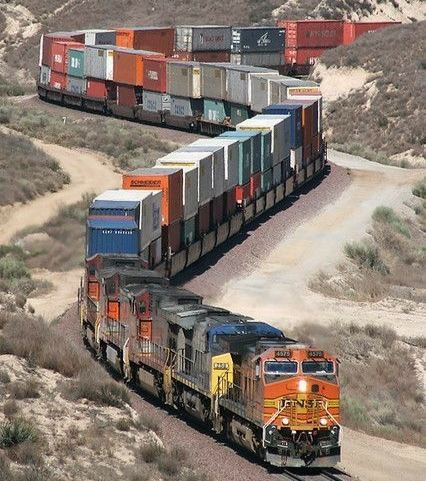
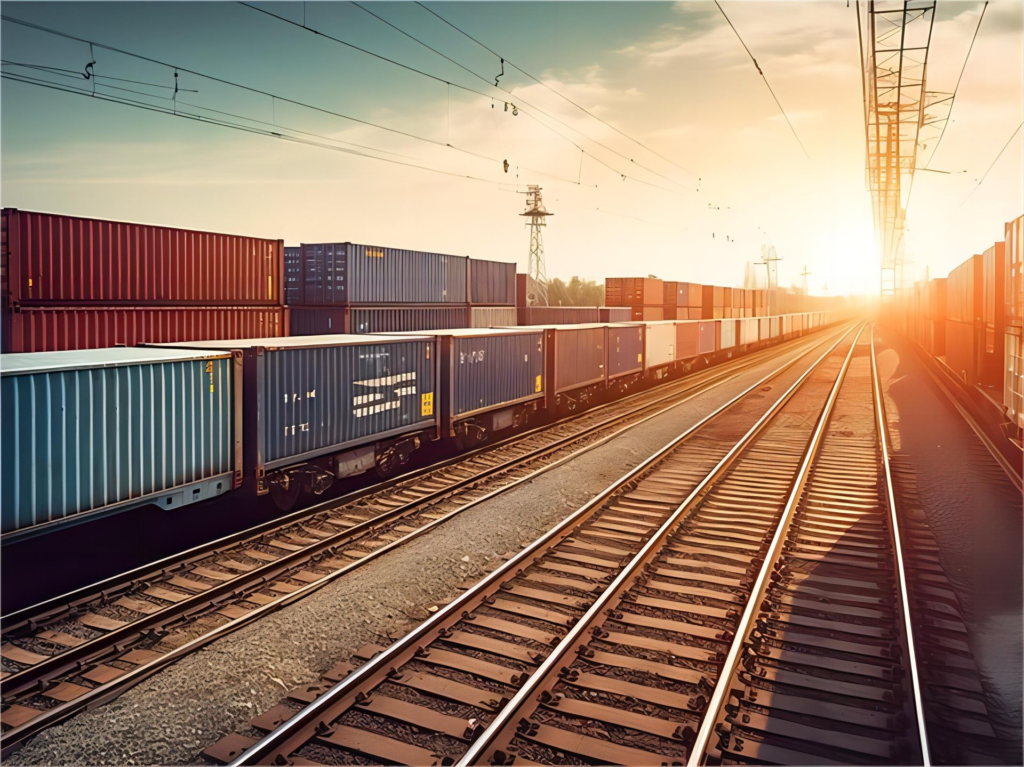
A shipping from China to Philippines multimodal freight solution combines multiple transportation modes into a single logistics chain. Typically, cargo moves by rail or truck within China, transfers to ocean freight for international transportation, and then uses local trucking for final delivery in the Philippines.
Typical Multimodal Transportation Process
| Stage | Transportation Method |
|---|---|
| Factory Pickup | Truck |
| Inland China Movement | Rail Freight or Truck |
| Export Port Transfer | Rail or Truck |
| China–Philippines Transport | Ocean Freight |
| Philippines Distribution | Truck |
| Final Delivery | Truck |
Common Origin and Destination Combinations
| China Origin | Philippines Destination |
|---|---|
| Dongguan | Manila |
| Suzhou | Cebu |
| Ningbo | Davao |
| Yiwu | Manila |
| Qingdao | Batangas |
Consequently, multimodal logistics allows businesses to tailor transportation solutions based on cargo type, budget, and delivery timelines.
Why Choose a Shipping From China to Philippines Multimodal Freight Solution?
Many companies are moving away from single-mode transportation because multimodal logistics provides greater flexibility.
Improve Cost Efficiency
Rail-supported inland transportation often costs less than long-distance trucking.
Therefore, businesses can reduce total logistics expenses, especially for large-volume shipments.
Increase Supply Chain Flexibility
Moreover, combining transportation modes allows logistics providers to adjust routes when disruptions occur.
As a result, cargo movement becomes more resilient.
Better Transit Time Management
Furthermore, multimodal transportation can reduce inland transportation delays and improve scheduling consistency.
Transportation Comparison
| Transportation Mode | Transit Time | Cost Level |
|---|---|---|
| Air Freight | 2–5 Days | Highest |
| Multimodal Rail + Sea | 10–18 Days | Medium |
| Ocean Freight Only | 15–30 Days | Lowest |
Consequently, many importers choose multimodal solutions as a compromise between speed and cost.
How Does a Shipping From China to Philippines Multimodal Freight Solution Work?
A successful multimodal shipment requires coordination between multiple transportation providers.
Inland Transportation in China
First, cargo is collected from the factory and transported to a rail terminal or export port.
Moreover, rail freight can reduce trucking costs for cargo originating far from coastal ports.
International Transportation
After export customs clearance, cargo is loaded onto vessels bound for the Philippines.
Common destination ports include:
- Manila
- Cebu
- Davao
- Batangas
- Cagayan de Oro
Final Delivery
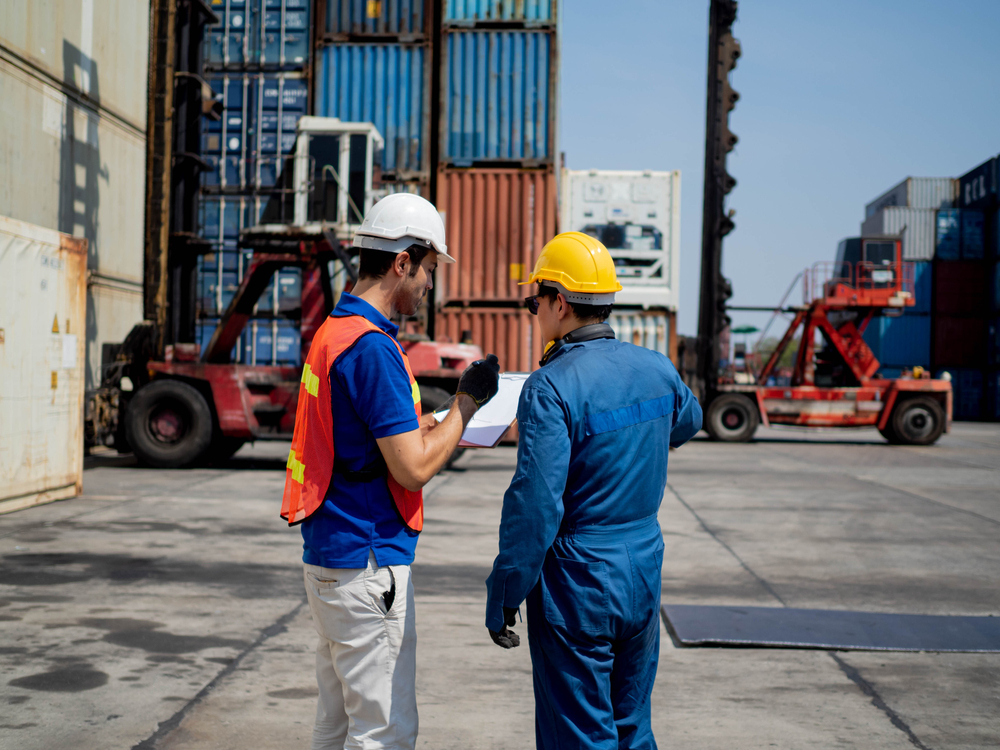
Meanwhile, local trucking networks complete delivery to warehouses, factories, or retail facilities.
Key Shipping Documents
| Document | Purpose |
|---|---|
| Commercial Invoice | Cargo Valuation |
| Packing List | Cargo Information |
| Bill of Lading | Transport Contract |
| Import Declaration | Customs Compliance |
Therefore, accurate documentation is essential for smooth cargo movement.
What Challenges Can Affect Philippines Multimodal Shipments?
Although multimodal logistics offers many advantages, businesses should be aware of potential challenges.
Port Congestion
Major Philippine ports occasionally experience congestion.
However, advance planning can reduce delays.
Customs Compliance
Incomplete documentation can result in inspections or shipment holds.
Therefore, customs preparation remains critical.
Transportation Coordination
Multiple transportation modes require effective scheduling.
Consequently, logistics providers must carefully coordinate cargo transfers.
Common Risks and Solutions
| Challenge | Recommended Solution |
|---|---|
| Port Delays | Early Booking |
| Customs Issues | Documentation Review |
| Schedule Changes | Real-Time Tracking |
| Capacity Shortages | Flexible Routing |
Furthermore, experienced freight forwarders can proactively manage these risks.
Real Cases of Shipping From China to Philippines Multimodal Freight Solution
🚆 Project Card 1: Furniture Distribution Program
Retail Expansion Across Metro Manila
📍 Route: Foshan, China → Manila, Philippines
📦 Cargo: Flat-Pack Furniture
⏱️ Transit Time: 14 Days
💰 Cost: Approximately 22% Lower Than Expedited Air Freight
🚄 Mode: Rail Freight + Ocean Freight + Truck Delivery
🛃 Customs Clearance Details:
Export documentation and Philippines import paperwork were prepared before vessel departure.
✅ Outcome:
The retailer replenished inventory before opening three new stores.
Overview:
A furniture supplier required reliable transportation while controlling logistics expenses. Therefore, multimodal shipping delivered both cost savings and predictable delivery schedules.
🚆 Project Card 2: Electronics Inventory Replenishment
E-commerce Fulfillment Support
📍 Route: Dongguan, China → Cebu, Philippines
📦 Cargo: Consumer Electronics
⏱️ Transit Time: 12 Days
💰 Cost: Approximately 35% Lower Than Air Freight
🚄 Mode: Rail Freight + Ocean Freight + Dedicated Truck
🛃 Customs Clearance Details:
HS code verification and product documentation reviews were completed before export.
✅ Outcome:
The importer maintained inventory levels during a major online sales campaign.
Overview:
An e-commerce distributor needed faster replenishment than traditional sea freight. Consequently, a multimodal solution improved supply chain responsiveness.
🚆 Project Card 3: Industrial Equipment Project Cargo
Manufacturing Facility Upgrade
📍 Route: Qingdao, China → Davao, Philippines
📦 Cargo: Industrial Machinery
⏱️ Transit Time: 17 Days
💰 Cost: Lower Total Logistics Cost Than Air Transportation
🚄 Mode: Rail Freight + Ocean Freight + Heavy Truck Delivery
🛃 Customs Clearance Details:
Cargo classification reviews and customs compliance checks were completed before shipment departure.
✅ Outcome:
Project equipment arrived ahead of installation schedules.
Overview:
A manufacturing company required reliable transportation for facility expansion equipment. Therefore, multimodal logistics helped maintain project timelines while reducing costs.
Philippines Multimodal Freight Rates and Transit Information
Freight rates depend on shipment size, transportation mode selection, and final delivery requirements.
Typical Transit Time Comparison
| Service Type | Transit Time |
|---|---|
| Air Freight | 2–5 Days |
| Multimodal Rail + Sea | 10–18 Days |
| Ocean Freight | 15–30 Days |
Key Cost Factors
| Factor | Impact |
|---|---|
| Origin Location | High |
| Cargo Volume | High |
| Container Type | Medium |
| Customs Services | Medium |
| Final Delivery | Medium |
Moreover, accurate cargo details help logistics providers prepare more precise quotations.
Conclusion
Shipping from China to Philippines multimodal freight solution strategies help businesses achieve a balance between transportation cost, delivery speed, and operational reliability. Moreover, combining rail freight, ocean transportation, and trucking services creates greater flexibility than relying on a single transportation mode.
By optimizing route selection, preparing customs documentation in advance, and working with experienced logistics providers, companies can reduce shipping risks and improve supply chain performance. Therefore, multimodal freight solutions remain one of the most practical options for China–Philippines trade.
Need help building a customized transportation strategy for your Philippines shipments? Our logistics specialists can compare routes, transit times, and delivery options to create the most efficient solution for your cargo.Therefore, multimodal freight solutions remain one of the most practical options for China–Philippines trade.
👉 Need help building a customized transportation strategy for your Philippines shipments?
FAQs
Q1: What is a multimodal freight solution?
A multimodal freight solution combines two or more transportation modes, such as rail, sea, and trucking, within a single shipment process.
Q2: Is multimodal shipping cheaper than air freight?
Yes. In most cases, multimodal transportation costs significantly less than air freight while maintaining reasonable transit times.
Q3: Which Philippine ports are commonly used for imports?
Manila, Cebu, Davao, Batangas, and Cagayan de Oro are among the most frequently used import gateways.
Q4: What cargo types are suitable for multimodal shipping?
Furniture, electronics, machinery, retail products, industrial equipment, and general commercial cargo are commonly transported.
Q5: How can businesses reduce customs clearance risks?
Accurate documentation, HS code verification, and advance compliance reviews help reduce customs delays and inspections.