

- By Jaxin
- July 21, 2026
- import-from-China, shipping
Introduction
Shipping from China to Thailand rail freight cost is a key consideration for importers and exporters moving goods between China and Southeast Asia. As rail connectivity continues to improve across the region, rail freight has become an attractive option for businesses seeking a balance between cost, speed, and reliability.
However, many companies struggle to determine whether rail freight is more economical than trucking or air freight. Moreover, freight costs can vary significantly depending on cargo type, route selection, customs procedures, and final delivery requirements.
Therefore, understanding how rail freight pricing works can help businesses optimize transportation budgets while maintaining efficient supply chain operations. This guide explains the major cost factors, transportation methods, and practical strategies for reducing China-to-Thailand rail freight expenses.

What Is Shipping From China to Thailand Rail Freight Cost?
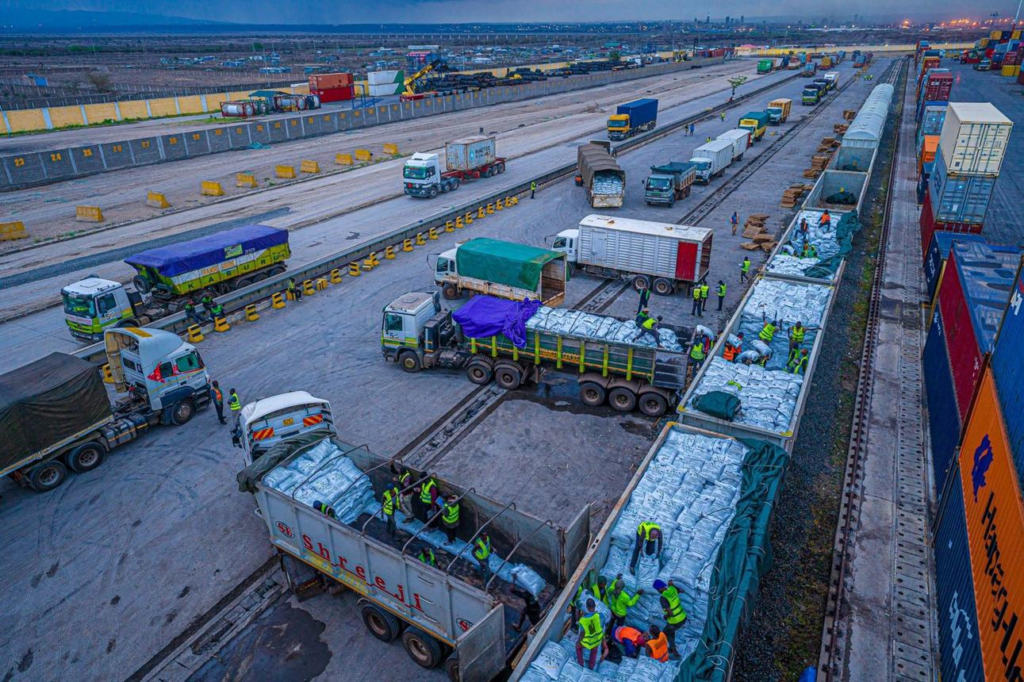
Shipping from China to Thailand rail freight cost refers to the total transportation expense associated with moving cargo between China and Thailand using rail-based logistics solutions.
Most shipments travel through the China–Laos Railway before entering Thailand via multimodal transportation networks.
Typical Transportation Process
| Stage | Transportation Method |
|---|---|
| Factory Pickup | Truck |
| Inland China Transport | Rail Freight |
| China–Laos Railway | Rail Freight |
| Laos–Thailand Transfer | Rail or Truck |
| Final Delivery | Truck |
Common Origin Cities
| Origin City | Thailand Destination |
|---|---|
| Chengdu | Bangkok |
| Chongqing | Bangkok |
| Kunming | Bangkok |
| Zhengzhou | Laem Chabang |
| Xi’an | Ayutthaya |
Consequently, transportation costs vary depending on the distance between the origin and destination.
Why Are Businesses Choosing Rail Freight to Thailand?
Many companies are shifting cargo from traditional transportation methods to rail-supported logistics solutions.
Better Cost-to-Speed Balance
Rail freight is generally more affordable than air freight while offering faster transit times than ocean shipping.
Therefore, it provides an attractive middle-ground option.
Growing Cross-Border Rail Network
Moreover, the China–Laos Railway has significantly improved regional transportation connectivity.
As a result, businesses can move cargo more efficiently into Thailand and other ASEAN markets.
Stable Transportation Capacity
Furthermore, rail freight offers reliable capacity for industrial products, machinery, electronics, and commercial cargo.
Transportation Comparison
| Mode | Transit Time | Cost Level |
|---|---|---|
| Air Freight | 2–5 Days | Highest |
| Rail Freight | 7–14 Days | Medium |
| Ocean Freight | 12–25 Days | Lowest |
Consequently, rail freight is becoming increasingly popular among businesses that require predictable delivery schedules.
How Is Shipping From China to Thailand Rail Freight Cost Calculated?
Several factors influence the final transportation quotation.
Origin and Destination
First, transportation distance plays a major role in determining freight costs.
For example, shipments from Kunming generally cost less than shipments from eastern China due to shorter rail distances.
Cargo Type
Different cargo categories require different handling procedures.
Examples include:
- Electronics
- Automotive Parts
- Machinery
- Consumer Goods
- Industrial Equipment
Therefore, freight costs vary according to cargo specifications.
Shipment Volume
Moreover, larger shipment volumes often result in better transportation efficiency.
| Shipment Type | Cost Efficiency |
|---|---|
| Small Shipment (LCL) | Lower |
| Consolidated Cargo | Medium |
| Full Container Load | Higher |
Additional Logistics Services
Furthermore, businesses may require additional services.
| Service | Cost Impact |
|---|---|
| Customs Clearance | Medium |
| Cargo Insurance | Optional |
| Warehousing | Medium |
| Final Delivery | Variable |
Consequently, evaluating total logistics costs is more important than comparing transportation rates alone.
What Challenges Affect China-to-Thailand Rail Freight Costs?
Although rail freight offers many advantages, several operational factors can affect pricing.
Border Clearance Procedures
Cross-border transportation requires customs processing at multiple checkpoints.
Therefore, proper documentation is essential.
Seasonal Demand
During peak export seasons, rail capacity becomes more competitive.
Moreover, transportation rates may increase due to higher demand.
Equipment Availability
Container shortages can influence freight pricing.
Consequently, early booking often provides more favorable transportation costs.
Cost Influence Factors
| Factor | Impact on Cost |
|---|---|
| Peak Season | Higher |
| Low Season | Lower |
| Container Shortage | Higher |
| Early Booking | More Stable |
Furthermore, businesses that plan shipments in advance often achieve better cost control.
Real Cases of Shipping From China to Thailand Rail Freight
🚆 Project Card 1: Consumer Electronics Distribution
📍 Route: Chongqing, China → Bangkok, Thailand
📦 Cargo: Consumer Electronics
⏱️ Transit Time: 9 Days
💰 Cost: Approximately 30% Lower Than Air Freight
🚄 Mode: China–Laos Railway + Truck Delivery
🛃 Customs Clearance Details:
Export declarations and Thailand import documents were prepared before border arrival.
✅ Outcome:
The importer maintained stable inventory levels without relying on expensive air freight.
Overview:
An electronics distributor needed faster delivery than ocean freight but lower costs than air transportation. Therefore, rail freight provided an effective balance.
🚆 Project Card 2: Automotive Components Supply Chain
📍 Route: Chengdu, China → Ayutthaya, Thailand
📦 Cargo: Automotive Parts
⏱️ Transit Time: 10 Days
💰 Cost: Reduced Transportation Expenses Compared with Truck-Only Services
🚄 Mode: Rail Freight + Dedicated Truck Delivery
🛃 Customs Clearance Details:
HS code verification and customs documentation reviews were completed before departure.
✅ Outcome:
Production schedules remained uninterrupted.
Overview:
A manufacturer required reliable component transportation to support automotive production facilities in Thailand.
🚆 Project Card 3: Industrial Machinery Project
📍 Route: Xi’an, China → Laem Chabang, Thailand
📦 Cargo: Industrial Equipment
⏱️ Transit Time: 12 Days
💰 Cost: Lower Overall Logistics Cost Than Air Freight
🚄 Mode: Rail Freight + Heavy Truck Delivery
🛃 Customs Clearance Details:
Cargo classification and import compliance reviews were completed before shipment.
✅ Outcome:
Project equipment arrived before installation deadlines.
Overview:
An industrial equipment supplier selected rail freight to reduce logistics costs while maintaining predictable delivery schedules.
China-to-Thailand Rail Freight Cost and Transit Information
Actual freight costs depend on shipment details, route selection, and service requirements.
Typical Transit Time
| Service Type | Transit Time |
|---|---|
| Air Freight | 2–5 Days |
| Rail Freight | 7–14 Days |
| Ocean Freight | 12–25 Days |
Main Pricing Factors
| Factor | Cost Impact |
|---|---|
| Origin City | High |
| Cargo Weight | High |
| Container Type | Medium |
| Customs Services | Medium |
| Final Delivery | Medium |
Moreover, obtaining a customized freight quote based on actual cargo information provides the most accurate cost estimate.
Conclusion
Shipping from China to Thailand rail freight cost has become increasingly competitive as regional rail infrastructure continues to develop. Moreover, rail freight offers a strong balance between transit time, transportation cost, and reliability for businesses shipping cargo throughout Southeast Asia.
By evaluating shipment volume, cargo type, route selection, and customs requirements, companies can identify the most cost-effective transportation strategy. Therefore, rail freight is often an excellent option for businesses seeking alternatives to traditional air and ocean shipping.
Need help comparing rail, air, and multimodal transportation options for Thailand? Our logistics specialists can analyze your cargo requirements and recommend the most efficient shipping solution.
FAQs
1. How long does rail freight from China to Thailand usually take?
Most rail freight shipments take approximately 7–14 days depending on the route, customs clearance, and final delivery location.
2. Is rail freight cheaper than air freight to Thailand?
Yes. Rail freight generally costs significantly less than air freight while still providing relatively fast transit times.
3. Which Chinese cities commonly use rail freight services to Thailand?
Chengdu, Chongqing, Kunming, Xi’an, and Zhengzhou are among the most common origins.
4. What cargo types are suitable for rail freight to Thailand?
Electronics, machinery, automotive parts, industrial equipment, consumer products, and commercial cargo are frequently transported.
5. What affects China-to-Thailand rail freight costs the most?
Origin location, shipment volume, container requirements, customs services, and final delivery arrangements are the main cost drivers.