


Shipping Rates China to UK Sea Freight: 2026 Cost Guide
Navigating the complexities of shipping rates china to uk sea freight requires a deep understanding of current market dynamics in 2026. As businesses look to optimize their logistics, partnering with a reliable provider like AliChinaFreight ensures competitive pricing and transparency. Consequently, understanding the 2026 logistics landscape is vital for maintaining a healthy bottom line. This guide provides a comprehensive breakdown of ocean freight costs, transit times, and strategic alternatives for your supply chain.
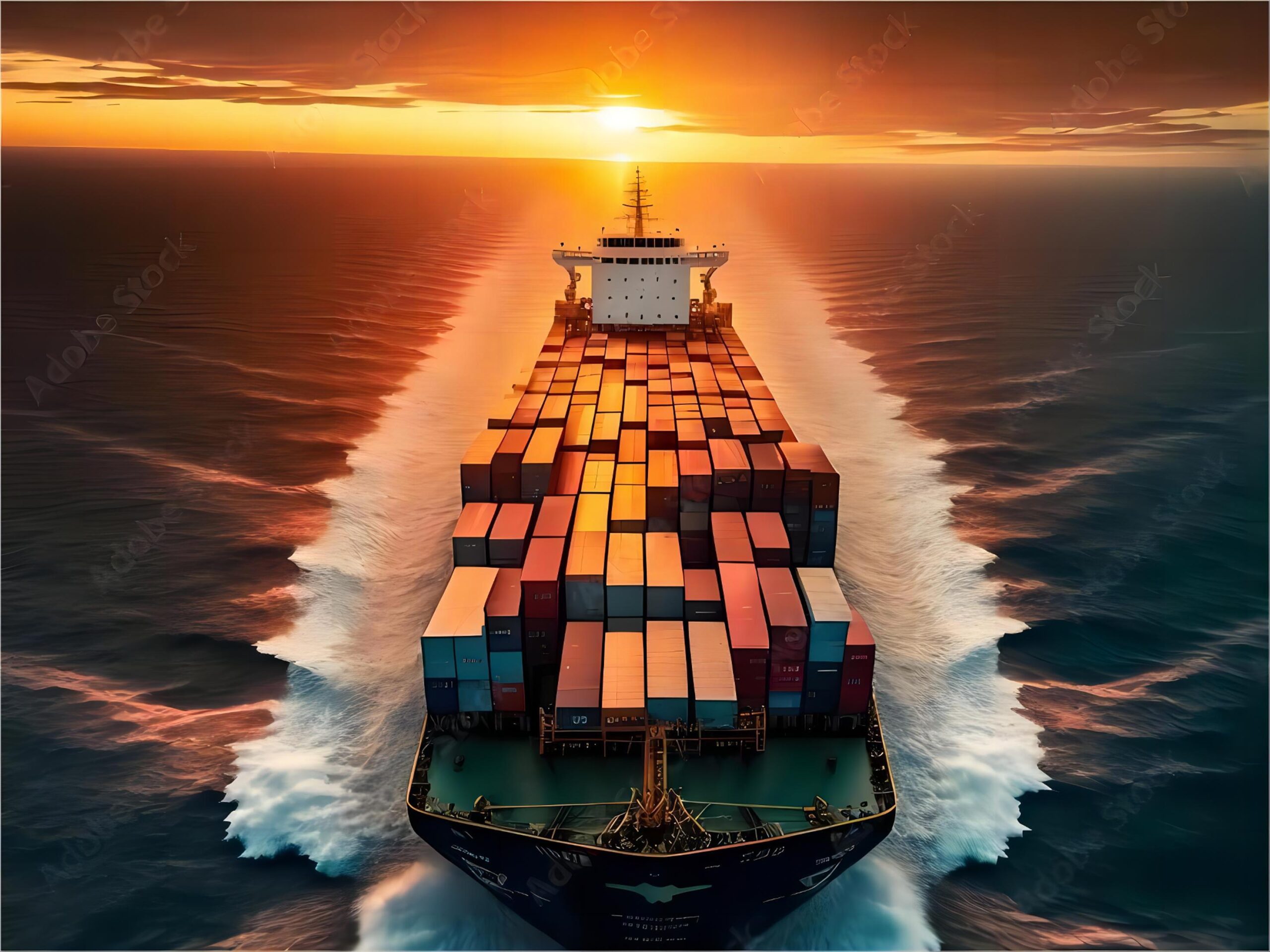
Understanding Shipping Rates China to UK Sea Freight in 2026
Market conditions for shipping rates china to uk sea freight have stabilized significantly as of early 2026. Following the disruptions of previous years, carrier capacity has reached a new equilibrium, though fuel surcharges remain a variable factor. Therefore, importers must monitor weekly rate fluctuations to capitalize on the best available pricing.

Moreover, the introduction of more eco-friendly vessels has slightly influenced the base ocean freight rates. Carriers are passing on some of the transition costs to shippers, but increased efficiency often offsets these fees. Consequently, businesses can expect more predictable delivery schedules compared to the volatility experienced in 2025.

Additionally, the demand for space during peak seasons still dictates the general rate increases. Planning shipments at least four to six weeks in advance remains the most effective way to secure lower container shipping costs. Indeed, early booking allows for better negotiation with freight forwarders who manage large volumes on this route.
Specifically, sea freight remains the most economical choice for transporting large volumes of goods. While transit times are longer than other methods, the cost-per-unit advantage is unmatched for bulk commodities. Nevertheless, shippers must account for port fees and inland haulage when calculating their total landed costs.
How Does Sea Freight Compare to Other Shipping Options?
Choosing the right transport mode is essential for balancing speed and budget. While sea freight is the traditional backbone of international trade, other methods like air freight or rail freight serve specific business needs. Understanding these trade-offs helps in selecting the most efficient logistics strategy.
Furthermore, hybrid solutions have gained popularity in 2026 for their flexibility. Sea-air combinations offer a middle ground, providing faster transit than pure ocean freight at a lower cost than standard air transport. Consequently, these alternatives are ideal for high-value goods with moderate urgency.
In contrast, rail freight has become a robust alternative for transcontinental shipping. It offers a faster transit time than sea freight while remaining significantly cheaper than air transport. However, the reliability of rail depends heavily on geopolitical stability across the Eurasian land bridge.
| Shipping Method | Cost Range | Transit Time | Best For |
|---|---|---|---|
| Sea Freight (FCL) | $3,200 – $4,500 | 30-38 Days | Large volumes, bulk |
| Air Freight | $15,000 – $25,000 | 5-7 Days | Urgent, high-value |
| Rail Freight | $4,500 – $6,500 | 18-22 Days | Time-sensitive bulk |
| Express Service | $20,000+ | 3-5 Days | Small samples |
Which Option Should You Choose? Decision Framework
Determining the best shipping method depends on several critical factors including volume, budget, and urgency. If your priority is minimizing shipping rates china to uk sea freight, then Full Container Load (FCL) is usually the superior choice for shipments over 15 cubic meters. Conversely, smaller shipments may benefit from Less than Container Load (LCL) pricing.
Budget priority dictates that sea freight should be your primary mode of transport. For example, a 40HQ container can hold a massive amount of inventory for a fraction of the cost of air transport. Therefore, businesses with high-volume, low-margin products almost exclusively rely on ocean routes.
Speed priority necessitates a shift toward air or rail options. If a stockout is imminent, the higher cost of air freight is often justified by the revenue saved through faster replenishment. Meanwhile, rail freight offers a strategic compromise for those who need goods within three weeks without paying air premiums.
Cargo type considerations also play a role in the decision-making process. Perishable goods or high-tech electronics with short lifecycles often require the speed of air. On the other hand, durable goods, furniture, and heavy machinery are perfectly suited for the longer transit times associated with sea freight.
FCL vs LCL: Container Pricing Breakdown
Standard container sizes for sea freight include 20GP, 40GP, and 40HQ containers. Each size offers different capacity and pricing structures based on the current market. As of early 2026, the price gap between 40GP and 40HQ has narrowed, making the High Cube container a popular choice for its extra height.
Furthermore, LCL shipping is priced per cubic meter (CBM), which is beneficial for smaller merchants. However, LCL shipments often incur higher handling fees at both the origin and destination ports. Consequently, shippers should calculate the ‘break-even’ point where switching to a full 20ft container becomes more economical.
Indeed, once a shipment exceeds 13-15 CBM, the cost of a full 20GP container often equals or undercuts the total LCL charges. This is because FCL avoids the consolidation and deconsolidation fees associated with shared containers. Therefore, volume consolidation is a key strategy for reducing your overall shipping rates china to uk sea freight.
| Container Type | Price Range (USD) | Capacity (CBM) | Transit Time |
|---|---|---|---|
| 20GP Container | $2,000 – $2,800 | 33 CBM | 30-35 Days |
| 40GP Container | $3,200 – $4,200 | 67 CBM | 32-38 Days |
| 40HQ Container | $3,500 – $4,500 | 76 CBM | 32-38 Days |
| LCL (per CBM) | $80 – $150 | Variable | 35-42 Days |
Key Factors Influencing Sea Freight Costs in 2026
Several variables impact the final shipping rates china to uk sea freight that you will see on your invoice. Fuel prices, often reflected as the Bunker Adjustment Factor (BAF), remain one of the most volatile components. Additionally, currency fluctuations between the USD, CNY, and GBP can affect the total landed cost significantly.
Moreover, seasonal demand peaks during the late summer and early autumn as retailers prepare for the holiday season. During these times, carriers often implement General Rate Increases (GRI) and Peak Season Surcharges (PSS). Consequently, shipping in the ‘off-peak’ months of February to April can lead to substantial savings.
Port congestion also remains a factor that can drive up costs through demurrage and detention fees. When ports are backed up, containers sit longer, leading to daily charges that can quickly erode profit margins. Therefore, choosing less congested ports of entry can be a strategic move for savvy importers.
Lastly, the choice of incoterms like FOB (Free On Board) or EXW (Ex Works) determines who pays for which part of the journey. Most experienced UK importers prefer FOB, as it allows them better control over the ocean freight portion of the shipment. Indeed, controlling the logistics provider often results in more transparent and competitive pricing.
Transit Times from Major Chinese Ports to the UK
The duration of the voyage depends largely on the port of loading and the specific shipping line used. Major hubs like Shanghai and Ningbo offer the most frequent departures and competitive shipping rates china to uk sea freight. Furthermore, direct services are available from these ports, which reduce the risk of delays during transshipment.
In contrast, shipments from inland cities or smaller ports often require a feeder vessel to a major hub. This adds roughly 3-7 days to the total transit time. Consequently, businesses should factor in this extra time when sourcing products from deep within China’s manufacturing zones.
Arrival ports in the UK such as Felixstowe, Southampton, and London Gateway are well-equipped to handle large volumes. However, each port has its own efficiency levels and inland connection speeds. Therefore, the destination port choice can impact the final door-to-door delivery time significantly.
| Port of Loading | Port of Discharge | Service Type | Transit Days |
|---|---|---|---|
| Shanghai | Felixstowe | Direct | 32-35 Days |
| Shenzhen | Southampton | Direct | 30-33 Days |
| Ningbo | London Gateway | Direct | 33-36 Days |
| Qingdao | Felixstowe | Transshipment | 38-42 Days |
Real-World Case Studies: Shipping from China to the UK
Analyzing real-world scenarios provides valuable insight into the actual costs and timelines involved in international trade. These examples reflect the current market conditions and common challenges faced by importers in 2026. Consequently, they serve as a benchmark for your own logistics planning.
Case Study 1: Electronics from Shenzhen to Felixstowe. This shipment involved high-value consumer electronics that required careful handling. By choosing FCL, the importer maximized security and minimized the risk of damage during transit.
Case Study 2: Home Decor from Ningbo to Southampton. This business utilized LCL shipping to manage smaller inventory batches. Despite the higher cost per CBM, it allowed them to maintain a lean supply chain without overstocking their UK warehouse.
Case Study 3: Amazon FBA Inventory from Shanghai. Utilizing Amazon FBA logistics services, this seller ensured their goods met all labeling and packaging requirements before departure. This proactive approach prevented costly delays at the UK fulfillment centers.
Case Study 1: Consumer Electronics FCL
Route: Shenzhen, China to Felixstowe, UK. Cargo: Smart Home Devices, 65 CBM. Container: 40GP. Shipping Details: Direct service via major carrier. Port of Loading: Shenzhen (Yantian). Port of Discharge: Felixstowe. Cost Breakdown: Ocean Freight: $3,400. Origin Charges: $450. Destination Charges: $600. Customs and Duties: $4,200. Total Landed Cost: $8,650. Timeline: Booking to Loading: 5 days. Sea Transit: 32 days. Customs Clearance: 2 days. Total Door-to-Door: 42 days. Key Insight: Booking early during the Q1 slack season saved approximately 15 percent compared to peak rates.
Case Study 2: Boutique Furniture LCL
Route: Ningbo, China to Southampton, UK. Cargo: Handmade Wooden Chairs, 8 CBM. Container: LCL. Shipping Details: Transshipment via Singapore. Port of Loading: Ningbo. Port of Discharge: Southampton. Cost Breakdown: Ocean Freight: $960 ($120/CBM). Origin Charges: $200. Destination Charges: $350. Customs and Duties: $1,100. Total Landed Cost: $2,610. Timeline: Booking to Loading: 7 days. Sea Transit: 38 days. Customs Clearance: 3 days. Total Door-to-Door: 52 days. Key Insight: Consolidating multiple small orders into one LCL shipment reduced the total documentation fees significantly.
Navigating Customs and Documentation for UK Imports
Successful importing requires meticulous attention to paperwork to avoid expensive delays at the border. Essential documents include the Bill of Lading, Commercial Invoice, and Packing List. Additionally, ensuring your goods have the correct HS codes is vital for determining the accurate amount of UK import duty and VAT.
Furthermore, utilizing a professional customs brokerage service can streamline the clearance process. Experts in UK customs regulations can help navigate post-Brexit rules and ensure compliance with all safety and environmental standards. Consequently, this reduces the risk of shipment inspections and associated storage fees.
Indeed, the UK Global Tariff determines the rates for most goods entering the country. Some products may qualify for preferential rates if they meet specific origin criteria. Therefore, verifying the origin of your goods and maintaining proper records is a critical part of managing your total landed costs.
Moreover, the deferment of VAT payments through Postponed VAT Accounting (PVA) can significantly improve your business cash flow. Instead of paying VAT at the point of entry, registered businesses can account for it on their periodic VAT returns. This is a major advantage for UK-based importers managing large-scale sea freight shipments.
Strategic Tips to Reduce Your Total Landed Costs
Reducing your shipping rates china to uk sea freight involves more than just finding the lowest base rate. Optimizing your packaging to fit more units into a container can lower your cost-per-item significantly. For instance, using custom-sized pallets or floor-loading goods can maximize the utilization of a 40HQ container.
Additionally, consolidating shipments from multiple suppliers into a single FCL container is a highly effective cost-saving strategy. This process, known as buyer’s consolidation, reduces the number of individual entries and handling fees. Consequently, you gain the economies of scale associated with full container shipping.
Moreover, maintaining a long-term relationship with a single freight forwarder can lead to better negotiation leverage. Reliable partners are more likely to offer space guarantees and competitive rates during tight market conditions. Therefore, loyalty in the logistics sector often pays dividends in the form of improved service and pricing.
Finally, always request a comprehensive quote that includes all potential surcharges. Hidden fees like the Low Sulfur Surcharge or Terminal Handling Charges can surprise unprepared importers. Indeed, a transparent quote allows for a more accurate calculation of your profit margins before the goods even leave China.
Mastering Your China to UK Logistics Strategy
In conclusion, managing shipping rates china to uk sea freight effectively requires a balance of market knowledge, strategic planning, and the right partnerships. By understanding the differences between FCL and LCL, and monitoring the factors that influence 2026 pricing, you can make informed decisions that benefit your business.
Moreover, the choice between sea, air, and rail freight should be dictated by your specific cargo needs and delivery timelines. While sea freight remains the most cost-effective solution for bulk goods, having a diverse logistics toolkit allows you to adapt to changing market conditions. Consequently, staying proactive and informed is the best way to navigate the evolving world of international shipping.

Need a tailored shipping solution?
Optimizing your shipping rates china to uk sea freight is the first step toward a more profitable international trade business. Whether you need FCL, LCL, or a tailored logistics solution, our team is ready to provide you with a competitive quote today. Contact us to learn how we can streamline your supply chain and reduce your total landed costs for 2026. Visit alichinafreight.com to get started with a free consultation and expert advice.