

- By Jaxin
- July 20, 2026
- Amazon FBA
Introduction
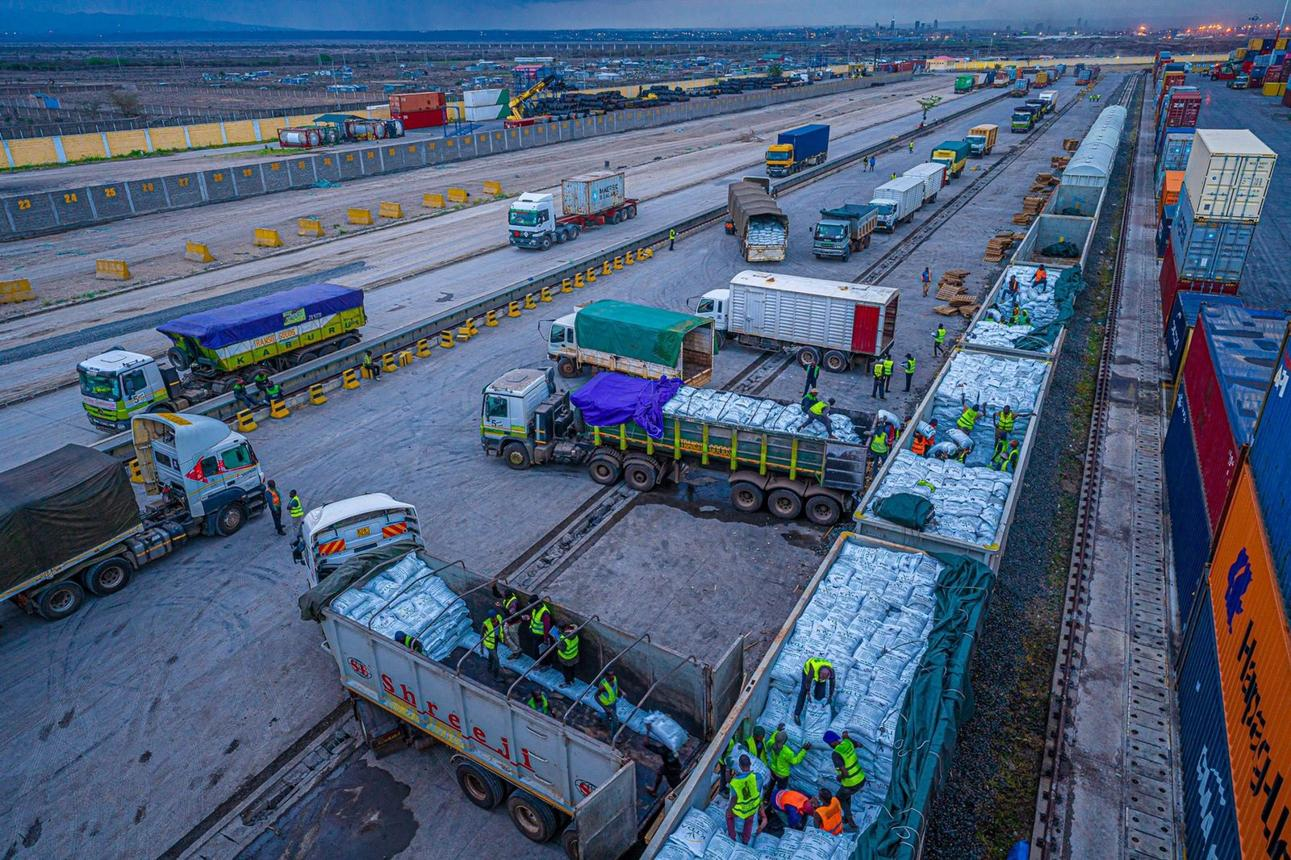
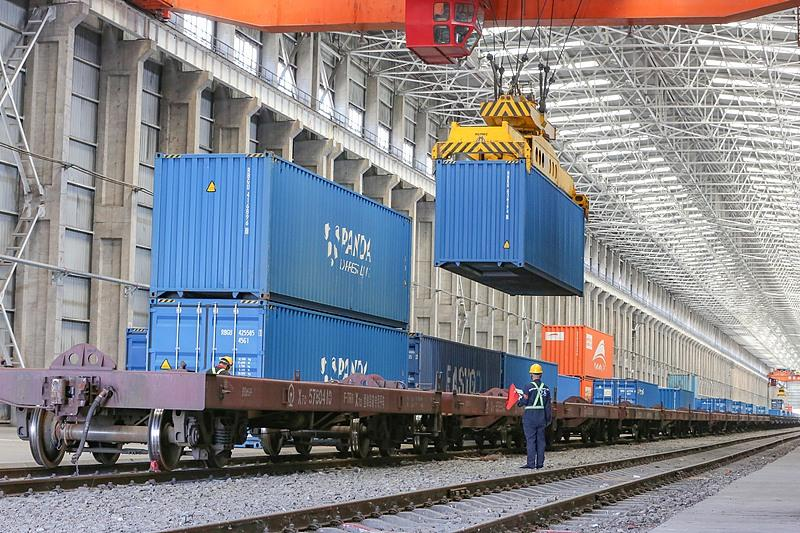
Trucking freight delivery for oversized rail cargo shipments plays a critical role in moving large industrial equipment, construction machinery, and project cargo from rail terminals to their final destinations. While rail freight offers an efficient solution for long-distance transportation, oversized cargo rarely completes its journey by rail alone.
Many importers discover that the most challenging part of the shipment begins after the rail segment ends. Restricted road access, permit requirements, escort vehicles, bridge limitations, and unloading constraints can quickly create delays and unexpected costs. Moreover, oversized cargo often requires customized transportation planning rather than standard trucking services.
Fortunately, with proper route surveys, equipment selection, and permit management, oversized rail cargo can be delivered safely and efficiently. This guide explains how trucking delivery works for oversized rail shipments, why specialized planning matters, and how businesses can avoid costly transportation mistakes.

What Is Trucking Freight Delivery for Oversized Rail Cargo Shipments?
Oversized rail cargo refers to freight that exceeds standard road transportation dimensions or weight limits after arriving at a rail terminal.
Common examples include:
- Industrial machinery
- Wind turbine components
- Mining equipment
- Transformers
- Construction machinery
- Steel structures
- Manufacturing production lines
Because rail terminals are rarely the final destination, specialized trucking services are required to complete the last-mile or final-mile delivery process.
Typical Oversized Cargo Dimensions
| Cargo Type | Typical Weight |
|---|---|
| Industrial Machinery | 20–80 Tons |
| Transformers | 30–150 Tons |
| Wind Turbine Components | 20–100 Tons |
| Mining Equipment | 40–200 Tons |
| Steel Structures | 15–100 Tons |
Unlike standard container trucking, oversized cargo transportation often requires dedicated trailers, engineering reviews, and regulatory approvals.
Therefore, trucking becomes a critical component of successful oversized rail logistics projects.
Why Trucking Freight Delivery Matters for Oversized Rail Cargo Shipments
The rail portion of the shipment usually covers most of the long-distance route. However, final delivery often determines whether the project succeeds on schedule.
Common Challenges
| Challenge | Potential Impact |
|---|---|
| Road Weight Restrictions | Route changes |
| Bridge Clearance Limits | Delivery delays |
| Permit Approval Delays | Missed schedules |
| Urban Access Restrictions | Additional handling |
| Escort Vehicle Requirements | Increased costs |
| Crane Availability | Unloading delays |
Furthermore, oversized cargo cannot simply be loaded onto a standard truck after rail arrival.
Without proper planning, companies may face:
- Unexpected detention charges
- Additional storage costs
- Site delivery delays
- Equipment downtime
- Project schedule disruptions
Consequently, trucking delivery planning should begin before the rail shipment departs its origin.
How to Arrange Trucking Freight Delivery for Oversized Rail Cargo Shipments
Successful oversized cargo delivery requires careful coordination between rail operators, trucking providers, permit authorities, and site managers.
Conduct a Route Survey
Before transportation begins, logistics teams should analyze:
- Road widths
- Bridge capacities
- Tunnel clearances
- Traffic restrictions
- Construction zones
As a result, potential obstacles can be identified before cargo arrival.
Select the Appropriate Trailer
Different cargo types require different equipment.
| Trailer Type | Suitable Cargo |
|---|---|
| Lowboy Trailer | Heavy machinery |
| Extendable Trailer | Long equipment |
| Multi-Axle Trailer | Extremely heavy cargo |
| Flatbed Trailer | Large steel structures |
| Modular Trailer | Project cargo |
Proper trailer selection improves safety and transportation efficiency.
Secure Transportation Permits
Most countries require permits for oversized cargo movements.
These permits may include:
- Overweight permits
- Over-dimensional permits
- Night transportation approvals
- Escort vehicle authorizations
Therefore, permit applications should begin well before rail arrival.
Coordinate Site Delivery
Meanwhile, delivery sites should prepare:
- Crane equipment
- Unloading personnel
- Access roads
- Temporary storage space
Effective coordination minimizes unloading delays and additional transportation costs.
Real Trucking Freight Delivery Cases for Oversized Rail Cargo Shipments
🚆 Project Card 1: Industrial Press Machine Delivery to Germany
📍 Route: Chongqing, China → Duisburg, Germany → Cologne, Germany
📦 Cargo: Industrial Press Machine
⏱️ Transit Time: 21 Days Rail + 2 Days Trucking
💰 Cost Saving: USD 8,500
🚄 Mode: China-Europe Railway Express + Lowboy Trailer
🛃 Delivery Challenge: Urban delivery restrictions and bridge clearance limitations
✅ Outcome: On-time factory installation
Overview:
A German manufacturer imported a 52-ton industrial press machine through Duisburg. Before delivery, the logistics team completed a route survey and secured heavy-haul permits. Consequently, the cargo was transported safely to the factory without delays or additional handling costs.
🚆 Project Card 2: Wind Turbine Components for a Poland Wind Farm
📍 Route: Xi’an, China → Warsaw, Poland → Gdansk, Poland
📦 Cargo: Wind Turbine Components
⏱️ Transit Time: 19 Days Rail + 3 Days Trucking
💰 Cost Saving: USD 12,300
🚄 Mode: Rail Freight + Extendable Trailer
🛃 Delivery Challenge: Oversized blade sections requiring escort vehicles
✅ Outcome: Successful project delivery
Overview:
The shipment included oversized wind turbine blade sections that exceeded standard road dimensions. Therefore, special permits and escort vehicles were arranged in advance. The project was delivered on schedule, allowing construction to proceed without interruption.
🚆 Project Card 3: Mining Equipment Delivery to Hungary
📍 Route: Chengdu, China → Budapest, Hungary
📦 Cargo: Mining Equipment
⏱️ Transit Time: 18 Days Rail + 1 Day Trucking
💰 Cost Saving: USD 9,600
🚄 Mode: Rail Freight + Multi-Axle Heavy-Haul Truck
🛃 Delivery Challenge: 96-ton equipment requiring specialized transportation
✅ Outcome: Zero damage and zero delays
Overview:
A mining company needed to transport heavy machinery from China to a project site in Hungary. Because of the cargo weight, a multi-axle heavy-haul solution was deployed. As a result, the equipment arrived safely and was installed according to the project schedule.
Rail Freight and Trucking Cost Information for Oversized Cargo
Transportation costs vary significantly depending on cargo dimensions, weight, permits, and final delivery distance.
Typical Rail Transit Times
| Destination | Rail Transit Time |
|---|---|
| Germany | 16–22 Days |
| Poland | 14–20 Days |
| Hungary | 16–23 Days |
| Czech Republic | 17–24 Days |
| Netherlands | 18–25 Days |
Major Factors Affecting Oversized Cargo Costs
| Cost Factor | Impact |
|---|---|
| Cargo Weight | Trailer requirements |
| Cargo Dimensions | Permit complexity |
| Delivery Distance | Trucking charges |
| Escort Vehicles | Regulatory compliance |
| Crane Services | Loading and unloading |
| Seasonal Restrictions | Route availability |
Because oversized cargo projects are highly customized, obtaining a project-specific quotation is essential.
Rail vs Road Cost Considerations
| Mode | Best Use Case | Cost Efficiency |
|---|---|---|
| Rail + Truck | Long-distance project cargo | High |
| Road Only | Short-distance heavy haul | Medium |
| Air Freight | Urgent oversized components | Very Low |
| Ocean + Truck | Intercontinental cargo | High but slower |
Therefore, rail combined with specialized trucking is often the most cost-effective solution for oversized industrial cargo.
Conclusion
Oversized cargo shipments require much more than standard transportation planning. While rail freight provides an efficient long-distance solution, specialized trucking delivery remains essential for completing the final stage of the journey.
By conducting route surveys, selecting appropriate trailers, securing permits, and coordinating delivery sites in advance, businesses can significantly reduce transportation risks and avoid costly project delays. Furthermore, integrating rail freight with professional heavy-haul trucking services creates a reliable and cost-effective logistics solution for large industrial cargo.
Ultimately, trucking freight delivery for oversized rail cargo shipments enables importers, manufacturers, and project operators to move complex cargo safely from rail terminal to final destination while maintaining project schedules and controlling logistics costs.
FAQs
Q1: Can oversized cargo be transported directly from a rail terminal to a construction site?
Yes. However, route surveys, permit approvals, and site access evaluations are usually required before transportation can begin.
Q2: Are escort vehicles mandatory for oversized cargo trucking?
Not always. Requirements depend on cargo dimensions, weight, local regulations, and transportation routes. Some jurisdictions require police escorts for exceptionally large loads.
Q3: What happens if a bridge cannot support the cargo weight?
Logistics planners must identify alternative routes or obtain engineering approvals. Therefore, route surveys are a critical part of oversized cargo planning.
Q4: Is cargo insurance recommended for heavy-haul rail and trucking projects?
Yes. High-value industrial equipment, project cargo, and oversized machinery should typically be covered by comprehensive cargo insurance throughout the transportation process.
Q5: How early should oversized transportation permits be arranged?
Permit lead times vary by country and cargo size. In most cases, applications should begin several days or even weeks before cargo arrival to avoid delivery delays.