

- By Jaxin
- July 7, 2026
- Amazon FBA
Introduction
Trucking freight from rail terminal to amazon warehouse is a critical solution for Amazon FBA sellers who need reliable last-mile delivery after rail transportation. Many importers struggle with container pickup delays, warehouse appointment issues, and unexpected storage costs when moving inventory from inland rail terminals to Amazon fulfillment centers. Therefore, choosing the right trucking service helps businesses improve delivery speed, reduce risks, and maintain stable inventory levels.
However, rail transportation only completes the long-distance journey. Therefore, efficient terminal-to-warehouse trucking determines whether inventory reaches Amazon fulfillment centers on time. This guide explains the process, costs, risks, and solutions to help businesses improve Amazon FBA delivery performance.

What Is Trucking Freight from Rail Terminal to Amazon Warehouse?
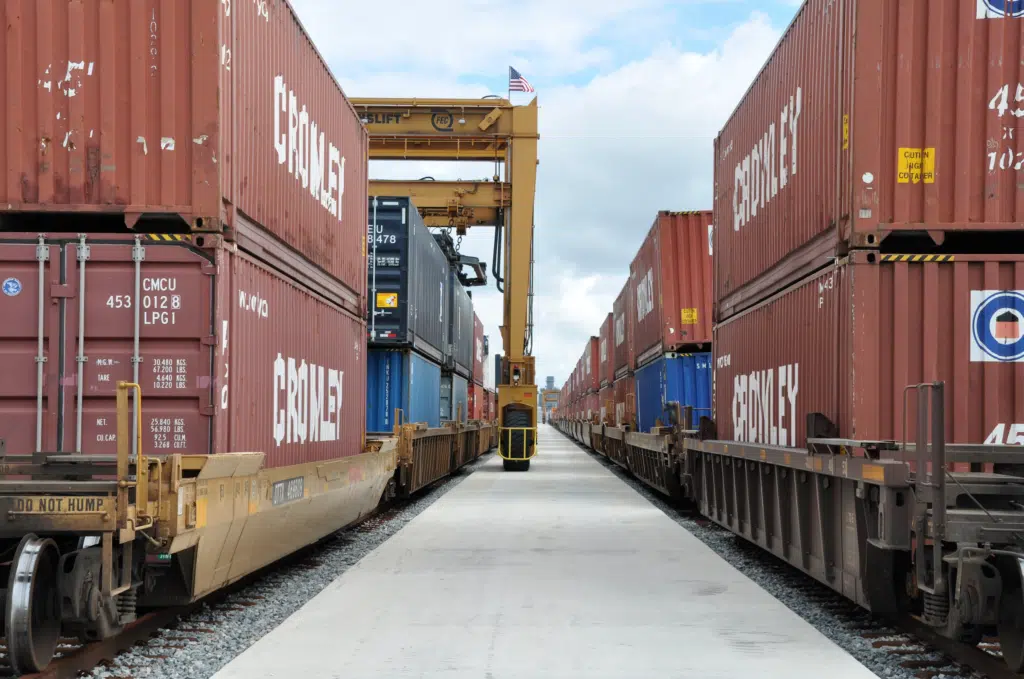
Trucking freight from rail terminal to Amazon warehouse refers to the transportation process that moves cargo from an inland rail terminal to an Amazon fulfillment center by truck.
Typically, this service connects different logistics stages:
| Stage | Description |
|---|---|
| Rail transportation | Long-distance cargo movement |
| Terminal handling | Container availability and pickup |
| Truck transportation | Local or regional delivery |
| Amazon receiving | Final warehouse acceptance |
Moreover, this service is especially important for international sellers using rail freight because Amazon warehouses require accurate delivery scheduling.
Why Is This Process Important?
Additionally, the final trucking stage directly affects inventory availability. If containers remain at terminals too long, companies may face:
- Storage fees
- Demurrage charges
- Missed delivery appointments
- Inventory shortages
Consequently, professional trucking coordination helps maintain a stable supply chain.
How Does Trucking Freight from Rail Terminal to Amazon Warehouse Work?
The trucking process involves several steps, and each stage affects delivery efficiency.
Step 1: Confirm Rail Terminal Arrival
First, importers must track the rail shipment and confirm when containers become available. Additionally, terminal availability dates help trucking companies schedule pickups.
Step 2: Arrange Container Pickup
After confirmation, the trucking provider reserves equipment and assigns drivers. However, delays may happen if chassis availability is limited or terminal congestion increases.
Step 3: Complete Customs Clearance
Furthermore, cargo cannot leave the terminal until customs procedures are completed. Importers should prepare:
| Required Document | Purpose |
|---|---|
| Commercial invoice | Product value verification |
| Packing list | Cargo details |
| Bill of lading | Transportation proof |
| Customs entry | Import approval |
| Amazon shipment plan | Warehouse receiving |
Consequently, early document preparation reduces unnecessary waiting time.
Step 4: Deliver to Amazon Warehouse
Finally, trucks transport cargo to the Amazon fulfillment center according to the booked appointment. Meanwhile, real-time tracking helps sellers monitor delivery progress.
How Much Does Trucking Freight from Rail Terminal to Amazon Warehouse Cost?
The cost of trucking freight from rail terminal to amazon warehouse depends on distance, container size, fuel prices, and delivery requirements.
Typical pricing ranges include:
| Service Type | Estimated Cost | Typical Situation |
|---|---|---|
| Short-distance trucking | $300–$600 | Nearby warehouse delivery |
| Regional trucking | $600–$1,200 | Medium-distance transportation |
| Long-distance delivery | $1,200–$2,500+ | Cross-state delivery |
| Container drayage | $500–$1,500 | Rail terminal pickup |
However, these prices may increase during peak seasons because truck capacity becomes limited.
Factors Affecting Trucking Costs
Moreover, several factors influence final pricing:
- Fuel surcharge
- Terminal handling fees
- Waiting time
- Appointment changes
- Container storage
Therefore, businesses should request detailed quotations before shipment arrival.
What Documents Are Required for Rail Terminal to Amazon Delivery?
Proper documentation ensures smooth transportation.
| Document | Purpose |
|---|---|
| Commercial invoice | Customs declaration |
| Packing list | Cargo verification |
| Bill of lading | Shipment confirmation |
| Customs documents | Legal import clearance |
| Amazon shipping information | Warehouse receiving |
Additionally, preparing documents before container arrival reduces waiting time.
Therefore, document accuracy is one of the most important factors for successful delivery.
What Transportation Options Are Available for Rail-to-Amazon Delivery?
Different transportation methods provide different advantages depending on cargo volume, urgency, and budget.
| Transportation Method | Transit Time | Cost Level | Best For |
|---|---|---|---|
| Truck only | 1–5 days | Medium | Domestic shipments |
| Rail + trucking | 10–20 days | Low-Medium | Cost-efficient imports |
| Air + trucking | 3–7 days | High | Urgent inventory |
| Ocean + trucking | 30–45 days | Low | Large volume cargo |
Moreover, rail plus trucking is increasingly popular for international Amazon sellers because it balances speed and cost.
For example, China-Europe rail freight combined with local trucking can provide a faster alternative to ocean shipping while maintaining reasonable transportation expenses.
How Can Businesses Avoid Amazon Warehouse Delivery Delays?
Delays usually happen because sellers focus only on international transportation and ignore the final delivery stage.
Therefore, companies should follow these strategies:
Book Trucking Before Cargo Arrival
Additionally, arranging transportation early allows providers to prepare equipment and drivers.
Verify Amazon Appointment Requirements
Amazon warehouses require accurate shipment information. Consequently, sellers should confirm:
- Warehouse location
- Delivery window
- Pallet requirements
- Carrier instructions
Choose Experienced Amazon Trucking Providers
Furthermore, experienced providers understand FBA procedures and can quickly solve unexpected issues.
| Risk | Recommended Solution |
|---|---|
| Container delay | Monitor rail status |
| Truck shortage | Reserve capacity early |
| Appointment failure | Confirm booking details |
| High storage fees | Arrange fast pickup |
Therefore, proactive planning reduces costly delivery interruptions.
Case Study: Trucking Freight from Rail Terminal to Amazon Warehouse
Successful Rail-to-FBA Delivery for Electronics Inventory
| Category | Details |
|---|---|
| Origin | Xi’an, China |
| Destination | Amazon Fulfillment Center, Dallas, USA |
| Cargo | Consumer electronics accessories |
| Transit Time | 18 days rail + 3 days trucking |
| Cost | Approximately $2,800 total inland transportation |
| Transportation Method | China-Europe rail freight + terminal trucking |
| Customs Clearance Details | HS code verification completed before arrival; customs entry submitted electronically |
| Brief Overview | A Chinese electronics supplier needed faster inventory replenishment than ocean freight. The shipment was transported by rail, transferred at the inland terminal, and delivered by scheduled trucking to Amazon without appointment delays. |
How Do You Choose the Right Rail Terminal Trucking Provider?
Selecting the correct provider directly affects delivery reliability.
A qualified trucking partner should offer:
| Evaluation Factor | Importance |
|---|---|
| Amazon delivery experience | Prevents appointment issues |
| Terminal coverage | Enables faster pickup |
| Tracking system | Improves visibility |
| Customs coordination | Reduces clearance delays |
| Flexible capacity | Handles peak seasons |
Moreover, companies should evaluate whether the provider can manage the entire supply chain rather than only truck transportation.
Therefore, integrated freight solutions usually provide better control for international Amazon sellers.
Conclusion
Efficient trucking freight from rail terminal to amazon warehouse helps Amazon sellers maintain inventory availability, reduce logistics risks, and improve delivery reliability. Moreover, successful rail-to-Amazon transportation requires proper coordination between rail operators, customs teams, trucking providers, and warehouse appointments.
By planning transportation early, preparing documents correctly, and selecting experienced logistics partners, businesses can avoid unnecessary delays and control costs. Therefore, reliable terminal-to-warehouse trucking creates a smoother supply chain for Amazon FBA operations.
Get professional support for trucking freight from rail terminal to Amazon warehouse and optimize your FBA delivery process. Contact our logistics team to request a customized quote, improve shipment visibility, and reduce delays caused by terminal or warehouse issues.
FAQs
How much does trucking freight from rail terminal to Amazon warehouse cost?
The cost usually ranges from $300 to over $2,500 depending on distance, container size, fuel costs, and additional terminal handling requirements.
How long does rail terminal trucking to Amazon warehouse take?
Most deliveries require 1–5 days after container pickup. However, timing depends on terminal congestion, distance, and Amazon appointment availability.
Can rail freight be used for Amazon FBA inventory?
Yes. Rail freight combined with trucking is a cost-effective option for Amazon sellers needing faster delivery than ocean shipping.
What documents are required for Amazon warehouse trucking delivery?
Importers typically need invoices, packing lists, customs clearance documents, shipment plans, and Amazon delivery information before transportation.
How do I choose the best trucking company for Amazon deliveries?
Choose providers with Amazon experience, terminal coverage, tracking systems, and customs coordination capabilities to reduce delivery risks.