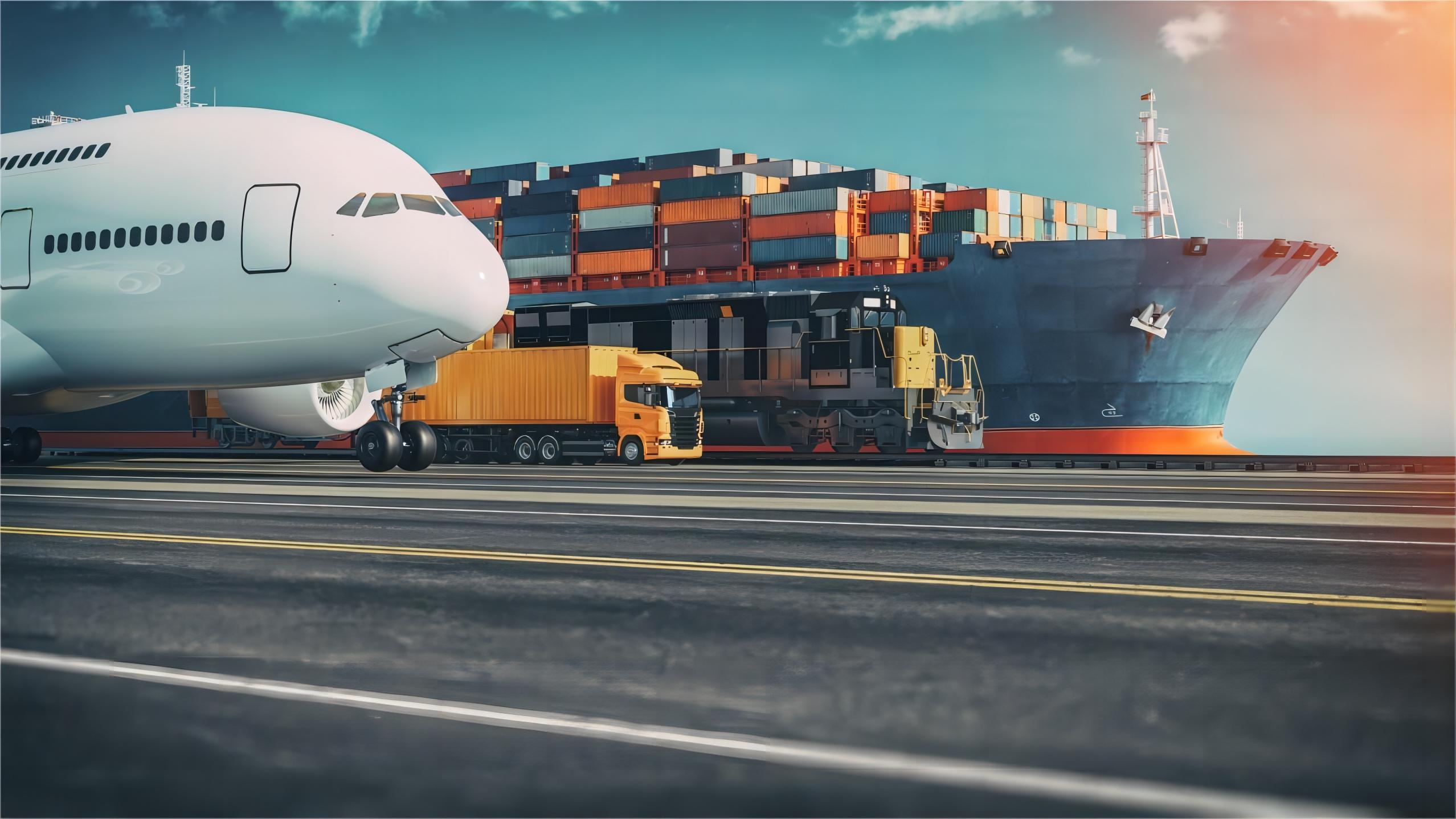


Amazon FBA Shipping Delay China Resolution Service 2026 Guide
Managing a global supply chain requires precision, yet many sellers frequently encounter unexpected disruptions that threaten their inventory health. If you are facing logistical hurdles, our amazon fba shipping delay china resolution service provides the strategic intervention needed to keep your business running smoothly. Consequently, understanding how to navigate these delays is essential for maintaining high seller ratings and customer satisfaction in 2026.
Why You Need an Amazon FBA Shipping Delay China Resolution Service
Shipping disruptions often occur due to port congestion, labor shortages, or complex customs procedures that stall cargo movement. Furthermore, these delays can lead to costly stockouts and a significant drop in your Amazon search ranking. Professional intervention ensures that your goods bypass common bottlenecks through optimized routing.
Additionally, a dedicated resolution service monitors your shipment in real-time to identify potential issues before they escalate into long-term problems. Meanwhile, experts coordinate with local carriers to expedite the transition between various transport modes. This proactive approach significantly reduces the total lead time for your products.
Choosing a specialized Amazon FBA logistics partner allows you to focus on marketing and sales rather than tracking containers. Indeed, the right service provider handles everything from documentation to final delivery at the fulfillment center. Consequently, your business remains resilient even during peak shipping seasons.
How Does Sea Freight Compare to Other Shipping Options?
Selecting the right transport method is the first step in avoiding significant delays while managing your bottom line. While sea freight offers the lowest cost per unit, it remains the most susceptible to maritime disruptions. However, it is the most viable option for heavy or bulky items that do not require immediate replenishment.
In contrast, air freight provides the fastest transit times but comes at a much higher premium. Therefore, many sellers utilize a hybrid strategy, sending a small portion of inventory via air and the remainder by sea. This ensures that you have stock available while waiting for the bulk shipment to arrive.
Moreover, rail freight has become an increasingly popular alternative for shipments heading to Europe. It offers a middle ground in terms of both cost and speed compared to sea and air. Nevertheless, you must consider the specific destination and infrastructure availability when choosing this route.
| Shipping Method | Cost Range | Transit Time | Best For | Limitations |
|---|---|---|---|---|
| Sea Freight | $1,800 – $4,500 | 25 – 40 Days | Bulky Goods | Weather Delays |
| Air Freight | $5.00 – $9.00/kg | 3 – 7 Days | Urgent Stock | High Expense |
| Rail Freight | $1,200 – $2,800 | 15 – 22 Days | Europe Routes | Landlocked Path |
| Express | $8.00 – $12.00/kg | 2 – 5 Days | Small Samples | Strict Weight |
Common Causes of Amazon FBA Shipping Delays in 2026
Global logistics trends in 2026 indicate that port congestion remains a primary driver of transit variability. Specifically, major hubs like Shanghai and Ningbo often experience equipment shortages during the Q3 peak season. Consequently, shipments may sit at the terminal for several days before being loaded onto a vessel.
Customs clearance issues also contribute significantly to late deliveries when documentation is incomplete or inaccurate. For instance, missing commercial invoices or incorrect HS codes can trigger intensive inspections. Therefore, utilizing a professional Customs Brokerage service is vital for ensuring compliance and speed.
Furthermore, Amazon restock limits and warehouse receiving delays can create a secondary bottleneck after the goods reach the destination country. If the fulfillment center is over capacity, your shipment might be redirected to a remote location. This adds extra days to the final delivery schedule and increases local trucking costs.

Estimated Transit Times and Costs for Major Routes
Understanding the current market rates helps you budget effectively and set realistic expectations for your inventory replenishment. As of early 2026, freight rates have stabilized but remain sensitive to fuel price fluctuations and carrier capacity. Specifically, routes to the US East Coast generally take longer and cost more than those to the West Coast.
Notably, shipping to Europe has seen improved reliability following the stabilization of trade routes earlier this year. However, transit times can still vary based on whether you choose a direct call or a transshipment service. Consequently, always confirm the specific itinerary with your freight forwarder before booking your cargo.
Below is a breakdown of typical rates and timelines for common Amazon FBA destinations from China. Please note that these figures are industry averages and are subject to change based on seasonal demand. For the most accurate pricing, request a personalized quote for your specific shipment volume.
| Route | 20GP Container | 40HQ Container | Transit Time |
|---|---|---|---|
| China to USA West | $1,600 – $2,300 | $2,900 – $3,900 | 14 – 18 Days |
| China to USA East | $2,600 – $3,600 | $4,600 – $6,100 | 30 – 35 Days |
| China to Europe | $1,900 – $2,600 | $3,100 – $4,300 | 28 – 36 Days |
| China to UK | $2,100 – $2,900 | $3,600 – $4,600 | 30 – 38 Days |
Strategic Solutions for Inventory Stockouts
Implementing an air freight solution is often the quickest way to resolve an impending stockout. Although the cost is higher, the speed of delivery allows you to maintain your sales velocity and buy time for sea shipments. Consequently, this strategy protects your long-term organic ranking on the Amazon platform.
Another effective method involves using a door to door logistics provider who manages the entire process. This minimizes the risk of communication gaps between different service providers that often lead to delays. Furthermore, integrated logistics solutions often include temporary warehousing to buffer against warehouse receiving delays.
Additionally, you should consider diversifying your manufacturing base or maintaining safety stock in a local 3PL warehouse. This ensures that you have a fallback option if the primary shipping route from China faces a major disruption. Indeed, supply chain resilience is built on having multiple contingency plans ready for execution.
Case Study 1: Resolving a Peak Season Stockout in California
A seller of consumer electronics faced a 15-day delay at the Port of Long Beach during the 2025 holiday rush. Their inventory was nearly depleted, risking a total loss of their top-tier search ranking. Consequently, they reached out for an urgent resolution strategy to bridge the gap.
Our team arranged a split shipment, moving 20 percent of the remaining stock via express air freight while the container was stuck. This allowed the seller to stay in stock for their most popular SKUs while we negotiated an expedited terminal pickup. As a result, the seller maintained their sales momentum throughout December.
Route: Shenzhen to Los Angeles. Cargo: 500kg Electronics. Method: Air Freight + Sea Freight. Total Cost: $4,200. Transit Time: 5 days for air, 22 days for sea. Key Insight: Proactive split shipping is the most effective way to handle port congestion without breaking the bank.
Case Study 2: Overcoming Customs Delays for European Shipments
A home goods brand experienced a three-week customs hold in Hamburg due to missing CE certification details on their paperwork. This delay threatened their spring product launch and incurred significant demurrage fees at the port. Therefore, they required a professional resolution service to clear the blockage.
We coordinated with the manufacturer in China to rectify the documentation and filed a corrected entry with German customs. Additionally, we transitioned the cargo to a bonded warehouse to stop the accumulation of port storage charges. Consequently, the goods were released within 48 hours of the new filing.
Route: Ningbo to Hamburg. Cargo: 15 CBM Home Decor. Method: LCL Sea Freight. Total Cost: $2,800. Transit Time: 42 days (including delay). Key Insight: Accurate documentation and local customs expertise are essential for avoiding long-term storage penalties.
How to Choose the Right Amazon FBA Shipping Delay China Resolution Service
Selecting a provider requires careful evaluation of their experience with Amazon’s specific delivery requirements and scheduling systems. You should look for a partner that offers transparent tracking and a dedicated account manager for real-time updates. Moreover, ensure they have a strong network of local agents in both China and the destination country.
Furthermore, ask about their experience with various cargo types and their ability to handle hazardous materials or oversized items if necessary. A versatile provider can offer more flexible solutions when your primary shipping method fails. Consequently, you gain a competitive advantage by having a logistics partner that adapts to market changes.
Finally, verify their track record in handling customs disputes and their knowledge of current trade regulations. Indeed, many delays are solved through better paperwork rather than faster ships. Therefore, compliance expertise is just as important as transport capacity when choosing your resolution service provider.
Final Thoughts on Logistics Resilience
To summarize, navigating the complexities of international trade requires a combination of strategic planning and rapid problem-solving. By utilizing a professional amazon fba shipping delay china resolution service, you can mitigate the risks of port congestion and customs hurdles. This ensures your products reach the fulfillment center on time, every time.
Maintaining a flexible approach to your supply chain will allow your business to thrive despite global logistics trends. Whether you choose sea, air, or rail, having a reliable partner is the key to long-term success. Start optimizing your shipping strategy today to protect your Amazon sales and customer loyalty.
Need a tailored shipping solution?
If you are currently experiencing logistics issues, our team is ready to help you recover. Contact us today for a professional amazon fba shipping delay china resolution service and receive a custom quote within 24 hours. Visit our website to Send Inquiry and secure your inventory today.