

China customs clearance export import agent service: 2026 Guide
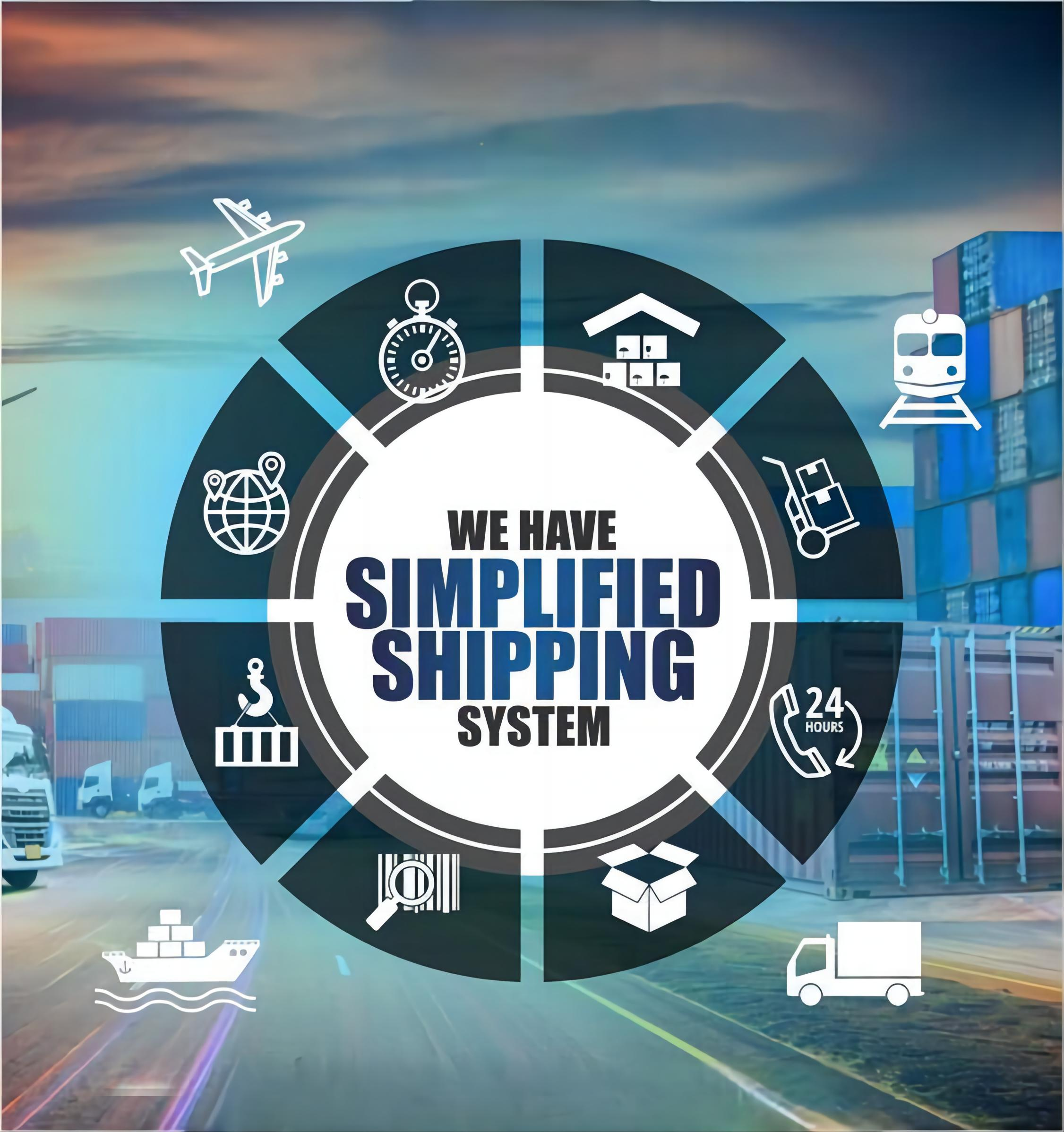
Navigating the complexities of international trade requires precision and expertise to avoid costly delays at the border. If you are struggling with complex regulations, a professional china customs clearance export import agent service provides the ultimate solution for your global supply chain. This guide explores how expert brokerage can streamline your operations and ensure compliance with the latest 2026 trade standards.
Why You Need a China Customs Clearance Export Import Agent Service
Modern trade environments in 2026 demand a high level of technical knowledge regarding tariff codes and regional regulations. Consequently, many businesses find that managing these tasks internally leads to unnecessary errors and shipment seizures.
Professional agents specialize in navigating the intricate web of Chinese export laws and destination country import requirements. Furthermore, they act as a vital bridge between your business and government authorities to ensure smooth cargo movement.
Choosing the right customs brokerage partner allows you to focus on your core business while experts handle the paperwork. Additionally, these specialists stay updated on the latest policy shifts that could impact your bottom line.
Reliable agents also provide valuable insights into duty-saving opportunities through various trade agreements. Therefore, investing in professional services often pays for itself by reducing overall landed costs and avoiding penalties.
How Does Customs Brokerage Compare to Other Shipping Options?
Understanding the differences between various logistics strategies is essential for optimizing your 2026 budget. While some companies attempt to handle clearance independently, most find that an integrated agent service offers superior reliability.
Moreover, comparing air, sea, and rail options involves looking at more than just the base freight rate. You must also consider the speed of clearance and the potential for storage fees if documents are incorrect.
In addition, different cargo types require specific handling and clearance protocols. For example, hazardous materials or perishable goods demand specialized knowledge that only an experienced agent can provide.
| Shipping Method | Cost Range | Transit Time | Best For | Limitations |
|---|---|---|---|---|
| Sea Freight | $1,800 – $4,500 | 25-45 Days | Bulk Shipments | Port Congestion |
| Air Freight | $5,000 – $15,000 | 3-7 Days | Urgent Goods | High Cost |
| Rail Freight | $2,500 – $4,800 | 15-22 Days | Mid-size Cargo | Fixed Routes |
| Express Service | $200 – $1,500 | 2-5 Days | Small Samples | Weight Limits |
Essential Documentation for 2026 Customs Compliance
Accurate documentation serves as the backbone of any successful international shipment. Without a doubt, missing or incorrect paperwork is the leading cause of transit delays in the current market.
Standard requirements typically include a commercial invoice, packing list, and a bill of lading. However, certain products may require additional certificates of origin or specialized permits depending on the destination.
Moreover, digital filing has become the norm in 2026, requiring agents to be proficient with electronic data interchange systems. Consequently, your agent must ensure all digital entries match the physical cargo exactly to avoid red flags.
| Document Name | Purpose | Required By | Criticality |
|---|---|---|---|
| Commercial Invoice | Valuation of Goods | Customs / Banks | High |
| Packing List | Cargo Description | Port Authorities | High |
| Bill of Lading | Title to Goods | Carrier / Consignee | Critical |
| Certificate of Origin | Duty Calculations | Customs | Medium |

Navigating Sea and Air Freight Clearance
When utilizing sea freight, the clearance process usually begins several days before the vessel arrives at the port. This proactive approach allows agents to resolve potential issues before they cause demurrage charges.
On the other hand, air freight requires much faster processing due to the rapid nature of the transit. Because planes land and unload quickly, your agent must be ready to file entries within hours of arrival.
Indeed, both methods have unique challenges, such as terminal handling fees and security inspections. Nevertheless, a skilled agent manages these variables to ensure your supply chain remains uninterrupted throughout the year.
Real-World Case Studies of Logistics Success
Examining actual shipping scenarios helps illustrate the value of a professional china customs clearance export import agent service. These examples reflect the current 2026 market conditions and realistic pricing structures.
Each case demonstrates how strategic planning and expert clearance handling can overcome common logistical hurdles. Furthermore, they provide a benchmark for businesses looking to optimize their own shipping routes this year.
Case Study 1: Electronics from Shenzhen to Los Angeles
Route: Shenzhen, China to Los Angeles, USA
Cargo: High-end consumer electronics, 65 CBM, 12,000 kg
Container: 40HQ Full Container Load (FCL)
Shipping Details: Carrier: COSCO; Port of Loading: Shenzhen; Port of Discharge: Los Angeles; Route Type: Direct
Cost Breakdown: Ocean Freight: $3,200; Origin Charges: $450; Destination Charges: $600; Customs & Duties (est): $1,500; Total Landed Cost: $5,750
Timeline: Booking to Loading: 4 days; Sea Transit: 16 days; Customs Clearance: 2 days; Total Door-to-Door: 22 days
Key Insight: Pre-clearing the cargo 48 hours before arrival saved the client $400 in potential storage fees during a minor port congestion period in early 2026.
Case Study 2: Industrial Machinery from Ningbo to Hamburg
Route: Ningbo, China to Hamburg, Germany
Cargo: Precision CNC machinery, 28 CBM, 8,500 kg
Container: 40GP via Rail Freight
Shipping Details: Service: China-Europe Railway Express; Port of Loading: Ningbo (via Xi’an); Port of Discharge: Hamburg; Route Type: Direct Rail
Cost Breakdown: Rail Freight: $4,100; Origin Charges: $500; Destination Charges: $700; Customs & Duties (est): $2,200; Total Landed Cost: $7,500
Timeline: Booking to Loading: 5 days; Rail Transit: 18 days; Customs Clearance: 3 days; Total Door-to-Door: 26 days
Key Insight: Utilizing rail freight provided a 15-day time saving compared to sea freight at only a 25% cost premium, which was vital for the client’s production schedule.
Which Shipping Option Should You Choose?
Determining the best logistics path depends heavily on your specific business priorities and cargo characteristics. If budget is your primary concern, sea freight remains the most economical choice for large volumes.
Conversely, if speed is essential for maintaining your market position, air freight or express services are the preferred routes. Additionally, many companies are now adopting hybrid solutions to balance cost and velocity.
For instance, door to door shipping combines multiple transport modes into a single, seamless service. Consequently, this simplifies the management process and often results in more predictable delivery schedules.
Decision Criteria for 2026 Logistics
Budget Priority: Choose Sea Freight FCL for shipments over 15 CBM to maximize cost-efficiency. Based on 2026 market data, this remains the gold standard for bulk trade.
Speed Priority: Choose Air Freight for high-value electronics or urgent restocks. While expensive, it minimizes the risk of stockouts during peak seasons.
Volume Thresholds: For shipments under 2 CBM, consider express service as it often includes integrated clearance, saving time and administrative effort.
Cost-Saving Strategies and Trade-offs
Reducing your international shipping expenses requires a combination of smart planning and expert guidance. One effective strategy involves consolidating smaller shipments into a single LCL (Less than Container Load) to share costs.
Moreover, verifying your HS code classification can prevent overpayment of duties. Because codes are updated periodically, a professional china customs clearance export import agent service ensures you are always using the most favorable legal classification.
In addition, consider shipping during off-peak windows to avoid the 20% rate hikes typical of the August to October period. Planning your inventory cycles around these seasonal fluctuations can lead to significant annual savings.
Mastering Global Trade with Expert Support
To summarize, navigating the world of international logistics in 2026 requires more than just a carrier; it requires a strategic partner. A professional china customs clearance export import agent service provides the necessary compliance and efficiency to thrive in a competitive market.
By understanding the nuances of documentation, choosing the right shipping methods, and leveraging expert brokerage, you can significantly reduce risks and costs. Start optimizing your import and export processes today to ensure long-term business success.
Note: Freight rates are subject to change based on fuel costs, carrier capacity, and seasonal demand. Contact us for a current quote tailored to your specific shipment.
Get Your Shipping Quote Today
Streamline your global trade operations today with a reliable china customs clearance export import agent service. Our team at DSV-Freight is ready to handle your documentation and logistics with 2026-ready expertise. Contact us now to receive a customized quote and optimize your supply chain.
Request Quote