


- By Jaxin
- August 3, 2026
- Amazon FBA, shipping
Introduction
Avoid customs clearance failure rail shipping is a priority for businesses moving goods across international rail networks. Even a minor documentation error, incorrect HS code, or missing certificate can delay cargo, increase storage costs, and disrupt the entire supply chain. As global rail freight continues to grow, importers and exporters need a proactive customs strategy rather than reacting after problems occur.
However, customs clearance failures are often preventable. By preparing accurate shipping documents, understanding destination regulations, and working with an experienced logistics partner, businesses can significantly reduce compliance risks. Therefore, investing time in customs preparation before departure often saves both money and valuable transit time.
Moreover, successful rail shipping depends on seamless coordination between exporters, customs brokers, railway operators, and local delivery providers. This guide explains the common causes of customs clearance failures, practical prevention strategies, and real-world examples to help your shipments move across borders with confidence.

Why Is It Important To Avoid Customs Clearance Failure In Rail Shipping?
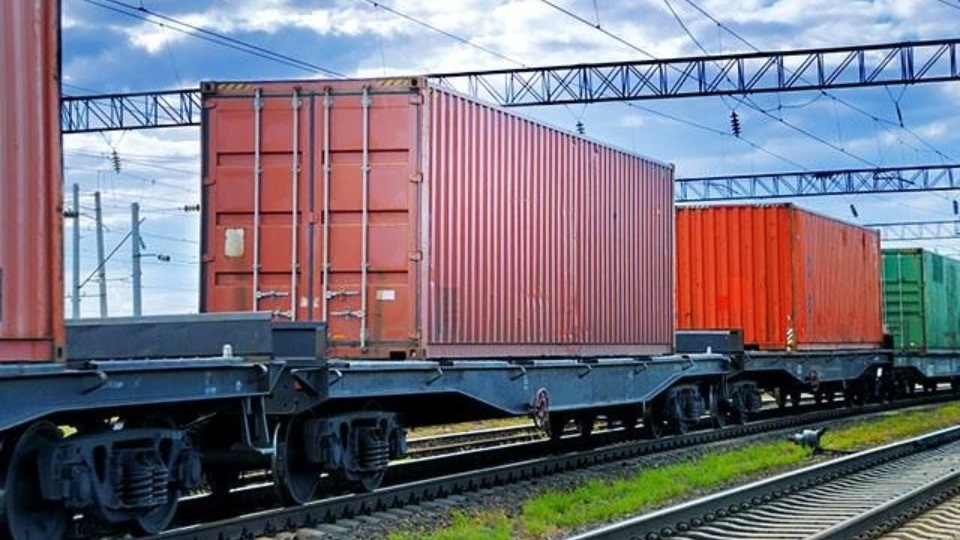
Avoiding customs clearance failures protects businesses from unnecessary costs and supply chain interruptions. Consequently, shipments move through border checkpoints more efficiently while maintaining predictable delivery schedules.
Furthermore, customs compliance improves customer satisfaction by reducing unexpected delays and helping businesses meet contractual delivery commitments.
Common Reasons For Customs Clearance Failure
| Cause | Potential Impact |
|---|---|
| Incorrect HS Code | Customs review or reclassification |
| Missing Documents | Clearance delays |
| Inaccurate Cargo Description | Additional inspection |
| Product Compliance Issues | Shipment hold |
| Invoice Value Discrepancies | Customs valuation review |
Business Benefits Of Proper Customs Preparation
| Benefit | Business Value |
|---|---|
| Faster Clearance | Shorter border waiting time |
| Lower Storage Costs | Reduced demurrage and handling fees |
| Better Supply Chain Planning | Predictable delivery schedules |
| Lower Compliance Risks | Fewer customs penalties |
| Improved Customer Confidence | Reliable international delivery |
Therefore, proper customs planning should begin long before the cargo reaches the border.
How Can You Avoid Customs Clearance Failure During Rail Shipping?
Businesses can prevent many customs issues by preparing documentation carefully and verifying shipment information before transportation begins. Moreover, early communication with logistics providers reduces the risk of last-minute corrections.
Prepare Accurate Shipping Documents
Before shipping, confirm the following:
- Commercial Invoice
- Packing List
- Rail Waybill
- Certificate of Origin (if required)
- Import or Export Licenses
- Product Compliance Certificates
Furthermore, all documents should contain consistent product descriptions, quantities, and values.
Standard Customs Preparation Process
| Step | Purpose |
|---|---|
| Review Cargo Information | Verify shipment details |
| Confirm HS Codes | Ensure correct classification |
| Check Required Certificates | Meet destination regulations |
| Verify Commercial Documents | Avoid inconsistencies |
| Submit Customs Information | Prepare for border clearance |
Consequently, businesses reduce the likelihood of additional customs inquiries.
What Are The Most Common Customs Clearance Mistakes?
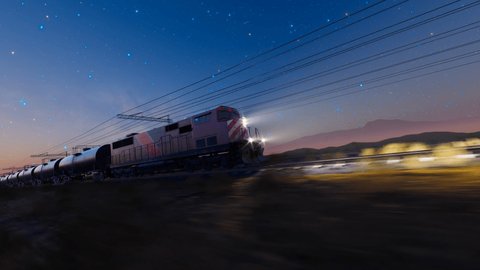
Many customs delays occur because small administrative errors are overlooked. However, correcting these issues after cargo reaches the border often results in higher costs and longer delays.
Frequent Documentation Errors
| Mistake | Recommended Solution |
|---|---|
| Incorrect Product Description | Use clear commercial descriptions |
| Missing Invoice Information | Double-check before shipping |
| Wrong HS Classification | Consult customs experts |
| Incomplete Packing List | Verify quantities and packaging |
| Expired Certificates | Update compliance documents |
Operational Mistakes
Additionally, businesses should avoid:
- Declaring inaccurate cargo values.
- Using inconsistent product names.
- Submitting incomplete customs paperwork.
- Ignoring destination import regulations.
Therefore, implementing an internal document review process significantly improves customs compliance.
How Does A Professional Logistics Partner Improve Customs Success?
Working with an experienced rail freight provider helps businesses navigate complex customs regulations more efficiently. Furthermore, professional logistics teams monitor regulatory updates and coordinate directly with customs authorities when required.
Services That Support Faster Customs Clearance
| Service | Benefit |
|---|---|
| Customs Brokerage | Professional declaration support |
| HS Code Assistance | Accurate classification |
| Documentation Review | Fewer paperwork errors |
| Shipment Tracking | Better visibility |
| Door-to-Door Logistics | Coordinated transportation |
Additional Value From Experienced Providers
Moreover, experienced logistics companies can:
- Recommend the best customs procedures.
- Prepare destination-specific documentation.
- Coordinate inspections if required.
- Resolve customs inquiries promptly.
As a result, businesses experience fewer shipment interruptions and more reliable delivery performance.
Real-World Cases Of Avoiding Customs Clearance Failure In Rail Shipping
🚆 Preventing Border Delays For Industrial Machinery
| 📌 Item | Details |
|---|---|
| 📍 Origin & Destination | Chengdu Rail Terminal → Manufacturing Plant in Poland |
| 📦 Cargo | Industrial Machinery Components |
| ⏱ Transit Time | 21 Days |
| 💰 Estimated Cost | USD 8,400 |
| 🚆 Transportation Method | Rail Freight + Customs Brokerage + Factory Delivery |
| 🛃 Customs Clearance | HS codes verified before export declaration |
| 📝 Overview | The exporter requested a pre-shipment customs document review to eliminate classification risks before rail departure. |
| ✅ Result | Cargo cleared smoothly without additional inspections or storage charges. |
📦 Improving Customs Compliance For Multi-Supplier Shipments
| 📌 Item | Details |
|---|---|
| 📍 Origin & Destination | Consolidation Warehouse → European Distribution Center |
| 📦 Cargo | Consumer Electronics |
| ⏱ Transit Time | 19 Days |
| 💰 Estimated Cost | USD 5,700 |
| 🚆 Transportation Method | LCL Rail Freight + Customs Clearance + Warehouse Delivery |
| 🛃 Customs Clearance | Consolidated declarations reviewed before departure |
| 📝 Overview | Products from multiple suppliers were consolidated into one shipment, requiring consistent documentation across all exporters. |
| ✅ Result | Customs clearance was completed without document discrepancies, keeping inventory replenishment on schedule. |
🚪 Supporting Door-To-Door Project Cargo Delivery
| 📌 Item | Details |
|---|---|
| 📍 Origin & Destination | China Manufacturing Facility → Infrastructure Project Site in Central Asia |
| 📦 Cargo | Construction Equipment |
| ⏱ Transit Time | 18 Days |
| 💰 Estimated Cost | USD 7,200 |
| 🚆 Transportation Method | Rail Freight + Border Clearance + Local Trucking |
| 🛃 Customs Clearance | Import permits prepared before border arrival |
| 📝 Overview | The customer required uninterrupted equipment delivery to meet strict construction deadlines. |
| ✅ Result | Cargo passed customs without delays and arrived according to the project schedule. |
How Should You Choose A Rail Freight Customs Partner?
Choosing the right logistics provider is just as important as preparing accurate documents. Therefore, businesses should evaluate customs expertise in addition to transportation capabilities.
Key Evaluation Criteria
| Capability | Business Advantage |
|---|---|
| Customs Brokerage Experience | Faster issue resolution |
| International Rail Network | Better route flexibility |
| Documentation Support | Improved compliance |
| Shipment Tracking | Real-time visibility |
| Door-to-Door Service | Simplified logistics |
Questions To Ask Before Booking
Before selecting a logistics provider, consider asking:
- Do you specialize in rail freight customs clearance?
- Can you review customs documents before shipment?
- Do you provide customs brokerage services?
- Can you coordinate inspections if required?
- Do you offer integrated door-to-door logistics?
Consequently, partnering with an experienced provider reduces customs risks while improving transportation efficiency.
Conclusion
Avoid customs clearance failure rail shipping begins with preparation rather than problem-solving. Accurate documentation, correct HS code classification, and compliance with destination import regulations all contribute to faster border clearance and more reliable international transportation.
Moreover, customs success depends on effective coordination between exporters, customs brokers, railway operators, and final delivery partners. By working with an experienced logistics provider and reviewing shipment details before departure, businesses can reduce unnecessary delays, avoid additional costs, and maintain a stable supply chain. Ultimately, proactive customs planning is one of the most effective ways to ensure that rail shipments arrive on time and support long-term international trade growth.
🤝 Looking For Reliable Customs Support?
Our experienced logistics specialists can review your documents, optimize your customs process, and provide end-to-end rail freight solutions tailored to your shipment.
FAQs
1. What is the best way to avoid customs clearance failure in rail shipping?
Prepare accurate shipping documents, verify HS codes, comply with destination regulations, and work with an experienced customs broker before your shipment departs.
2. Why do rail freight shipments fail customs clearance?
Common reasons include incorrect documentation, inaccurate cargo descriptions, missing certificates, valuation discrepancies, and product compliance issues.
3. Can a freight forwarder help prevent customs delays?
Yes. Professional freight forwarders review documents, provide customs brokerage, coordinate inspections, and help ensure compliance with import and export regulations.
4. What documents are required for rail freight customs clearance?
Typical documents include a commercial invoice, packing list, rail waybill, certificate of origin, import licenses, and product compliance certificates when applicable.
5. How do I choose a customs clearance partner for rail shipping?
Look for a provider with customs brokerage expertise, international rail freight experience, documentation support, shipment tracking, and integrated door-to-door logistics services.