

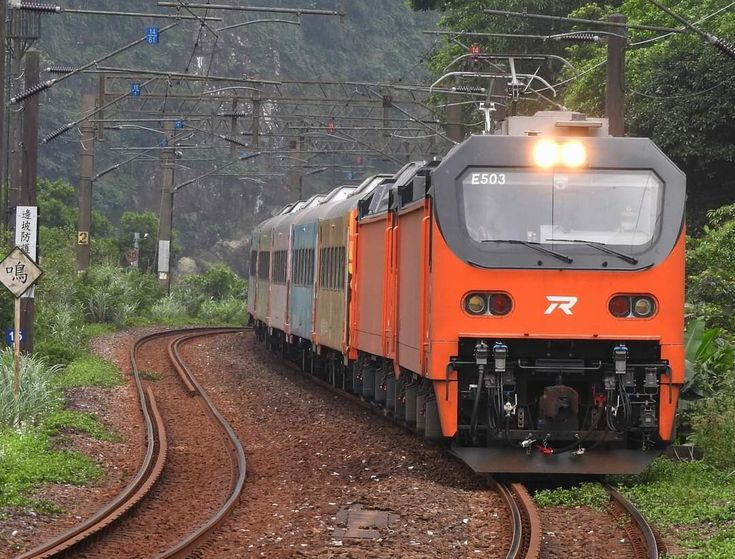
- By Jaxin
- August 3, 2026
- Amazon FBA
Introduction
Rail freight for B2B wholesale importers has become one of the most practical logistics solutions for companies purchasing goods in bulk from China and other Asian manufacturing hubs. Wholesale businesses need predictable transportation, competitive freight costs, and stable delivery schedules to maintain inventory levels and meet customer demand. While air freight often exceeds budget and ocean freight may require longer transit times, rail freight offers a balanced alternative.
However, selecting the right logistics solution involves more than choosing a transportation mode. Importers must also manage customs clearance, supplier coordination, warehouse delivery, and inventory planning. Therefore, partnering with an experienced rail freight provider can help reduce operational risks while improving supply chain efficiency.
Moreover, modern rail freight networks connect manufacturers, inland terminals, ports, bonded warehouses, and distribution centers across Asia and Europe. This guide explains why rail freight is an excellent choice for wholesale importers, how the shipping process works, and how businesses can optimize costs while maintaining reliable deliveries.

Why Choose Rail Freight For B2B Wholesale Importers?
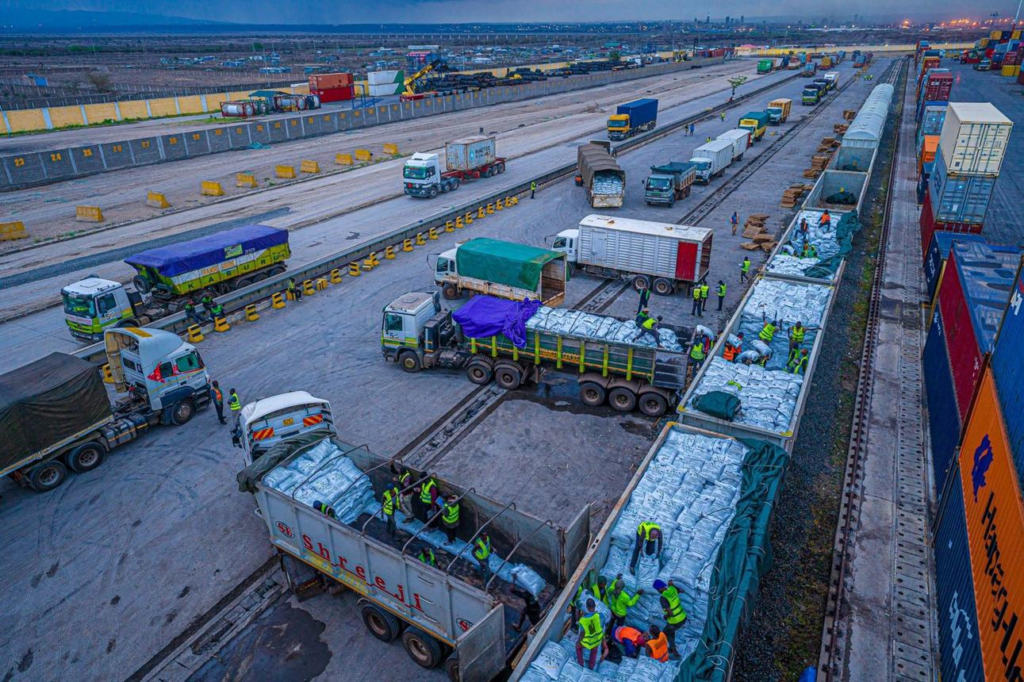
Rail freight for B2B wholesale importers provides an ideal balance between shipping cost and delivery speed. Consequently, businesses can replenish inventory faster than ocean freight while spending significantly less than air freight.
Furthermore, scheduled rail departures improve purchasing plans and help wholesalers maintain consistent stock levels throughout the year.
Key Benefits
| Benefit | Business Value |
|---|---|
| Competitive Freight Costs | Better purchasing margins |
| Faster Transit Than Ocean | Shorter replenishment cycles |
| Stable Rail Schedules | Improved inventory planning |
| Lower Carbon Emissions | Sustainable transportation |
| Flexible Shipping Options | FCL and LCL available |
Best Applications
Rail freight is suitable for:
- Wholesale inventory replenishment
- Regular supplier shipments
- Seasonal stock preparation
- Multi-supplier consolidation
- Cross-border distribution
Therefore, many wholesale importers use rail freight as their primary transportation method for medium-urgency shipments.
How Does Rail Freight For B2B Wholesale Importers Work?
An efficient rail freight solution combines cargo collection, customs clearance, international transportation, and final delivery into one coordinated process. Moreover, integrated logistics services reduce communication between multiple suppliers and transport providers.
Standard Shipping Process
- Supplier pickup
- Cargo inspection
- Container loading
- Export customs clearance
- International rail transportation
- Import customs clearance
- Warehouse or distribution center delivery
Transportation Workflow
| Stage | Description |
|---|---|
| Cargo Collection | Pickup from supplier or factory |
| Consolidation | Combine cargo if required |
| Rail Transportation | Cross-border railway service |
| Customs Clearance | Export and import processing |
| Final Delivery | Warehouse or customer location |
Furthermore, shipment tracking throughout the journey improves visibility and planning.
Consequently, wholesale businesses can better manage purchasing schedules and inventory turnover.
What Shipping Options Are Best For Wholesale Importers?
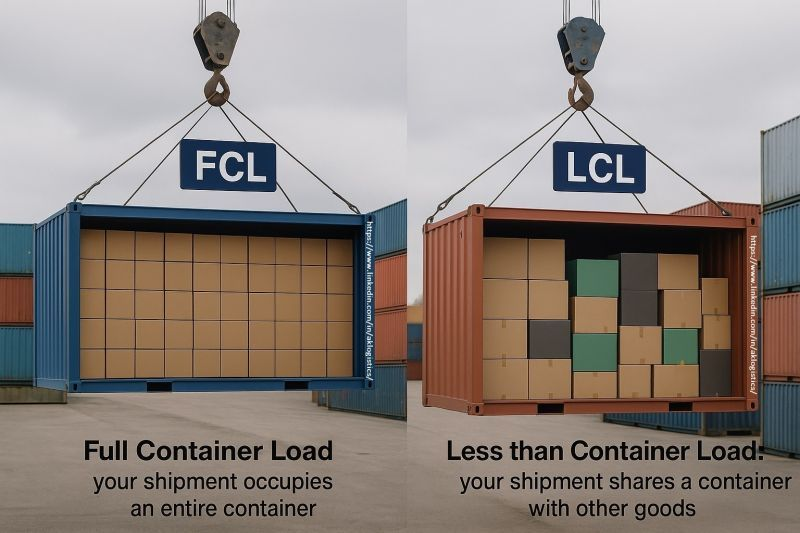
Wholesale businesses often have different shipping requirements depending on order size and delivery urgency. Therefore, selecting the right service improves both transportation efficiency and operating costs.
Common Rail Freight Solutions
| Service | Best For |
|---|---|
| FCL Rail Freight | Large wholesale orders |
| LCL Rail Freight | Small and medium shipments |
| Door-to-Door Delivery | Simplified logistics |
| DDP Shipping | Easy customs management |
| Bonded Warehouse Services | Flexible inventory control |
Choosing The Right Service
Additionally, businesses should consider:
- Order volume
- Product type
- Delivery frequency
- Warehouse capacity
- Customer demand forecasts
As a result, choosing the right transportation model helps reduce logistics costs while maintaining inventory availability.
How Can Wholesale Importers Reduce Rail Freight Costs?
Reducing transportation costs requires careful planning rather than simply selecting the lowest freight rate. Moreover, optimizing shipments can improve both operational efficiency and profitability.
Cost Reduction Strategies
| Strategy | Benefit |
|---|---|
| Consolidate Shipments | Lower transportation cost |
| Optimize Container Loading | Better space utilization |
| Schedule Regular Shipments | Stable freight planning |
| Use Bonded Warehouses | Reduce inventory pressure |
| Book Early | Better capacity availability |
Additional Recommendations
Furthermore, businesses should:
- Forecast inventory requirements.
- Coordinate multiple suppliers.
- Avoid emergency shipments.
- Review freight quotations regularly.
Therefore, long-term logistics planning often generates greater savings than short-term freight rate negotiations.
Real-World Rail Freight For B2B Wholesale Importers Cases
🏭 Supplying A National Wholesale Distribution Network
| 📌 Item | Details |
|---|---|
| 📍 Origin & Destination | Manufacturing Cluster → National Distribution Warehouse |
| 📦 Cargo | Consumer Electronics |
| ⏱ Transit Time | 19 Days |
| 💰 Estimated Cost | USD 6,300 |
| 🚆 Transportation Method | FCL Rail Freight + Warehouse Delivery |
| 🛃 Customs Clearance | Commercial documents verified before departure |
| 📝 Overview | A wholesale distributor needed consistent inventory replenishment for multiple regional customers without relying on expensive air freight. |
| ✅ Result | Inventory remained stable while transportation costs were significantly reduced. |
📦 Consolidating Products From Multiple Manufacturing Partners
| 📌 Item | Details |
|---|---|
| 📍 Origin & Destination | Multiple Supplier Warehouses → Central Import Warehouse |
| 📦 Cargo | Home Improvement Products |
| ⏱ Transit Time | 20 Days |
| 💰 Estimated Cost | USD 5,100 |
| 🚆 Transportation Method | LCL Rail Freight Consolidation |
| 🛃 Customs Clearance | Consolidated export documentation prepared before loading |
| 📝 Overview | A wholesaler combined shipments from several manufacturers into one rail container to reduce transportation expenses. |
| ✅ Result | Lower shipping costs and simplified supplier management. |
🚪 Door-To-Door Delivery For Retail Chain Replenishment
| 📌 Item | Details |
|---|---|
| 📍 Origin & Destination | Factory Warehouse → Regional Retail Distribution Center |
| 📦 Cargo | Household Appliances |
| ⏱ Transit Time | 18 Days |
| 💰 Estimated Cost | USD 7,400 |
| 🚆 Transportation Method | Rail Freight + Local Truck Delivery |
| 🛃 Customs Clearance | Import declaration completed before arrival |
| 📝 Overview | A wholesale supplier required direct delivery to a regional distribution center serving multiple retail stores. |
| ✅ Result | Faster stock replenishment and improved distribution efficiency. |
How To Choose The Right Rail Freight Partner For Wholesale Imports?
Choosing the right logistics partner affects transportation reliability, customs efficiency, and long-term operating costs. Therefore, businesses should evaluate service quality as carefully as freight rates.
What To Look For
| Capability | Benefit |
|---|---|
| International Rail Expertise | Better route planning |
| Customs Brokerage | Faster clearance |
| Warehouse Services | Flexible inventory management |
| Door-to-Door Delivery | Simplified supply chain |
| Real-Time Tracking | Shipment visibility |
Questions To Ask Before Booking
Before choosing a provider, ask:
- Do you specialize in rail freight for B2B wholesale importers?
- Can you consolidate cargo from multiple suppliers?
- Do you offer customs brokerage services?
- Is door-to-door delivery available?
- Can you provide real-time shipment tracking?
Consequently, selecting an experienced logistics partner helps reduce transportation risks while supporting business growth.
Conclusion
Rail freight for B2B wholesale importers offers a practical combination of affordability, reliability, and predictable transit times, making it an excellent solution for businesses sourcing products from Asia. By integrating rail transportation with customs brokerage, warehouse services, and final delivery, wholesalers can improve inventory management while keeping logistics costs under control.
Moreover, working with an experienced freight forwarder helps streamline supplier coordination, optimize shipping schedules, and reduce operational risks across the supply chain. Whether you import consumer goods, industrial equipment, or retail inventory, a well-planned rail freight strategy can strengthen your purchasing operations and support sustainable business growth.
🤝 Ready To Improve Your Wholesale Logistics?
From supplier pickup and customs clearance to warehouse delivery, our logistics experts can build a rail freight solution tailored to your business needs.
FAQs
1. Is rail freight suitable for B2B wholesale importers?
Yes. Rail freight is ideal for wholesale shipments because it offers competitive costs, predictable transit times, and flexible options for both FCL and LCL cargo.
2. What products are commonly shipped by rail?
Consumer goods, machinery, home improvement products, electronics, textiles, furniture, automotive parts, and industrial equipment are frequently transported by rail.
3. Can rail freight include customs clearance?
Yes. Many logistics providers offer integrated customs brokerage, documentation support, and door-to-door delivery as part of their rail freight services.
4. Is FCL or LCL better for wholesale imports?
FCL is generally more economical for large-volume shipments, while LCL is suitable for smaller orders or cargo consolidated from multiple suppliers.
5. How do I choose a rail freight provider for wholesale imports?
Choose a provider with international rail freight experience, customs expertise, warehouse capabilities, shipment tracking, and integrated door-to-door logistics services.