


Introduction
Avoid customs document mistakes in rail freight shipping by implementing a structured documentation process before cargo departs. Although rail freight offers reliable transit times and cost-effective international transportation, documentation errors remain one of the leading causes of customs delays, cargo inspections, and unexpected storage charges.
Moreover, even minor inaccuracies can trigger additional reviews by customs authorities. Therefore, importers and exporters must pay close attention to every document submitted with a shipment. This guide explains the most common documentation mistakes and provides practical strategies to improve customs compliance and maintain smooth cargo movement.

Why Should Businesses Avoid Customs Document Mistakes in Rail Freight Shipping?
Customs authorities rely on shipping documents to verify cargo information, determine duties, and assess compliance requirements. Therefore, errors in documentation can quickly disrupt the clearance process.
Common Consequences of Documentation Errors
| Documentation Issue | Potential Impact |
|---|---|
| Incorrect HS Code | Customs inspection |
| Missing Information | Clearance delays |
| Value Discrepancies | Additional review |
| Incomplete Product Description | Cargo hold |
Furthermore, customs officials may request additional supporting documents if shipment information appears inconsistent.
Business Risks
Companies may experience:
- Increased storage charges
- Delivery delays
- Customer dissatisfaction
- Additional administrative costs
- Supply chain disruptions
Consequently, accurate documentation becomes a critical part of successful rail freight operations.
How Can Businesses Avoid Customs Document Mistakes Before Shipment Departure?
The most effective approach is to identify and correct potential issues before cargo begins its journey.
Essential Document Review Checklist
| Document | Verification Requirement |
|---|---|
| Commercial Invoice | Accurate values and descriptions |
| Packing List | Correct quantities and weights |
| Certificate of Origin | Consistent origin information |
| Import Licenses | Valid and up to date |
| Shipping Documents | Matching shipment details |
Pre-Shipment Verification Steps
Before departure, businesses should:
- Confirm product descriptions
- Verify cargo quantities
- Review declared values
- Check destination requirements
- Validate customs classifications
Additionally, conducting internal reviews reduces the likelihood of last-minute corrections.
As a result, shipments are more likely to pass customs processing without unnecessary interruptions.
What Are the Most Common Customs Documentation Errors in Rail Freight?
Many customs problems originate from avoidable administrative mistakes. Therefore, understanding frequent errors helps businesses improve compliance.
Typical Documentation Mistakes
| Error Type | Example |
|---|---|
| HS Code Errors | Incorrect tariff classification |
| Product Description Issues | Vague cargo descriptions |
| Value Declaration Errors | Understated shipment value |
| Quantity Mismatches | Packing list inconsistencies |
Why These Errors Occur
Several factors contribute to documentation mistakes:
- Manual data entry
- Outdated product information
- Incomplete supplier records
- Regulatory changes
- Lack of customs expertise
Furthermore, using inconsistent information across documents often triggers customs inquiries.
Therefore, businesses should establish standardized documentation procedures.
Avoid Customs Document Mistakes in Rail Freight Shipping Case Study
Project Card
Origin:
Chongqing, China → Duisburg, Germany
Cargo:
Industrial electrical components and automation accessories
Transit Time:
18 Days Rail Transit
Cost:
Reduced storage and correction expenses through proactive documentation management
Transportation Method:
China-Europe Railway Freight
Customs Clearance:
Pre-shipment document audit, HS code verification, and declaration review
Overview:
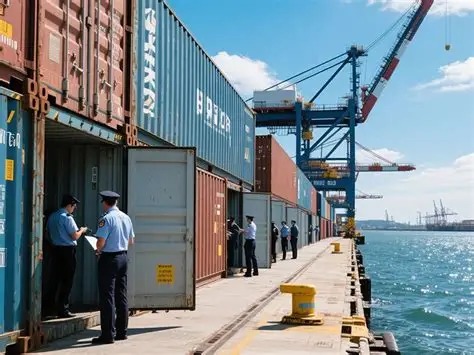
An importer experienced repeated customs delays because product descriptions differed between commercial invoices and packing lists. The inconsistencies triggered additional customs reviews and increased storage costs.
How Can Technology Help Reduce Customs Documentation Errors?
Digital tools can improve document accuracy and reduce manual processing mistakes. Therefore, many importers and exporters are investing in automation solutions.
Technology Solutions
| Solution | Benefit |
|---|---|
| Document Management Systems | Centralized records |
| Automated Validation Tools | Error detection |
| Digital Classification Databases | Accurate HS codes |
| Compliance Monitoring Platforms | Regulatory updates |
Operational Advantages
Technology helps businesses:
- Standardize documentation
- Reduce manual entry errors
- Improve data consistency
- Accelerate document preparation
Moreover, automated verification processes can identify discrepancies before customs authorities do.
Consequently, companies can improve both compliance and operational efficiency.
What Best Practices Improve Customs Compliance for Rail Freight Shipments?
Long-term compliance requires more than correcting individual mistakes. Therefore, businesses should develop a systematic approach to customs management.
Recommended Compliance Practices
| Best Practice | Benefit |
|---|---|
| Regular Document Audits | Improved accuracy |
| Staff Training | Better compliance awareness |
| Regulatory Monitoring | Faster adaptation |
| Broker Collaboration | Expert guidance |
Building a Reliable Process
To strengthen customs performance:
- Create documentation templates
- Maintain updated product databases
- Review shipment records regularly
- Work with experienced customs specialists
- Establish approval procedures before shipment release
Therefore, businesses can significantly reduce documentation-related disruptions and maintain reliable cargo flows.
Conclusion
To avoid customs document mistakes in rail freight shipping, businesses must focus on document accuracy, compliance reviews, and proactive verification processes. Moreover, early preparation helps reduce customs delays, storage costs, and shipment disruptions.
By implementing standardized documentation procedures, leveraging technology, and working with experienced customs professionals, importers and exporters can improve clearance efficiency and strengthen overall supply chain performance.
Need a quote?
📞 Ready to get started? Contact us now to request a free shipping quote.
FAQs
1. What is the most common customs documentation mistake?
Incorrect HS code classification is one of the most frequent issues because it affects duties, compliance requirements, and customs processing procedures.
2. Why do documentation errors cause customs delays?
Customs authorities must verify shipment information. Therefore, inconsistencies often trigger additional reviews, inspections, or requests for supporting documents.
3. How can businesses reduce customs document errors?
Implementing document audits, standardizing records, training staff, and using automated verification tools can significantly improve accuracy.
4. Should shipping documents be reviewed before cargo departure?
Yes. Pre-shipment reviews help identify compliance issues early and reduce the risk of delays at customs checkpoints.
5. Can technology improve customs compliance?
Absolutely. Digital document management systems and automated validation tools help reduce manual errors and improve data consistency.