

Introduction
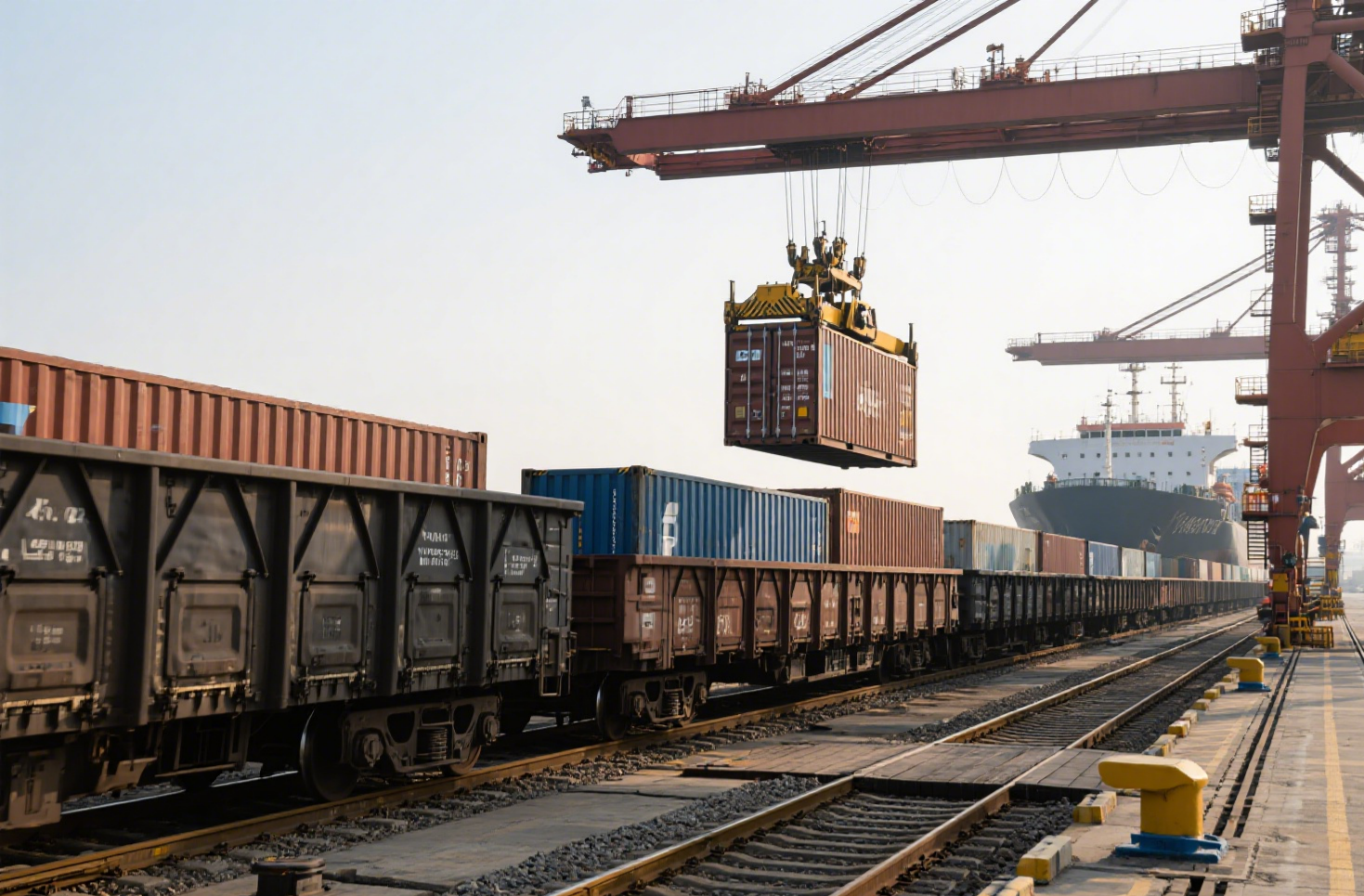
Customs brokerage for cross border railway freight shipments is a vital service for importers and exporters moving cargo through international rail corridors. While rail freight offers reliable transit times and cost-effective transportation, customs procedures at border crossings can still create significant challenges if documentation or compliance requirements are not properly managed.
Furthermore, a single customs issue may delay an entire shipment, increase storage expenses, and disrupt supply chain planning. Therefore, businesses using international railway freight services often rely on customs brokers to ensure cargo moves smoothly across multiple jurisdictions. This guide explains how customs brokerage services help companies minimize border risks and improve shipment efficiency.

Why Is Customs Brokerage for Cross Border Railway Freight Shipments Important?
Cross-border rail transportation involves multiple customs authorities, regulatory requirements, and import procedures. Therefore, compliance management is just as important as transportation planning.
Without proper customs support, companies may encounter:
- Border clearance delays
- Cargo inspections
- Incorrect tariff classifications
- Additional storage fees
- Documentation rejections
Common Customs Risks
| Risk | Potential Impact |
|---|---|
| Incorrect HS Codes | Shipment delays |
| Missing Documentation | Border hold |
| Valuation Errors | Customs review |
| Regulatory Non-Compliance | Additional inspections |
Moreover, customs regulations can vary significantly between countries. As a result, professional brokerage services help businesses navigate complex requirements more effectively.
How Can Customs Brokerage Improve Border Crossing Efficiency?
Efficient border processing starts long before cargo reaches a customs checkpoint. Therefore, preparation and document verification are essential.
Key Brokerage Services
| Service | Benefit |
|---|---|
| HS Code Verification | Accurate classification |
| Import Declaration Preparation | Faster customs review |
| Compliance Checks | Reduced regulatory risk |
| Document Validation | Fewer processing errors |
Furthermore, customs brokers monitor shipment information throughout the transportation process.
Best Practices Before Cargo Arrival
Businesses should:
- Verify product classifications
- Review commercial invoices
- Confirm import permits
- Check destination regulations
- Prepare supporting certificates
Consequently, customs authorities can process shipments more efficiently once they arrive at border crossings.
What Documentation Is Required for Cross-Border Railway Freight?
Documentation accuracy directly affects clearance performance. Therefore, companies should establish a document review process before shipping.
Core Customs Documents
| Document | Purpose |
|---|---|
| Commercial Invoice | Declares shipment value |
| Packing List | Provides cargo details |
| Certificate of Origin | Identifies product origin |
| Import Permit | Required for regulated products |
| Transport Documents | Confirms cargo movement |
Additional Supporting Documents
Depending on cargo type, customs authorities may request:
- Product certifications
- Safety compliance documents
- Technical specifications
- Inspection certificates
Additionally, maintaining consistent information across all documents helps reduce customs questions and clearance delays.
Customs Brokerage for Cross Border Railway Freight Shipments Case Study
Project Card
Origin:
Xi’an, China → Warsaw, Poland
Cargo:
Commercial electrical equipment and industrial spare parts
Transit Time:
17 Days Rail Transit
Cost:
Reduced storage expenses through proactive customs preparation
Transportation Method:
China-Europe Railway Freight
Customs Clearance:
Advance declaration support, HS code verification, and border compliance review
Overview:
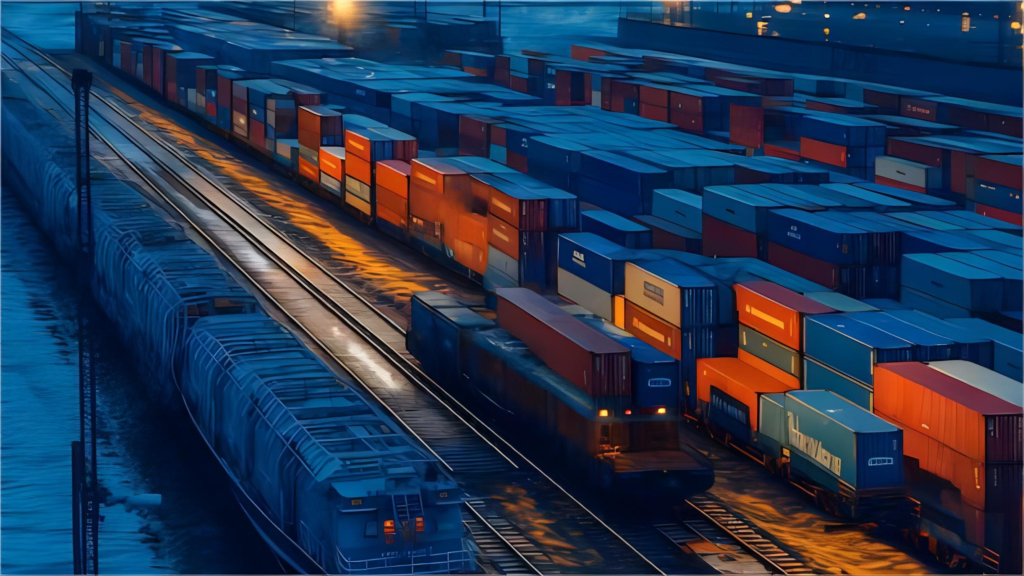
An importer experienced recurring border delays caused by inconsistent product descriptions and customs classification issues. The company needed a more structured customs process to improve delivery reliability.
How Can Customs Brokerage Reduce Compliance Risks for Railway Freight?
Regulatory compliance is one of the most common challenges in international rail transportation. Therefore, businesses must continuously monitor changing import requirements.
Common Compliance Issues
| Compliance Issue | Possible Consequence |
|---|---|
| Incorrect Product Description | Customs inspection |
| Missing Certifications | Cargo hold |
| Inaccurate Valuation | Duty reassessment |
| Regulatory Updates | Clearance delays |
Moreover, some industries face stricter compliance requirements than others.
Risk Reduction Strategies
To improve compliance performance:
- Maintain updated product data
- Review regulatory changes regularly
- Work with experienced customs specialists
- Prepare supporting documents early
- Conduct pre-shipment audits
As a result, businesses can reduce disruptions and maintain consistent supply chain performance.
How Should Companies Choose a Customs Broker for Railway Freight Shipments?
Not all customs brokers have experience with international railway cargo. Therefore, businesses should evaluate providers based on expertise and operational capabilities.
Important Selection Criteria
| Factor | Why It Matters |
|---|---|
| Railway Freight Experience | Better border coordination |
| Customs Knowledge | Improved compliance accuracy |
| Industry Expertise | Cargo-specific support |
| Communication Efficiency | Faster problem resolution |
| Regulatory Monitoring | Better risk management |
Questions to Ask Potential Brokers
Before selecting a provider, companies should ask:
- Do you specialize in cross-border rail freight?
- Can you provide HS code verification?
- How do you handle customs inspections?
- Do you support advance declarations?
- Can you coordinate across multiple border crossings?
Therefore, choosing an experienced customs broker often improves clearance efficiency and shipment reliability.
Conclusion
Customs brokerage for cross border railway freight shipments helps businesses manage compliance requirements, accelerate border clearance, and reduce costly delays. Moreover, professional brokerage services improve documentation accuracy and support smoother cargo movement across international rail corridors.
By preparing customs documentation early, monitoring regulatory requirements, and partnering with experienced customs specialists, companies can strengthen supply chain reliability and minimize border-related risks.
Need a quote?
📞 Need expert support for cross-border railway freight clearance? Contact us now to request a free shipping quote.
FAQs
1. What does a customs broker do for railway freight shipments?
A customs broker prepares declarations, verifies documentation, manages compliance requirements, and helps facilitate cargo clearance at border crossings.
2. Why are customs services important for cross-border rail freight?
Customs services help reduce delays, improve compliance accuracy, and ensure cargo meets import and export regulations.
3. What documents are required for railway freight customs clearance?
Typical documents include a commercial invoice, packing list, certificate of origin, transport documents, and any required permits or certifications.
4. Can customs brokerage reduce border delays?
Yes. Advance document preparation, compliance reviews, and accurate customs declarations can significantly improve border processing efficiency.
5. How do customs brokers help manage compliance risks?
They review classifications, verify documentation, monitor regulations, and identify potential compliance issues before cargo reaches customs checkpoints.