

- By Jaxin
- July 16, 2026
- Amazon FBA
Introduction
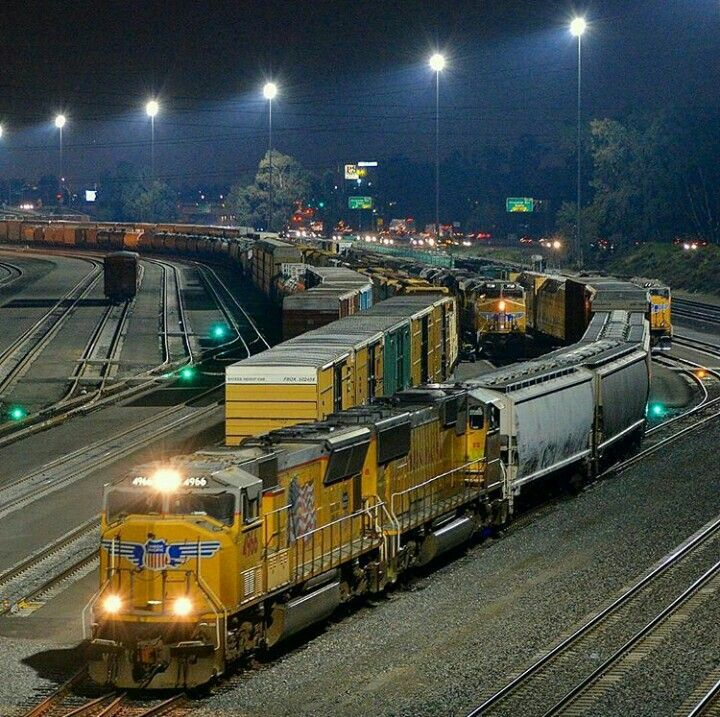
Customs clearance service for commercial rail cargo imports plays a critical role in ensuring international shipments move smoothly from rail terminals to final destinations. However, importers often face challenges such as incomplete documentation, incorrect HS codes, customs inspections, and regulatory changes that can delay cargo release.
Moreover, even when rail transportation operates on schedule, customs issues can create unexpected storage charges and supply chain disruptions. Therefore, businesses importing goods through international rail corridors need a structured customs strategy to maintain delivery reliability. This article explores how professional customs clearance services help commercial rail cargo importers reduce risks, improve compliance, and accelerate cargo release.

Why Is Customs Clearance Service for Commercial Rail Cargo Imports Essential for Importers?
Many import delays occur not because of transportation problems but because of customs compliance issues. Therefore, importers must prepare documentation accurately before cargo reaches the destination terminal.
Common rail cargo imports include:
- Industrial equipment
- Consumer goods
- Building materials
- Automotive components
- Electronics products
- Retail merchandise
Common Causes of Customs Delays
| Issue | Potential Consequence |
|---|---|
| Incorrect HS Code | Cargo inspection |
| Missing Documents | Clearance delays |
| Value Declaration Errors | Additional customs review |
| Incomplete Import Licenses | Cargo hold |
Furthermore, customs authorities may request additional information when shipment details are inconsistent. As a result, importers should prioritize compliance before cargo arrival.
How Can Importers Prepare Documentation Before Rail Cargo Arrival?
Proper documentation preparation significantly reduces clearance risks. Therefore, businesses should review all shipment records before departure from the origin country.
Essential Import Documents
| Document | Purpose |
|---|---|
| Commercial Invoice | Declares cargo value |
| Packing List | Identifies cargo details |
| Certificate of Origin | Verifies product origin |
| Import License | Required for regulated goods |
| Transport Documents | Supports cargo movement records |
Documentation Best Practices
Importers should:
- Verify product descriptions
- Confirm HS classifications
- Review declared cargo values
- Check destination import requirements
- Prepare supporting compliance documents
Additionally, early document verification helps customs brokers identify potential issues before shipment arrival.
Consequently, businesses can reduce the likelihood of inspections and clearance delays.
What Customs Challenges Commonly Affect Commercial Rail Cargo Imports?
Import regulations vary across countries. Therefore, businesses must understand destination-specific compliance requirements.
Frequent Customs Issues
| Challenge | Impact |
|---|---|
| Product Misclassification | Delayed release |
| Missing Certifications | Additional review |
| Regulatory Changes | Unexpected compliance requirements |
| Customs Inspections | Longer processing times |
Furthermore, some products require additional approvals before importation.
High-Risk Cargo Categories
Examples include:
- Medical devices
- Electronics products
- Industrial machinery
- Chemical products
- Food-related goods
Therefore, importers should review compliance requirements before shipping to avoid costly disruptions.
Customs Clearance Service for Commercial Rail Cargo Imports Case Study
Project Card
Origin:
Chengdu, China → Hamburg, Germany
Cargo:
Industrial electrical components and commercial automation equipment
Transit Time:
19 Days Rail Transit
Cost:
Reduced storage and inspection-related expenses through advance compliance preparation
Transportation Method:
China-Europe Rail Freight
Customs Clearance:
Pre-arrival document review, HS code verification, and import declaration support
Overview:
A commercial importer experienced repeated customs delays due to inconsistent product classifications. The company needed a more reliable clearance process to support customer delivery commitments.
How Can Customs Clearance Services Reduce Storage Charges and Delivery Delays?
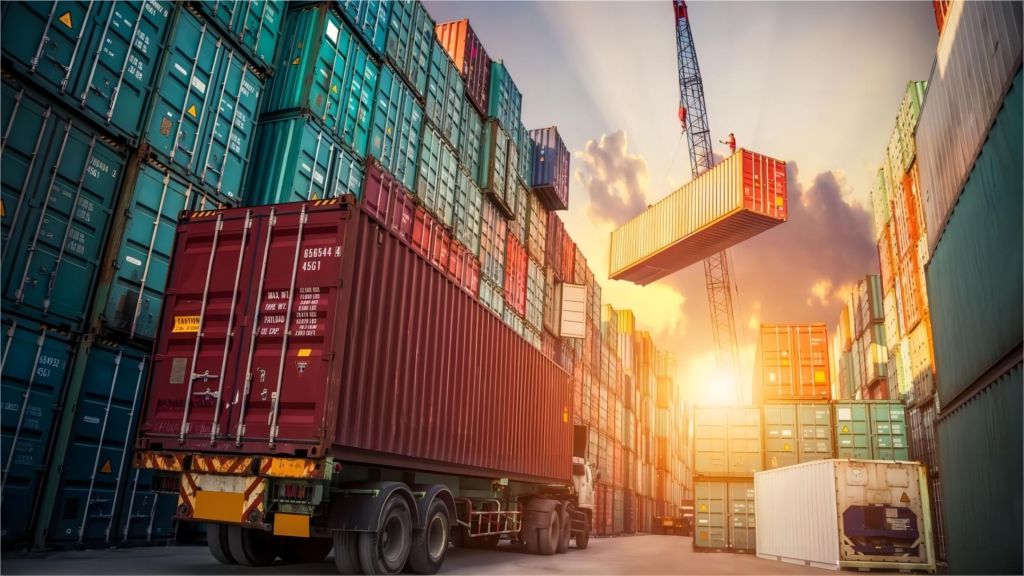
Storage charges can accumulate quickly when cargo remains at terminals awaiting customs approval. Therefore, proactive clearance planning is essential.
Cost Impact of Delayed Clearance
| Delay Duration | Potential Impact |
|---|---|
| 1–3 Days | Additional handling expenses |
| 4–7 Days | Storage charges increase |
| Over 7 Days | Supply chain disruptions |
Moreover, delays may affect customer commitments and inventory availability.
Strategies for Faster Cargo Release
- Submit documents before arrival
- Confirm product classifications early
- Monitor regulatory updates
- Maintain communication with customs brokers
- Prepare inspection-related documents in advance
As a result, businesses can minimize unnecessary costs and improve delivery reliability.
How Should Businesses Select a Customs Clearance Partner for Rail Cargo Imports?
Choosing an experienced customs service provider can significantly improve import efficiency. Therefore, businesses should evaluate potential partners carefully.
Key Selection Criteria
| Factor | Benefit |
|---|---|
| Customs Expertise | Improved compliance accuracy |
| Industry Experience | Better cargo understanding |
| Regulatory Knowledge | Faster issue resolution |
| Communication Capability | Improved shipment visibility |
| Rail Freight Experience | Better terminal coordination |
Questions to Ask a Provider
Before selecting a customs partner, businesses should ask:
- Do you handle commercial rail imports regularly?
- Can you support HS code verification?
- How do you manage customs inspections?
- Do you provide pre-arrival compliance reviews?
- Can you coordinate with rail terminals directly?
Therefore, working with a knowledgeable customs partner helps importers reduce compliance risks and maintain supply chain continuity.
Conclusion
A customs clearance service for commercial rail cargo imports is essential for businesses seeking reliable international supply chains. Moreover, it helps importers avoid documentation errors, reduce storage charges, and accelerate cargo release.
By preparing documentation early, verifying compliance requirements, and partnering with experienced customs specialists, businesses can improve import efficiency and reduce costly disruptions. Consequently, customs clearance becomes a strategic advantage rather than a potential bottleneck in rail freight operations.
Need a quote?
📞 Need professional support for commercial rail cargo imports? Contact us now to request a free shipping quote.
FAQs
1. What documents are required for commercial rail cargo imports?
Most shipments require a commercial invoice, packing list, certificate of origin, transport documents, and any applicable import permits or certifications.
2. Why do customs delays occur during rail cargo imports?
Common causes include incorrect HS codes, missing documents, valuation issues, product certification problems, and customs inspections.
3. Can customs clearance services reduce storage charges?
Yes. Proper documentation review and pre-arrival preparation can help accelerate cargo release and reduce terminal storage costs.
4. How early should import documents be prepared?
Ideally, import documentation should be reviewed and verified before cargo departs the origin country to identify compliance issues early.
5. Are customs inspections common for rail cargo imports?
Inspections occur selectively based on cargo type, regulatory requirements, and customs risk assessments.