

- By Jaxin
- July 17, 2026
- Amazon FBA
Introduction
Bonded warehouse service for international rail freight cargo has become an increasingly valuable solution for importers seeking greater flexibility in customs management and inventory planning. After cargo arrives via international rail freight, businesses are not always ready to complete customs clearance immediately. Consequently, immediate duty payments can create unnecessary financial pressure.
Many importers face challenges such as fluctuating demand, delayed customer orders, and complex distribution schedules. Moreover, paying duties and taxes before inventory is needed can negatively affect cash flow.
Fortunately, bonded warehouse services provide a practical alternative. By storing cargo under customs supervision, businesses can postpone duty payments, improve inventory management, and distribute goods more efficiently. This guide explains how bonded warehouses support international rail freight operations and help companies optimize supply chain performance.

Why Bonded Warehouse Service for International Rail Freight Cargo Matters
A bonded warehouse allows imported goods to be stored before duties and taxes are paid. Therefore, businesses gain more flexibility in managing inventory and customs obligations.
Common advantages include:
| Benefit | Business Impact |
|---|---|
| Duty Deferral | Improved cash flow |
| Customs-Controlled Storage | Regulatory compliance |
| Flexible Distribution | Better inventory management |
| Consolidation Opportunities | Lower logistics costs |
| Re-Export Capability | Reduced duty exposure |
Furthermore, bonded warehouses are especially useful for importers handling large cargo volumes or seasonal inventory.
Instead of clearing all cargo immediately, businesses can release goods gradually based on demand. As a result, working capital can be utilized more efficiently.
How Bonded Warehouse Service Improves International Rail Freight Operations
Bonded warehouses provide more than temporary storage. In many cases, they improve the overall efficiency of rail freight supply chains.
Better Cash Flow Management
Duties and taxes are only paid when cargo leaves the bonded warehouse. Consequently, businesses can reduce upfront import costs.
Greater Inventory Flexibility
Importers can store products until customers are ready to receive them. Therefore, inventory decisions become more demand-driven.
Support for Multi-Country Distribution
Some bonded facilities support cargo redistribution to different destinations. Meanwhile, businesses can optimize regional supply chain strategies.
| Operational Area | Standard Storage | Bonded Warehouse |
|---|---|---|
| Duty Payment Timing | Immediate | Deferred |
| Customs Control | Limited | Full Compliance |
| Inventory Flexibility | Moderate | High |
| Cash Flow Efficiency | Lower | Higher |
| Re-Export Options | Restricted | Available |
Consequently, bonded warehousing often becomes a strategic logistics tool rather than simply a storage solution.
Which Services Are Included in Bonded Warehouse Service for International Rail Freight Cargo
Modern bonded warehouses typically provide a variety of logistics and customs-related services.
| Service | Purpose |
|---|---|
| Bonded Storage | Duty-free inventory holding |
| Customs Supervision | Regulatory compliance |
| Inventory Management | Stock visibility |
| Cargo Consolidation | Distribution optimization |
| Repacking and Labeling | Market preparation |
| Cross-Docking | Faster cargo movement |
| Re-Export Processing | International redistribution |
Customs Documentation Support
Many bonded facilities assist with customs paperwork and cargo release procedures. Therefore, importers can reduce administrative complexity.
Inventory Visibility
Warehouse management systems provide real-time inventory tracking. As a result, businesses gain better control over stock levels.
Distribution Preparation
Products can be sorted, labeled, and prepared for final delivery. Furthermore, this improves order fulfillment efficiency.
Case Study: Bonded Warehouse Service for International Rail Freight Cargo
🏭 Industrial Equipment Distribution in Germany
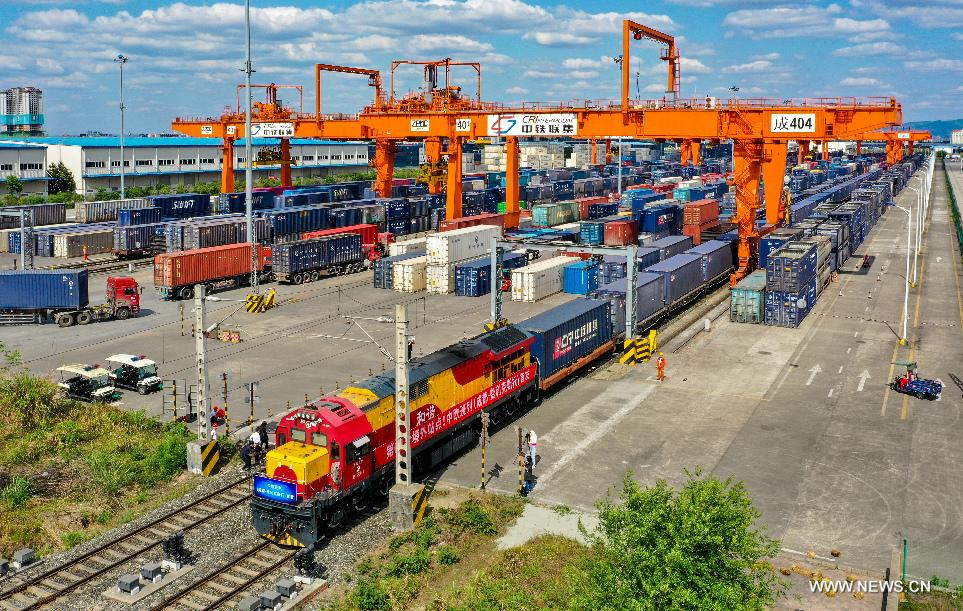
📍 Route: Chengdu, China → Hamburg, Germany
📦 Cargo: Industrial Machinery Components
⏱️ Transit Time: 17 Days Rail Transit + 12 Days Bonded Storage
💰 Cost Benefit: Deferred Import Duties for 12 Days
🚄 Mode: China-Europe Rail Freight
🛃 Bonded Warehouse Solution: Duty Deferral + Partial Cargo Release
✅ Outcome: Improved Cash Flow and Flexible Inventory Management
Overview:
The importer planned to distribute equipment to multiple customers over several weeks. Therefore, cargo was stored in a bonded warehouse after rail arrival. As a result, duties were paid only when inventory was released, improving cash flow management.
🖥️ Consumer Electronics Inventory Management in Belgium
📍 Route: Hefei, China → Antwerp, Belgium
📦 Cargo: Smart Home Devices
⏱️ Transit Time: 18 Days Rail Transit + 15 Days Bonded Storage
💰 Cost Benefit: Reduced Inventory Financing Pressure
🚄 Mode: Rail Freight + Regional Distribution
🛃 Bonded Warehouse Solution: Customs-Controlled Storage + Inventory Monitoring
✅ Outcome: Faster Order Fulfillment Across Benelux Markets
Overview:
The company imported seasonal inventory before peak demand. Consequently, bonded storage allowed inventory to remain under customs control until customer orders increased, reducing financial pressure.
☀️ Solar Components Supply Program for Italy
📍 Route: Wuhan, China → Milan, Italy
📦 Cargo: Solar Mounting Systems
⏱️ Transit Time: 19 Days Rail Transit + 10 Days Bonded Storage
💰 Cost Benefit: Delayed VAT and Duty Payments
🚄 Mode: Rail Freight + Truck Delivery
🛃 Bonded Warehouse Solution: Project-Based Cargo Release Schedule
✅ Outcome: Smoother Inventory Allocation Across Multiple Sites
Overview:
The importer managed several solar installation projects with different timelines. However, project schedules frequently changed. Therefore, bonded storage provided flexibility while avoiding immediate customs payments.
How to Choose the Right Bonded Warehouse Before Rail Freight Arrival
Selecting the appropriate bonded facility can significantly impact logistics performance.
Consider Warehouse Location
Facilities located near rail terminals often reduce inland transportation costs and transfer times.
Evaluate Customs Support Capabilities
The warehouse should provide experienced customs handling services. Consequently, cargo release procedures become more efficient.
Assess Inventory Management Systems
Modern bonded warehouses should offer:
- Real-time inventory visibility
- Digital reporting
- Cargo tracking
- Release management tools
Review Distribution Services
Many businesses require additional support such as:
- Order fulfillment
- Palletization
- Labeling
- Truck delivery coordination
| Selection Factor | Importance |
|---|---|
| Rail Terminal Proximity | High |
| Customs Expertise | High |
| Inventory Visibility | High |
| Distribution Services | High |
| Storage Capacity | Medium |
Ultimately, choosing the right facility improves both operational flexibility and customs efficiency.
What Risks Can Bonded Warehouse Service Reduce for Rail Freight Cargo
Bonded warehouses help businesses manage several common logistics risks.
Cash Flow Risks
Immediate duty payments can strain working capital. Therefore, duty deferral helps preserve financial flexibility.
Inventory Risks
Demand forecasts are not always accurate. Consequently, bonded storage allows inventory release based on actual market demand.
Distribution Risks
Customer delivery schedules frequently change. Meanwhile, bonded warehouses provide temporary inventory buffers.
| Risk Category | Potential Impact | Bonded Warehouse Solution |
|---|---|---|
| Cash Flow Pressure | Reduced Liquidity | Duty Deferral |
| Excess Inventory | Higher Costs | Flexible Release |
| Delivery Delays | Service Disruption | Inventory Buffer |
| Demand Volatility | Overstock Risk | Controlled Distribution |
| Customs Timing Issues | Clearance Delays | Supervised Storage |
As a result, bonded warehousing supports stronger supply chain resilience and better financial management.
How Bonded Warehouse Service Supports Long-Term Rail Freight Growth
As international rail freight volumes increase, businesses need more flexible logistics solutions. Bonded warehouses provide the ability to manage customs obligations, inventory levels, and customer demand simultaneously.
Moreover, bonded storage allows importers to react quickly to market changes without immediately committing to duty payments. Consequently, businesses gain greater control over inventory deployment and distribution strategies.
For companies operating across multiple countries, bonded warehouse services also support regional fulfillment and re-export opportunities. Therefore, they can become a valuable component of long-term international logistics planning.
Conclusion
Bonded warehouse service for international rail freight cargo offers significant advantages for businesses seeking greater flexibility in customs management, inventory control, and distribution planning. By allowing cargo to remain under customs supervision while postponing duty payments, bonded warehouses help improve cash flow and operational efficiency.
Furthermore, bonded warehousing supports inventory visibility, regional distribution, and demand-based cargo release. Therefore, businesses using international rail freight should consider bonded warehouse solutions as part of a comprehensive supply chain strategy.
Need a flexible storage solution after rail freight arrival? Our team provides bonded warehouse service for international rail freight cargo, helping importers defer duties, improve inventory control, and streamline regional distribution across Europe and global markets.
FAQs
1. What is a bonded warehouse service for international rail freight cargo?
A bonded warehouse allows imported goods to be stored under customs supervision before duties and taxes are paid, providing greater flexibility for inventory and cash flow management.
2. How long can cargo remain in a bonded warehouse?
Storage periods vary by country and warehouse regulations. However, many bonded facilities allow cargo to remain for several months or even years under customs supervision.
3. Do I need to pay duties immediately when cargo enters a bonded warehouse?
No. Duties and taxes are generally paid only when cargo is released into the domestic market, helping businesses improve cash flow.
4. Can bonded warehouses support partial cargo release?
Yes. Many bonded facilities allow importers to release only part of their inventory, paying duties only on the released goods.
5. Which products commonly use bonded warehouse services?
Industrial equipment, electronics, solar components, automotive parts, retail inventory, and seasonal products frequently benefit from bonded storage solutions.