

- By Jaxin
- July 17, 2026
- Amazon FBA
Introduction
Warehouse storage before final rail freight distribution plays a crucial role in modern international supply chains. Many rail shipments arrive at inland terminals before customers are ready to receive cargo. Without proper storage solutions, businesses may face terminal congestion charges, inventory shortages, or inefficient last-mile delivery planning.
For importers, distributors, and e-commerce sellers, balancing inventory availability with transportation efficiency is often challenging. Moreover, customer demand fluctuations can make direct delivery from rail terminals impractical.
Fortunately, strategic warehouse storage can provide flexibility, reduce logistics costs, and improve delivery performance. This guide explains how warehouse storage supports final rail freight distribution and helps businesses optimize their supply chain operations.

Why Warehouse Storage Before Final Rail Freight Distribution Is Important
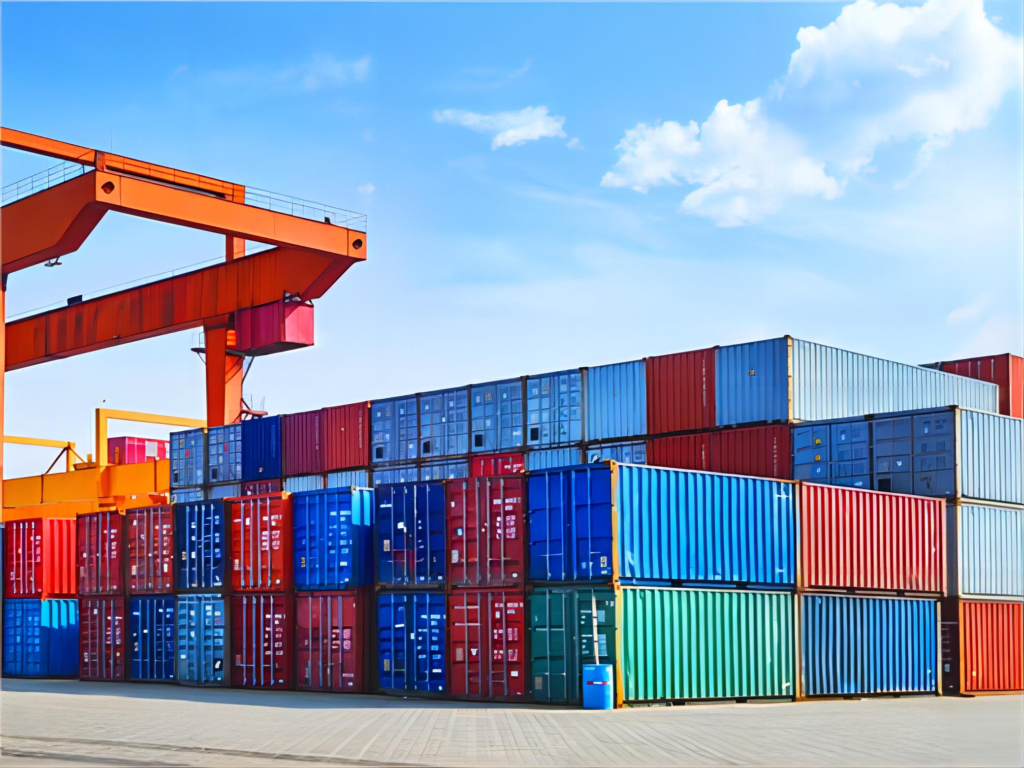
After cargo arrives at a rail terminal, immediate delivery is not always the best option. Therefore, temporary warehouse storage often becomes an essential part of the distribution process.
Common reasons businesses use warehouse storage include:
| Storage Need | Business Benefit |
|---|---|
| Inventory Buffer | Prevent stock shortages |
| Order Consolidation | Improve delivery efficiency |
| Seasonal Demand Management | Support peak sales periods |
| Multi-Customer Distribution | Simplify fulfillment |
| Customs Release Coordination | Avoid terminal delays |
Furthermore, warehouse storage provides additional time for inventory inspection, labeling, and order preparation before final delivery.
As a result, businesses gain greater control over inventory management and customer service performance.
How Warehouse Storage Improves Final Rail Freight Distribution Efficiency
Warehouse storage offers more than temporary cargo holding. In many cases, it improves overall supply chain performance.
Better Inventory Availability
Stored inventory can be released according to customer demand. Consequently, businesses avoid both overstocking and stockouts.
More Flexible Delivery Scheduling
Customers often require deliveries on specific dates. Therefore, warehouse storage helps align inventory availability with delivery schedules.
Reduced Terminal Charges
Rail terminals typically allow limited free storage periods. Meanwhile, warehouse facilities can provide more cost-effective long-term storage options.
| Logistics Activity | Direct Delivery | Warehouse Storage Solution |
|---|---|---|
| Inventory Flexibility | Limited | High |
| Order Consolidation | Difficult | Easy |
| Delivery Scheduling | Fixed | Flexible |
| Storage Costs | Higher at Terminal | Lower in Warehouse |
| Customer Service | Moderate | Improved |
Consequently, warehouse storage often improves both operational efficiency and customer satisfaction.
Which Warehouse Services Support Final Rail Freight Distribution
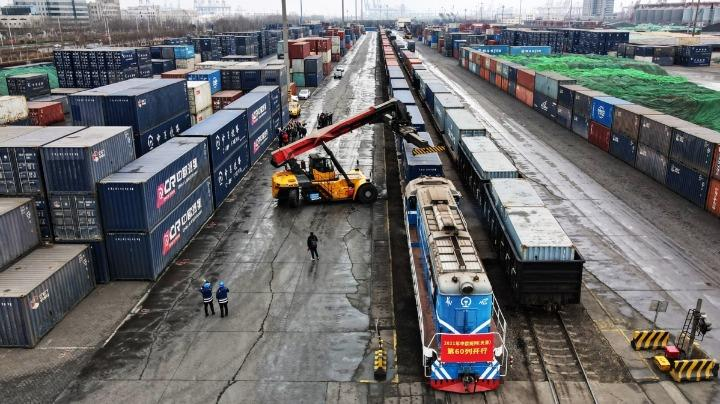
Modern logistics warehouses offer a wide range of value-added services beyond basic storage.
| Service | Purpose |
|---|---|
| Short-Term Storage | Temporary inventory holding |
| Long-Term Storage | Strategic inventory management |
| Cross-Docking | Rapid cargo transfer |
| Order Fulfillment | Customer order preparation |
| Pallet Reconfiguration | Delivery optimization |
| Product Labeling | Market compliance |
| Inventory Inspection | Quality verification |
Inventory Management
Warehouse management systems provide real-time inventory visibility. Therefore, businesses can monitor stock levels more accurately.
Order Consolidation
Multiple rail shipments can be combined into larger delivery orders. As a result, transportation costs are often reduced.
Last-Mile Delivery Preparation
Warehouses can prepare cargo for regional distribution networks. Furthermore, this process helps improve delivery efficiency and route planning.
Case Study: Warehouse Storage Before Final Rail Freight Distribution
🏠 Home Appliance Distribution for France
📍 Route: Suzhou, China → Lyon, France
📦 Cargo: Small Home Appliances
⏱️ Transit Time: 18 Days Rail Transit + 5 Days Storage
💰 Cost Saving: 28% vs Direct Multi-Point Deliveries
🚄 Mode: Rail Freight + Regional Distribution
🛃 Warehouse Solution: Inventory Buffer Storage + Order Consolidation
✅ Outcome: Reduced Delivery Costs Across 12 Retail Locations
Overview:
The importer needed inventory distributed to multiple retail stores across France. Therefore, cargo was temporarily stored in a regional warehouse before scheduled deliveries. As a result, transportation efficiency improved while delivery costs decreased.
🖥️ Consumer Electronics Fulfillment in Germany
📍 Route: Nanjing, China → Hamburg, Germany
📦 Cargo: Consumer Electronics Accessories
⏱️ Transit Time: 17 Days Rail Transit + 7 Days Storage
💰 Cost Saving: 32% vs Air Freight Replenishment
🚄 Mode: Rail Freight + Warehouse Fulfillment
🛃 Warehouse Solution: Inventory Management + Pick-and-Pack Operations
✅ Outcome: Improved E-commerce Order Processing Speed
Overview:
The customer required flexible inventory replenishment for online sales channels. Consequently, warehouse storage enabled rapid order fulfillment while maintaining stable inventory levels during seasonal demand fluctuations.
☀️ Solar Equipment Distribution in Italy
📍 Route: Wuhan, China → Milan, Italy
📦 Cargo: Solar Mounting Components
⏱️ Transit Time: 19 Days Rail Transit + 4 Days Storage
💰 Cost Saving: 25% vs Multiple Small Shipments
🚄 Mode: Rail Freight + Truck Delivery
🛃 Warehouse Solution: Project-Based Inventory Staging
✅ Outcome: Coordinated Deliveries to Multiple Installation Sites
Overview:
The importer managed several solar installation projects simultaneously. However, installation schedules varied between locations. Therefore, warehouse storage provided the flexibility needed to coordinate deliveries efficiently.
How to Plan Warehouse Storage Before Final Rail Freight Distribution
Successful storage strategies require careful planning before cargo arrival.
Forecast Inventory Requirements
Businesses should estimate expected demand and storage duration. Consequently, warehouse capacity can be allocated appropriately.
Select Strategic Warehouse Locations
Warehouses positioned near major customer markets often reduce transportation costs and delivery times.
Define Inventory Rotation Procedures
Proper inventory rotation minimizes stock aging and improves inventory accuracy.
Recommended planning checklist:
| Planning Area | Key Action |
|---|---|
| Demand Forecasting | Estimate inventory requirements |
| Storage Capacity | Confirm available space |
| Distribution Planning | Schedule final deliveries |
| Inventory Control | Implement tracking procedures |
| Transportation Coordination | Align delivery schedules |
Moreover, proactive planning reduces operational disruptions and improves service levels.
What Risks Can Warehouse Storage Reduce Before Final Rail Freight Distribution
Warehouse storage serves as an effective risk management tool.
Inventory Risks
Without storage capacity, businesses may struggle to handle demand fluctuations. Therefore, inventory buffers provide greater flexibility.
Delivery Risks
Customer delivery schedules frequently change. Consequently, warehouses help maintain reliable service despite shifting requirements.
Cost Risks
Unexpected delays can increase terminal storage fees and transportation costs. Meanwhile, warehouse storage often offers more economical alternatives.
| Risk Category | Potential Impact | Storage Solution |
|---|---|---|
| Stock Shortages | Lost Sales | Inventory Buffer |
| Delivery Delays | Customer Dissatisfaction | Flexible Scheduling |
| Terminal Congestion | Additional Charges | Off-Terminal Storage |
| Demand Volatility | Overstock or Understock | Inventory Management |
| Multi-Location Deliveries | Higher Costs | Consolidation Services |
As a result, warehouse storage helps businesses improve both operational resilience and cost control.
How to Choose a Warehouse Partner for Rail Freight Distribution
Selecting the right warehouse partner directly affects logistics performance.
Evaluate Location Advantages
Facilities located near rail terminals and major customer markets often provide the greatest operational benefits.
Review Technology Capabilities
Modern warehouses should offer:
- Inventory tracking systems
- Warehouse management software
- Real-time reporting
- Order visibility tools
Assess Distribution Support Services
Many businesses require additional services such as:
- Pick and pack
- Palletization
- Labeling
- Regional trucking delivery
Consider Scalability
Storage requirements can change rapidly. Therefore, warehouse providers should offer flexible capacity options.
| Selection Factor | Importance |
|---|---|
| Warehouse Location | High |
| Inventory Visibility | High |
| Distribution Services | High |
| Technology Systems | Medium |
| Storage Scalability | High |
Ultimately, the right warehouse partner helps improve inventory efficiency while supporting reliable rail freight distribution.
Conclusion
Warehouse storage before final rail freight distribution provides flexibility, inventory control, and operational efficiency for businesses managing international supply chains. By strategically storing cargo after rail arrival, companies can improve delivery scheduling, reduce transportation costs, and respond more effectively to customer demand.
Furthermore, warehouse storage supports inventory visibility, order fulfillment, and regional distribution planning. Therefore, integrating warehouse storage into rail freight operations can significantly enhance supply chain performance and long-term logistics reliability.
Need a flexible storage solution after rail freight arrival? Our team provides warehouse storage before final rail freight distribution, helping businesses manage inventory, reduce logistics costs, and coordinate efficient final-mile deliveries across Europe and beyond.
FAQs
1. Why use warehouse storage before final rail freight distribution?
Warehouse storage provides inventory flexibility, supports order consolidation, and helps businesses coordinate deliveries according to customer schedules and demand fluctuations.
2. How long can cargo remain in a warehouse after rail arrival?
Storage periods vary depending on operational requirements. Some businesses use short-term storage for a few days, while others maintain inventory for several months.
3. Is warehouse storage cheaper than terminal storage?
In many cases, yes. Terminal free-time periods are limited, whereas warehouse facilities often provide more economical long-term storage options.
4. Can warehouses support e-commerce fulfillment after rail freight delivery?
Yes. Many logistics warehouses offer pick-and-pack services, inventory management, labeling, and direct-to-customer order fulfillment capabilities.
5. What products commonly use warehouse storage after rail transport?
Consumer electronics, home appliances, automotive parts, retail inventory, solar equipment, machinery, and seasonal products frequently use warehouse storage solutions.