

- By Jaxin
- July 10, 2026
- Amazon FBA
Introduction
Finding the cheapest rail freight alternative to air freight has become increasingly important for businesses facing high air shipping costs and supply chain pressure. Many importers need faster delivery than ocean freight but cannot afford expensive air transportation. Therefore, rail freight has become a practical solution that balances cost, speed, and reliability.
Moreover, China-Europe railway services provide stable transportation options for manufacturers, ecommerce sellers, and international traders. However, choosing the right rail solution requires understanding transit times, pricing factors, customs procedures, and service options.
This guide explains why rail freight can replace air freight for many shipments, how much businesses can save, and how to select an efficient logistics solution.
Why Is Rail Freight the Cheapest Alternative to Air Freight?
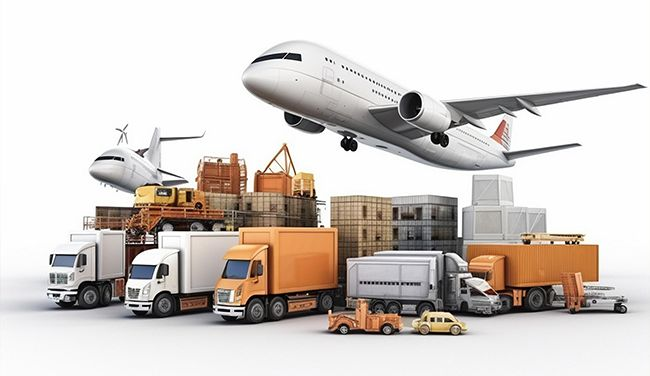
The main reason rail freight becomes a cost-effective air freight alternative is the balance between transportation speed and shipping cost. Although air freight provides the fastest delivery, its pricing is significantly higher, especially for heavy or large-volume cargo.
Furthermore, rail freight offers faster transit than ocean shipping while maintaining lower costs than air transportation.
| Transportation Method | Average Transit Time | Cost Level | Best For |
|---|---|---|---|
| Air Freight | 3–10 days | High | Urgent cargo |
| Rail Freight | 15–25 days | Medium | Balanced speed and cost |
| Ocean Freight | 30–45 days | Low | Large-volume cargo |
Additionally, rail freight is suitable for products that require predictable delivery schedules but do not need immediate arrival.
For example, electronics, machinery parts, consumer goods, and ecommerce inventory can often move efficiently through rail networks.
Therefore, businesses can reduce logistics expenses while maintaining better delivery speed compared with ocean freight.
How Much Can You Save With Rail Freight Instead of Air Shipping?
The savings from using rail freight instead of air transportation depend on cargo weight, route, season, and service requirements. However, rail freight typically provides significant cost advantages for medium and heavy shipments.
| Shipment Type | Air Freight Cost Level | Rail Freight Cost Level | Potential Savings |
|---|---|---|---|
| 100 kg cargo | High | Medium | Limited savings |
| 500 kg cargo | Very High | Medium | 30–50% lower |
| 1 ton cargo | Extremely High | Medium | 50%+ lower |
Moreover, businesses should consider total logistics costs instead of transportation prices alone.
Additional air freight expenses may include:
- Fuel surcharges
- Peak season fees
- Airport handling charges
- Emergency delivery costs
Meanwhile, rail freight often provides more stable pricing, especially for regular China-Europe shipments.
What Factors Affect Rail Freight Pricing?
Rail freight costs depend on:
- Cargo volume
- Container type
- Origin location
- Destination terminal
- Customs requirements
- Final delivery distance
Therefore, requesting a customized quotation is essential before choosing the cheapest rail freight alternative to air freight.
Can China-Europe Railway Replace Air Freight for International Shipping?
China-Europe Railway Express can replace air freight for many shipments, especially when delivery speed and cost need to be balanced.
However, rail freight is not suitable for every situation. Businesses should compare shipment urgency, cargo value, and customer expectations.
| Situation | Recommended Shipping Method |
|---|---|
| Emergency medical supplies | Air freight |
| High-value urgent products | Air freight |
| Regular inventory replenishment | Rail freight |
| Heavy commercial goods | Rail freight |
| Seasonal ecommerce stock | Rail freight |
Additionally, rail freight offers advantages for companies that require stable supply chain planning.
For example, retailers can use rail transportation to replenish European warehouses faster than ocean shipping while avoiding high air freight expenses.
Therefore, rail freight has become a strategic air freight alternative for many international businesses.
What Services Should a Rail Freight Alternative Provider Offer?
Choosing the right logistics partner is essential when switching from air freight to rail transportation. A professional provider should offer complete supply chain support rather than only railway booking.
Key services include:
| Service | Benefit |
|---|---|
| Factory pickup | Simplifies origin transportation |
| Export customs clearance | Reduces documentation risks |
| Railway booking | Secures transportation capacity |
| Import customs support | Speeds cargo release |
| Final-mile delivery | Provides door-to-door service |
Furthermore, experienced freight forwarders can recommend multimodal transport solutions when rail alone cannot meet delivery requirements.
For example, a shipment may combine rail freight with trucking for faster European distribution.
Additionally, professional logistics providers help manage customs documentation, HS code checks, and delivery coordination.
Therefore, businesses should evaluate service capability instead of selecting providers based only on price.
Cheapest Rail Freight Alternative to Air Freight: Cost-Saving Case Study
Case Study: Electronics Inventory Shift from Air to Rail
| Item | Details |
|---|---|
| Origin | Shenzhen, China → Warsaw, Poland |
| Cargo | Consumer electronics accessories |
| Transit Time | 19 days by rail freight |
| Cost | Reduced by approximately 45% compared with air freight |
| Transportation Method | China-Europe Railway Express + European trucking |
| Customs Clearance Details | Documents prepared before departure, HS codes reviewed, import clearance arranged at destination |
| Brief Overview | An ecommerce company needed faster replenishment than ocean freight but wanted to reduce frequent air shipping expenses. The logistics team designed a rail-based solution. |
How Can Businesses Reduce Risks When Switching From Air to Rail Freight?

Although rail freight provides cost advantages, businesses should prepare carefully before changing transportation methods.
Common risks include:
| Risk | Solution |
|---|---|
| Longer transit than air | Plan inventory earlier |
| Customs delays | Prepare documents in advance |
| Route disruptions | Select experienced providers |
| Limited capacity | Book shipments early |
Moreover, companies should maintain accurate demand forecasts because rail freight requires more planning compared with air shipping.
How Does Inventory Planning Support Rail Shipping?
Additionally, businesses can combine rail freight with warehouse management strategies.
For example:
- Maintain safety stock levels
- Schedule regular rail departures
- Use regional warehouses
- Monitor shipment tracking
Therefore, proper planning allows companies to enjoy lower transportation costs without affecting customer service.
How Should You Choose a Rail Freight Alternative to Air Freight Provider?
Selecting the right logistics partner determines whether rail freight delivers expected savings and reliability.
Before cooperation, businesses should evaluate:
| Evaluation Factor | Key Question |
|---|---|
| Railway experience | Do they manage China-Europe routes regularly? |
| Customs ability | Can they support import clearance? |
| Tracking system | Can shipment progress be monitored? |
| Pricing transparency | Are all costs clearly explained? |
Furthermore, a reliable provider should offer flexible solutions based on shipment requirements.
A company focused only on low prices may create additional risks through poor communication or limited customs support.
Therefore, businesses should choose a freight forwarder that combines competitive pricing with strong operational experience.
Conclusion
Choosing the cheapest rail freight alternative to air freight allows businesses to reduce transportation costs while maintaining faster delivery than ocean shipping. Although air freight remains suitable for urgent shipments, rail freight provides a better balance for regular commercial cargo.
Moreover, China-Europe railway services offer reliable transit times, customs support, and door-to-door delivery options. Therefore, companies can optimize supply chains by selecting professional rail freight solutions based on cargo needs, budget, and delivery expectations.

FAQ
Q1: How much cheaper is rail freight compared with air freight?
Rail freight can reduce transportation costs by 30–60% depending on cargo weight, route, season, and service requirements.
Q2: How long does rail freight take compared with air freight?
Rail freight usually takes 15–25 days, while air freight normally takes 3–10 days from China to Europe.
Q3: What products are suitable for rail freight instead of air freight?
Electronics, machinery parts, consumer goods, and ecommerce inventory are commonly suitable for rail freight transportation.
Q4: What documents are needed for China-Europe rail freight?
Common documents include commercial invoices, packing lists, customs declarations, certificates of origin, and import clearance paperwork.
Q5: How can I choose a reliable rail freight provider?
Select providers with China-Europe railway experience, customs expertise, transparent pricing, shipment tracking, and door-to-door delivery capabilities.