

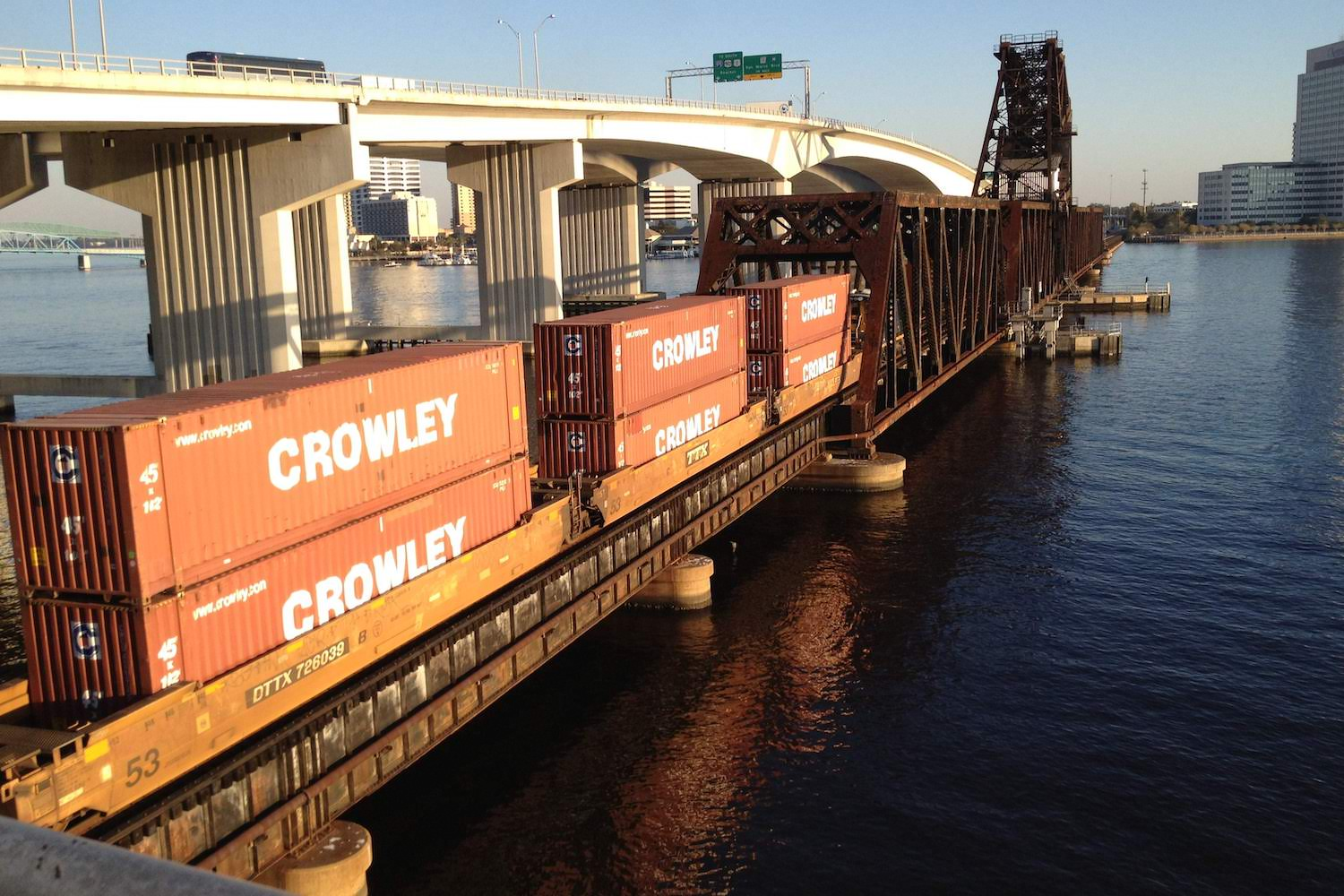
How to reduce rail freight shipping cost has become a key concern for importers, manufacturers, and ecommerce businesses looking to improve supply chain efficiency. Although rail freight is usually more affordable than air transportation, rising fuel prices, limited capacity, and seasonal demand can still increase shipping expenses.
Moreover, many companies focus only on negotiating freight rates but overlook other cost factors, including container utilization, route selection, customs procedures, and delivery planning. Therefore, reducing railway transportation expenses requires a complete logistics strategy rather than simply finding a cheaper carrier.
This guide explains practical methods to optimize rail freight rates, improve transportation efficiency, and maintain reliable China-Europe railway delivery performance.

Why Should Businesses Optimize Rail Freight Expenses?
Understanding how to reduce rail freight shipping cost helps companies maintain competitive pricing while protecting profit margins. However, transportation costs are influenced by multiple factors beyond the basic rail rate.
Common cost components include:
| Cost Factor | Impact on Total Shipping Cost |
|---|---|
| Rail freight rate | Main transportation expense |
| Container usage | Affects cost efficiency |
| Customs fees | Depends on documentation accuracy |
| Terminal charges | Influenced by route selection |
| Final-mile delivery | Depends on destination distance |
Furthermore, businesses that ship regularly can achieve greater savings through better planning and long-term cooperation with logistics providers.
For example, companies with predictable shipment volumes may negotiate better contracts, optimize departure schedules, and avoid peak-season surcharges.
Therefore, cost reduction should focus on improving the entire transportation process instead of reducing service quality.
How Can Container Optimization Reduce Rail Freight Shipping Cost?
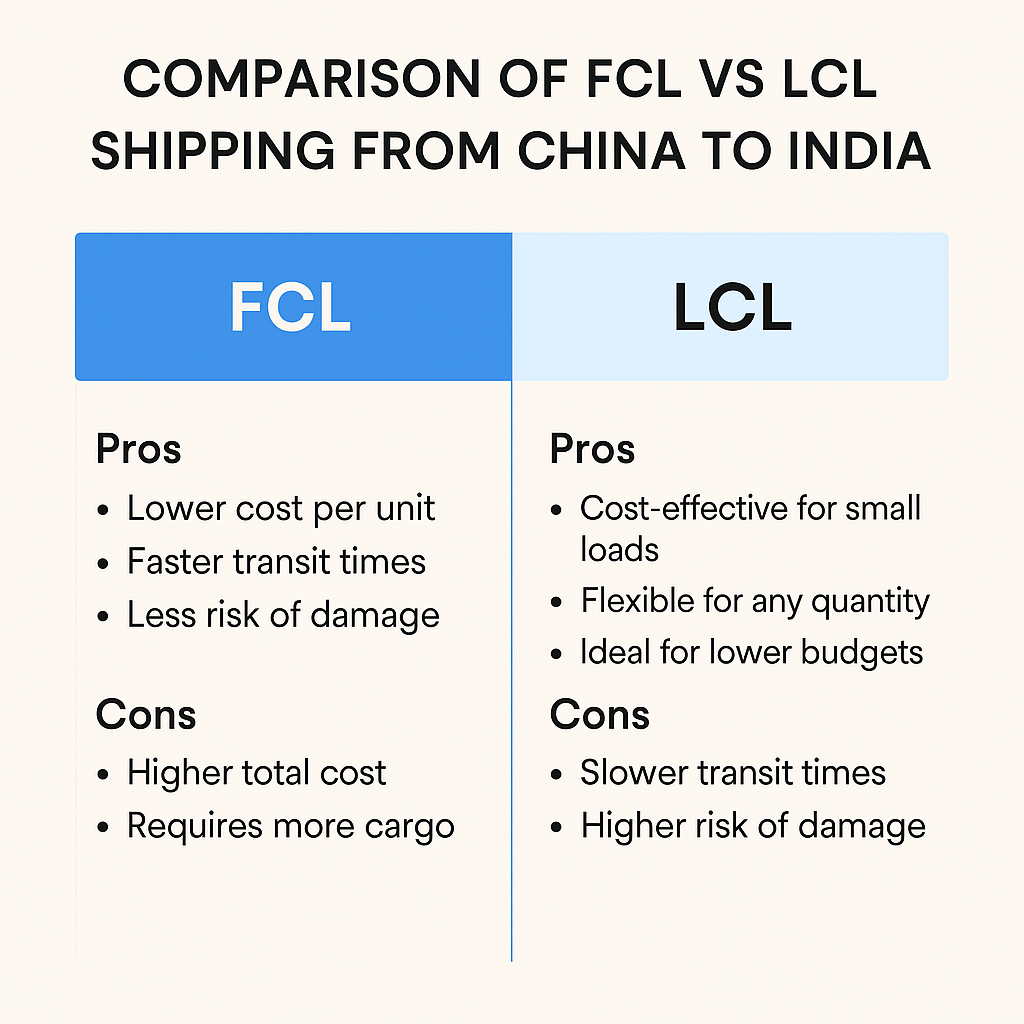
Container utilization is one of the most effective ways to reduce rail freight expenses. However, many businesses pay higher rates because containers are not fully optimized.
A partially filled container increases the average shipping cost per unit. Therefore, improving cargo loading efficiency can significantly reduce transportation expenses.
Use Container Consolidation Strategies
Businesses can reduce costs through:
- Combining multiple small shipments
- Using shared container solutions
- Planning shipments in advance
- Reducing unnecessary packaging volume
| Shipping Method | Cargo Volume | Cost Efficiency |
|---|---|---|
| Full Container Load (FCL) | Large volume | High |
| Less Container Load (LCL) | Small volume | Medium |
| Express Air Freight | Urgent cargo | Low |
Additionally, professional freight forwarders can help consolidate cargo from different suppliers into one rail shipment.
Consequently, companies can maximize container space and reduce the cost per product unit.
Can Route Selection Help Reduce China-Europe Railway Freight Costs?
Choosing the right logistics partner is essential for controlling overall railway transportation expenses. However, the cheapest route is not always the most economical option.
Moreover, different China-Europe railway corridors have different transportation costs, transit times, and customs procedures.
| Route Example | Average Transit Time | Cost Consideration |
|---|---|---|
| China–Germany | 15–22 days | Higher demand, stable service |
| China–Poland | 14–20 days | Competitive European hub |
| China–Hungary | 18–25 days | Suitable for Central Europe |
Additionally, alternative routes may reduce costs during peak seasons or capacity shortages.
For example, a freight forwarder may recommend changing arrival terminals or combining rail with trucking through multimodal transport solutions.
Therefore, businesses should evaluate total logistics costs rather than selecting routes based only on distance.
How Does Shipment Planning Lower Rail Freight Rates?
Advanced shipment planning can help companies avoid unnecessary expenses. Furthermore, last-minute bookings often result in higher rail freight rates because capacity becomes limited.
Businesses can reduce costs by:
- Booking transportation earlier
- Creating regular shipping schedules
- Avoiding peak season periods
- Forecasting inventory demand
| Planning Method | Cost Reduction Benefit |
|---|---|
| Early booking | Avoids premium rates |
| Fixed schedules | Improves rate stability |
| Demand forecasting | Reduces urgent shipments |
| Long-term contracts | Supports better pricing |
Moreover, stable shipment patterns allow freight forwarders to provide more customized solutions.
Therefore, companies should treat rail transportation as a long-term supply chain strategy instead of a temporary shipping option.
How Can Customs Management Reduce Rail Freight Shipping Cost?
Customs problems can create unexpected expenses, including storage fees, inspection charges, and delivery delays. Therefore, improving customs preparation is essential when learning how to reduce rail freight shipping cost.
Common customs-related cost risks include:
| Customs Issue | Additional Cost Risk |
|---|---|
| Incorrect HS code | Duty adjustment and delays |
| Missing documents | Storage charges |
| Wrong declaration value | Customs investigation |
| Compliance problems | Cargo holding costs |
Furthermore, experienced logistics providers can support:
- HS code verification
- Document review
- Import declaration
- Customs clearance coordination
Additionally, preparing documents before shipment arrival can prevent unnecessary delays.
Consequently, efficient customs management reduces hidden costs and improves overall transportation efficiency.
Real Case Study: Cutting China-Europe Rail Transportation Costs
Case Study: Reducing Railway Shipping Expenses for Electronics Cargo
| Item | Details |
|---|---|
| Origin | Ningbo, China → Duisburg, Germany |
| Cargo | Consumer electronics accessories |
| Transit Time | 18 days by China-Europe Railway Express |
| Cost | Reduced by approximately 28% after optimization |
| Transportation Method | Rail freight + European truck delivery |
| Customs Clearance Details | Documents reviewed before departure, HS codes verified, import clearance arranged in advance |
| Brief Overview | An ecommerce supplier faced increasing transportation costs due to small shipments and irregular booking schedules. The logistics team optimized shipment planning and container usage. |
How Can Choosing the Right Freight Forwarder Reduce Rail Freight Costs?
Selecting the right logistics partner directly affects transportation expenses. However, businesses should avoid choosing providers only based on the lowest quotation.
A reliable freight forwarder can provide:
| Service Capability | Cost Advantage |
|---|---|
| Railway network access | Better freight rates |
| Customs expertise | Fewer delays |
| Cargo consolidation | Higher container efficiency |
| Door-to-door delivery | Lower coordination costs |
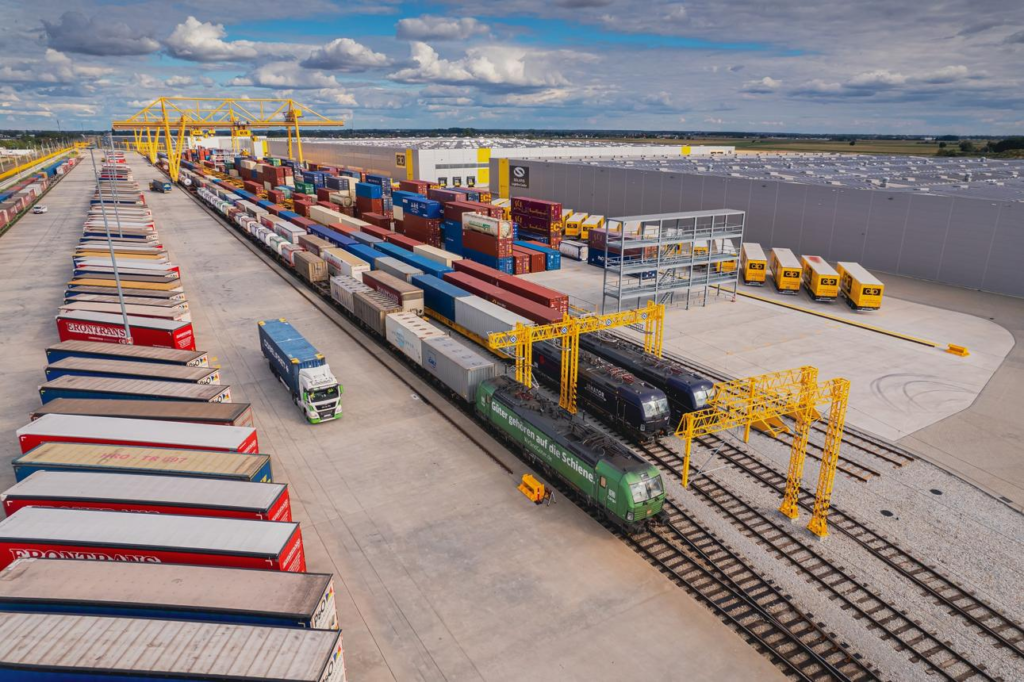
Furthermore, experienced providers can identify cost-saving opportunities through route optimization and multimodal transport.
For example, combining railway transportation with local trucking may reduce total delivery expenses compared with arranging separate services.
Therefore, choosing a professional China-Europe railway partner is an important step toward long-term cost control.
Conclusion
Learning how to reduce rail freight shipping cost requires more than negotiating lower transportation rates. Businesses can achieve sustainable savings through container optimization, route planning, shipment scheduling, customs management, and professional logistics support.
Moreover, China-Europe railway transportation provides a balanced solution between air and ocean shipping. Therefore, companies that optimize their rail freight strategy can lower expenses while maintaining reliable delivery performance.
FAQ:
Q1.What is the best way to reduce rail freight shipping cost?
The most effective methods include container consolidation, early booking, route optimization, and working with experienced rail freight providers.
Q2.Does shipment volume affect rail freight rates?
Yes. Larger shipment volumes usually achieve better rates because containers are used more efficiently and booking costs can be optimized.
Q3.Is rail freight cheaper than air freight?
Yes. Rail freight is generally much cheaper than air freight while providing faster delivery than ocean transportation.
Q4.What documents help avoid extra rail freight costs?
Accurate invoices, packing lists, HS codes, and customs declarations help prevent delays, storage fees, and additional clearance expenses.
Q5.How can a freight forwarder help reduce rail shipping costs?
A professional freight forwarder can optimize routes, consolidate cargo, negotiate rates, and manage customs procedures to reduce total logistics expenses.